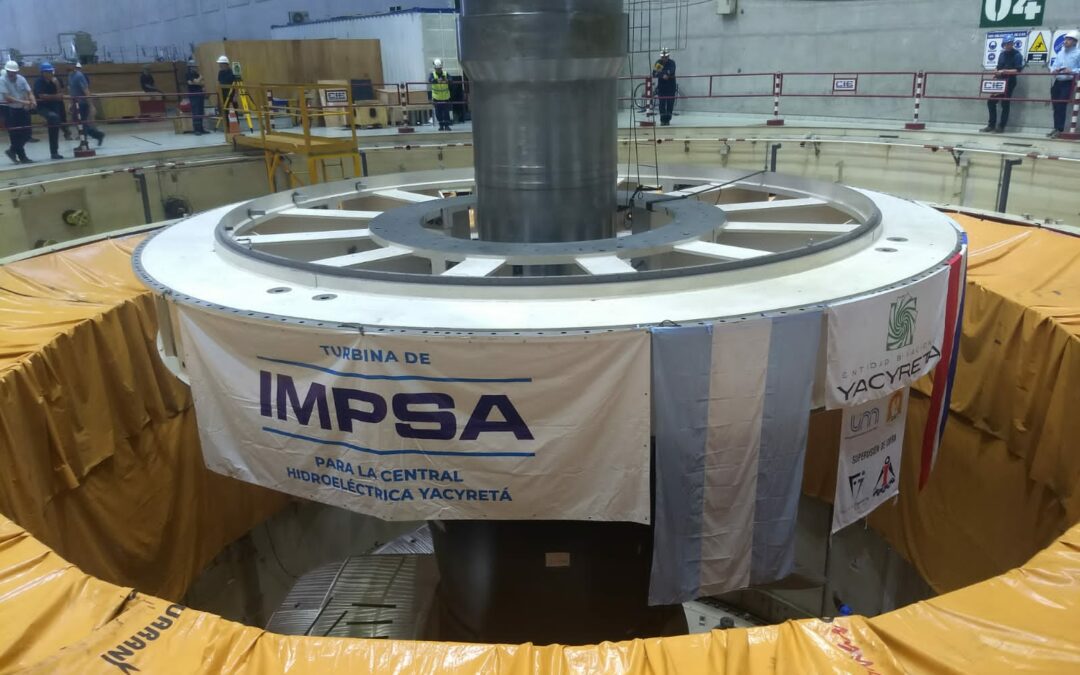
An IMPSA turbine at the Yacyretá Hydroelectric Power Plant in Paraguay. Photo: IMPSA.
Guacamaya, June 9, 2026. The potential reactivation of hydroelectric projects that have been stalled for more than a decade, along with discussions to secure international financing and attract investment in renewable energy, is emerging as one of the central pillars of Venezuela’s strategy to address the crisis of the National Electric System (SEN).
The energy company IMPSA is advancing in the renegotiation of a contract with Corpoelec that could allow the addition of up to 672 megawatts (MW) to the National Electric System in the coming months, according to statements by the company’s president, Jorge Salcedo, to Reuters.
The original agreement, signed more than a decade ago between IMPSA and the Venezuelan state utility Corpoelec, was halted due to payment problems, financing constraints, and U.S. sanctions. As a result, equipment that had already been manufactured remained stored for years at the company’s facilities in Mendoza, Argentina.
Now, thanks to a license granted by the United States earlier this year, both parties are negotiating an addendum to the contract that would allow the export and installation of hydraulic turbines and electromechanical equipment for two of the country’s most important hydroelectric projects: Tocoma and Macagua, located in Bolívar state.
In the case of Tocoma, the goal is to bring two generating units into operation as part of a plant designed to contribute more than 2,000 MW once fully completed. According to IMPSA, around 60% of the equipment has already been manufactured, meaning the completion of this first phase could take between 14 and 19 months after the final agreement is signed.
Meanwhile, the rehabilitation of three units at the Macagua plant would allow generation capacity to be restored in a much shorter timeframe. Two of the units, with a combined capacity of 160 MW, could return to operation within 90 to 100 days after approval of the contract amendment.
The importance of these projects lies in the current situation of Venezuela’s electricity system. According to sector figures, the country has a total installed capacity of 33,202 MW, distributed between 18,031 MW of thermal generation and 15,171 MW of hydroelectric generation. However, the capacity actually in operation is significantly lower.
Currently, thermal plants contribute 3,489.41 MW, while the hydroelectric system generates around 9,500 MW, bringing total effective generation capacity to approximately 12,989.41 MW. This figure is below the estimated national demand of 15,579 MW.
In practical terms, this means the system faces a deficit of about 2,590 MW, equivalent to more than 16% of national demand. It also indicates that the country is utilizing only around 39% of its installed capacity, reflecting the accumulated deterioration of its electrical infrastructure in recent years. This gap between required and available electricity leads to rationing, frequent service interruptions, and constraints on economic expansion. In many cases, operations must be suspended or companies must rely on their own generators, increasing costs.
In this sense, recovering capacity through projects such as Tocoma and Macagua is particularly relevant, as it would help reduce part of this deficit and strengthen the reliability of the National Electric System. A more stable electricity supply benefits not only households but also strategic sectors such as the oil industry, mining, steel production, commerce, and manufacturing, all of which depend directly on energy availability to increase output and attract new investment.
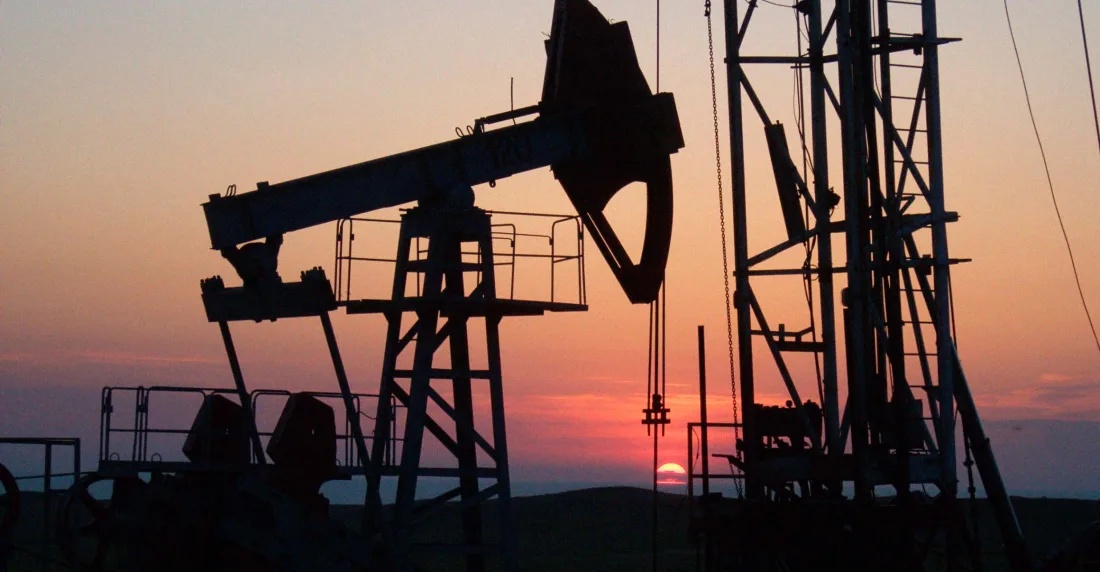
The oil industry, the country’s main source of foreign currency, is critically dependent on electricity to operate production fields, pumping stations, injection systems, extra-heavy crude upgraders, refineries, and export terminals. Therefore, restoring the electrical system is seen as an essential condition for any strategy aimed at increasing hydrocarbon production and consolidating national economic recovery.
In addition to equipment stored in Argentina, IMPSA reported that related components for these projects are also located in the United States, Germany, and Paraguay. The company has begun an inventory process, as reported to Reuters, to recover and update parts, replacing those that are no longer available or have become technologically obsolete.
The recovery of the electricity system is also part of broader discussions between Caracas and Washington. According to various sources, both sides are exploring mechanisms to unlock Venezuelan funds held abroad and redirect them toward priority energy infrastructure projects.
In this context, the National Assembly recently approved in its first reading a reform of the Organic Law on the Electric System and Service, aimed at facilitating new investments and modernizing the sector’s regulatory framework. This comes simultaneously with the discussion of a new law for the sector, which would allow for the first time in 15 years 100% private participation.
From the private sector, proposals have also emerged to finance the recovery of the SEN. The president of Consecomercio, José Gregorio Rodríguez, suggested using part of Venezuela’s Special Drawing Rights (SDRs) held at the International Monetary Fund (IMF) to settle outstanding debts with CAF and the Inter-American Development Bank (IDB).
According to his proposal, paying approximately 4 billion dollars to both multilateral institutions could open the door to new financing of between 10 and 12 billion dollars, specifically aimed at rebuilding the national electricity system.
Rodríguez argues that the scale of the crisis requires a coordinated strategy involving multiple international specialized companies, including General Electric, Siemens, and Toshiba, since no single firm could address the comprehensive recovery of Venezuela’s energy infrastructure in a short timeframe.
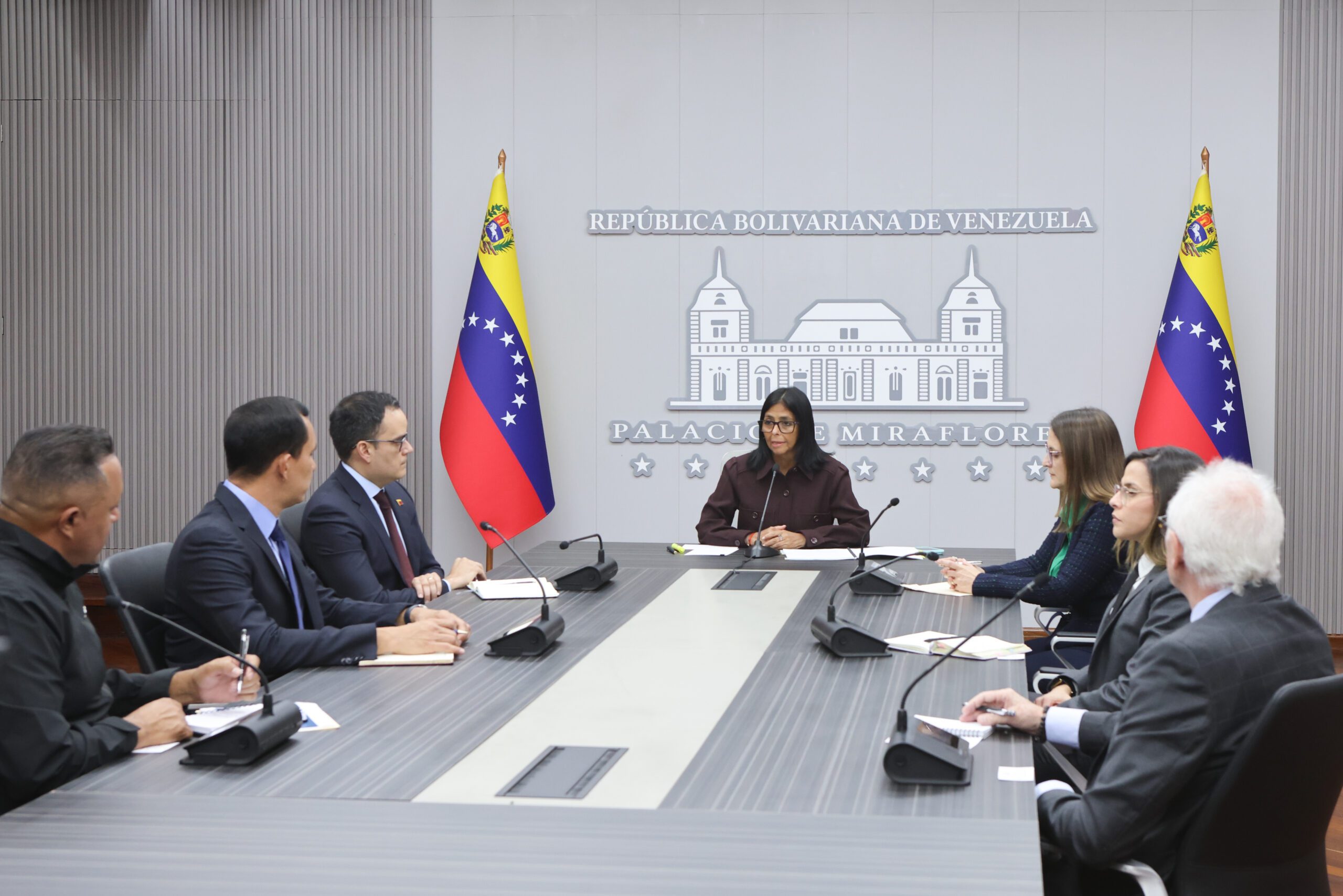
Meanwhile, the Venezuelan government continues to explore new international partnerships to diversify its energy matrix. During an official visit to India, acting President Delcy Rodríguez met with executives from Essar Group, one of India’s leading industrial conglomerates with operations in energy, infrastructure, mining, metals, and technology.
The meeting focused on evaluating investment opportunities in energy projects and exploring alternatives to incorporate wind, solar, and biomass generation technologies into Venezuela’s system. The initiative seeks to reduce dependence on traditional generation sources and strengthen the resilience of the SEN in the medium and long term.
Rodríguez has promoted during her agenda in India a strategy aimed at attracting investment to modernize Venezuela’s energy infrastructure. In this context, cooperation with companies such as Essar Group could complement efforts to recover hydroelectric generation through the development of renewable sources capable of diversifying the national energy matrix. The government is exploring international financing, legal reforms, and partnerships with companies such as Siemens and General Electric.
The combination of pending hydroelectric projects, potential international financing mechanisms, regulatory reforms, and new investments in renewable energy outlines a gradual recovery strategy for an electrical system that remains one of the country’s most pressing economic challenges. The success of these initiatives will be decisive not only for improving electricity service quality, but also for boosting industrial activity, strengthening oil production, and creating more favorable conditions for economic growth in Venezuela.