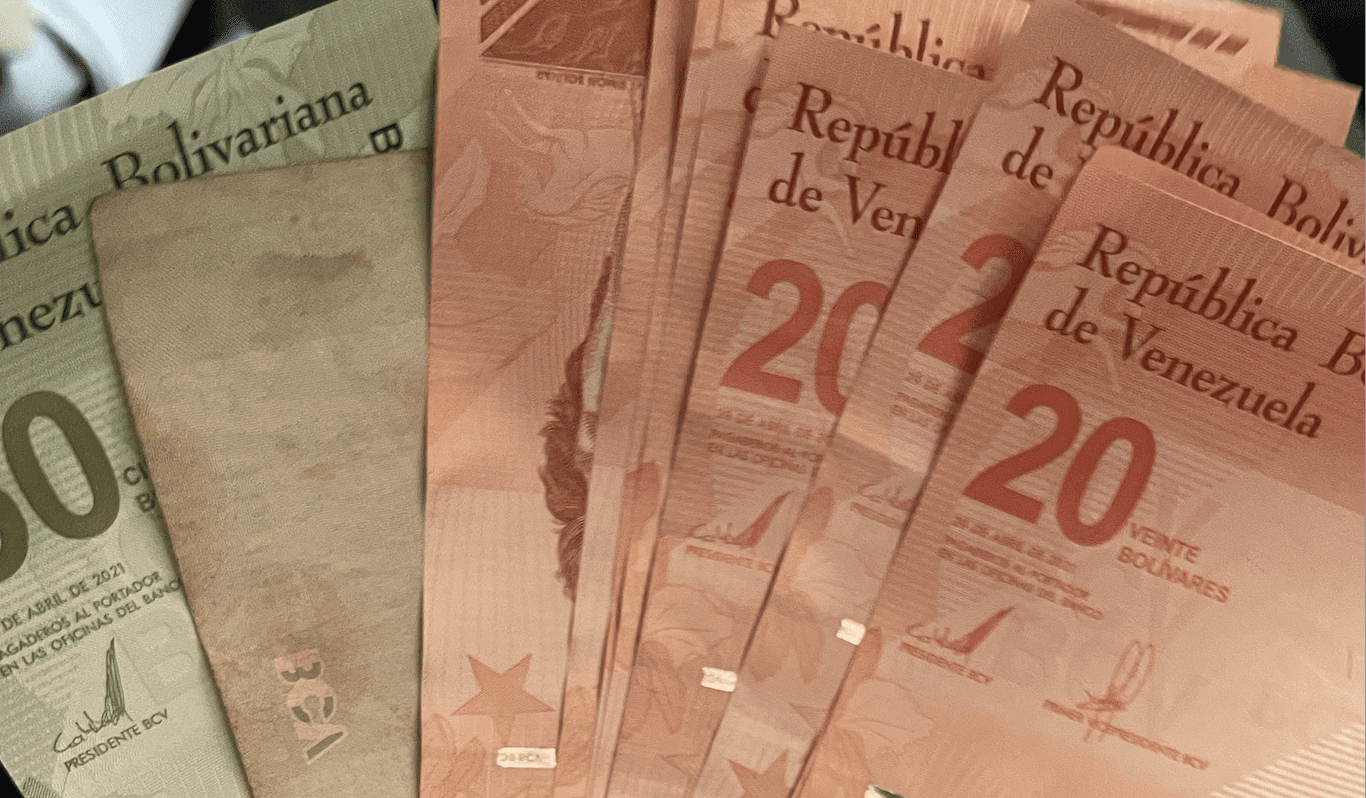
In its report on the third quarter of 2025, the UNDP calculates growth alongside a high inflation rate. Photo: Guacamaya.
Guacamaya, December 9, 2025. The United Nations Development Programme (UNDP) estimates that the Venezuelan economy will end the year 6.9% above 2024 levels, while inflation could reach 500%.
In its latest report, the UNDP explained that the third quarter of 2025 saw growth “in a context of inflationary pressures, exchange rate tensions, and fiscal constraints.”
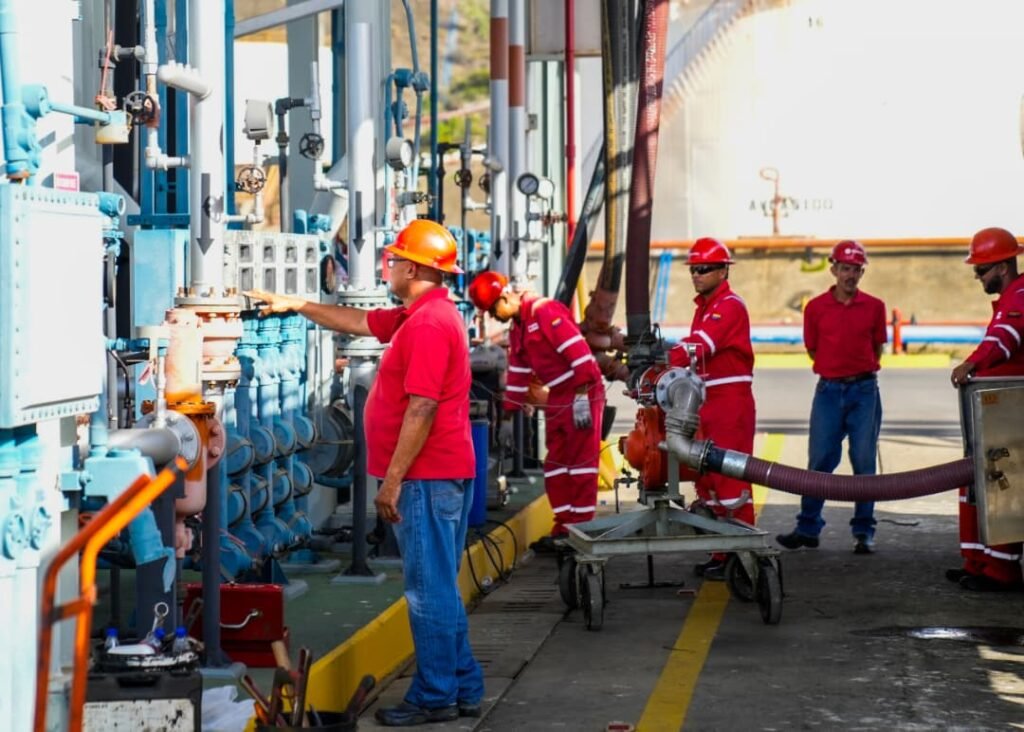
Growth is primarily due to oil sector activity, which increased by 15.3%, while the non-oil sector grew by 4.2%, according to UNDP estimates. These estimates are based on official statistics, international organizations, specialized consulting firms, and their own calculations.
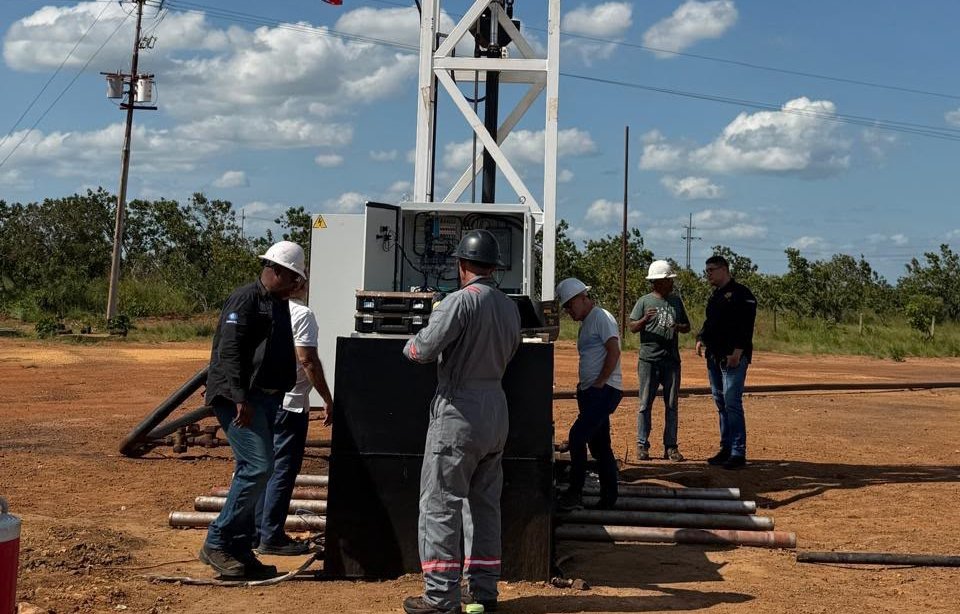
Oil sector growth was mainly driven by “the progressive implementation of a business model structured around Hydrocarbon Productive Participation Contracts (CPP), which has allowed for increased production levels through public-private cooperation schemes.” This growth was likely balanced by a drop in oil prices, with international prices 14% below the previous year.
Venezuela’s Gross Domestic Product growth rate for 2025, at 6.9%, would be lower than that of 2024, which the same UNDP estimated at 8.5%.
It is worth noting that economic growth rates vary dramatically depending on the organization publishing the statistics. The International Monetary Fund (IMF) estimates 0.5%, and the Economic Commission for Latin America and the Caribbean (ECLAC) estimates 6%.
Fiscal revenue fell in real terms to 7.7 billion dollars from 9.8 billion in 2024, although it grew nominally in bolívars.
The National Consumer Price Index (INPC) reached an annual rate of 390.8% in September, according to their own calculations, meaning Venezuela would have the highest inflation in the world.
The Central Bank of Venezuela has not reported inflation statistics since October 2024, while several non-governmental organizations and economists have faced repression for publishing their own calculations.
According to the report, the monetary base grew by 386% year-on-year and monetary liquidity by 249% nominally, but fell by 29% in real terms. The bank credit portfolio remained limited to 2.7% of GDP, the lowest rate in Latin America.
The Comprehensive Minimum Income remained at 161 dollars—at the official exchange rate—combining the minimum wage, the food bonus (Cesta Ticket), and the Economic War Bonus. For private sector workers, without the last bonus, their minimum income stood at 41 dollars—again, at the official rate—representing an annualized decrease of 6.3% due to devaluation, even before accounting for the effects of the exchange rate gap.
International reserves continue their upward trend, closing September at 13 billion dollars, the highest figure since March 2016. This increase is due to the rise in the price of gold on the international market.