

The historical potential of Venezuelan cocoa: an opportunity for economic diversification
Venezuela’s National Assembly this week advanced the approval of the Law for the Promotion and Development of Venezuelan Cocoa.


Understand how the Venezuelan economy moves.
Venezuela’s National Assembly this week advanced the approval of the Law for the Promotion and Development of Venezuelan Cocoa.
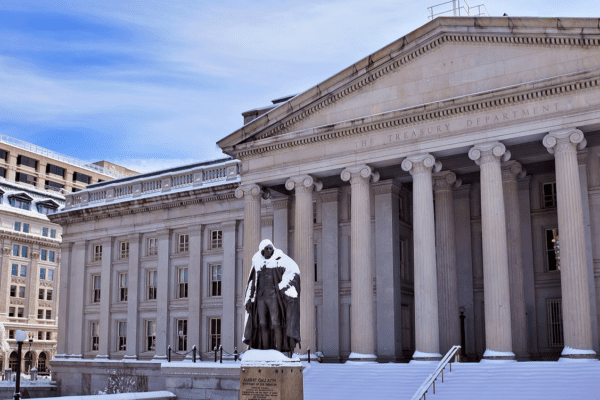
The OFAC on Wednesday modified seven general licenses it had issued regarding hydrocarbons and mining in Venezuela.

Latest developments in the crisis of the National Electric System.
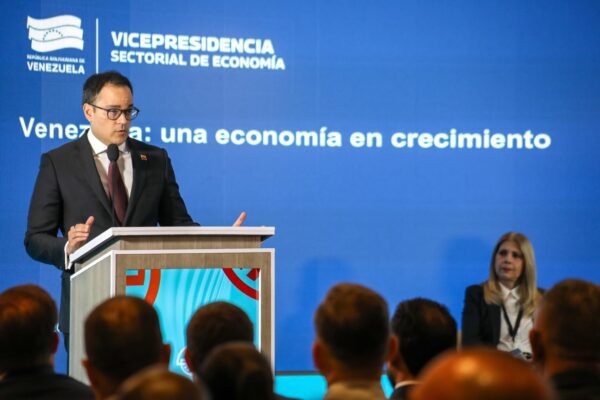
The Venezuelan administration announced an economic program built around four strategic pillars aimed at stabilizing the economy, reviving productive sectors, reorganizing public finances, and opening the door to a new relationship with multilateral organizations and international markets.
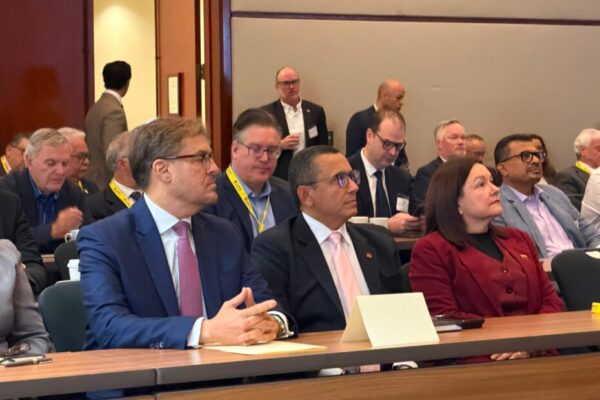
This technical and commercial reopening in 2026 is shaping up as a fundamental milestone in the new phase of reapprochement…

The signing of agreements between the Venezuelan government and major international energy companies, the sustained increase in oil exports, and the reconfiguration of global trade flows are redefining Venezuela’s role in the world energy market.
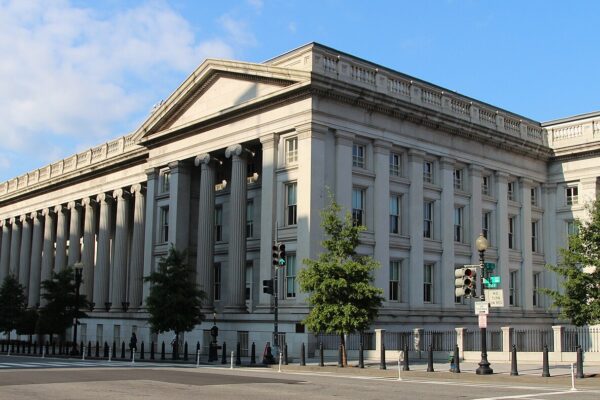
The U.S. Treasury Department’s Office of Foreign Assets Control (OFAC) issued General License 38 on Tuesday, opening a pathway for the restructuring of Venezuela’s sovereign debt.
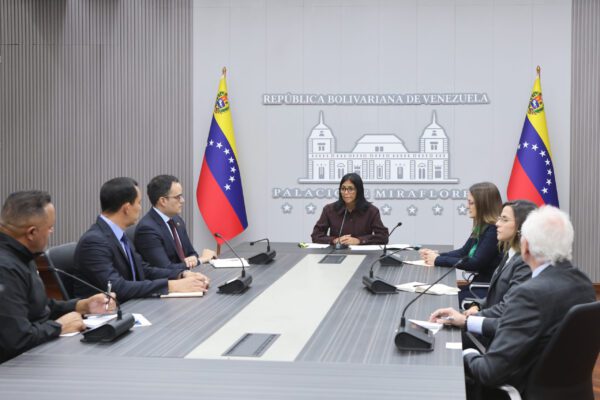
The administration of Delcy Rodríguez launched this Wednesday the Special Commission for the Evaluation and Classification of Public Assets, a body tasked with reviewing the full range of state-owned assets with the aim of reorganizing them under criteria of efficiency, productivity, and economic utilization.
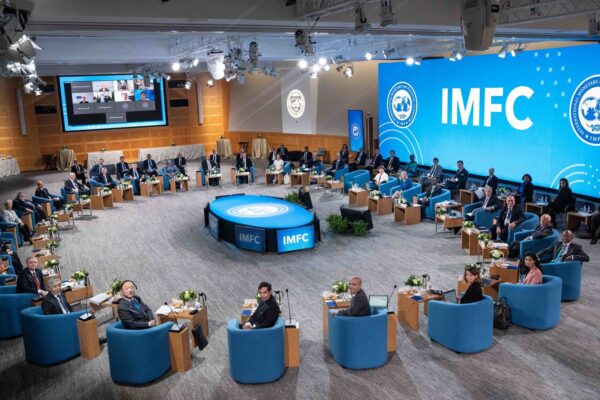
The International Monetary Fund and the World Bank are resuming relations with Venezuela after a period of ideological confrontation since 2006 and the non-recognition of these organizations by the government since 2019.
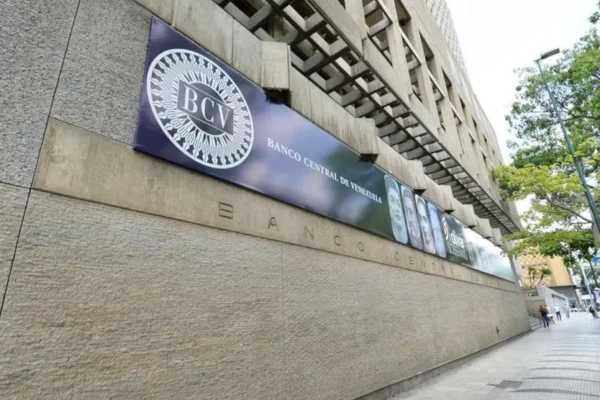
The U.S. Department of the Treasury has issued two general licenses that could help reintegrate Venezuela into the international banking system and allow foreign contractors to enter the country.