
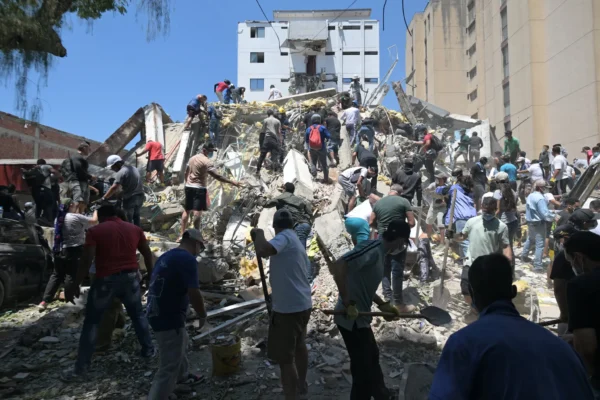
The Anatomy of Two Disasters: Colombia Under Emergency and the Mirror of the Venezuelan Crisis
In the face of the recent earthquake’s magnitude in Colombia, President Abelardo de la Espriella is working to coordinate humanitarian…


In the face of the recent earthquake’s magnitude in Colombia, President Abelardo de la Espriella is working to coordinate humanitarian…
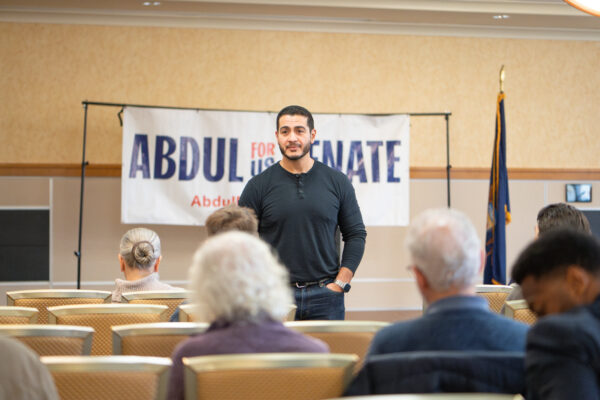
The movements on the left wing of the Democratic Party, including the DSA, have grown substantially in the recent primaries.
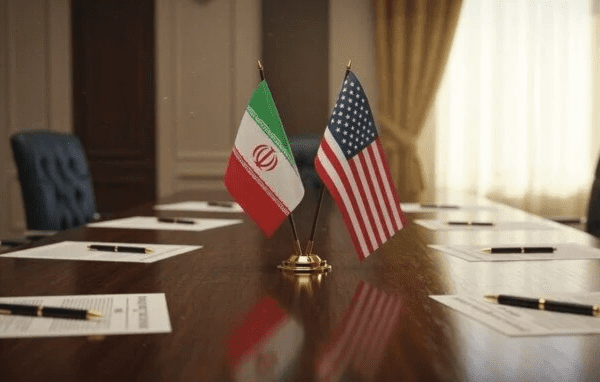
After more than four months of war, the announcement of a memorandum of understanding between the United States and Iran has opened the possibility of ending a conflict that altered the strategic balance of the Middle East, paralyzed maritime traffic in the Strait of Hormuz, and shook global energy markets. However, far from representing a definitive peace, the agreement announced by Donald Trump and confirmed by Tehran appears to be only the beginning of a new and complex negotiation process
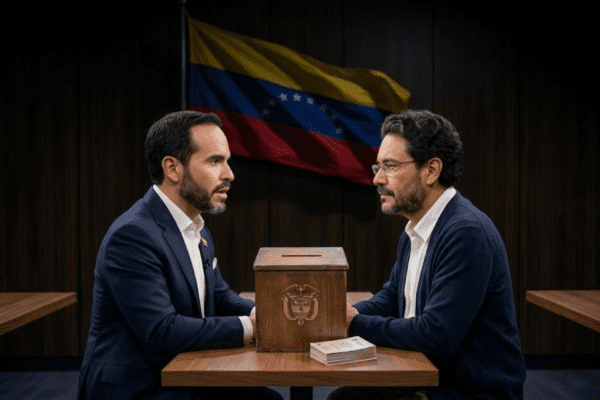
The first round of the presidential election in Colombia has left a country divided into two ideological blocs.
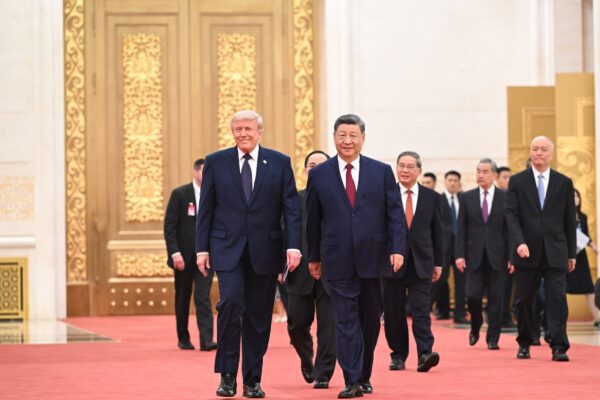
The visit of the U.S. president to Beijing highlights the deep interdependence between China and the United States, but also the structural tensions shaping their relationship. While both powers seek to avoid an open rupture, disputes over technological leadership, the future of Taiwan, and the impact of the crisis in the Middle East continue to fuel the risk of a new global escalation.
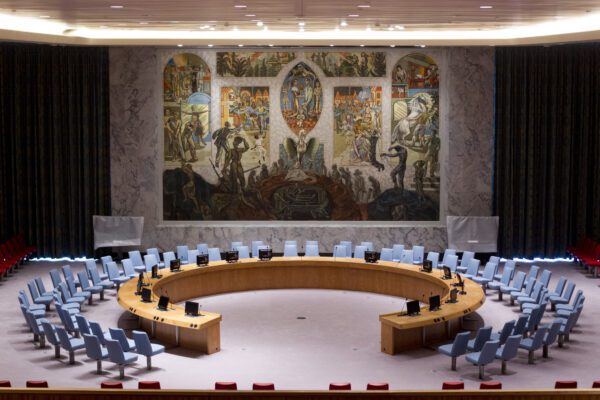
The succession of António Guterres as Secretary-General of the United Nations has formally begun with public hearings of the candidates before the General Assembly. In an ongoing process heavily conditioned by the Security Council, four figures with very different trajectories —Michelle Bachelet, Rafael Grossi, Rebeca Grynspan, and Macky Sall— present their visions for the future of multilateralism in a context of growing geopolitical fragmentation and regional tensions, including the new political situation in Venezuela following the events of January 3.
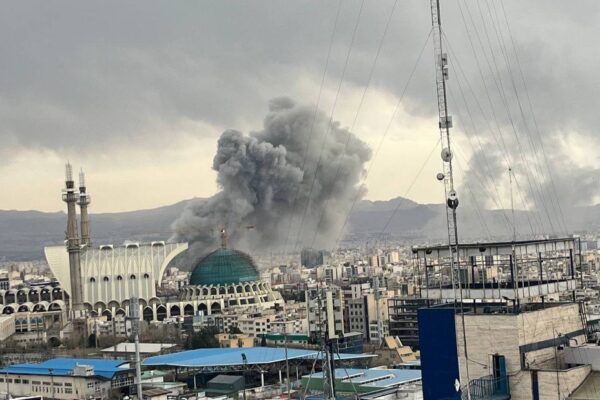
The recent escalation of tensions between the United States, Israel, and Iran threatens not only the geopolitical stability of the Middle East but also global energy markets. While oil prices have surged and maritime insurers have restricted war-risk coverage in the Persian Gulf, experts warn about the fragility of the Iranian regime and the possible scenarios following the departure of Supreme Leader Ali Khamenei. In this context, Venezuela emerges as a strategic actor capable of influencing global crude supply, in the event of prolonged disruptions in the Strait of Hormuz.
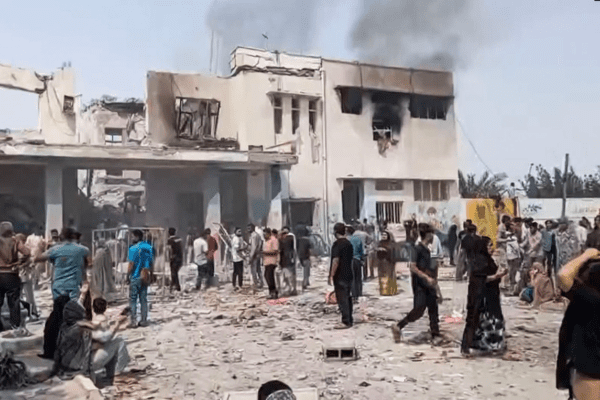
Since the early hours of Saturday, the armed forces of the United States and Israel bombed several targets inside Iran, which has already responded with bombings on military bases of the former in the region.
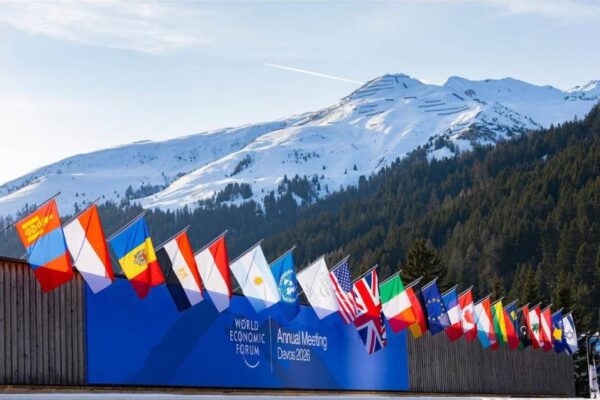
The World Economic Forum returns to Davos from January 19 to 23, 2026, for its 56th edition, in an international context described by the organizers themselves as one of “maximum tension.” Chosen decades ago as the quietest month in the political calendar, January no longer offers respite: latent wars, open strategic rivalries, and a fragmented global economy turn Davos into a setting where dialogue is urgent, but also deeply uncomfortable.
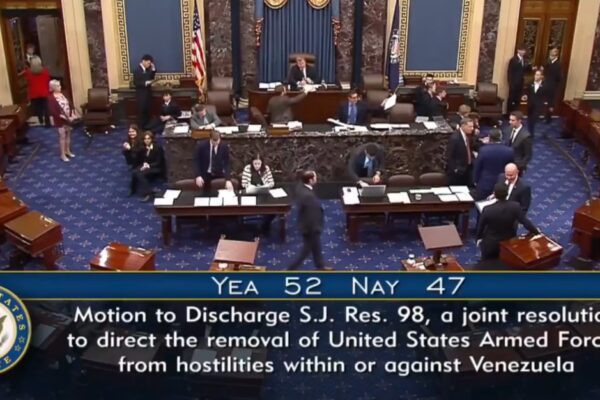
A narrow bipartisan vote in the upper chamber has reopened the debate over who decides matters of war in the United States, following the surprise military operation in Venezuela and amid growing concerns about the president’s foreign ambitions.