
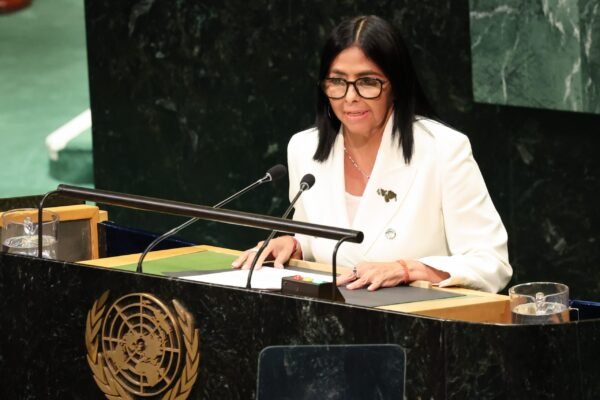
The Axes of Delcy Rodríguez’s New Foreign Policy
The foreign policy of Venezuela governed by Delcy Rodríguez demands fundamental attention due to the regional and global implications that its configuration will have.


In this section, we invite experts, as well as political and economic actors, in politics of all colours, to contribute to debate and objective analysis in Venezuela.
The foreign policy of Venezuela governed by Delcy Rodríguez demands fundamental attention due to the regional and global implications that its configuration will have.

Iran’s 20th-century history leaves two precedents for today’s Venezuela.
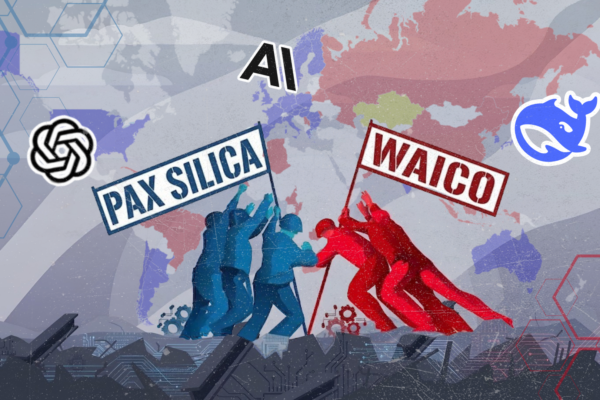
Venezuela signed on as a founding member of the AI organization spearheaded by China.
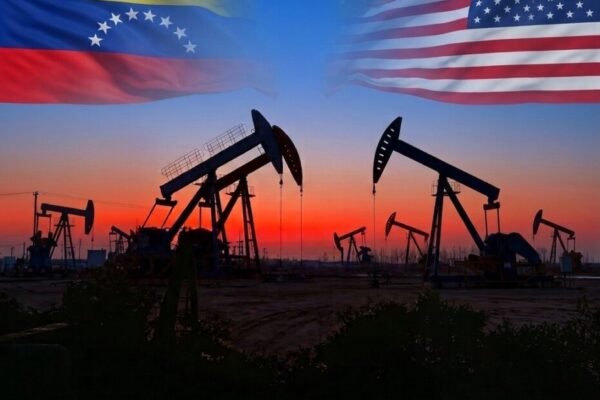
The new scenario configures a country that has shifted its dependence from former allied powers to a new pragmatic link with the government of Donald Trump.
The new currents of thought that study the processes of spatial occupation and the new urban geography attribute to the development of cities and regions.
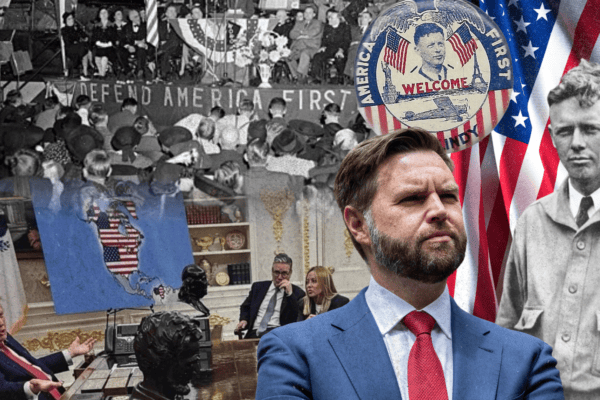
Since its origins, despite the fact that the America First ideological current prefers fewer foreign adventures, it does promote a greater presence in the Western Hemisphere.
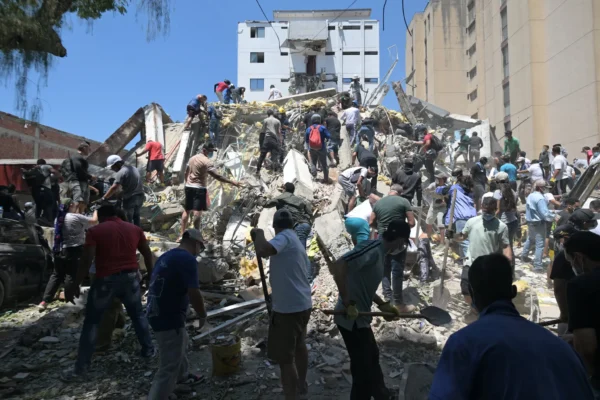
In the face of the recent earthquake’s magnitude in Colombia, President Abelardo de la Espriella is working to coordinate humanitarian…
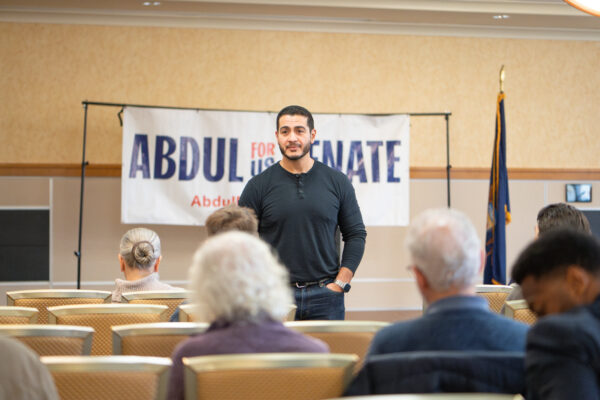
The movements on the left wing of the Democratic Party, including the DSA, have grown substantially in the recent primaries.
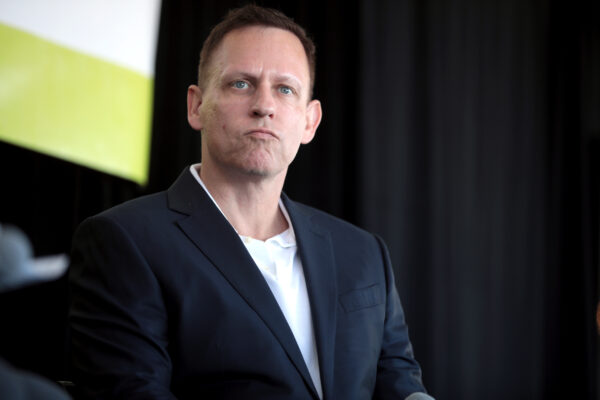
Peter Thiel, venture capitalist and now also one of the leaders of the new techno-right in the United States, has his sights set on Venezuela.
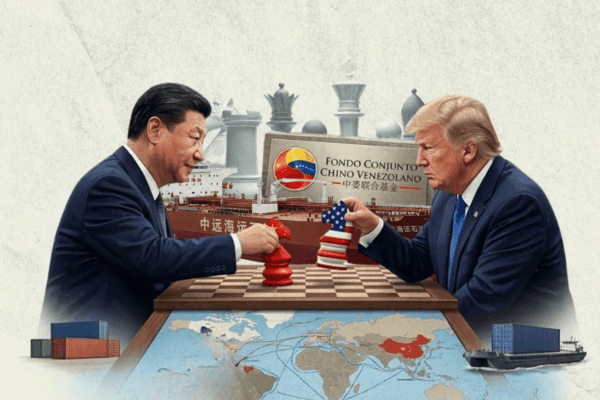
China owns a relatively modest portion of Venezuela’s external debt, but could invoke a veto power.