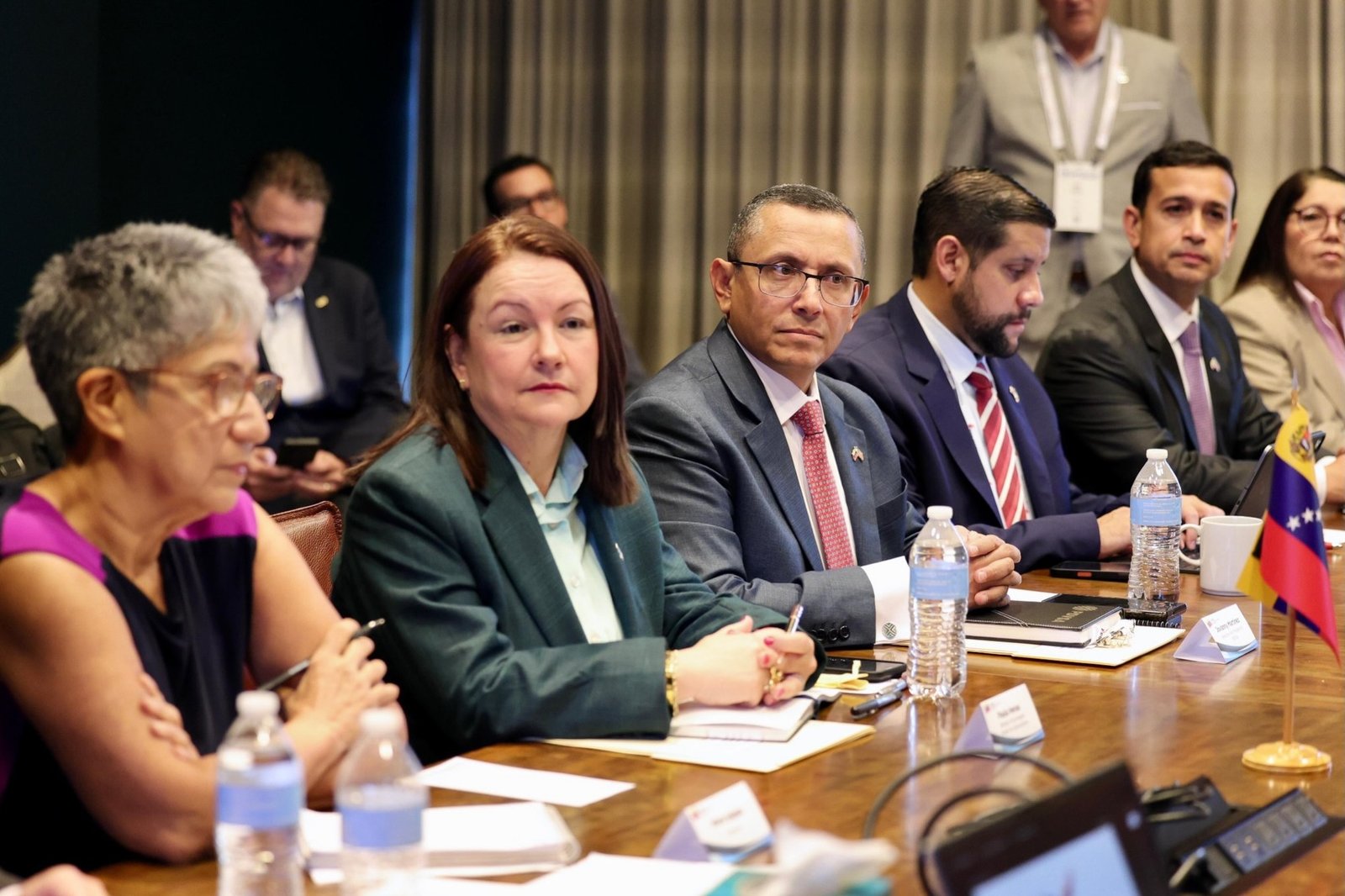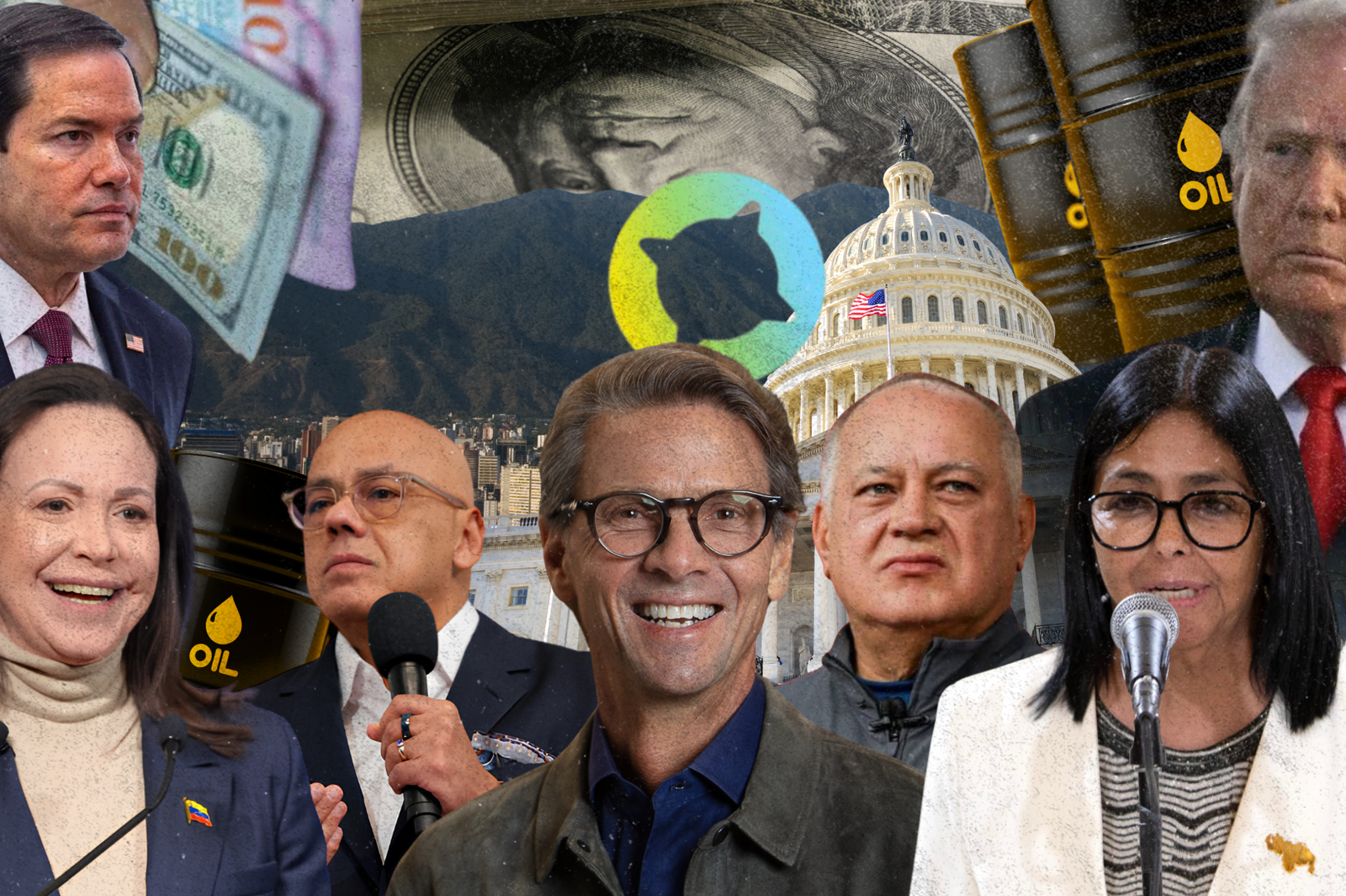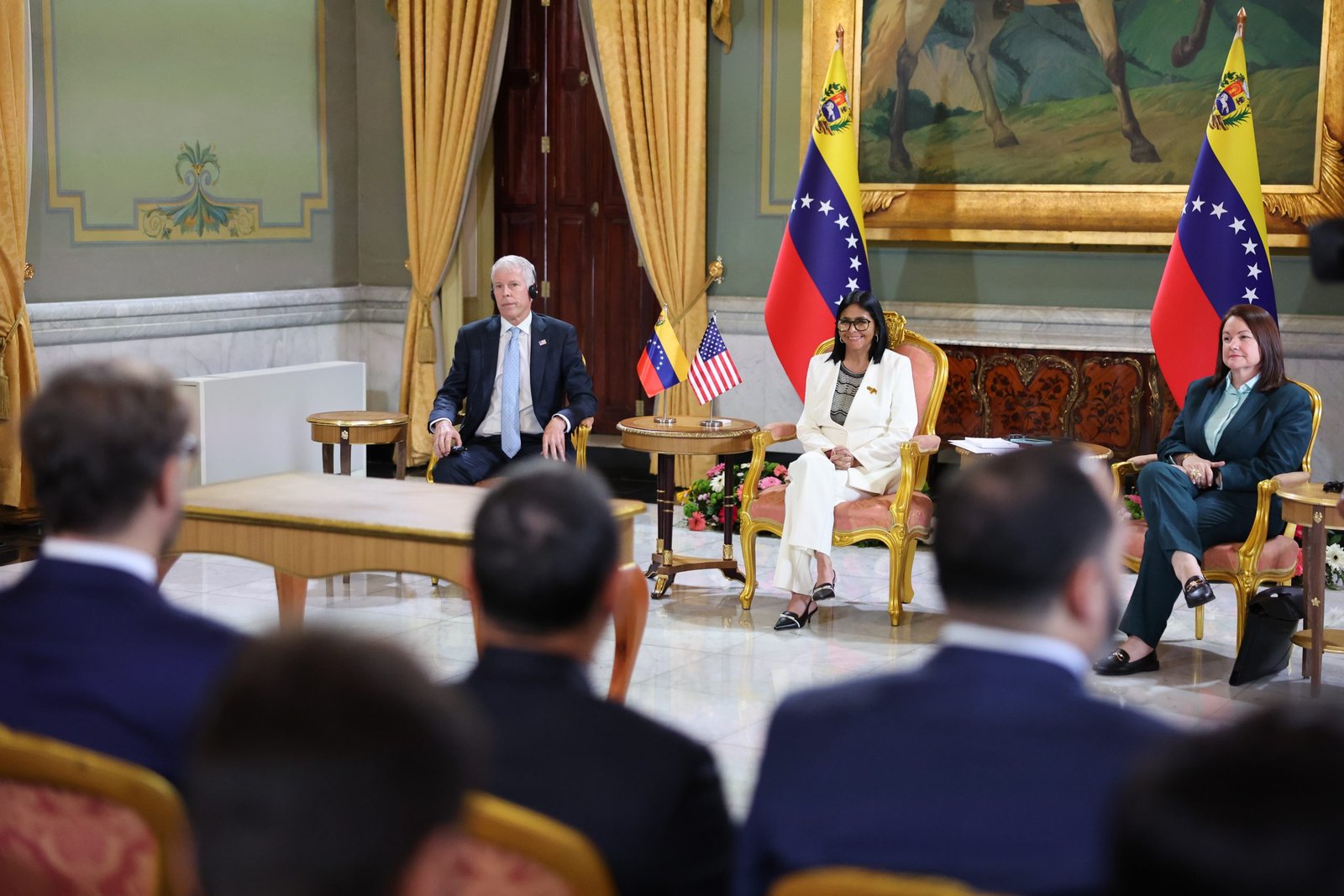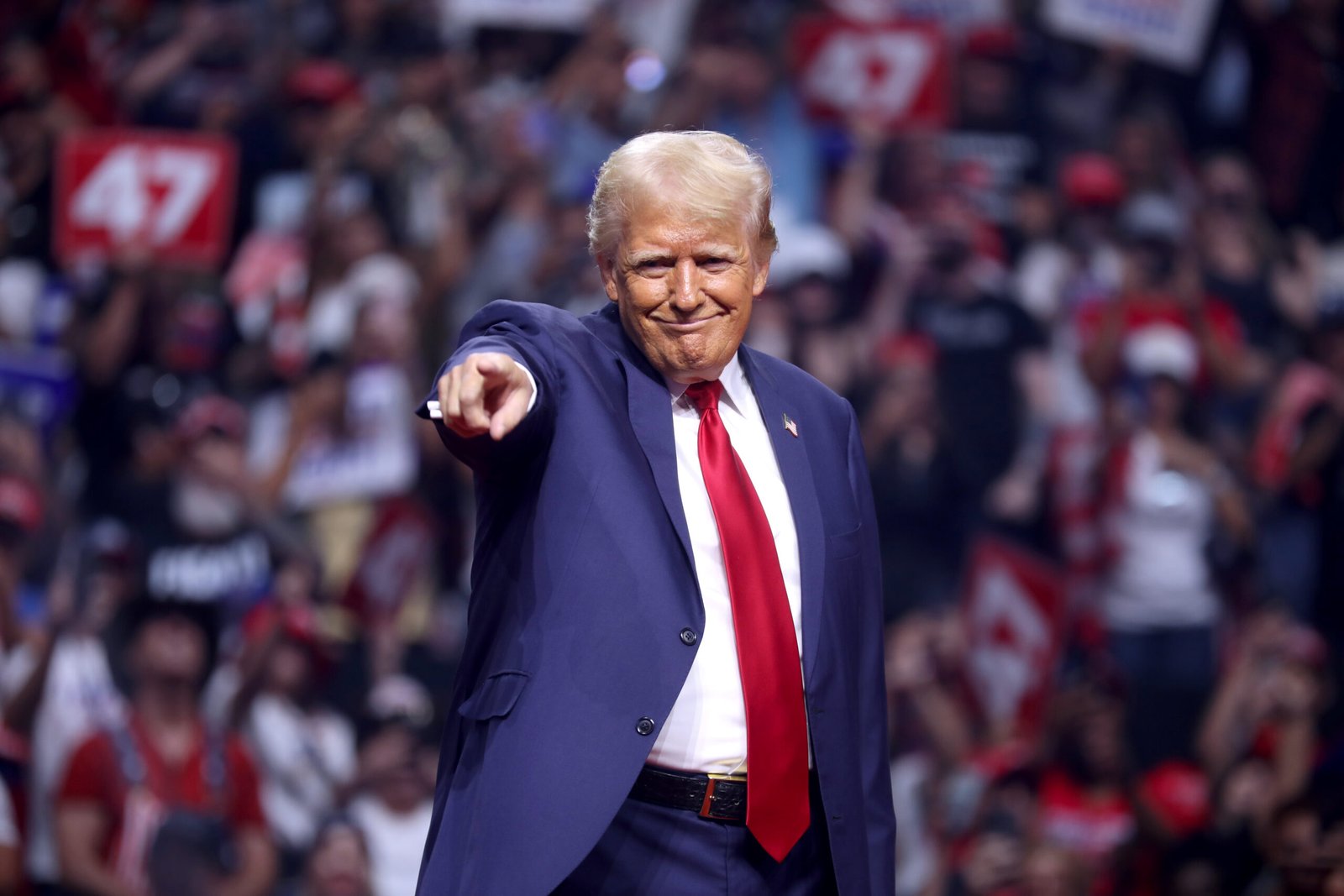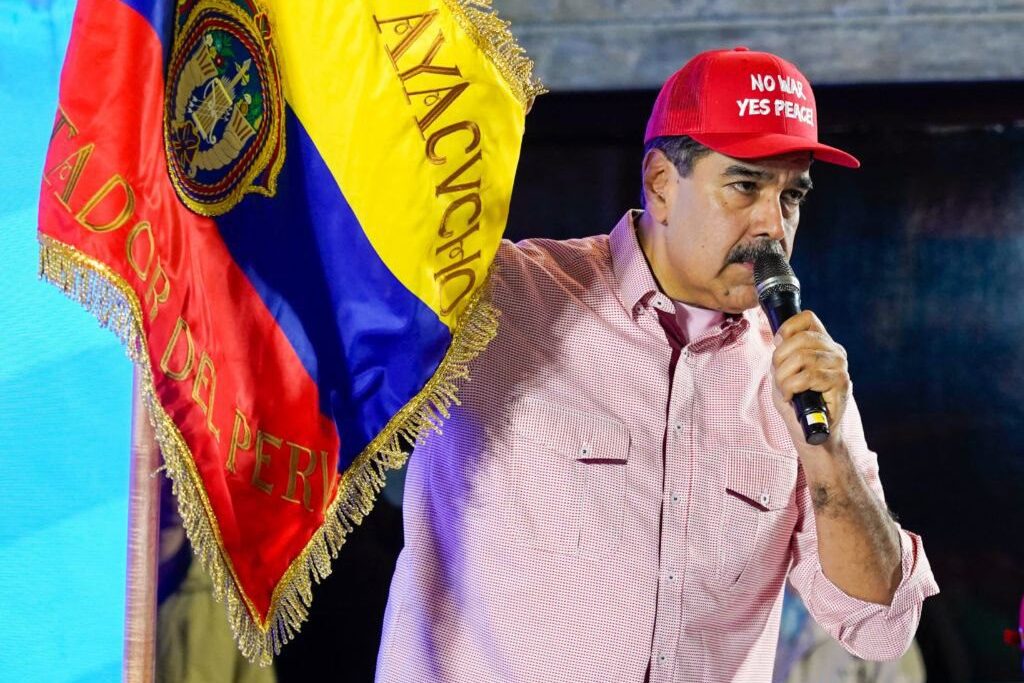
With an emphasis on sovereignty, repudiation of the U.S. position and institutional cohesion, different representatives of the State publicly expressed themselves in support of the official narrative. Photo: Presidential Press.
Guacamaya, December 17, 2025. On the day of the commemoration of the 195th anniversary of the death of the Liberator Simón Bolívar, multiple actors of the Venezuelan National Public Power unanimously condemned the statement of the President of the United States, Donald Trump, shared this Tuesday, which orders “a total and complete blockade of all authorized oil tankers entering and leaving Venezuela.”
The U.S. president’s action has been justified by the alleged “theft of assets, oil and land” by Venezuela, in Trump’s own words. This argument was also supported by the Deputy Chief for Policy and National Security Advisor, Stephen Miller, which sets up a scenario of higher tensions.
The expectation persists, especially in the face of Trump’s speech tonight at 8:00 PM (Venezuela time), according to U.S. journalist Tucker Carlson, who warned about a possible announcement of war against Venezuela by the president of the United States.
From diplomatic denunciation to oil “normality”
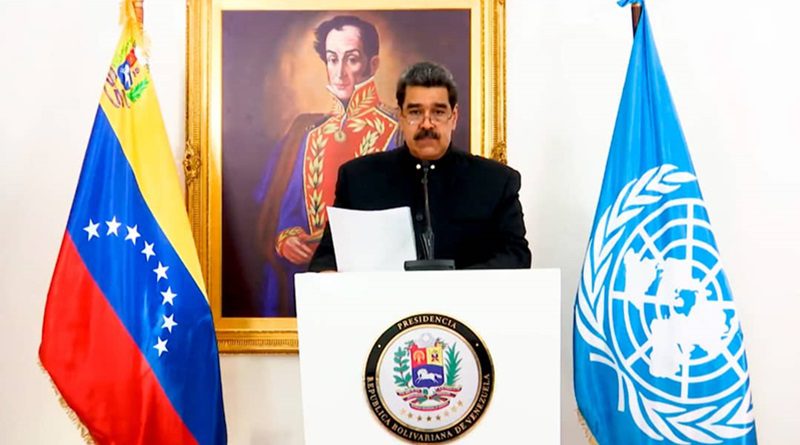
The Venezuelan government led the official responses, especially after the release of the phone call between President Nicolás Maduro and UN Secretary-General António Guterres. According to a government statement, the Venezuelan president denounced Trump’s “threats” against Venezuela during the conversation.
The official document also stated that Trump maintained in an “unacceptable” way that Venezuelan oil, natural resources and territory belong to the United States, warning of repercussions for “regional peace.” The text notes that Guterres reiterated the importance of respecting international law and acting with restraint to reduce tensions.
Earlier, the Bolivarian National Armed Forces (FANB) “categorically” rejected Trump’s delusional statements, while cataloging his naval blockade order as a “vulgar act of piracy.” The statement, read by Minister Vladimir Padrino López, denounced the action as an “act of aggression” that violates the Constitution and forces the defense of territorial integrity
The state-owned Petroleos de Venezuela (PDVSA), despite the announced blockade, reported that its exports of crude oil and derivatives “are developing normally” despite the announced blockade. In this regard, he also stressed that ships sail with “total logistical and operational protection” under international law.
The statement from the Venezuelan state-owned company was shared by its president Delcy Rodríguez, also Minister of Hydrocarbons and Executive Vice President of Venezuela. The text minimizes the immediate impact, which seeks to project economic stability and confidence in the industry.
Citizen and Legislative Power Unified in Rejection of the Naval Blockade
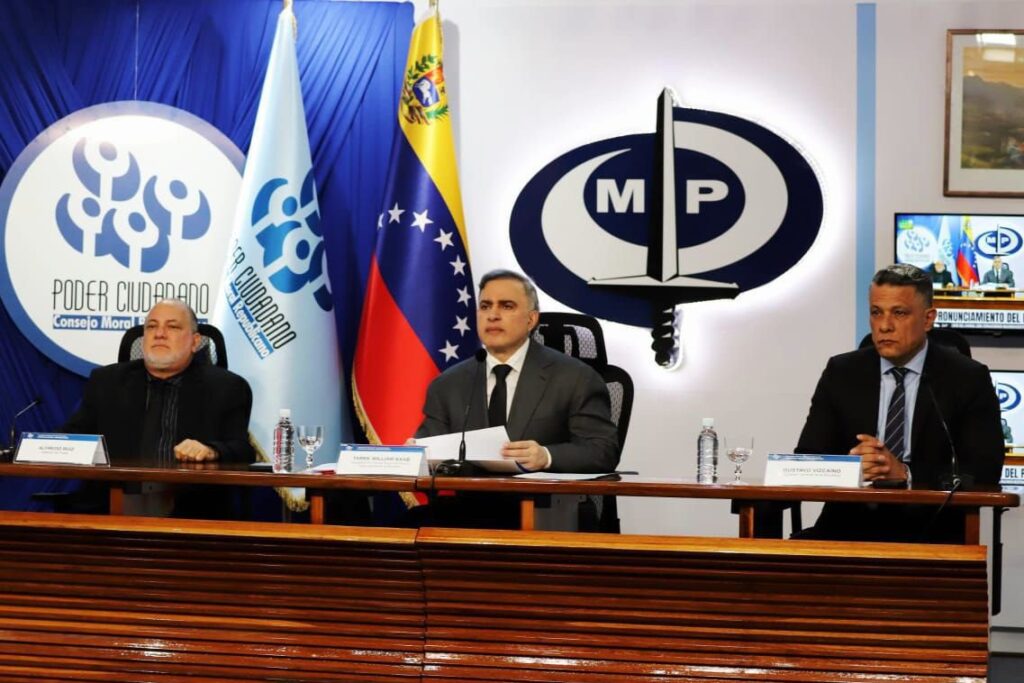
On the other hand, the Citizen Power, made up of the Public Prosecutor’s Office, the Comptroller General of the Republic and the Ombudsman’s Office, jointly rejected the “new aggression against Venezuelan sovereignty” during a speech led by Attorney General Tarek William Saab. In the speech, they described the blockade as a violation of free trade and navigability, for which international repudiation and global solidarity were demanded.
Meanwhile, the National Assembly approved a “Draft Agreement” in repudiation of Trump’s “extravagant statements”, after debating it in extraordinary session. The person in charge of presenting the project was the ruling party deputy Tania Díaz, who described the statements of the U.S. president as an attempt to “steal Venezuela’s oil, lands and minerals.”
In the face of tensions, the Public Power maintains a unified position of rejection, which reinforces the official narrative of patriotic defense and sovereignty, in addition to seeking to project institutional cohesion and stability in oil transactions, the main source of economic income in the country.