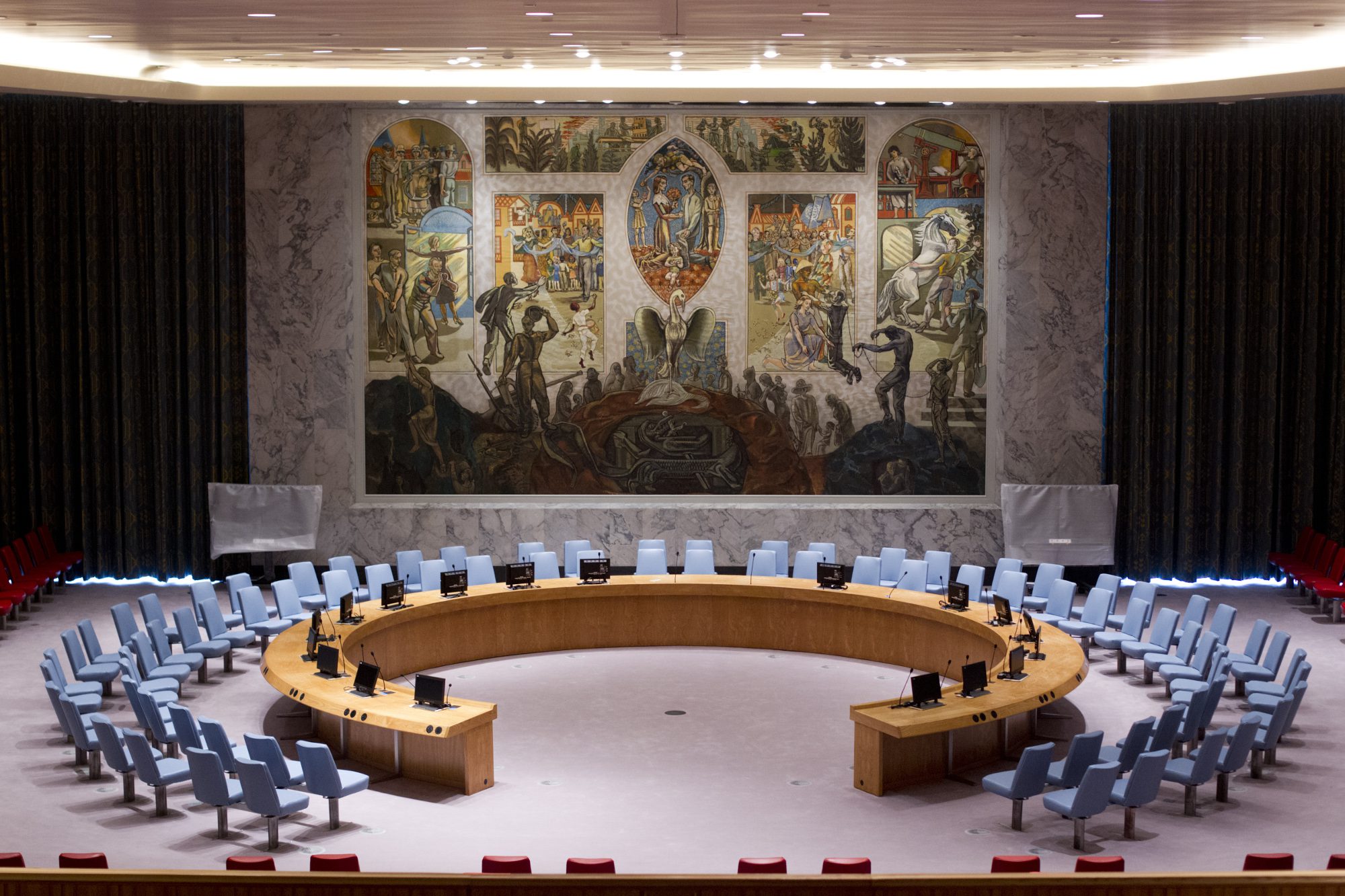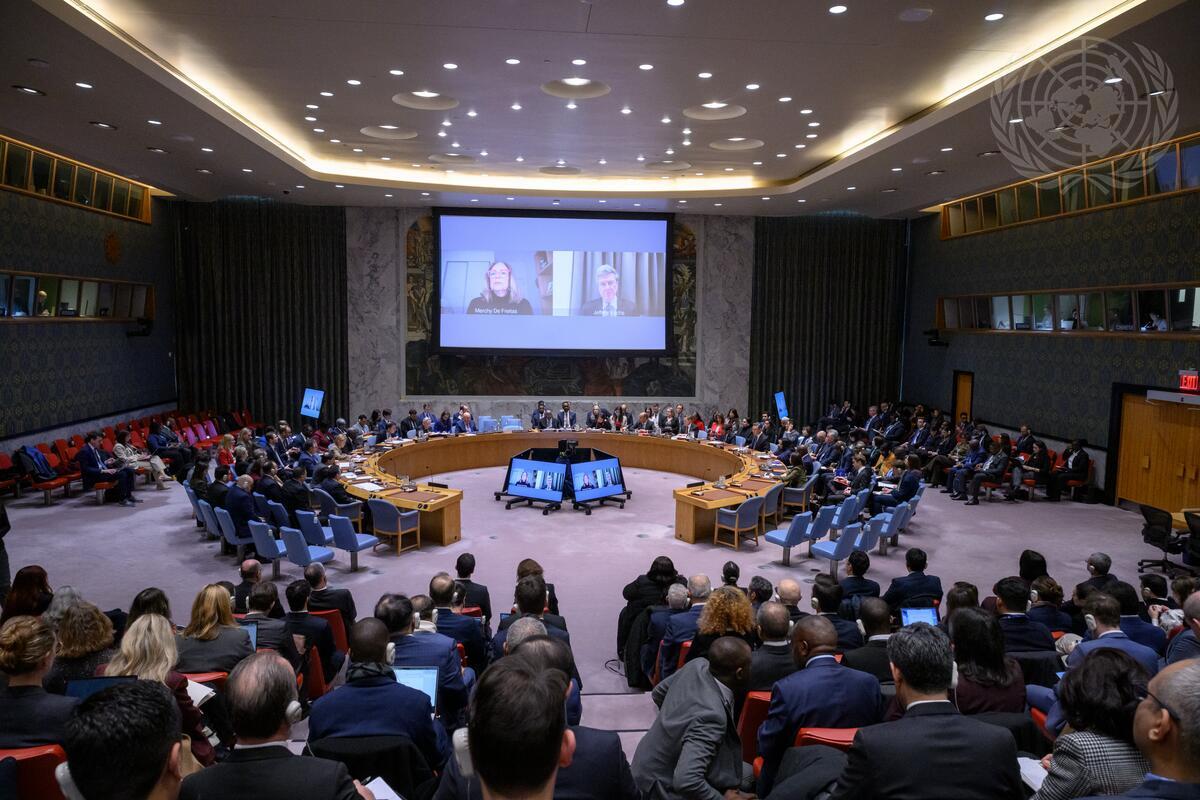
The United Nations Security Council in New York, during its emergency session on Venezuela. Photo: Permanent Mission of the Russian Federation to the United Nations.
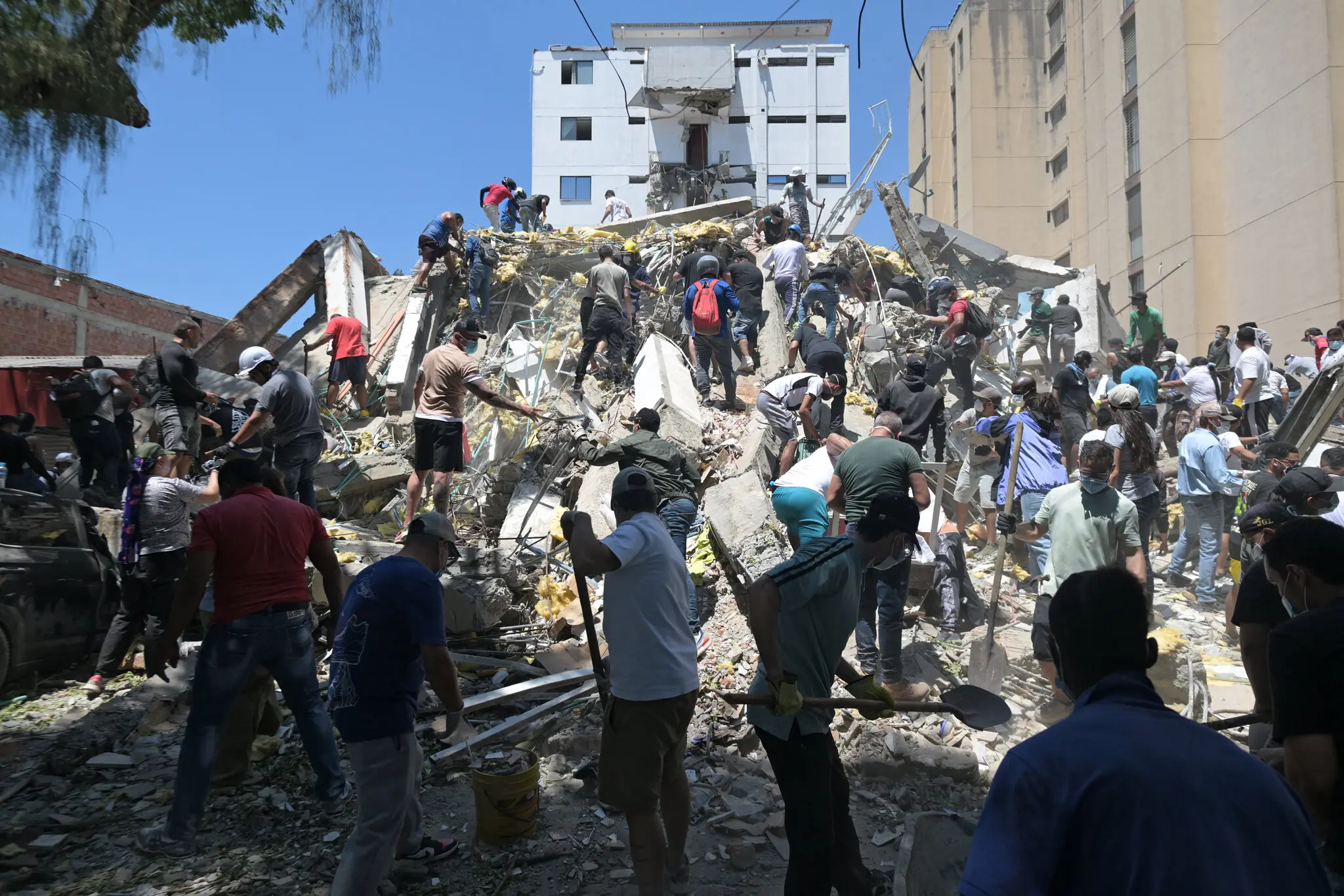
Guacamaya, January 5, 2026. The United Nations Security Council met this Monday in an emergency session requested by Venezuela following the bombing of Caracas by the United States and the capture of President Nicolás Maduro and his wife, Cilia Flores.
The meeting, which began at 10:00 a.m. New York time, was marked by sharp divisions among member states, with widespread condemnations of the use of force and calls for the release of the Venezuelan leader, alongside explicit support for the U.S. operation on the grounds of combating narco-terrorism and restoring democracy.
Context and scope of the Security Council session
The emergency session of the Security Council was convened at the request of the Venezuelan government after the U.S. military intervention of January 3, which included bombings in Caracas and the detention of the de facto president. Such extraordinary meetings are triggered when a member state considers that there is a serious threat to international peace and security. In this case, the debate revolved around the legality of the use of force, the immunity of heads of state, respect for national sovereignty, the self-determination of peoples, and the regional impact of a unilateral military action in Latin America and the Caribbean, a region declared a “zone of peace” by CELAC. The session exposed deep fractures within the Council and reignited debate over multilateralism, the validity of the UN Charter, and the role of major powers in the international order.
The position of the UN Secretary-General
Before the formal start of the Council meeting and immediately after the military intervention ordered by U.S. President Donald Trump, UN Secretary-General António Guterres expressed grave alarm over the military attack against Venezuela. He said the action set a “dangerous precedent” and came after months of rising tension, including a significant military deployment off Venezuela’s coast and a series of lethal attacks against alleged drug-trafficking vessels.
Nicaragua
Nicaragua’s ambassador to the UN reaffirmed that Latin America and the Caribbean constitute a zone of peace, as declared by the Community of Latin American and Caribbean States (CELAC), and stressed that this status must be respected by all governments, especially members of the Security Council responsible for maintaining international peace and security.
In his remarks, Jaime Hermida Castillo endorsed the statements of Venezuela’s interim president, Delcy Rodríguez, and demanded the “immediate” release of President Nicolás Maduro and his wife, Cilia Flores. The diplomat emphasized the obligation of all member states to respect international law, sovereignty, self-determination, territorial integrity, and the principle of non-interference in the internal affairs of other countries.
Nicaragua expressed its full support for Venezuela and highlighted the need to restore peace as an expression of the dignity of all peoples.
Paraguay
Paraguay’s ambassador to the UN warned that his country had previously alerted the international community to the situation in Venezuela under the leadership of Nicolás Maduro, whom he described as the “leader of a criminal organization” designated as “terrorist” by Paraguayan authorities.
He argued that Maduro’s continued hold on power represented a threat to regional stability and stated that his removal should immediately give way to the restoration of democracy and the rule of law. The diplomat stressed that Venezuela’s reconstruction must be based on the popular will expressed at the ballot box and called for the urgent release of all political prisoners.
Paraguay said it would continue to closely monitor developments, encouraging an orderly democratic transition guided by the principles of the rule of law, social peace, and respect for democratic values.
Mexico
Mexico’s ambassador to the Security Council condemned the January 3 military action against targets in Venezuelan territory, considering it a violation of Article 2 of the UN Charter and a direct blow to multilateralism.
Héctor Vasconcelos underscored that the prohibition of the use or threat of force is a fundamental principle of international law, without exceptions, and warned that any rhetoric aimed at military escalation endangers regional stability. He recalled that it is for peoples themselves to decide their destiny through peaceful, democratic, and negotiated solutions, and rejected regime changes driven by external actors and extraterritorial measures.
He also highlighted the Security Council’s responsibility to act firmly and without double standards in the face of serious violations of the UN Charter. Mexico reaffirmed its pacifist vocation and its commitment to Latin America and the Caribbean as a zone of peace, calling for strengthened dialogue, negotiation, and the role of the UN Secretary-General to preserve international peace and security.
Brazil
Brazil categorically rejected the armed intervention in Venezuela, describing it as a “flagrant violation of the United Nations Charter” and warning that “the bombings and the capture of its president cross an unacceptable line.”
The Brazilian delegation stated that these acts constitute a grave affront to Venezuela’s sovereignty and set an extremely dangerous precedent for the international community. It warned that accepting such actions would inevitably lead to a scenario marked by violence and the erosion of multilateralism, recalling that the world currently faces 61 active armed conflicts and 117 million people in humanitarian catastrophe.
Brazil emphasized that international norms do not allow exceptions based on interests and rejected the idea that the exploitation of natural resources could justify the use of force or the illegal change of a government. It strongly defended Latin America as a zone of peace and expressed particular alarm given that this was an external armed aggression against a neighboring country with which Brazil shares more than 2,000 kilometers of border.
Brazil stated that resorting to force in the region evokes chapters of history thought to have been overcome and argued that the solution for Venezuela must respect the self-determination of the Venezuelan people, not the creation of “protectorates.” It concluded by demanding that the Security Council “respond with determination” to prevent the law of force from prevailing over the force of law.
Chile
Chile’s ambassador to the UN expressed deep concern and condemned the unilateral military actions of the United States on Venezuelan territory, considering them contrary to international law.
Paula Narváez Ojeda reaffirmed her country’s commitment to sovereignty, territorial integrity, the peaceful settlement of disputes, and the prohibition of the use of force. While reiterating that Chile does not recognize Nicolás Maduro’s government, she argued that serious human rights violations in Venezuela cannot be resolved through military means, but through peaceful, gradual, and inclusive processes, with free elections and international accompaniment.
She warned that an armed conflict would have devastating humanitarian consequences and would worsen the regional displacement crisis, and stressed the need to strengthen multilateral efforts to confront transnational organized crime and preserve Latin America and the Caribbean as a zone of peace.
Argentina
Argentina’s ambassador to the UN expressed his country’s support for the actions taken by the United States government in Venezuela, which resulted in the capture of Nicolás Maduro, whom he described as a “dictator” and leader of organizations designated as terrorist by Argentina in 2025.
He argued that these measures represent a significant step forward in the fight against narco-terrorism in the region and stated that Maduro’s regime has systematically violated Venezuelans’ rights, destroyed democratic institutions, and posed a regional threat through drug-trafficking and organized crime networks.
Venezuela
Venezuela’s ambassador to the UN, Samuel Moncada, declared that the U.S. military intervention constitutes an “act of aggression” under the UN definition. He asserted that international peace can only be sustained if international law is respected without exceptions or double standards.
Moncada emphasized that the abduction of a sitting head of state violates personal immunity, an institutional guarantee that protects the sovereignty of all states. He stated that Venezuela is a victim of U.S. aggression because of its natural wealth and warned that the use of force to control resources, impose governments, or redesign states recalls the worst practices of colonialism and neo-colonialism.
He concluded that what is at stake is not only Venezuela’s sovereignty, but also the credibility of international law, the authority of the UN, and the validity of the principle that no state can act as judge, jury, and executioner of the world order.
Panama
Panama’s ambassador expressed concern over the situation and its potential impact on regional peace and stability. He reaffirmed his country’s historic commitment to multilateralism, state sovereignty, and respect for international law.
Eloy Alfaro de Alba stated that Venezuela is experiencing a serious crisis marked by the disregard for popular will and authoritarian practices, which is why Panama does not recognize the regime. He demanded the immediate release of political prisoners, highlighted the regional impact of Venezuelan migration, and supported a democratic transition based on the results of the July 2024 elections, warning that there can be no peace without democratic legitimacy.
China
China’s ambassador strongly condemned the actions of the United States against Venezuela, describing them as unlawful incursions that violate the country’s sovereignty. He denounced the forced detention of the Venezuelan president and his wife, as well as threats of further military operations, which he said pose a serious threat to regional and international peace.
China accused the United States of ignoring calls from the international community and the UN Secretary-General to respect the UN Charter, prioritizing military force over multilateralism, and undermining the principles of sovereign equality and non-interference. It expressed support for the Venezuelan government and people, urged the release of the president, and reaffirmed its support for Latin America and the Caribbean as a zone of peace.
“No country can be the world’s police, nor can any state set itself up as an international judge,” the Chinese representative said.
Spain
Spain’s ambassador to the UN expressed deep concern over the situation, describing it as an alarming precedent with regional and international implications. He stressed that Venezuela’s natural resources are part of its sovereignty.
Héctor Gómez reiterated the importance of respecting the UN Charter and argued that the fight against organized crime and the defense of human rights can only be addressed through international cooperation and dialogue, not military imposition. He recalled that Spain did not recognize the results of the July 2024 elections and has protected persecuted opposition leaders.
United States
The U.S. ambassador to the UN, Mike Waltz, denied that his country is at war with Venezuela or that there is an occupation. He stated that the detention of Nicolás Maduro reflects the arrest of a “drug trafficker” who will be tried for crimes committed against the American people over the past fifteen years.
He accused Maduro and his associates of manipulating Venezuela’s electoral system and questioned whether the UN should grant legitimacy to what he called an “illegitimate narco-terrorist.” He maintained that the United States seeks a better future for the Venezuelan people through regional stabilization.
Russia
Russia’s Permanent Representative, Vassily Nebenzia, firmly condemned the U.S. armed aggression against Venezuela and demanded the immediate release of the Venezuelan president and his wife. He denounced Washington’s cynicism, accusing it of seeking control over Venezuela’s natural resources and promoting neo-colonialism.
Russia expressed solidarity with the Venezuelan people and called on the international community to reject the methods of U.S. military foreign policy, warning that what has occurred puts at stake the future of the international order and of the United Nations itself.
United Kingdom
The United Kingdom’s representative to the Security Council stated that his country considers a democratic transition in Venezuela necessary and argued that it must respect the popular will expressed at the ballot box. He emphasized that any process of political change must be based on democratic mechanisms and contribute to regional stability.
France
France’s delegation stated that the political transition in Venezuela must be peaceful and led by Venezuelans themselves. It emphasized that only an internal process, without external imposition and grounded in political and negotiated solutions, can lead to a sustainable way out of the crisis.
Denmark
Denmark’s representative to the UN called for Nicolás Maduro to be held accountable for the “crimes perpetrated against Venezuelans” during his tenure, referring to serious human rights violations. He stressed the need for international accountability and mechanisms to ensure responsibility for Venezuelan authorities.
Latvia
Latvia’s delegation stated that Nicolás Maduro does not represent the Venezuelan people and expressed its willingness to work with international partners to support a political transition in Venezuela. It underlined its support for multilateral efforts aimed at restoring democracy and the rule of law in the country.