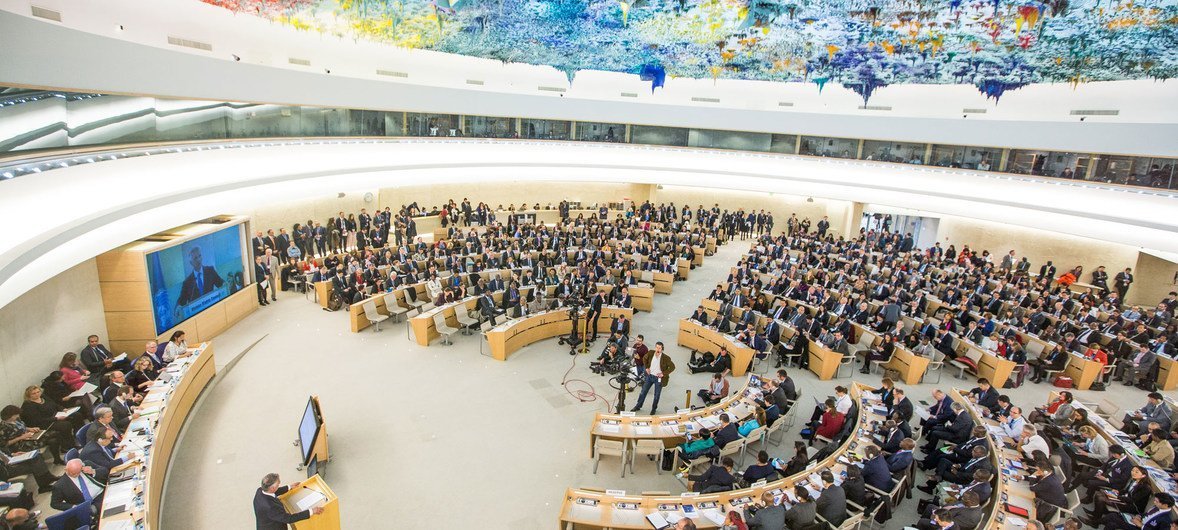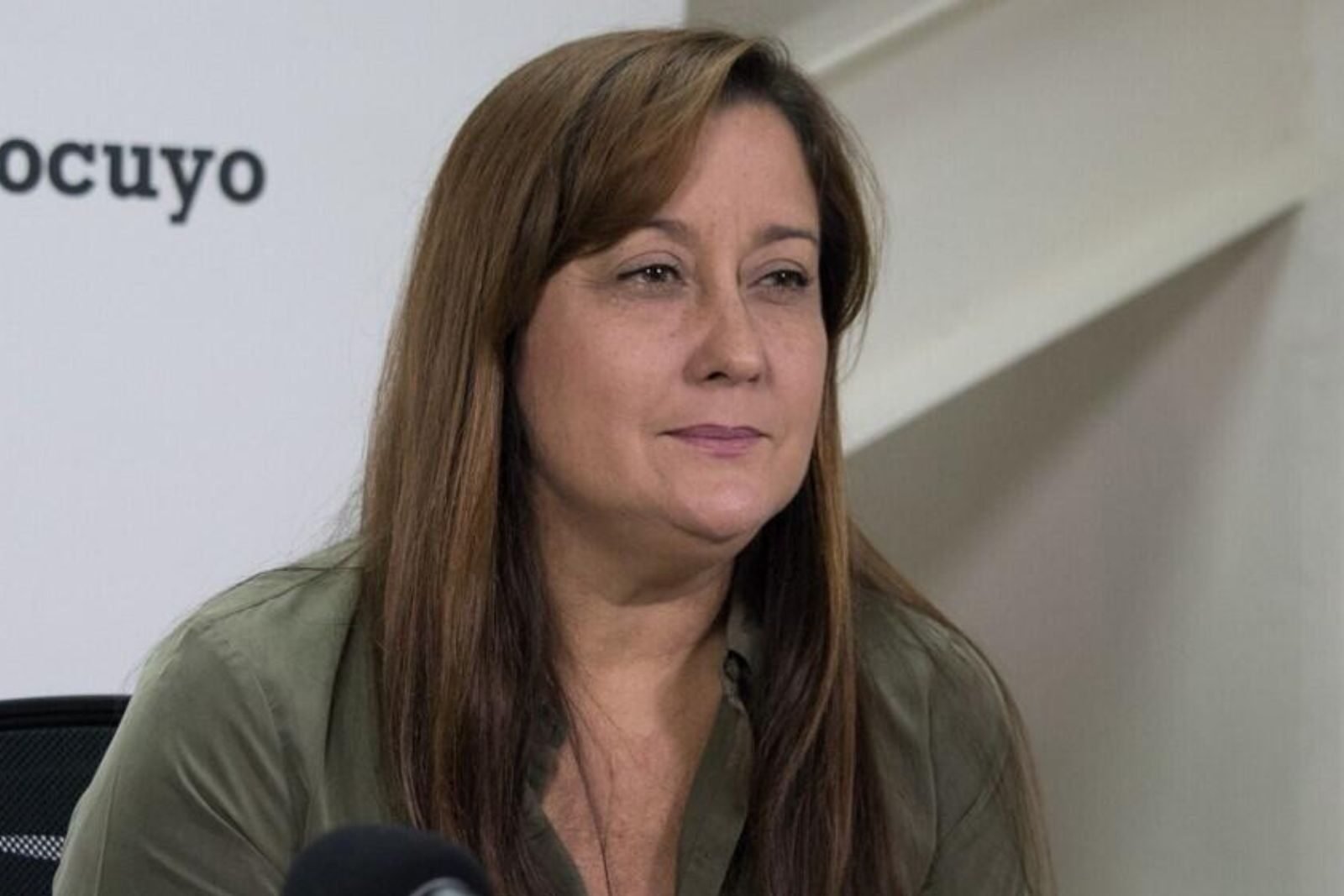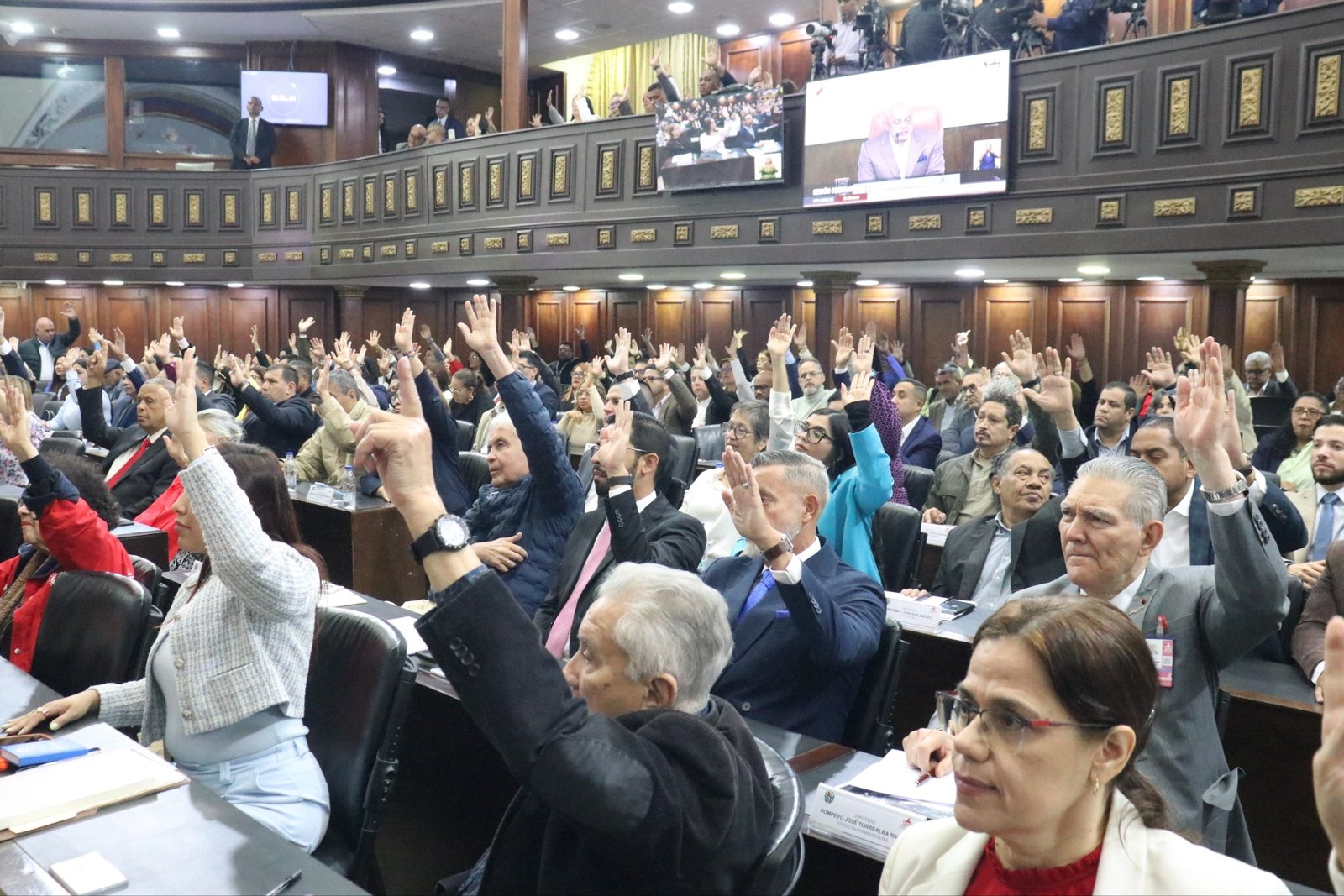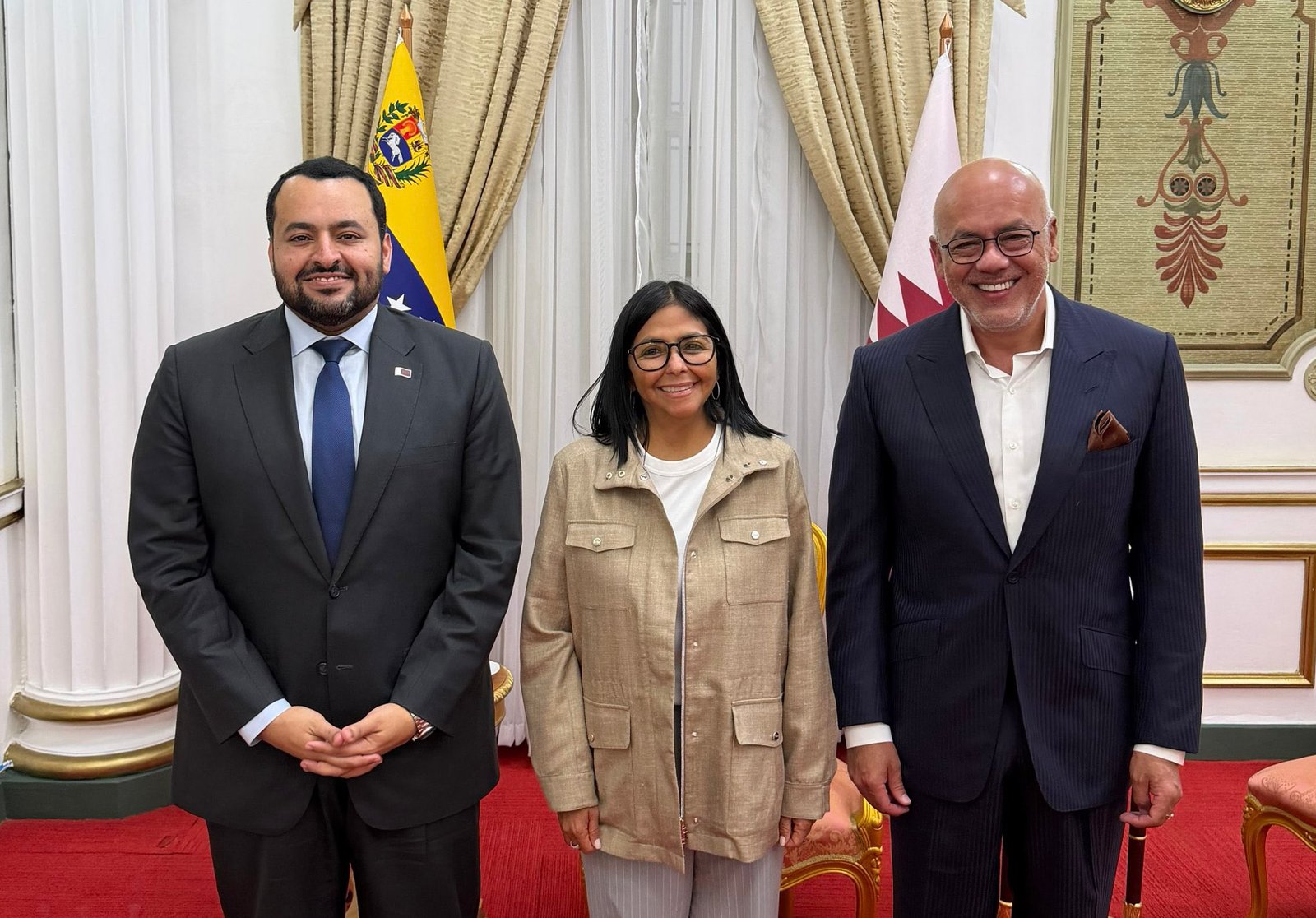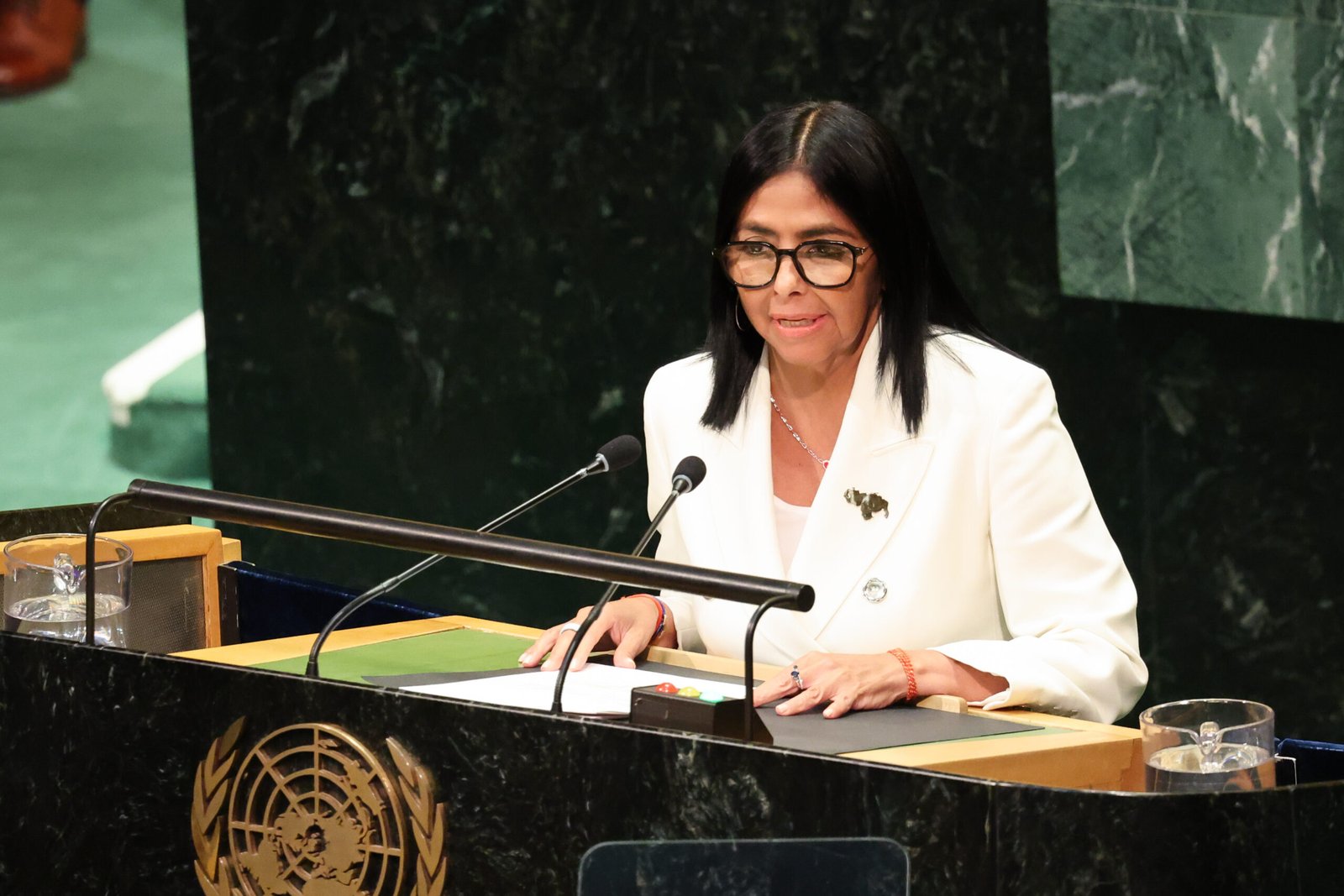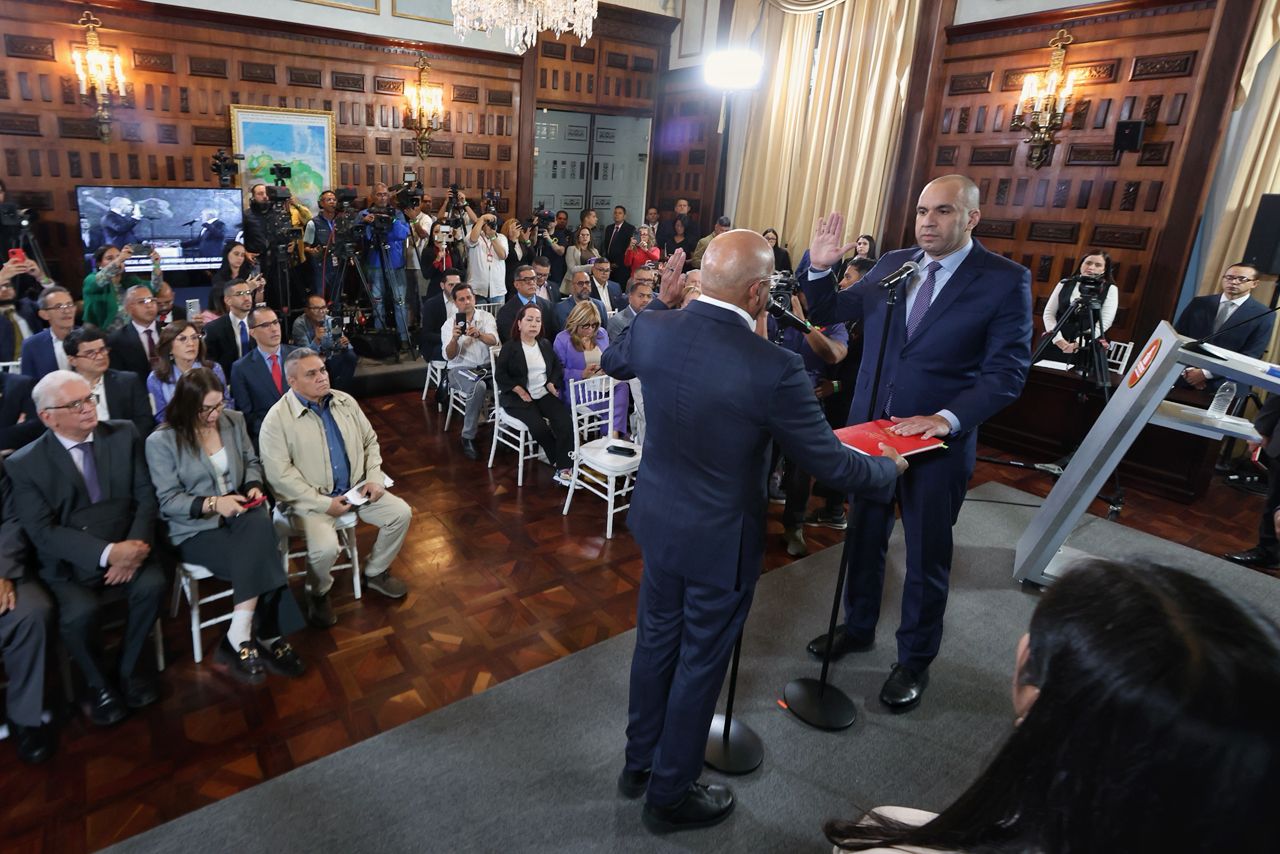
With simultaneous resignations and provisional appointments, Parliament activated the mechanism to select a new attorney general and ombudsman. Photograph: Venezolana de Televisión.
Guacamaya, February 25, 2026. Venezuela’s National Assembly (AN), with a qualified majority, appointed attorney Larry Devoe as acting Attorney General on Wednesday, after accepting the resignation of Tarek William Saab, who will now serve as interim Ombudsman following the resignation of Alfredo Ruiz, also submitted to the Legislative Branch.
During Wednesday’s ordinary session, Parliament Speaker Jorge Rodríguez announced the simultaneous resignations of Saab and Ruiz, who had been leading the Public Prosecutor’s Office and the Ombudsman’s Office, respectively. Rodríguez presented both resignation letters and thanked them for their service within the Citizen Power branch. “They knew how to carry out their responsibilities,” he said.
How are Citizen Power authorities selected?
Rodríguez explained that it is Parliament’s duty to support the State and make the necessary adjustments to fill vacancies. “Traditionally, the vice prosecutor assumes the role temporarily. It turns out there is no vice prosecutor, so we will proceed to select an acting authority for both positions while the nomination committee is activated,” he stated.
Following this, Rodríguez announced the creation of a preliminary committee tasked with appointing new Citizen Power authorities. Meanwhile, the Assembly moved forward with selecting an acting attorney general and an acting ombudsman. This is how Devoe and Saab were approved—by qualified majority—to temporarily lead their respective institutions.
In parallel, the Assembly appointed the Preliminary Committee, composed of 13 lawmakers: Giuseppe Alessandrello (PSUV/La Guaira), Rodbexa Poleo (PSUV/Falcón), Gloria Castillo (PSUV/Guayana Esequiba), Willy Medina (PSUV/Táchira), Carlos Mogollón (PSUV/Capital District), Carolina García Carreño (PSUV/Lara), José Villarroel (PSUV/Carabobo), Roy Daza (PSUV/Aragua), Pablo Pérez (UNT/National), Bernabé Gutiérrez (AD/National), Julio Hernández (VVC/Cojedes), Antonio Ecarri (AL/National), and Luis Augusto Romero (AD/National).
This committee must present to the plenary, within 30 days or less, the list of eligible candidates for the positions of Attorney General and Ombudsman.
Who is Larry Devoe?
Larry Daniel Devoe Márquez, 46, is a lawyer trained at the Andrés Bello Catholic University (UCAB), with a master’s degree in Constitutional Law, Democracy, Human Rights, and Rule of Law from the University of Alcalá de Henares (Spain), as well as specializations in Criminal Sciences and Criminalistics.
His career has unfolded within the legal and diplomatic apparatus of Chavismo, combining technical roles with high-profile political positions. Since 2014, under the vice presidency of Jorge Arreaza, he has served as Executive Secretary of the National Human Rights Council (CNDH)—a position he has held uninterruptedly to date.
From that role, he became the government’s visible face before international human rights bodies. In 2019, he was sanctioned by the Canadian government, accused of blocking the entry of Inter-American Commission on Human Rights (IACHR) investigators during a period of political conflict.
He has been part of Venezuelan delegations in forums such as the UN Universal Periodic Review and participated in the Barbados negotiation process. Earlier in his career, he worked at the National Telecommunications Commission (Conatel) between 2005–2007 and later at the Ombudsman’s Office, where he served as alternate agent before the IACHR.
In 2023, he was appointed to intervention boards of the National Superintendency of Cryptoassets (Sunacrip) and the Venezuelan Guayana Corporation (CVG). In January 2026, under Acting President Delcy Rodríguez, Devoe was named a member of the Program for Peace and Democratic Coexistence, a mechanism linked to amnesty processes and the release of political prisoners.
Tarek William Saab’s tenure at the Public Prosecutor’s Office
Tarek William Saab, 63, led the Public Prosecutor’s Office from 2017 for nearly nine years, a period marked by responses to corruption scandals, arrests of opposition figures and protesters—described as unjust by activists—and more than 3 million procedural actions during his first five years in office.
He studied law at Universidad Santa María, with postgraduate studies in Criminal Law. His ties to Hugo Chávez date back to the 1990s, when he participated in the MBR-200 and later in the Fifth Republic Movement (MVR). He was later elected as a lawmaker and member of the 1999 Constituent Assembly, where he chaired the Human Rights Commission.
In 2004, he was elected governor of Anzoátegui and re-elected in 2008, consolidating his role as a key regional figure within Chavismo. In 2014, the National Assembly appointed him Ombudsman—a process the opposition described as irregular and dominated by the ruling party. His tenure drew strong criticism from NGOs and opposition sectors during the 2014 and 2017 protests.
His decisive rise came in August 2017, when the National Constituent Assembly—an institution widely questioned and unrecognized by much of the international community—appointed him as Attorney General after removing Luisa Ortega Díaz, who had broken with Nicolás Maduro’s government.
Saab has been sanctioned by the United States, the European Union, Canada, Switzerland, and Colombia, accused of undermining democracy, covering up human rights violations, and participating in the repression of dissent. Sanctions describe him as a central figure in a system of judicial persecution and as a guarantor of impunity for security forces involved in serious abuses.