
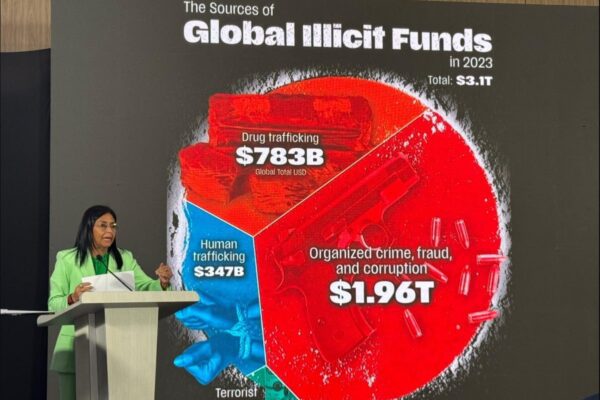
Delcy Rodríguez Claims the United States Seeks to “Justify an Armed Aggression” to “Seize Venezuela’s Wealth”
Venezuela’s Executive Vice President, Delcy Rodríguez, stated that 85% of the profits from the global illicit drug trade remain in…


Political news and analysis.
Venezuela’s Executive Vice President, Delcy Rodríguez, stated that 85% of the profits from the global illicit drug trade remain in…
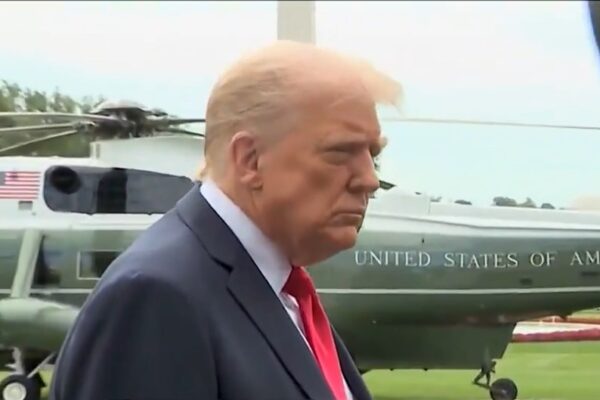
The official White House Rapid Response account shared footage of President Donald Trump as he prepared to fulfill commitments at…
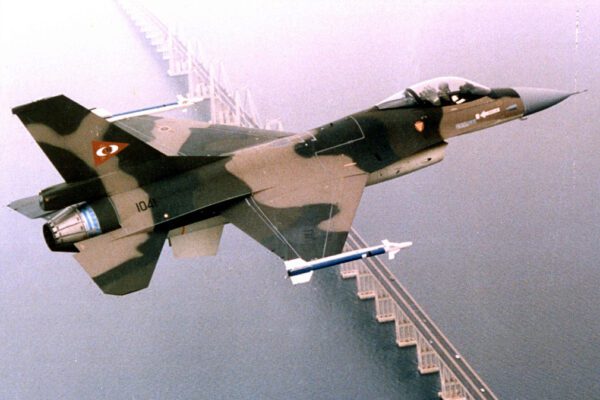
The F-16s were purchased by Venezuela in the 1980s, while its more recent aircraft are primarily of Russian design and…
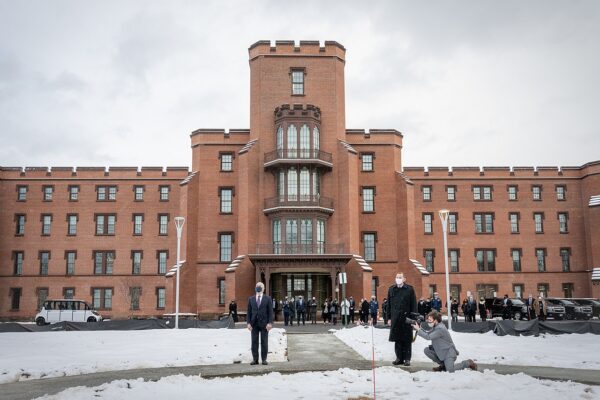
The Department of Homeland Security (DHS) had attempted to revoke protection for beneficiaries since the beginning of the year, but…
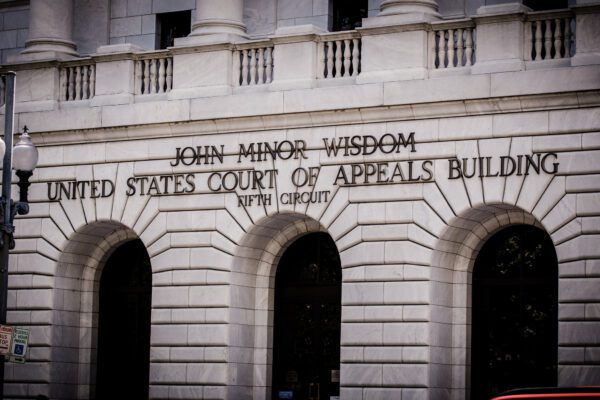
The judicial body, based in New Orleans, has blocked the application of the statute to expedite the removal of migrants…
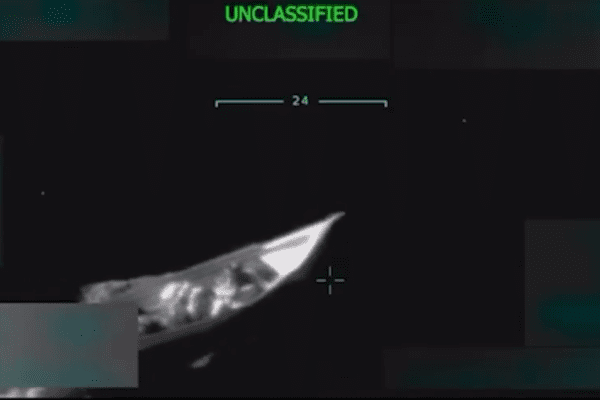
Defense Secretary Pete Hegseth said on Fox News Wednesday that military operations against drug cartels in the Caribbean will continue,.
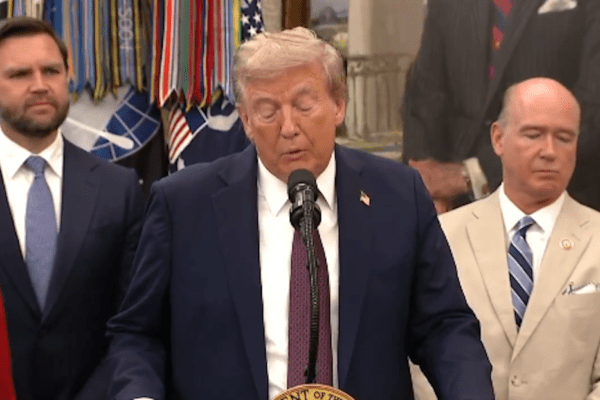
During a press conference, President Donald Trump announced that the U.S. armed forces had attacked a vessel that, he claimed, was carrying narcotics and had departed from Venezuela.
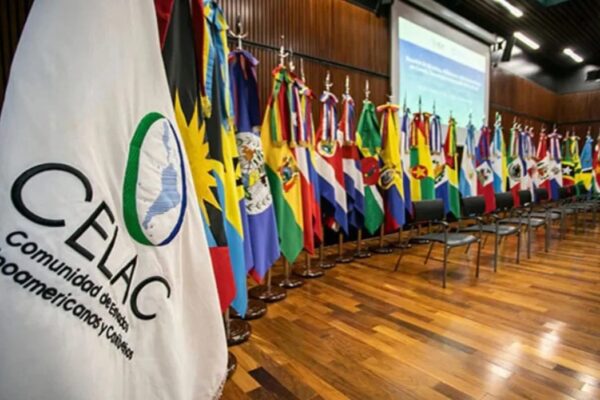
Diplomatic representatives agreed on advocating the principle of “non-interference” in the internal affairs of nations and rejecting the idea of…
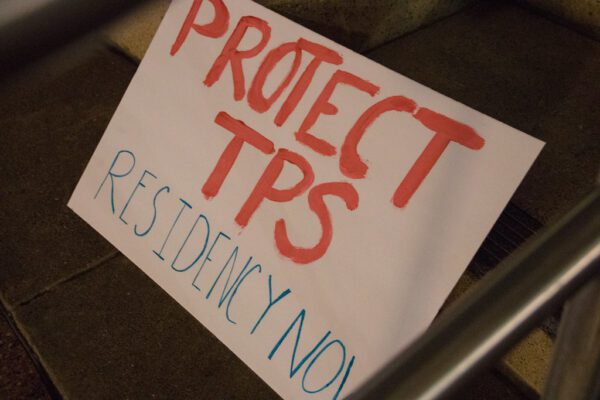
The decision keeps the benefit in place for a vulnerable community amid a context marked by renewed tensions between the…
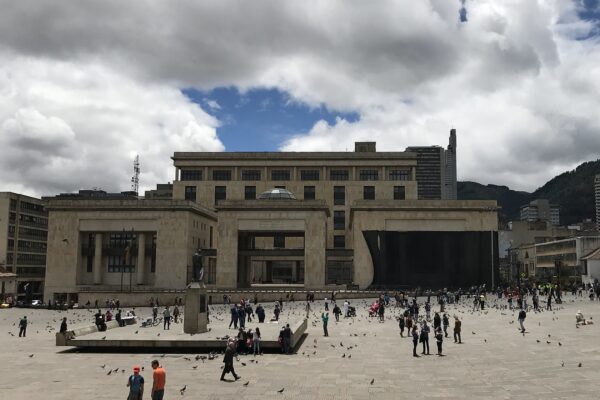
Palace of Justice in Colombia, located in the north of Bogotá, where the Constitutional Court, the Supreme Court of Justice,…