
After Maduro: The Power Delcy Rodríguez Is Building After Two Months in Government
Changes ranging from the diplomatic to the economic, including the displacement of some figures and entities, but without neglecting governance.


Political news and analysis.
Changes ranging from the diplomatic to the economic, including the displacement of some figures and entities, but without neglecting governance.
This dialogue takes place within the framework of the Program for Peace and Democratic Coexistence, an initiative launched by Acting President Delcy Rodríguez on January 23, 2026. The program aims to consolidate social, political, and economic stability in the country by promoting understanding, listening, and agreement among diverse sectors of society. The event was organized by the Free Democracy and Elections Chair, the National Understanding Project, in cooperation with the Institute for Integral Transitions (IFIT) and the Faculty of Economic and Social Sciences of the Central University of Venezuela.
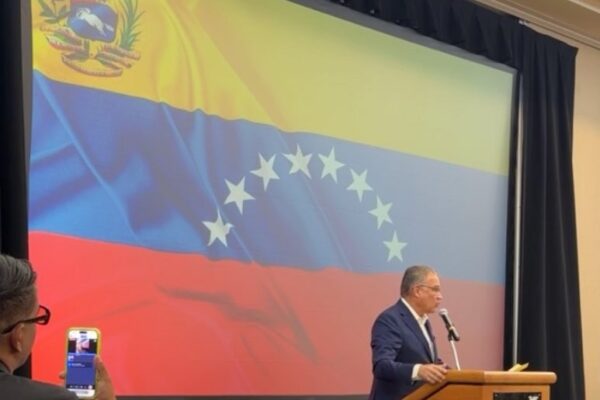
The press conference took place at the JW Marriott Hotel in Caracas, located in the El Rosal business district. The U.S. diplomatic delegation to Venezuela, headed by Laura Dogu, is staying at this hotel. From there, Enrique Márquez addressed the resignations of the Attorney General and the Ombudsman, advocated for a profound transformation of the justice system, endorsed the Amnesty Law as a first step, called for the lifting of sanctions, ruled out immediate electoral aspirations, and defined himself as a bridge between opposing factions. He also praised the international role of Gustavo Petro and José Luis Rodríguez Zapatero in the Venezuelan process.
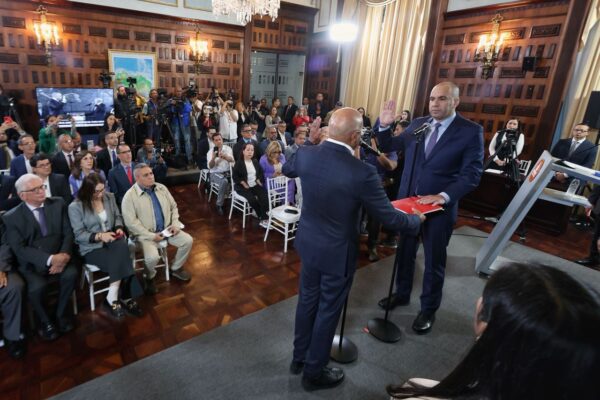
With simultaneous resignations and provisional appointments, Parliament activated the mechanism to select a new attorney general and ombudsman. Photograph: Venezolana…
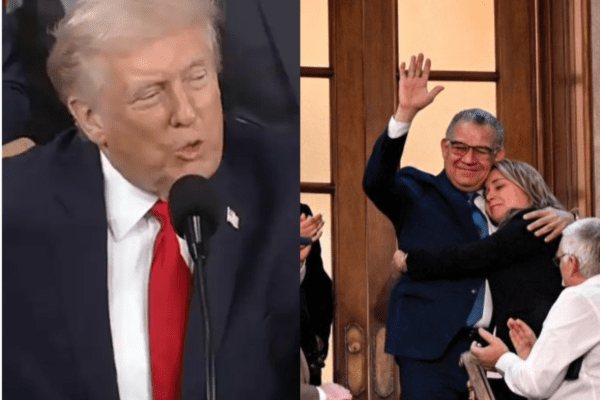
He stressed that Washington is working “very closely” with interim president Delcy Rodríguez to unlock “extraordinary economic benefits for both countries” and to bring “new hope to those who have suffered so terribly.” Central to that renewed relationship, Trump underscored, is energy cooperation. He announced that more than 80 million barrels of Venezuelan crude had recently entered the U.S. market. One of the most unexpected moments of the address came when Enrique Márquez—former presidential candidate and leader of the Centrados party—was introduced in the chamber. Márquez had spent a year imprisoned at El Helicoide, headquarters of Venezuela’s intelligence service. Trump invited him to stand and celebrate his freedom, as cameras captured an emotional embrace with his niece.
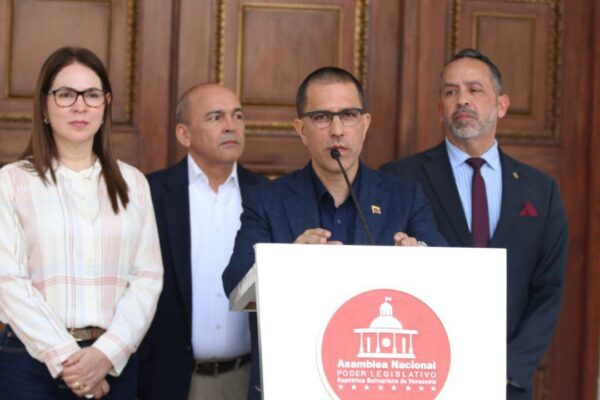
During the presentation of the report, the president of the Commission in charge of monitoring the law, Jorge Arreaza, appeared…
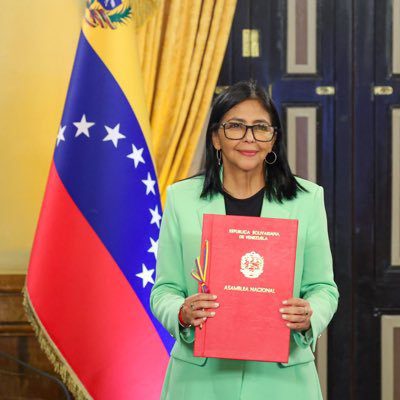
Delcy Rodríguez announced the appointment of four new vice ministers in the Ministry of Foreign Affairs, covering key areas such…
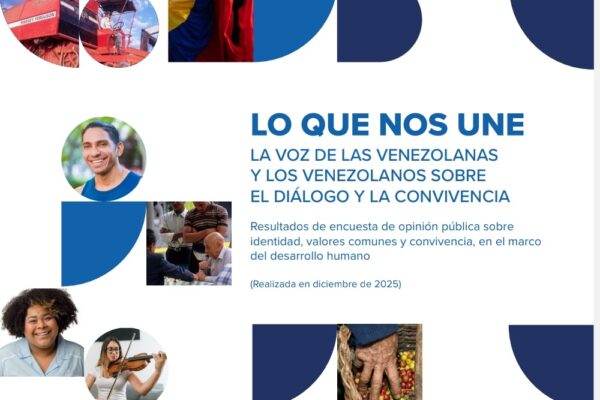
The United Nations Development Programme (UNDP) in Venezuela has released the results of the survey “What Unites Us: The Voice of Venezuelans on Dialogue and Coexistence,” conducted between November and December 2025. Based on face-to-face interviews with 1,295 adults from socio-economic strata C, D, and E, the report offers a detailed snapshot of social cohesion in the country. It concludes that Venezuela is neither a fully cohesive nor a completely fractured society: significant social assets coexist with deep tensions.
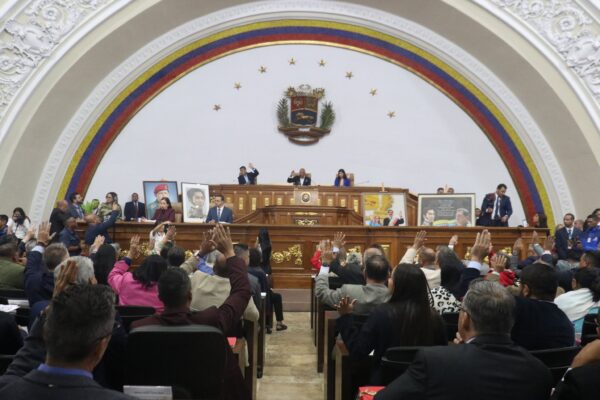
The second discussion brought significant advances that modified the initial text, but left open tensions over proposals for comprehensive reparations…
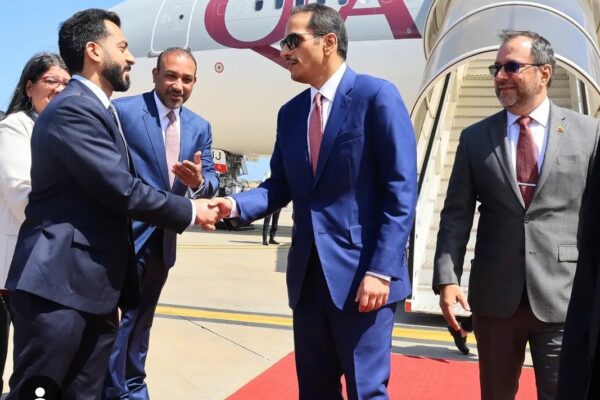
The visit of the Qatari head of government comes at a time of political and economic reconfiguration in Venezuela, with Doha consolidating its role as an intermediary between Caracas and Washington while expanding its global profile as a conflict mediator.