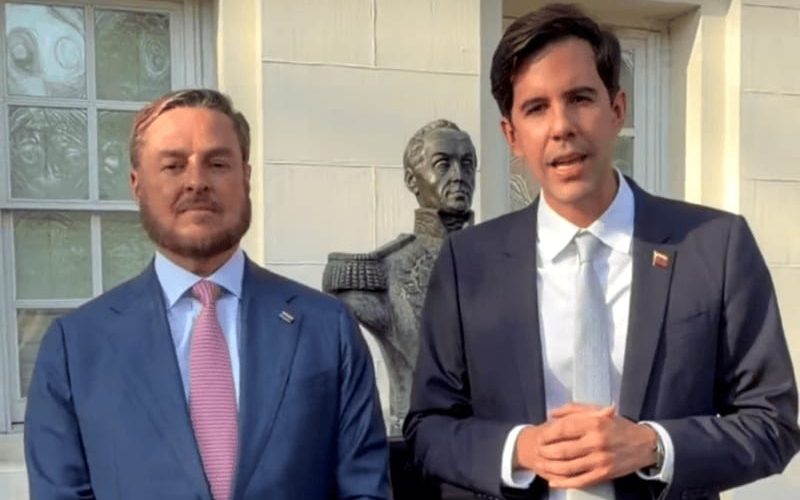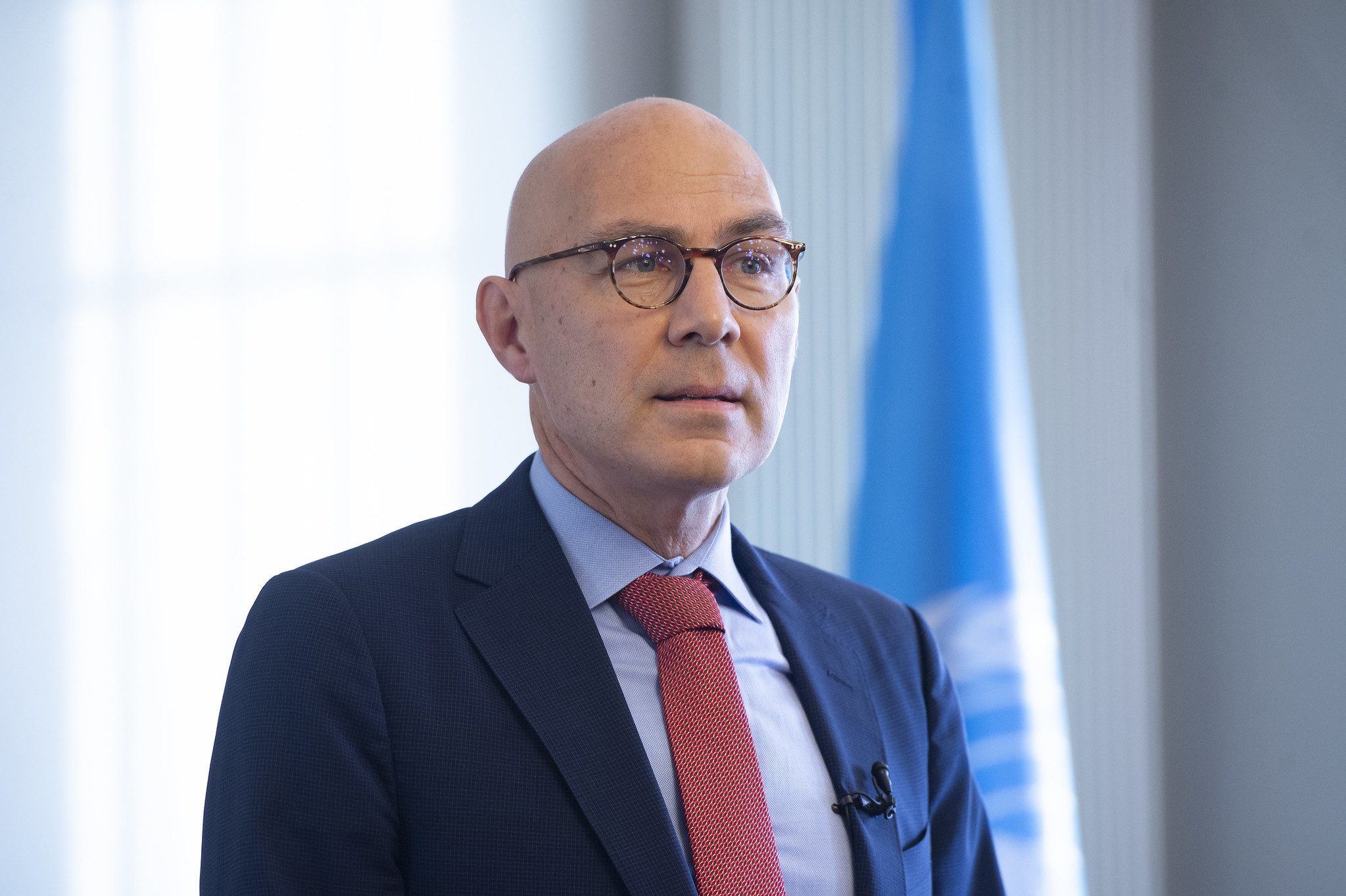
The Office of Human Rights urges U.S. and Venezuelan authorities, as well as the international community, to ensure full respect for international law. Photo: UN/Violaine Martin
Guacamaya, January 6, 2025. The United Nations High Commissioner for Human Rights issued a statement describing the recent U.S. military operation in Venezuela as a clear violation of the fundamental principles of international law. The body warns that this intervention could further aggravate the deteriorated human rights situation in the country, already denounced by the organization.
“It is evident that the operation has undermined a fundamental principle of international law: that no state should threaten or use force against the territorial integrity or political independence of another state,” the statement said.
The U.S. incursion included bombings of military and civilian facilities in Caracas and other central states, lasting about two hours.
A day before this statement, the head of the body, Volker Türk, published an opinion piece in The Guardian, stressing that “far from being a victory for human rights, this military intervention—in contravention of Venezuelan sovereignty and the UN Charter—damages the architecture of international security, making every country less safe.”
In response to the U.S. action, the Venezuelan government decreed a “State of External Commotion,” an unprecedented type of exception that mobilizes the Bolivarian National Armed Forces (FANB), allows the confiscation of assets for national defense, and suspends rights such as free movement, assembly, and protest. This measure has also raised concern from the High Commissioner.
“We fear that the current instability and increased militarization of the country, as a consequence of the U.S. intervention, will worsen the situation,” the statement adds.
In line with this, in his The Guardian article, Türk emphasized: “Human rights must be central to Venezuela’s future, not a secondary idea in negotiations over fossil fuel exploitation.”
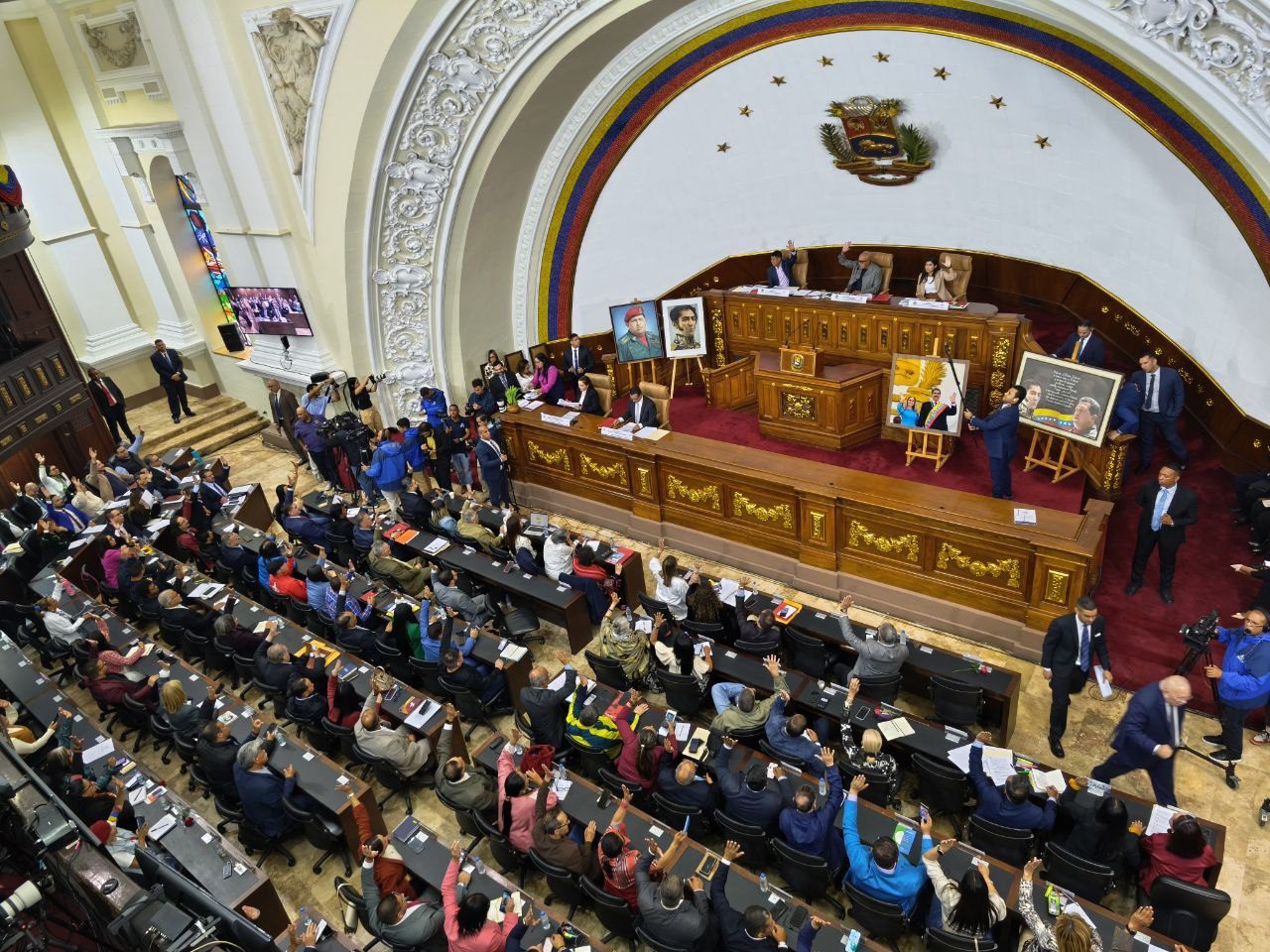
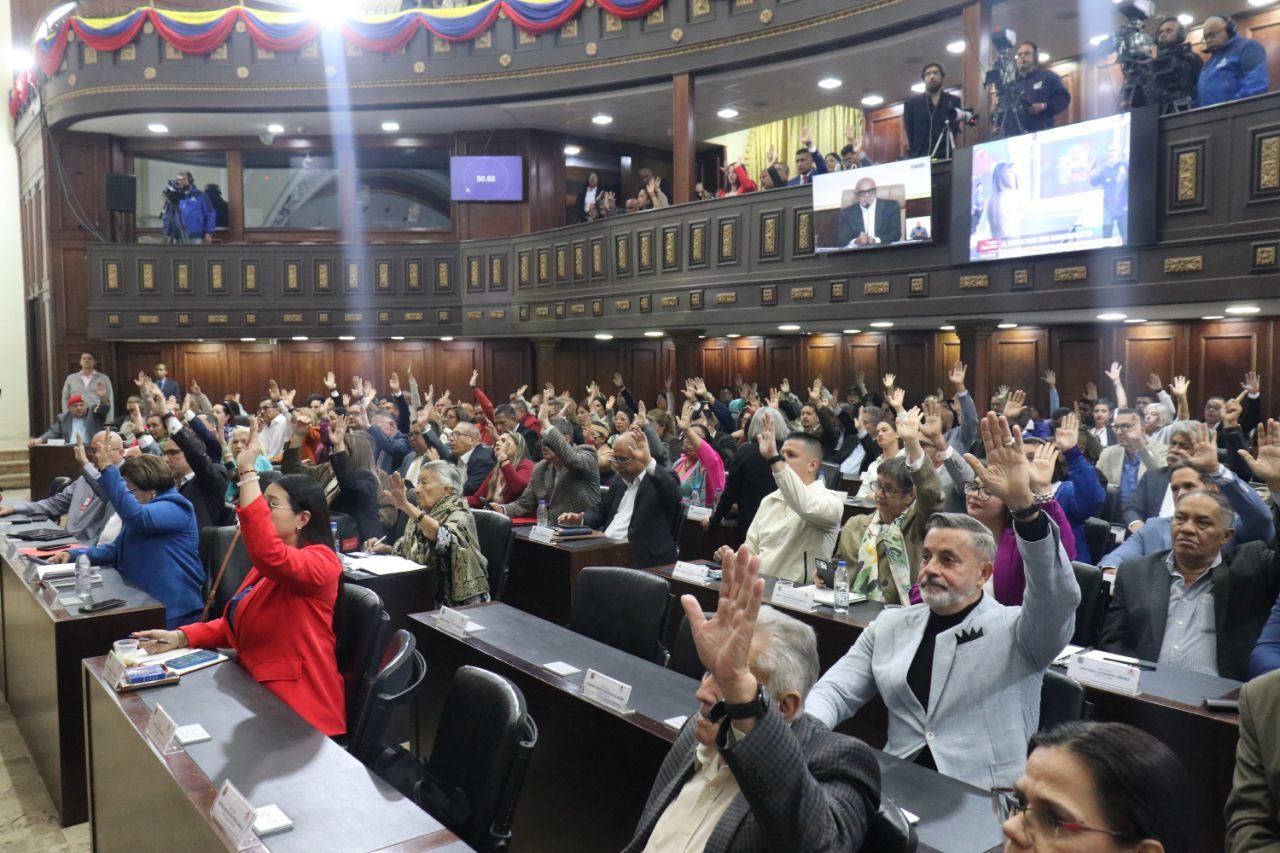
Organizations such as the Committee for the Freedom of Political Prisoners have reported intimidation, arbitrary searches, and unjustified detentions due to the massive deployment of security forces. Meanwhile, the National Union of Press Workers (SNTP) reported the detention of at least 14 journalists and media workers (later released) on Monday, January 5, during coverage of the opening of the new session of the National Assembly.
Regional Reactions and Repercussions
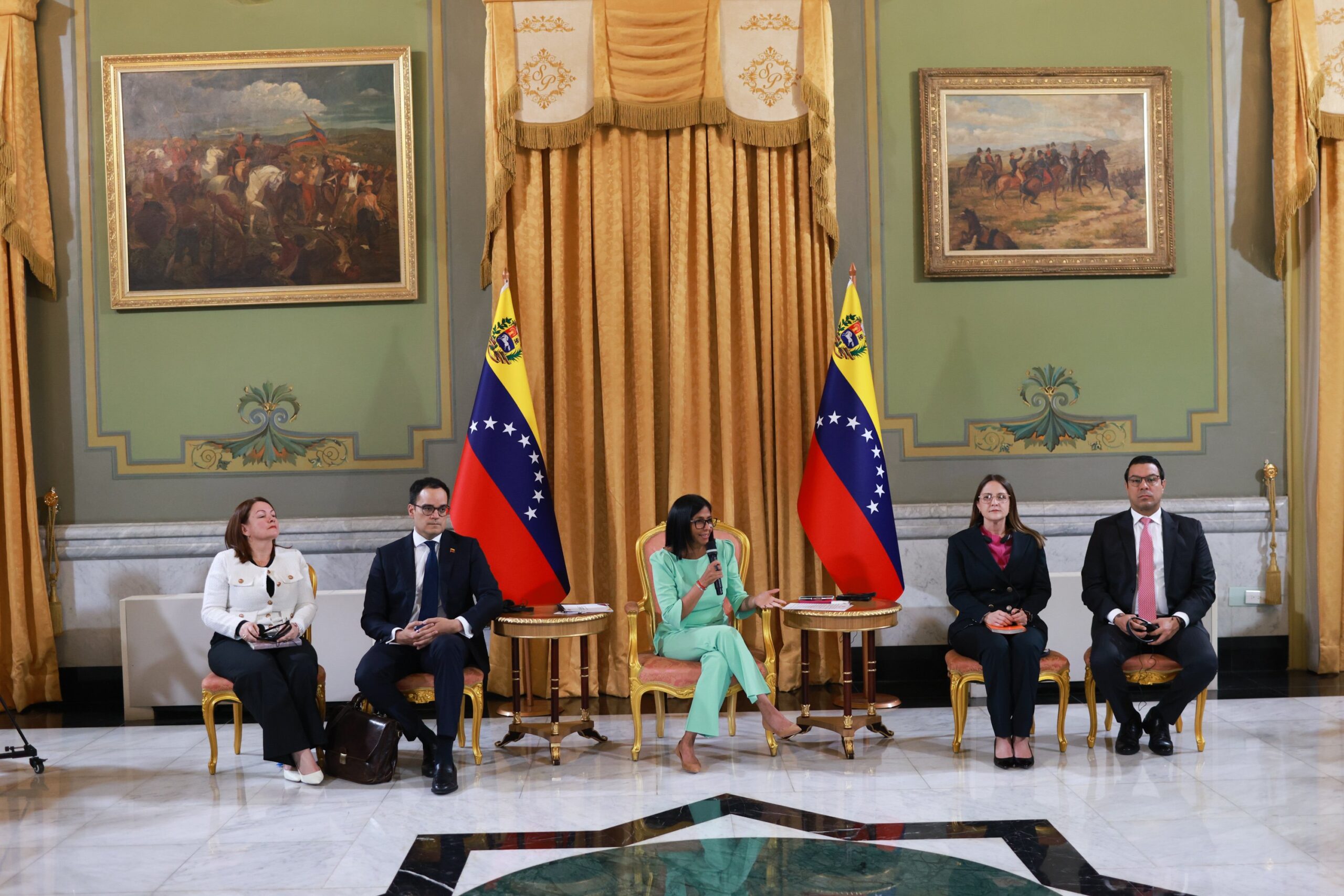
Venezuelan Foreign Minister Yván Gil supported the High Commissioner, highlighting that the pronouncement validates Caracas’ complaints about the “instrumentalization of human rights” to justify aggressions over resources such as oil. Venezuela had already requested an urgent meeting of the UN Security Council, where it denounced the attacks as brutal and unjustified.
In the same vein, UN Secretary-General António Guterres also described the action as a “dangerous precedent” that lays the groundwork for regional instability. Meanwhile, in emergency UN sessions, U.S. allies criticized the operation, and organizations such as WOLA warned that the operation violates international norms despite Venezuela’s humanitarian crisis.