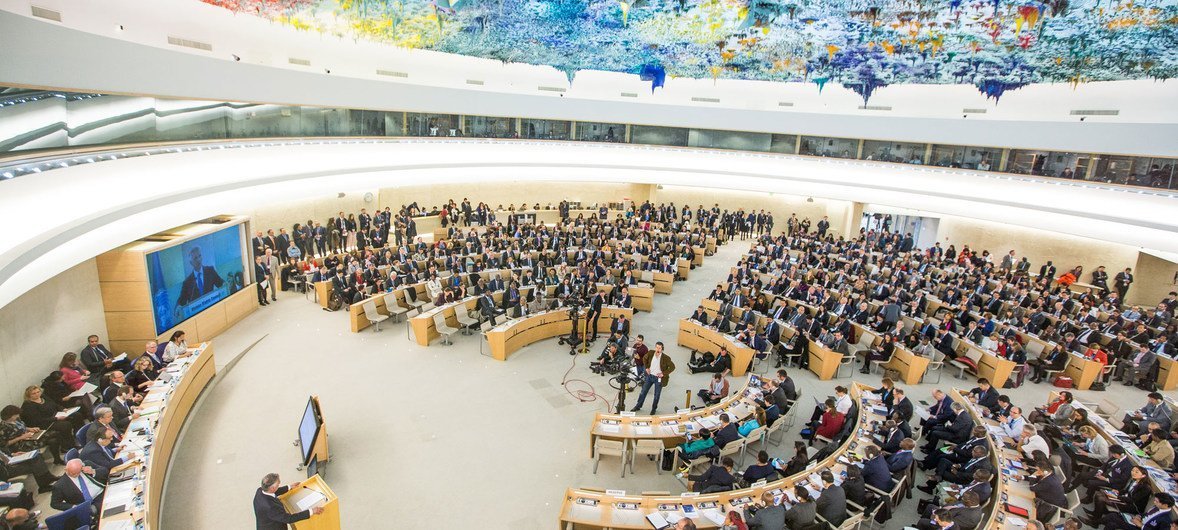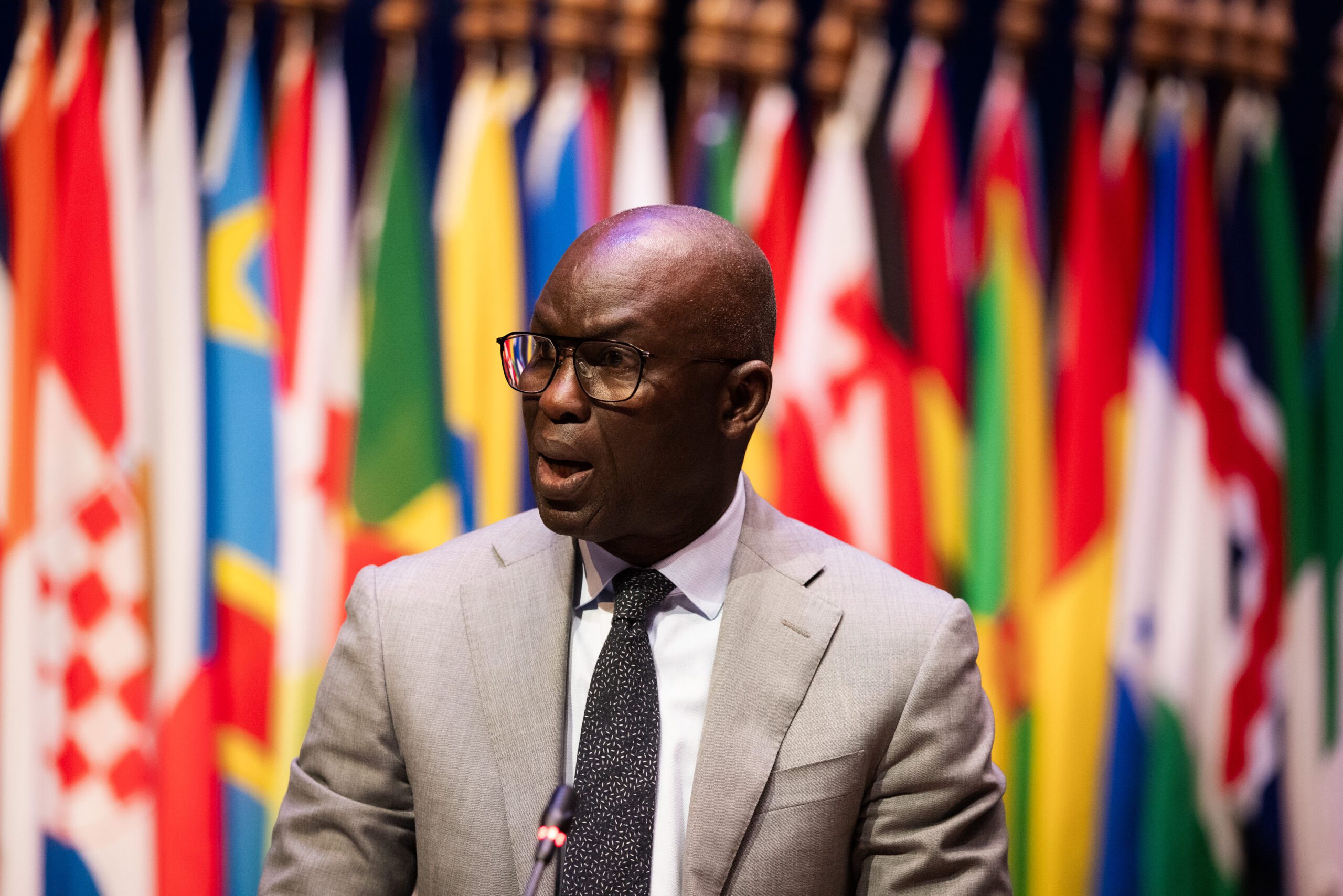
Deputy Prosecutor Mame Mandiaye Niang announced that the ICC will close its office in Caracas, although it will continue its investigations into allegations of crimes against humanity committed since 2014. Photo: International Criminal Court.
Guacamaya, December 1, 2025. The Office of the Prosecutor of the International Criminal Court (ICC) has confirmed that it will close its office in Caracas due to a lack of substantial progress in national investigative efforts. Nevertheless, the Venezuela I and Venezuela II cases will remain open and under review in The Hague.
The Caracas office had been established in 2024 as part of its technical cooperation with the Venezuelan state. Deputy Prosecutor Mame Mandiaye Niang communicated the decision during his remarks at the 24th Assembly of States Parties, noting that despite a “sustained commitment” from Venezuelan authorities, “real progress in complementarity remains a challenge.”
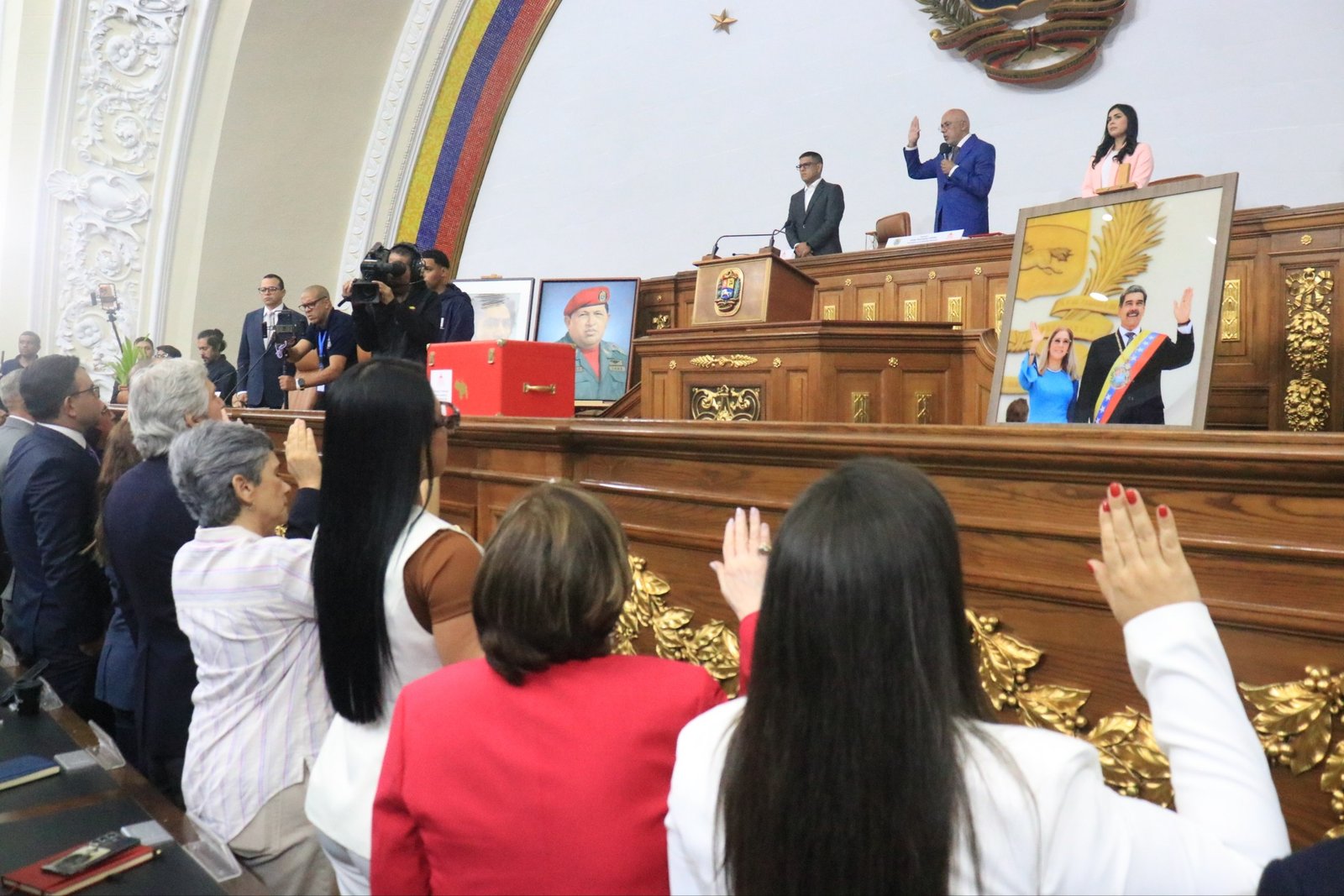
The announcement also follows statements by the president of Venezuela’s National Assembly, Jorge Rodríguez, who said that the opinion of several deputies “is that the International Criminal Court is useless, and I believe that Venezuela should withdraw from that institution, which has remained silent in the case of extrajudicial executions in the Caribbean.”
The principle of complementarity holds that the ICC steps in only when national authorities fail to adequately investigate alleged crimes. According to Niang, the Prosecutor’s assessment indicates that sufficient progress has yet to materialize. Due to the need to manage the Court’s limited resources efficiently, the decision was made to end the physical presence in the country. However, the investigation will continue from ICC headquarters in The Hague with a team assigned to the case.
Venezuela I: allegations of crimes against humanity since 2014
The Venezuela I case, submitted in 2018 by Argentina, Canada, Colombia, Chile, Paraguay, and Peru, focuses on alleged crimes against humanity committed during protests and security operations dating back to February 12, 2014.
During the preliminary examination, then-Prosecutor Fatou Bensouda stated in 2020 that there were “reasonable grounds” to believe that acts potentially constituting crimes against humanity had been committed, particularly since the 2017 protests—events that left 127 people dead according to official figures. The conduct under review included arbitrary detentions, severe restrictions on personal liberty, and other actions that could violate international law.
In 2021, Prosecutor Karim Khan moved to open a formal investigation and signed a memorandum of understanding with the Venezuelan government to frame cooperation. A year later, Venezuela requested that the ICC defer the investigation in favor of domestic proceedings, but the Prosecutor’s Office deemed national efforts insufficient and asked to resume the case. The Appeals Chamber authorized that request in March 2023.
The Venezuelan government has repeatedly rejected the allegations, maintaining that no crimes against humanity have been committed and claiming the ICC’s actions are politically motivated.
In August 2025, Khan was removed from the case after a possible conflict of interest was identified. Although he expressed reservations about the decision, he complied and requested formal recusal.
Venezuela II: inquiry requested by the Venezuelan government on the impact of sanctions
Parallel to this, the ICC continues to assess Venezuela II, a case different in origin and scope. This proceeding was initiated in 2020 at the request of the Venezuelan government, which asked the Prosecutor’s Office to examine whether U.S. sanctions could amount to crimes under the Court’s jurisdiction. Since then, the case has remained in the preliminary examination phase, during which the Prosecutor evaluates available information to determine whether reasonable grounds exist to open a full investigation.
The ICC has not issued conclusions on Venezuela II and has not determined whether the economic measures or their consequences may qualify as crimes under the Rome Statute. The matter remains open and under review.
Although the decision to close the Caracas office represents an operational shift, the Prosecutor’s Office emphasized that the investigations will continue and that the closure does not signal any change in the ICC’s legal position.
The Venezuelan government, for its part, has maintained its objections to the Court’s actions, arguing that they apply political criteria to matters it considers domestic.
Both sides now enter a phase in which cooperation will continue, even without a permanent ICC office in Venezuela. The Prosecutor’s Office reiterates that it will continue evaluating relevant information independently and in accordance with the standards of the Rome Statute.