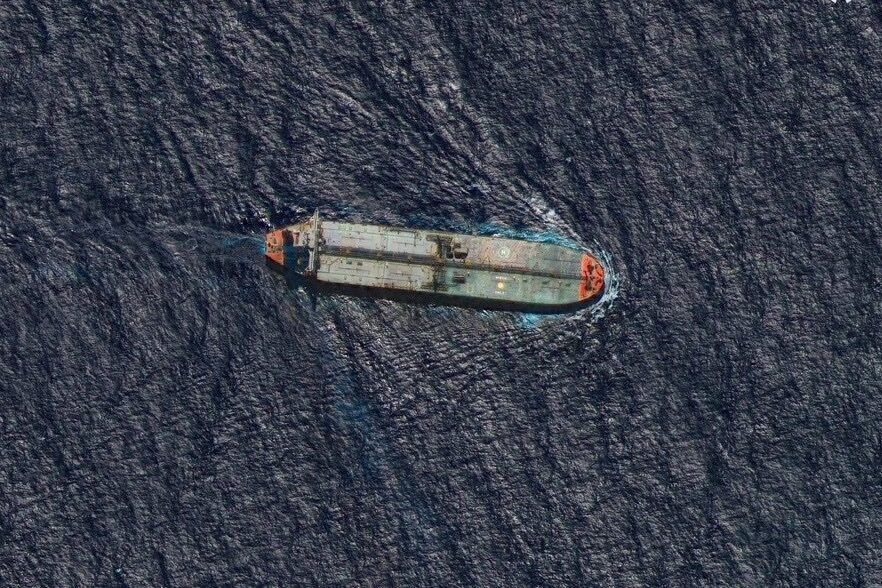
Satellite view of The Skipper, the supertanker intercepted and seized last week with approximately 1.85 million barrels of heavy Venezuelan crude sold by PDVSA. Photo: Ventor / Social Media.
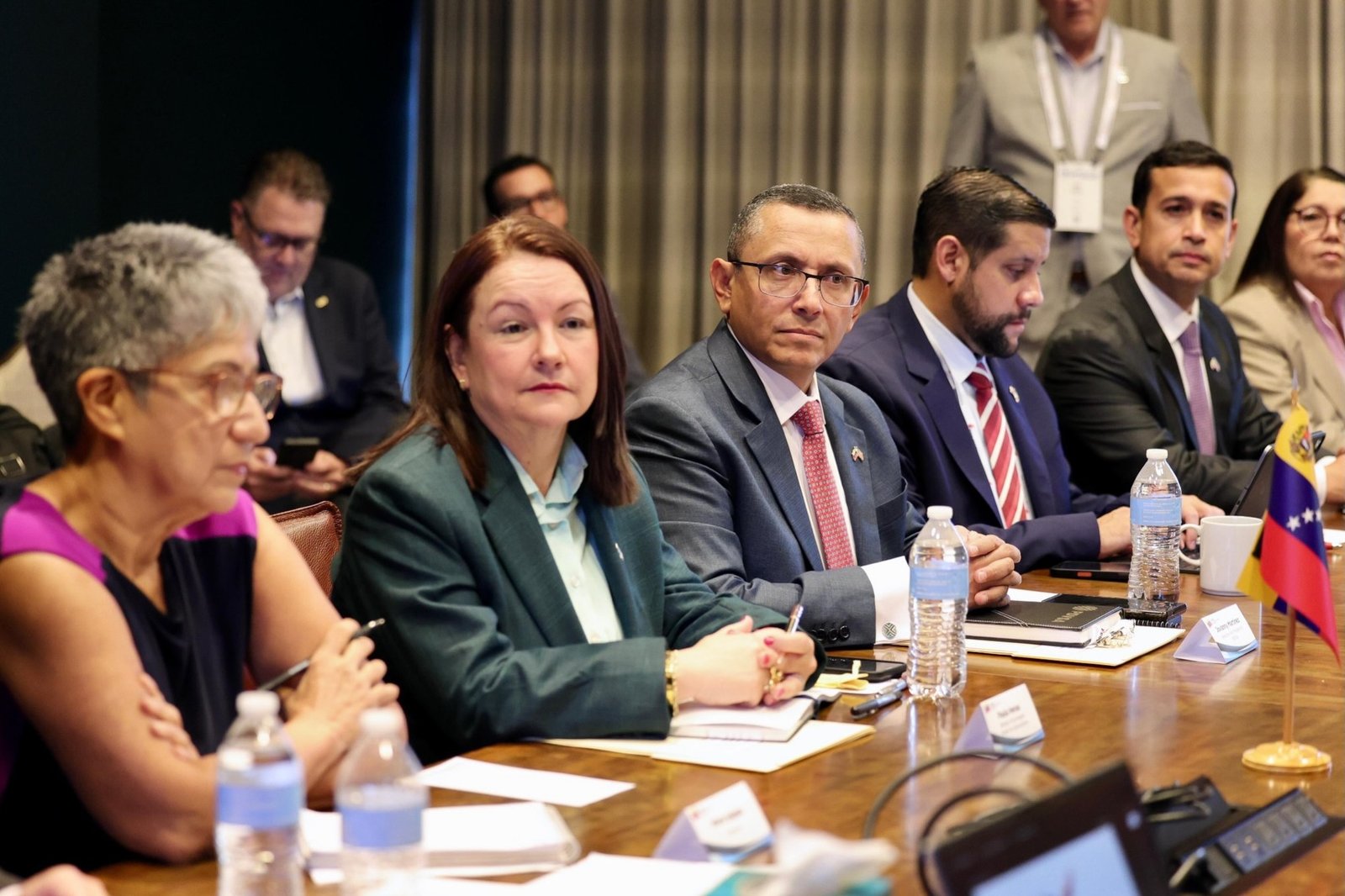
Guacamaya, December 15, 2025. Maritime tracking data reveals that several oil tankers bound for Venezuela have turned back following the United States’ seizure of a vessel carrying Venezuelan crude last week. Information reported by Reuters indicates that a fuel tanker and at least four supertankers scheduled to load crude diverted their routes.
The operation last week targeted a vessel transporting Venezuelan crude and was carried out by the U.S. Coast Guard and Navy in Caribbean waters. The confiscated ship was sailing under a false Guyanese flag and, according to U.S. officials, was identified as The Skipper, previously sanctioned for illicit oil transfers.
As a result, roughly 11 million barrels were left stranded on other vessels, prompting several owners to order diversions. The tanker Boltaris, which was carrying 300,000 barrels of Russian fuel to Venezuela, turned back and is now heading toward Europe. Meanwhile, four supertankers that were supposed to load crude in Venezuela have been circling in recent days, according to data from TankerTrackers.com..
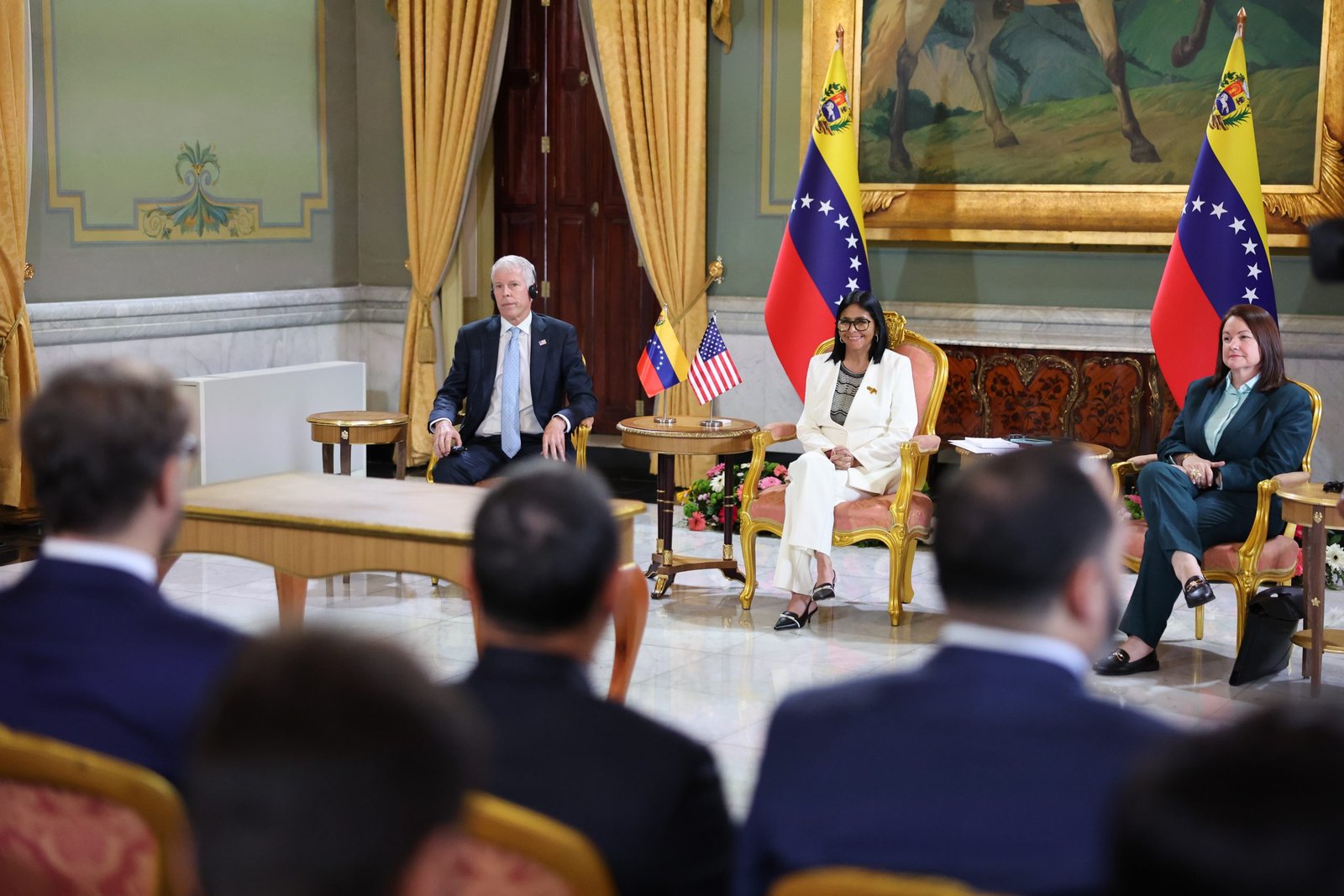
In this context, Venezuela’s oil exports are nearly paralyzed, except for Chevron shipments operating under a previously granted authorization from Washington. These developments unfold amid growing tensions between Venezuela and the United States, marked by the U.S. military deployment in the Caribbean.
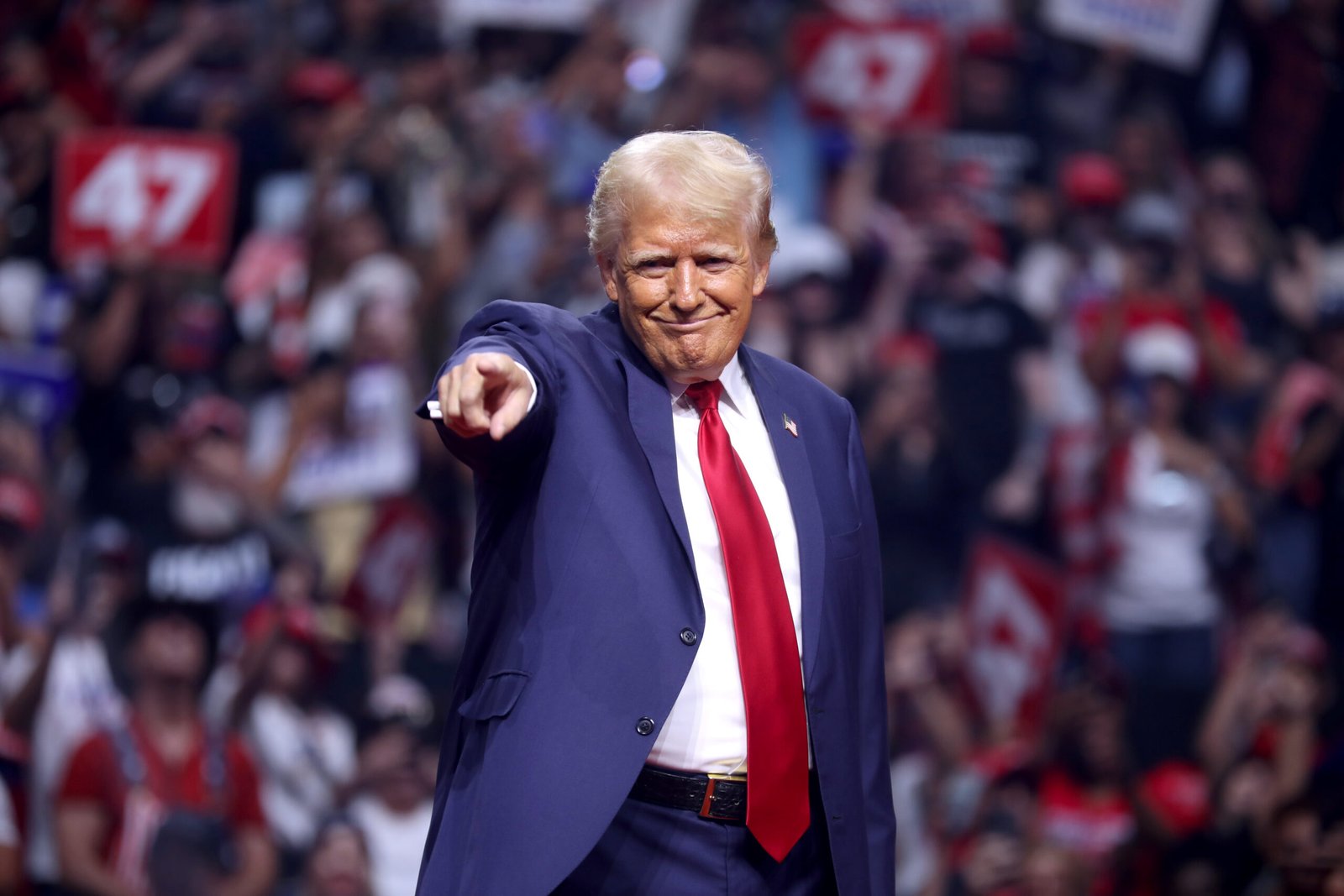
Regarding the situation, U.S. President Donald Trump stated that he will keep his next steps concerning Venezuelan oil secret. “It wouldn’t be very smart of me to say it,” he told the press during an event in the Oval Office.
Later on Monday, the state-owned oil company Petróleos de Venezuela (Pdvsa) reported a cyberattack aimed at paralyzing its operations—an action that, if confirmed, could be seen as a possible consequence of Trump’s remarks.
Additionally, Venezuela immediately terminated all agreements, contracts, and negotiations for the supply of natural gas to Trinidad and Tobago, a country it accuses of being involved in last week’s tanker seizure.
Since last August, the Pentagon has maintained a broad military deployment in the Caribbean, an action justified as a war‑like offensive against drugs that deeply affect the U.S. population. The combination of seizures, reported cyberattacks, and ruptured commercial ties threatens Venezuela’s economic stability and disrupts energy flows across the region.