
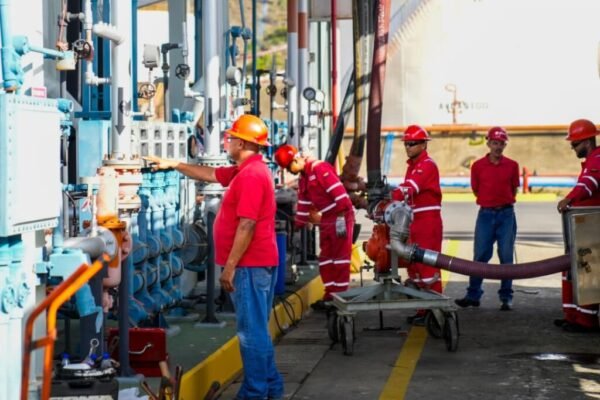
Fire at Cardón Exposes the Vulnerabilities of the Venezuelan Oil Industry
Cardón is the country’s second-largest refinery by installed capacity. Photo: Ministry of Hydrocarbons. Guacamaya, October 7, 2026. On October 6…


Cardón is the country’s second-largest refinery by installed capacity. Photo: Ministry of Hydrocarbons. Guacamaya, October 7, 2026. On October 6…
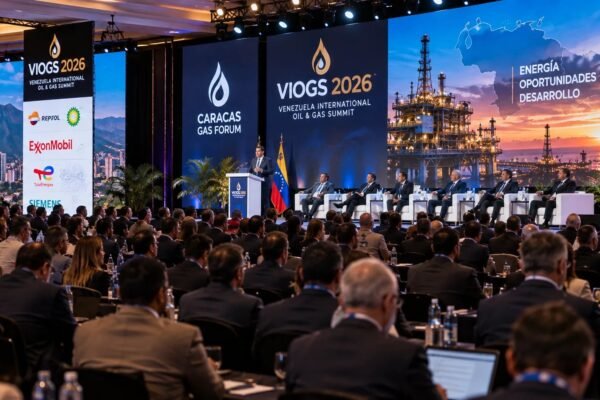
Among the most prominent meetings are the Venezuela International Oil and Gas Summit (VIOGS) held in Caracas, the second edition of the Energy, Oil and Gas Conference (CEPEG 2026) in Maracaibo, and the Expo Venezuela Energética Oriente 2026 in Lechería.
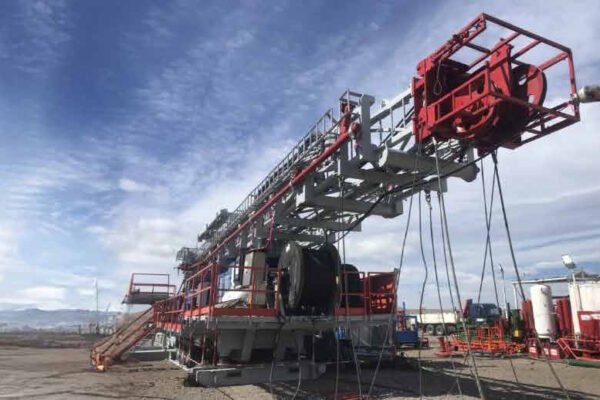
Aldyl Energía mobilized an H-108 drilling rig to the Uverito field, continuing with its oil well reactivation campaign.
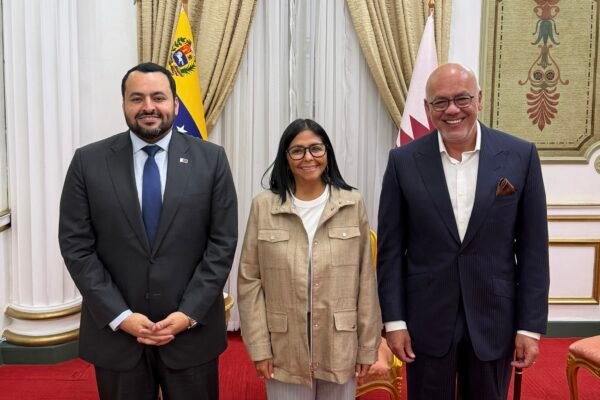
Delcy Rodríguez, received Qatar’s Minister of Foreign Affairs in Caracas, as it also emerged that UCC Oil and Gas Holding is in talks about its possible entry into new oil and gas areas in the country.
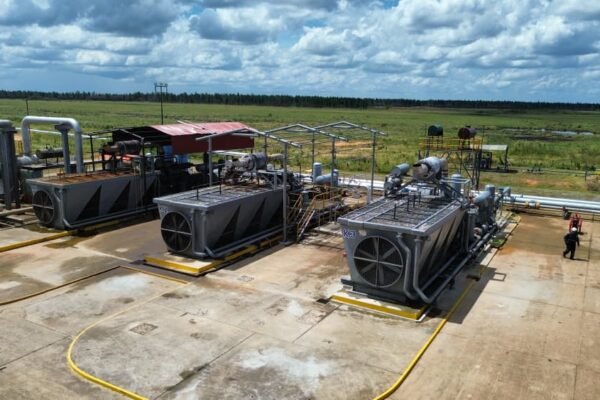
The Argentine-capital company Aldyl Energía announced the beginning of its well recovery program through artificial gas lift in the Morichal Pesado field.
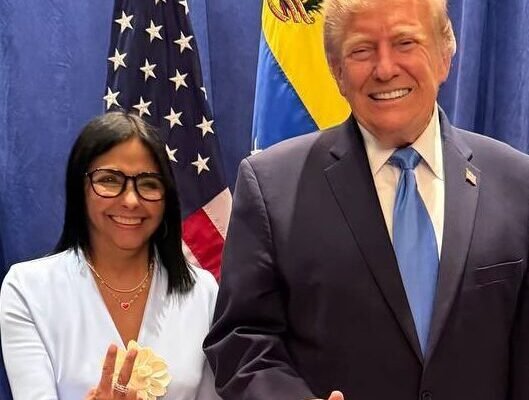
Venezuela’s acting president is wrapping up a busy schedule of bilateral meetings—with the UN, IMF, IDB and World Bank—before meeting with Donald Trump this Tuesday, while Russia maintains parallel contacts with the Venezuelan delegation and Brazil calls for elections in the country.
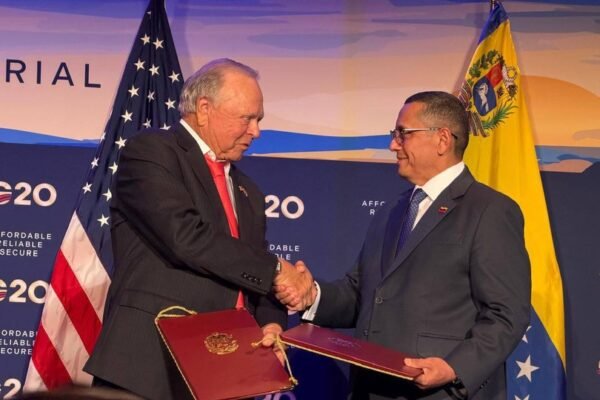
Continental Resources, the oil company that Harold Hamm founded in 1967 and that today he controls alongside his family, signed a memorandum of understanding this week with PDVSA to develop Block Ayacucho 2 in the Orinoco Belt.
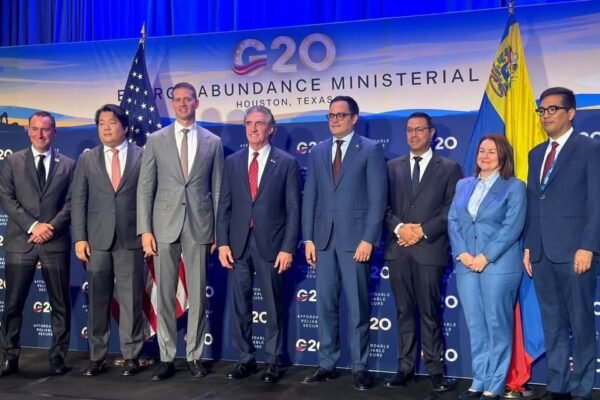
At the G20 summit in Houston, Venezuela did not participate as a member of the club but did hold several bilateral meetings and signed oil and mining agreements with Continental Resources and Heeney Capital.
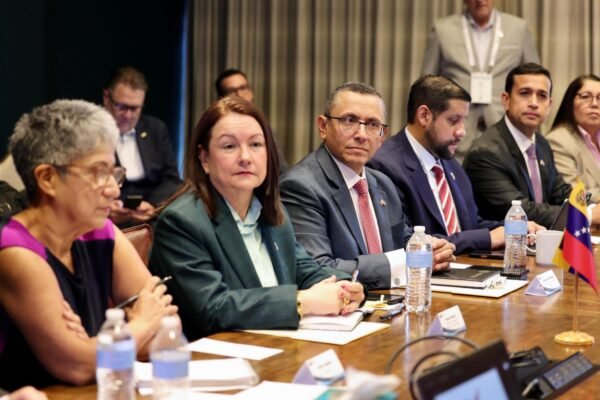
The latest appointments at the Foreign Ministry and the Ministry of Hydrocarbons coincide with Venezuela’s first participation in a ministerial forum of the G20.

Iran’s 20th-century history leaves two precedents for today’s Venezuela.