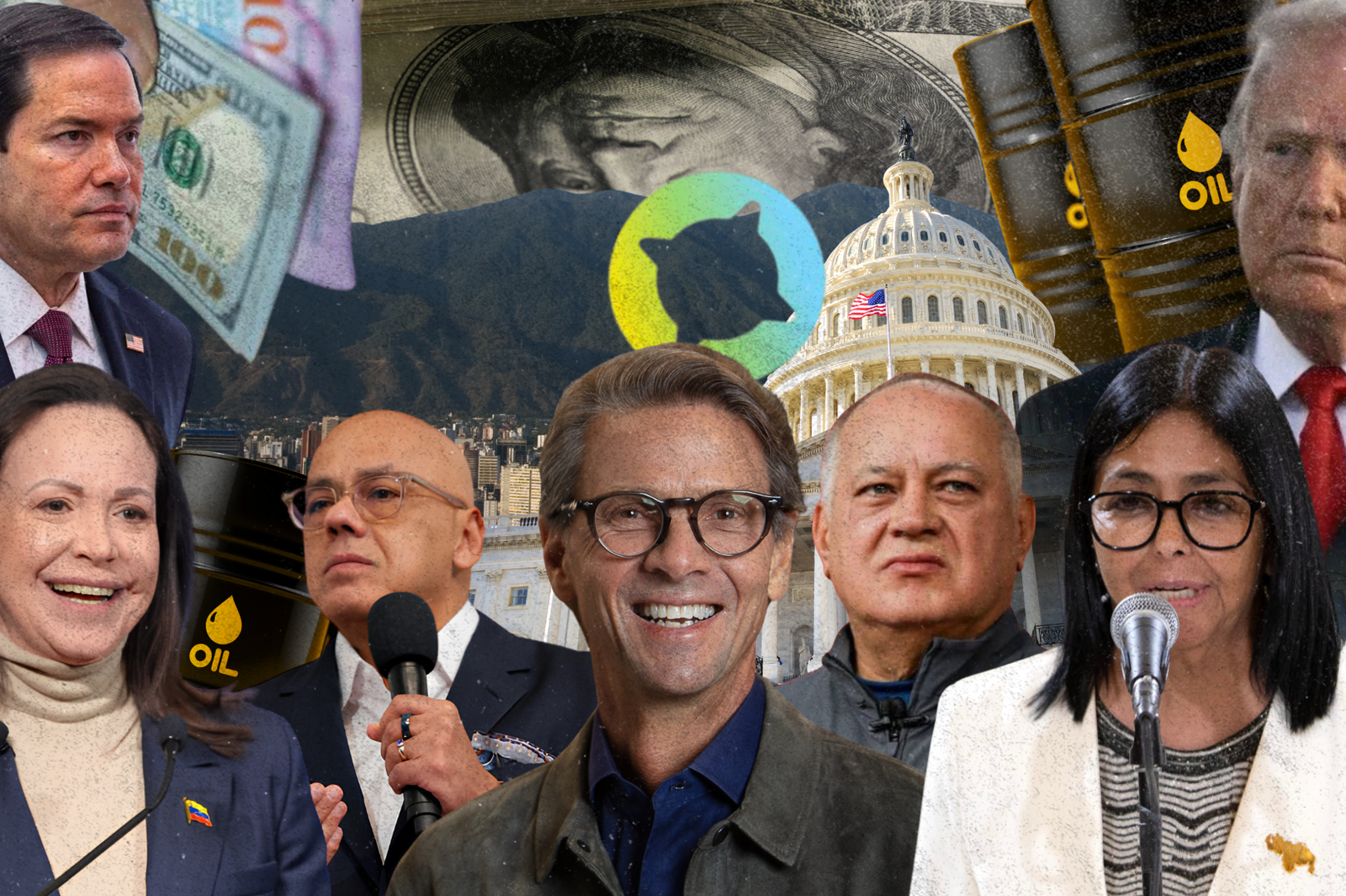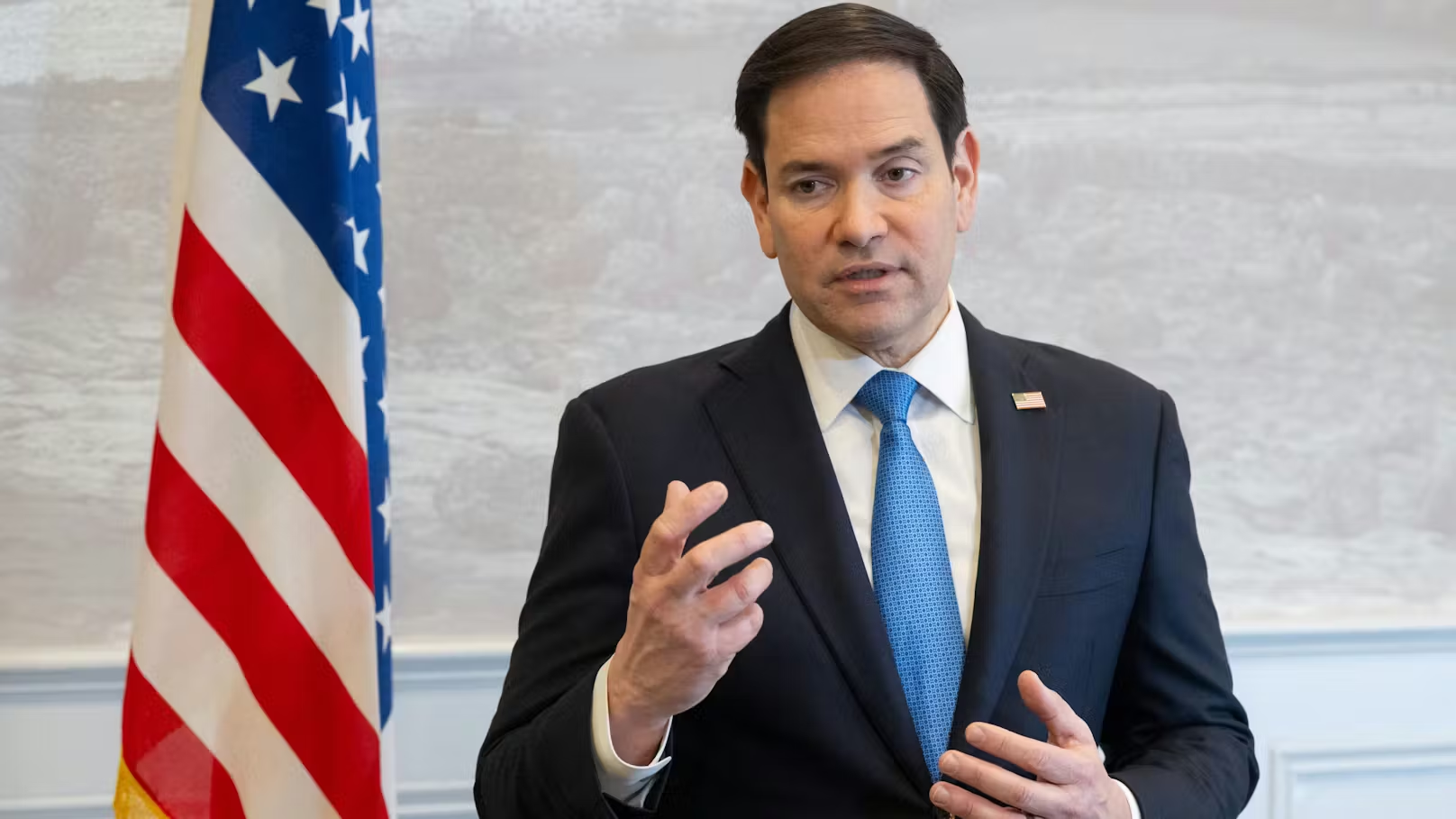
Secretary of State Marco Rubio has assumed a relevant role not only in the intentions to reactivate the embassy headquarters in Caracas, but also in the management of Venezuelan money after new oil agreements with the Caribbean country. Photo: Heute Archive, via Reuters.
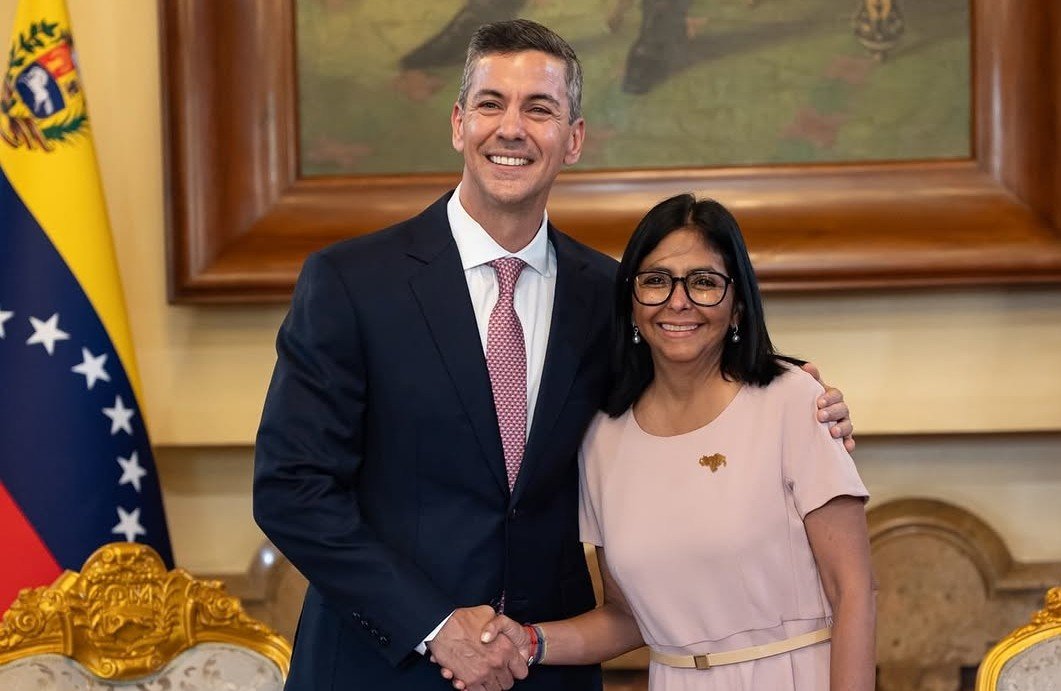
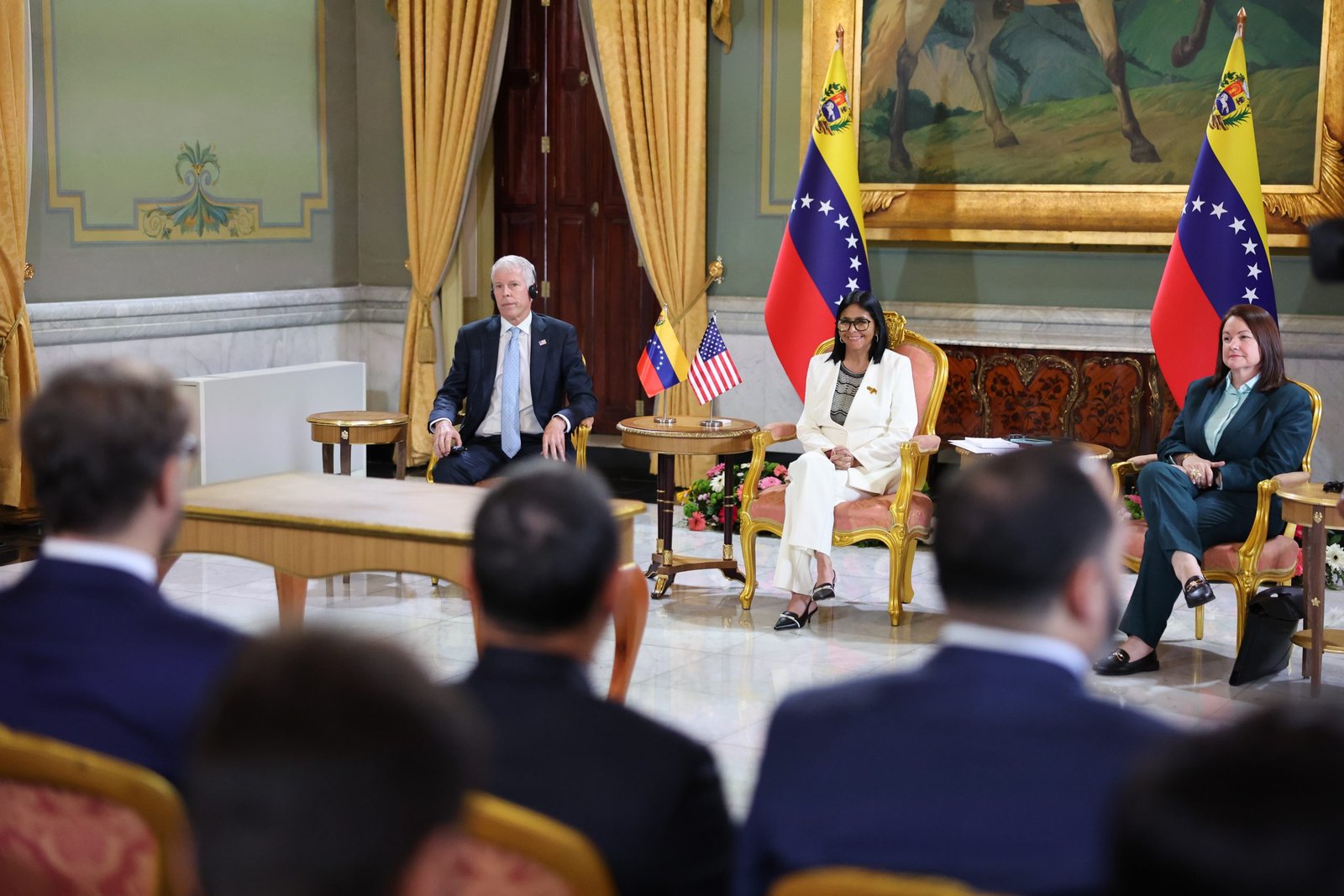
Guacamaya, January 27, 2026 — The U.S. government has notified Congress that it is taking the first steps toward the possible reopening of its embassy in Caracas, according to the Associated Press (AP). This move comes amid major shifts in bilateral relations following the capture of Nicolás Maduro and the rise to power of Delcy Rodríguez.
The notice, dated Monday, informed lawmakers about the deployment of a regular and growing contingent of temporary personnel to carry out “select” diplomatic functions. Last week, the U.S. had already appointed career diplomat Laura Dogu, based in Bogotá, as chief of mission for Venezuela.
“We are writing to notify the committee of the Department of State’s intention to implement a phased approach to potentially resume Embassy operations in Caracas,” the department said in identical letters to ten House and Senate committees.
This notification, significant after more than six years of closure, marks a turning point in U.S. foreign policy toward Caracas.
CIA Influence and Rubio’s ‘De Facto’ Control
The announcement coincides with reports from international media. Spain’s ABC revealed the existence of an executive decree that effectively makes Secretary of State Marco Rubio the “de facto governor” of Venezuela.
Rubio, who testified before the Senate that personnel sent to Caracas would live and work in a temporary facility, is also described as “the sole arbiter of how every dollar destined for the transition will be spent,” taking custody of funds derived from Venezuelan resource sales.
Meanwhile, CNN reported that the CIA is exploring options to establish a presence in Venezuela. “The State plants the flag, but the CIA is really the influence,” a source familiar with the planning told the outlet.
Delcy Rejects Orders, Trump Downplays Concerns
Interim president Delcy Rodríguez rejected any external interference, defending Venezuela’s sovereignty:
“The people of Venezuela do not accept orders from any external factor. The people of Venezuela have a government, and this government obeys the people,” she said Monday.
In response, President Trump downplayed Rodríguez’s remarks about who governs Venezuela, stating he maintains a “very good relationship” with her. He also acknowledged the “accelerated pace” at which Venezuela has been releasing political prisoners, expecting this to increase in the short term.