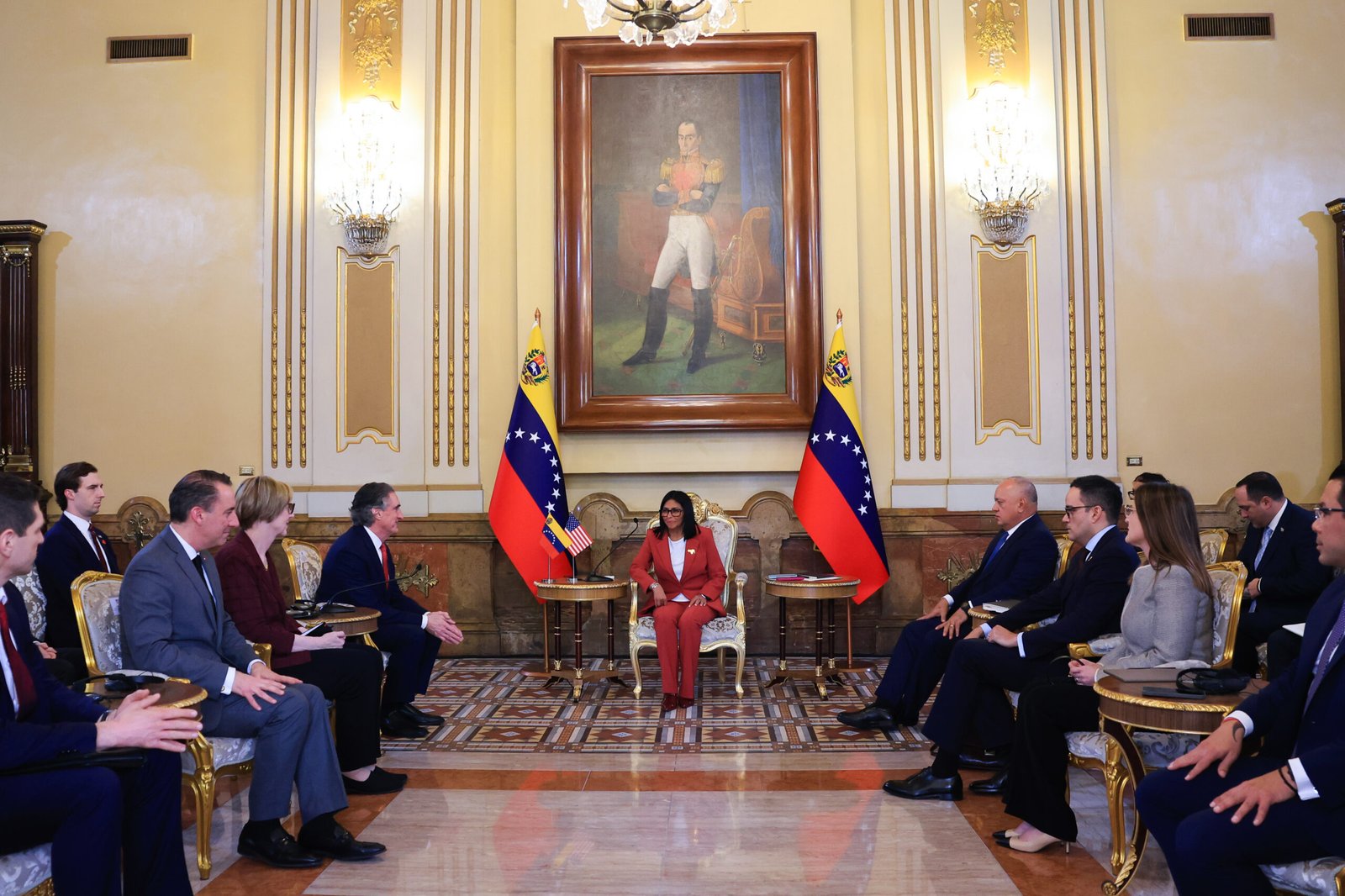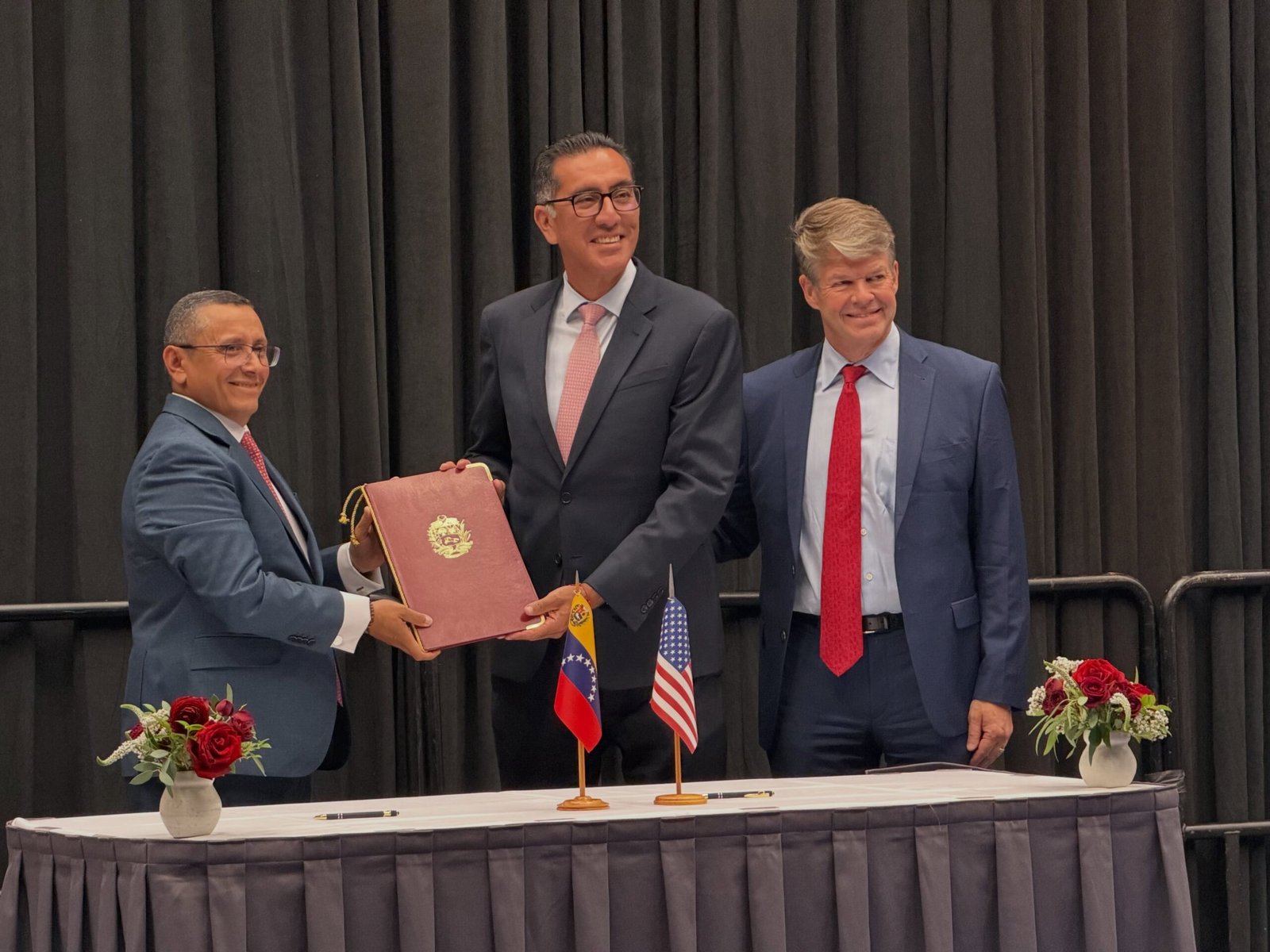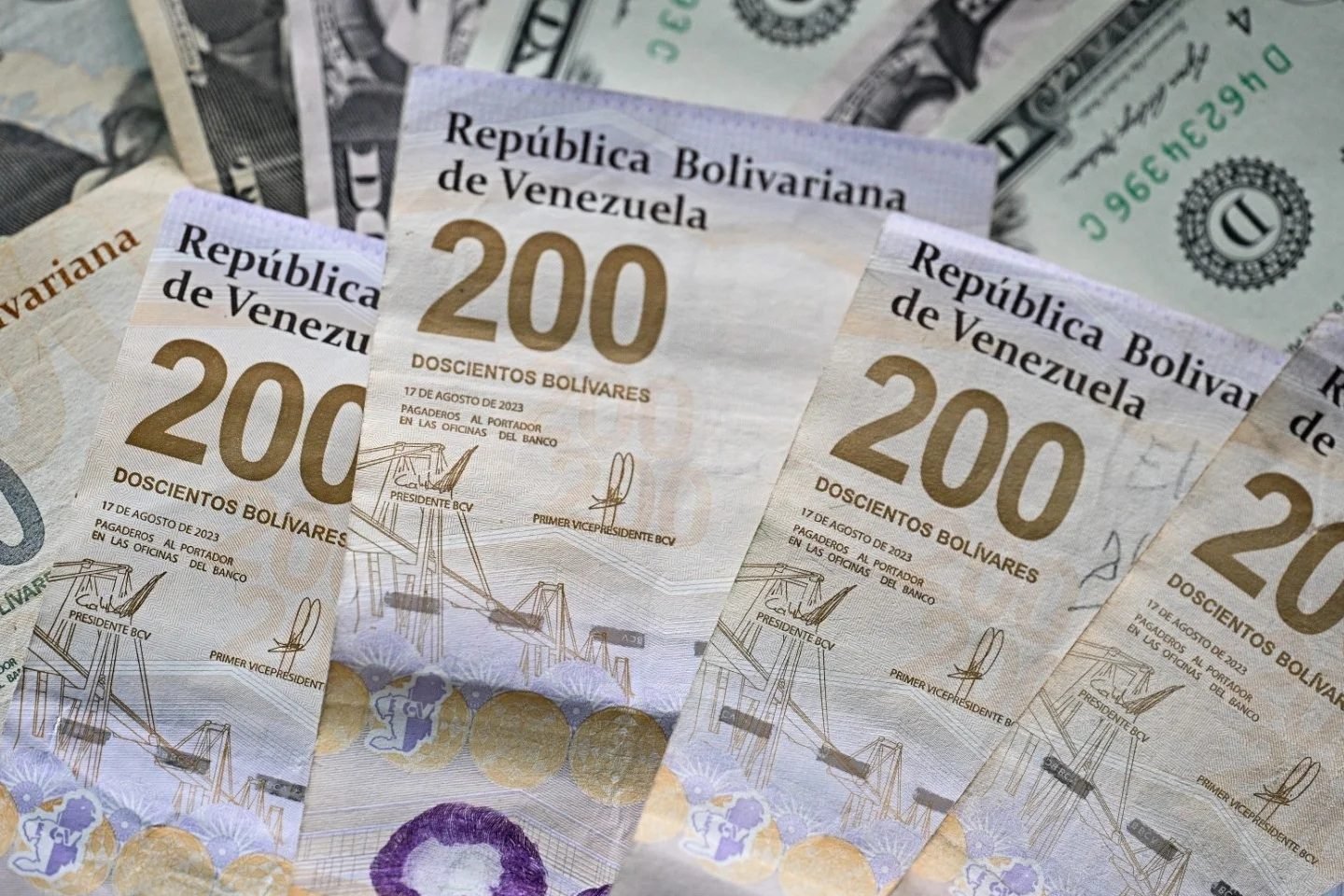
Permitted activities will be governed under strict contractual conditions established by U.S. law, with payments deposited into blocked funds. Photo: Public domain / Tuco Escoba
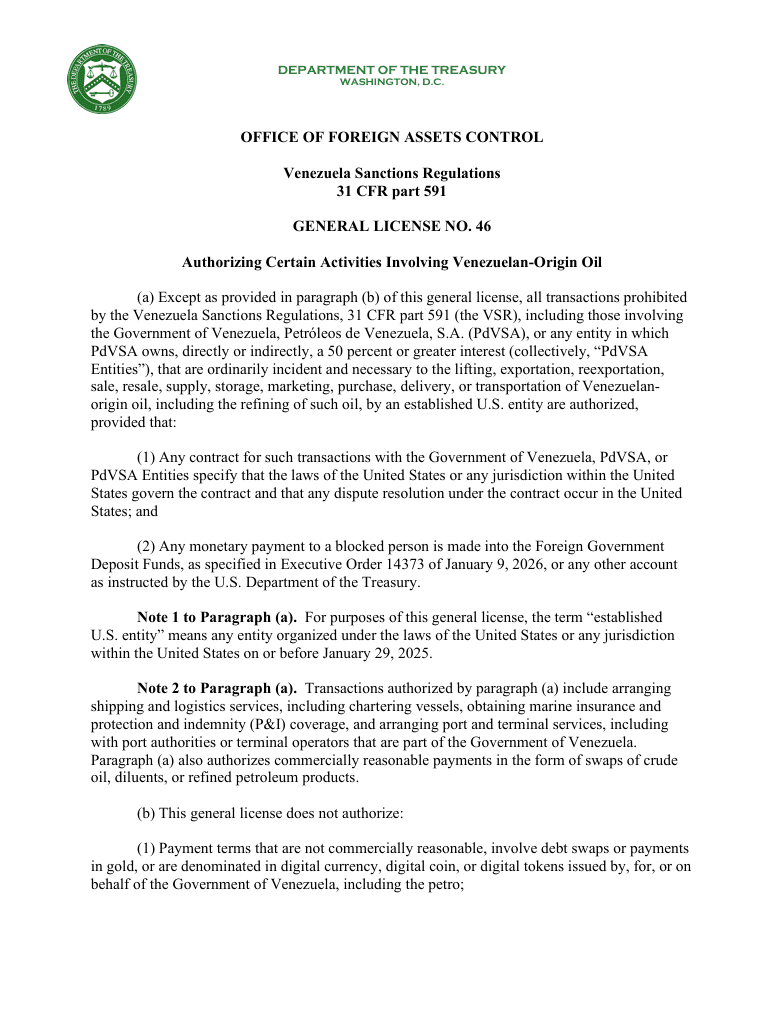
Guacamaya, January 29, 2026. The Office of Foreign Assets Control (OFAC) of the U.S. Department of the Treasury issued General License No. 46 this Thursday, authorizing certain “ordinarily incident and necessary” operations with oil of Venezuelan origin. This easing of sanctions applies to U.S. entities established before January 29, 2025.
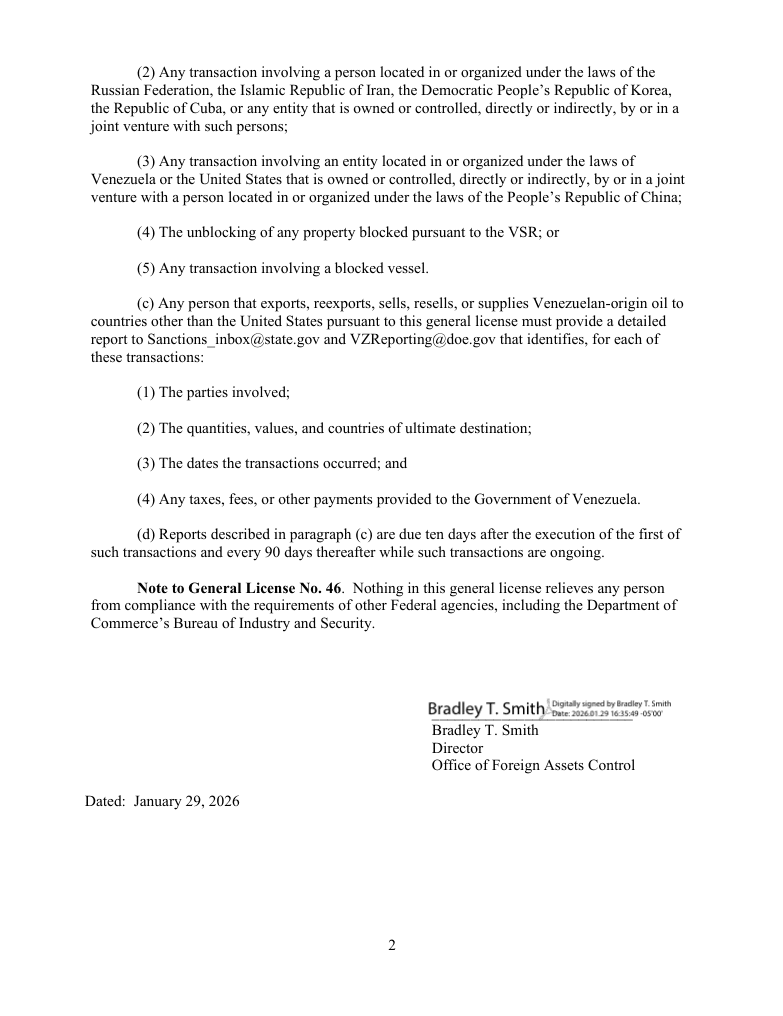
The circular allows for the lifting, export, sale, storage, refining, and transportation of crude oil, even with PDVSA or entities controlled by it by more than 50%. Among the conditions, companies must report in detail volumes, values, destinations, and payments to the Venezuelan government within 10 days after the first operation and every 90 days thereafter.
Additionally, contracts must be subject to dispute resolution in U.S. territory, and unreasonable payments, gold, digital assets such as the petro, or transactions with entities linked to Russia, Iran, North Korea, Cuba, or China are excluded. Likewise, the license does not exempt companies from other federal regulations, such as those of the Bureau of Industry and Security.
The full text of the License follows:
Today, the National Assembly of Venezuela unanimously approved a partial reform of the Organic Hydrocarbons Law, promoted by Acting President Delcy Rodríguez. The new legal instrument seeks to attract foreign investment through discretionary royalties of up to 30%, a new integrated tax capped at 15%, and greater flexibility for private companies in joint projects.
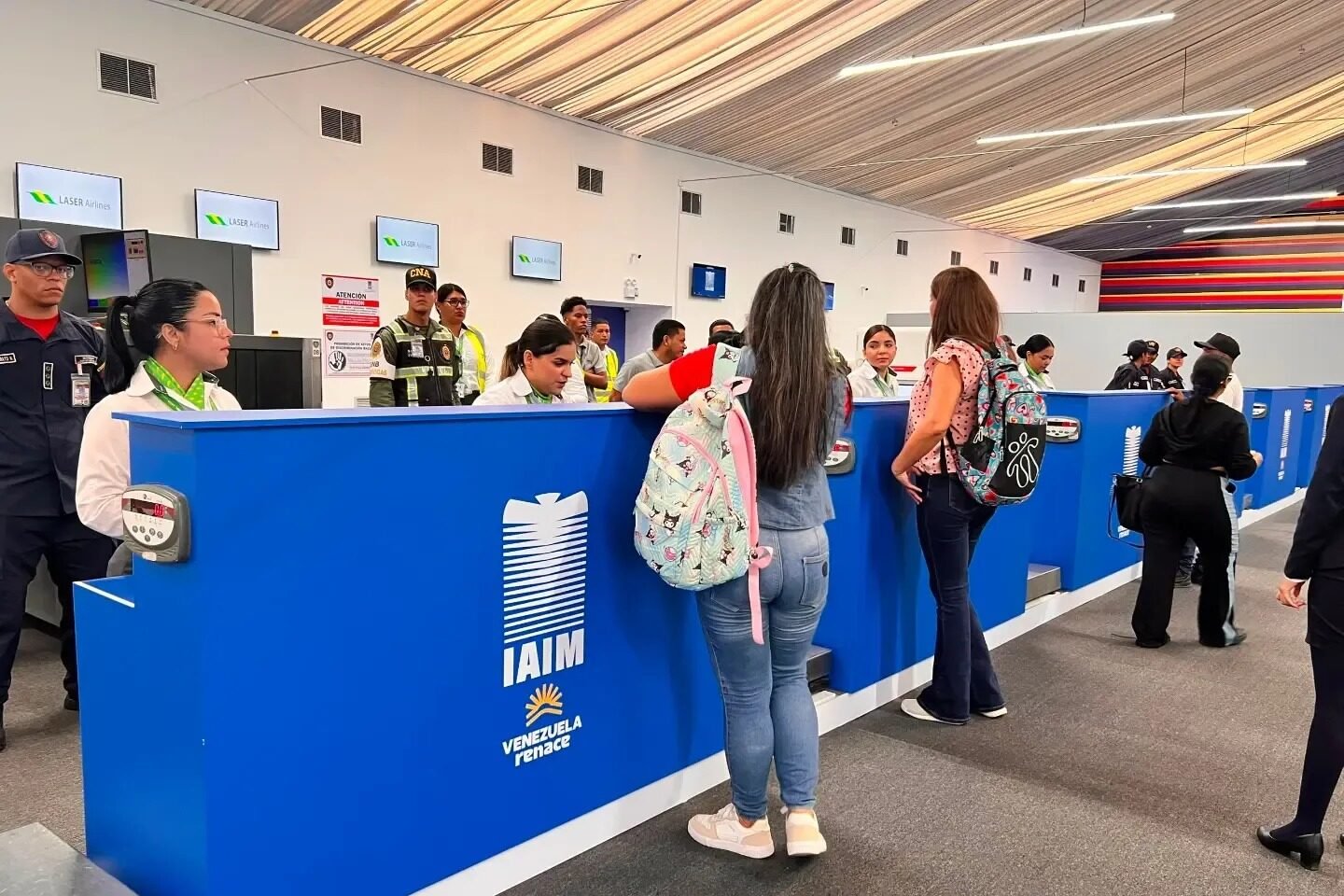
In parallel, President Donald Trump today ordered the reopening of Venezuelan airspace to U.S. commercial flights, revoking restrictions imposed after the breakdown of bilateral relations in 2019. Together, these developments form a package of easing measures that could revitalize Venezuela’s economy, which depends on oil exports for 90% of its revenue.