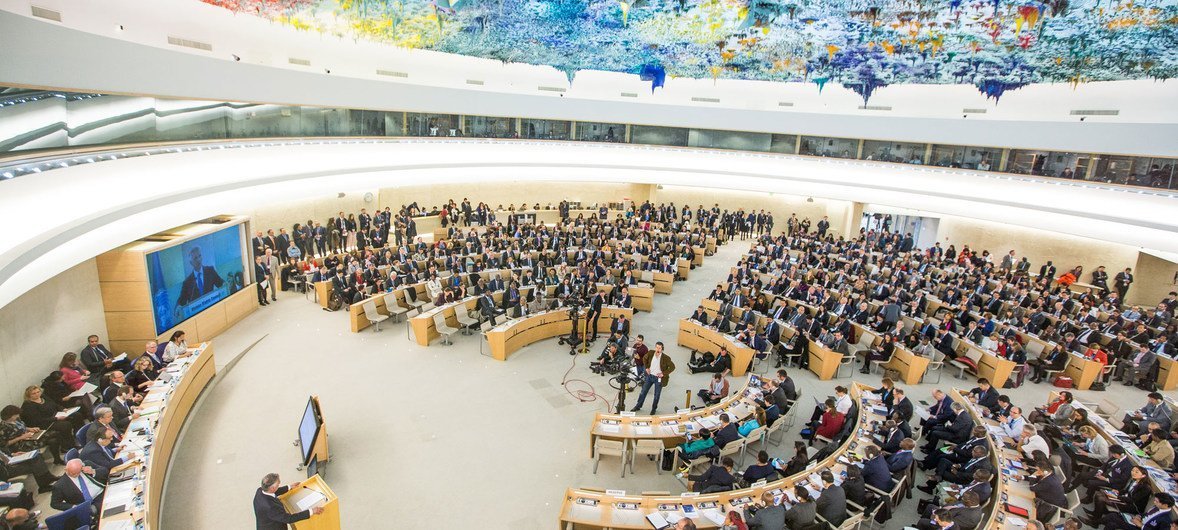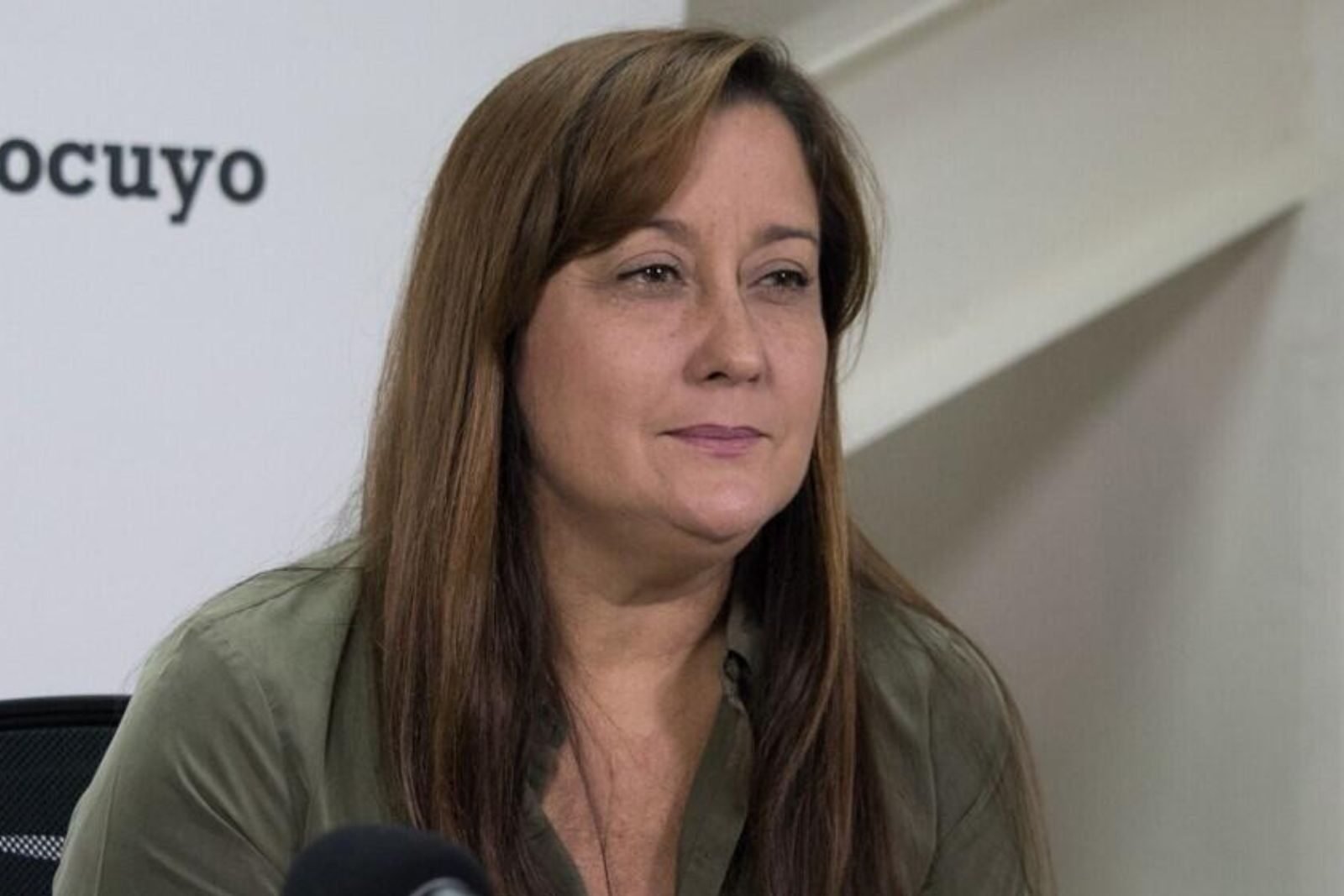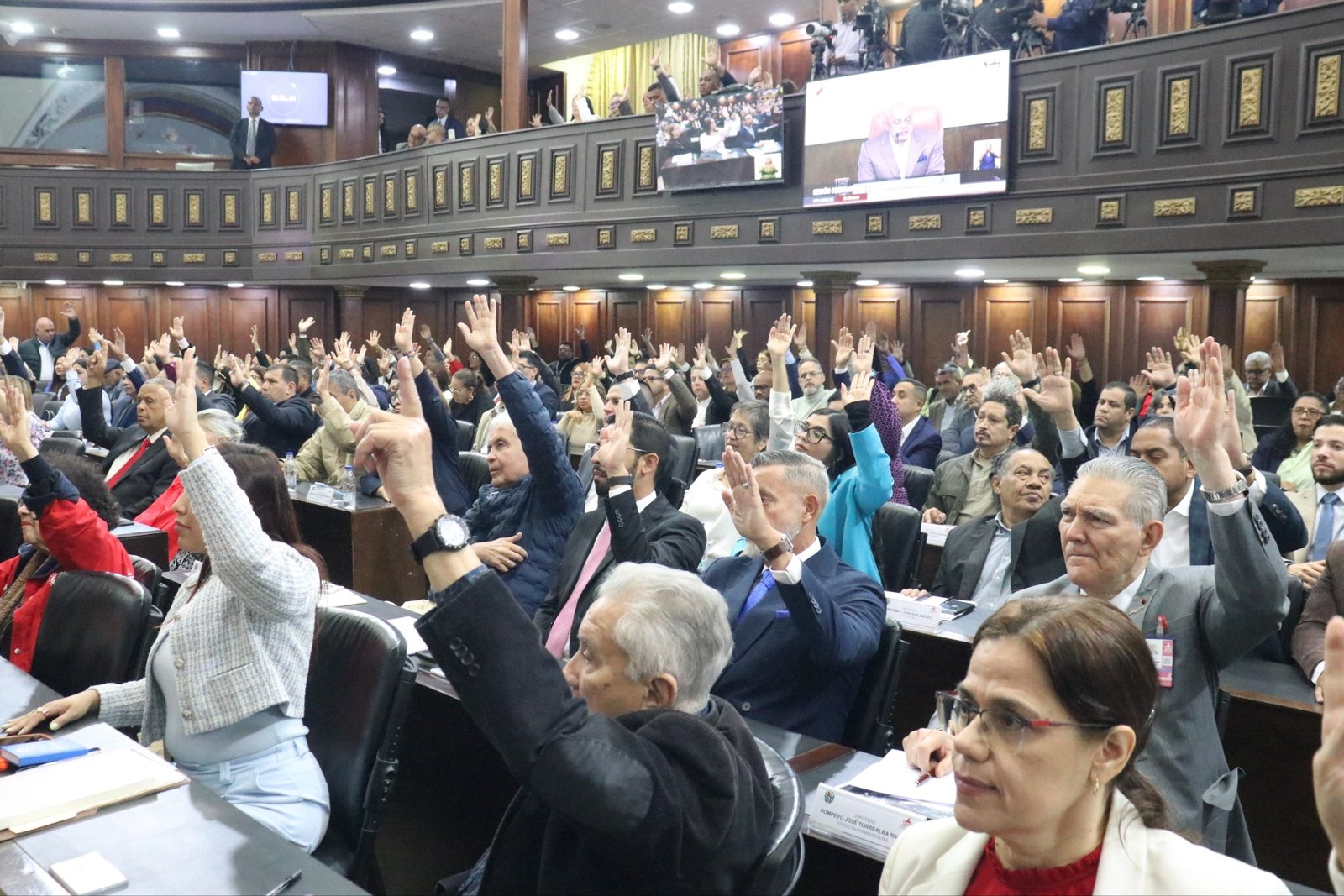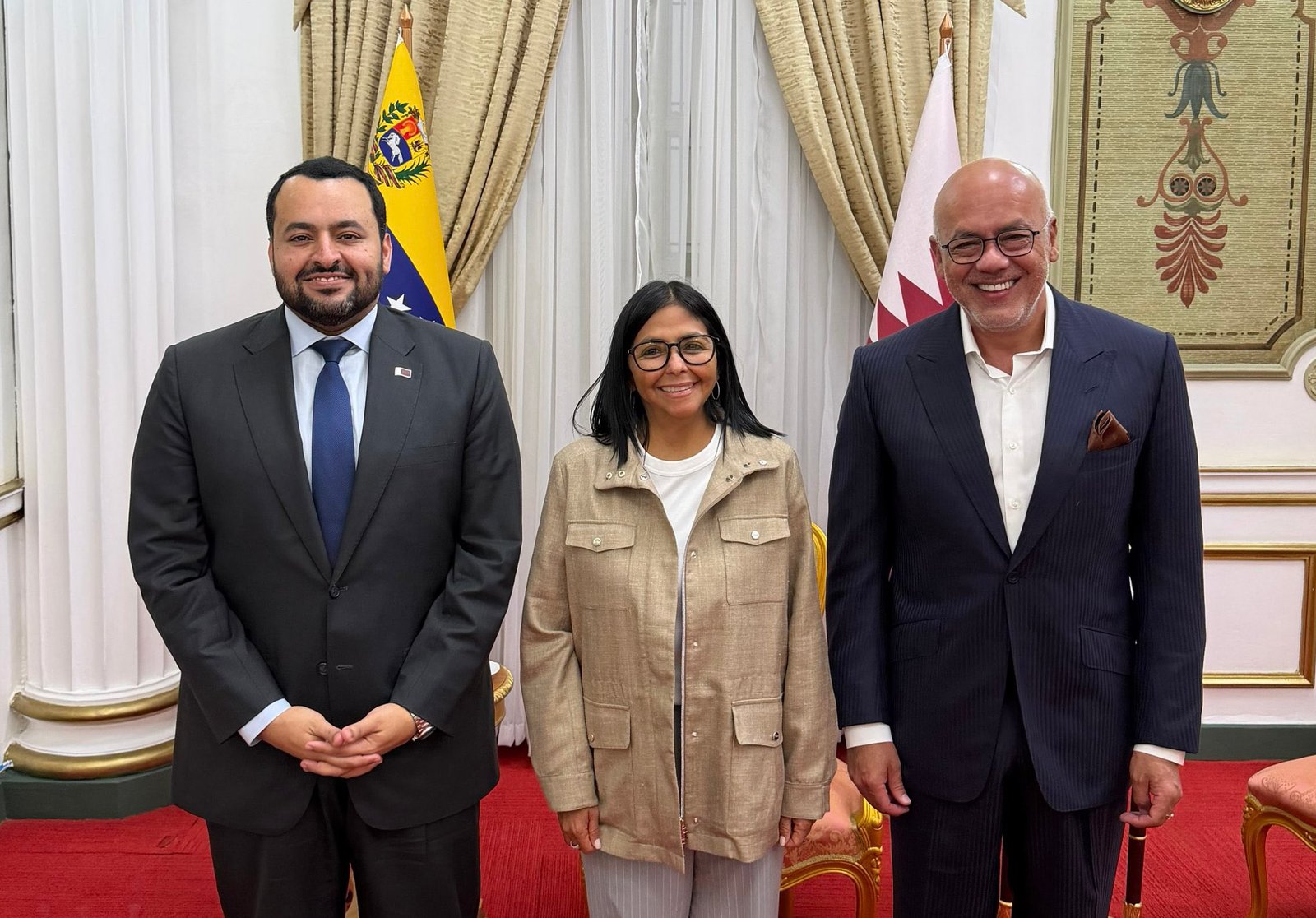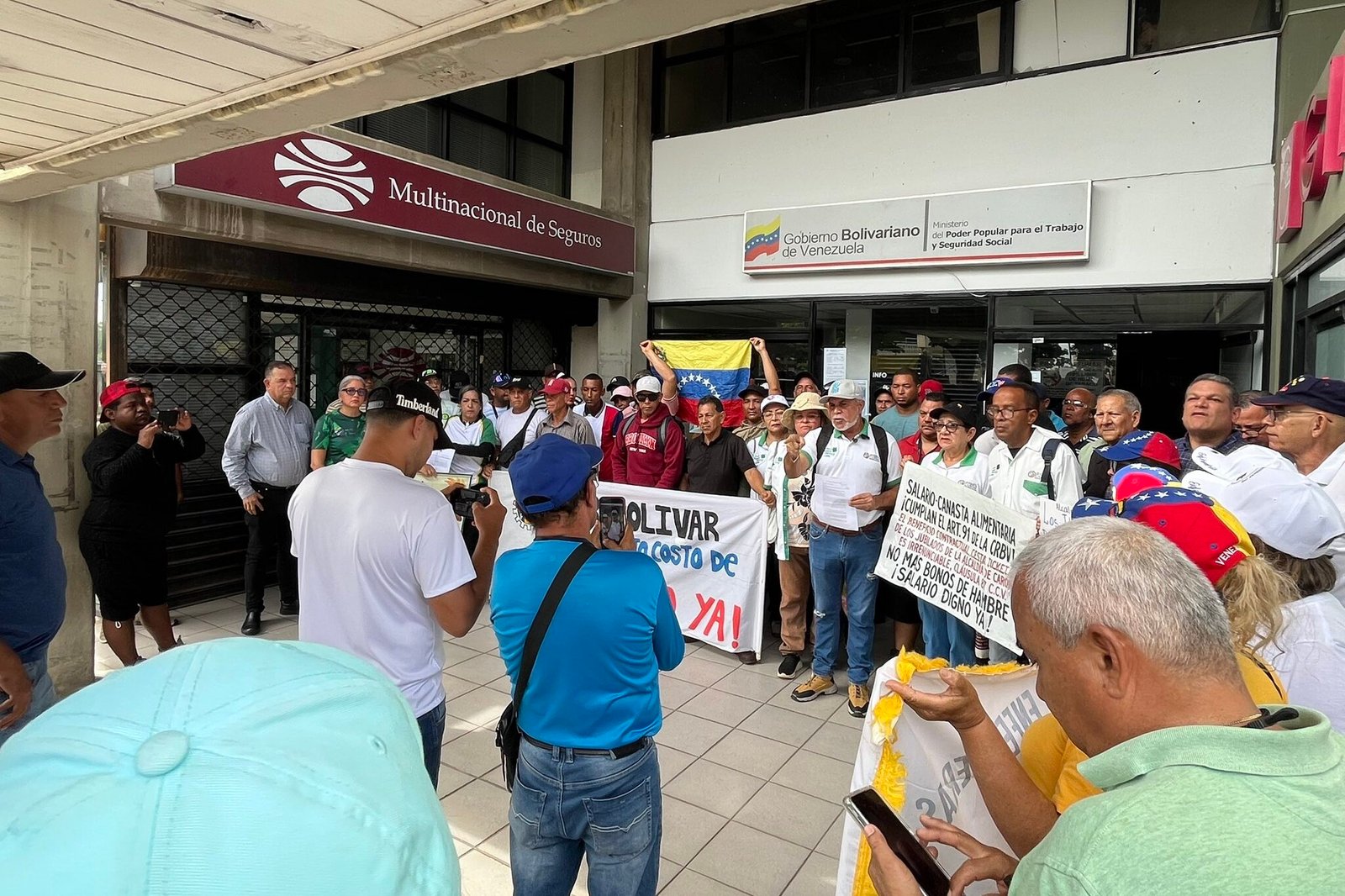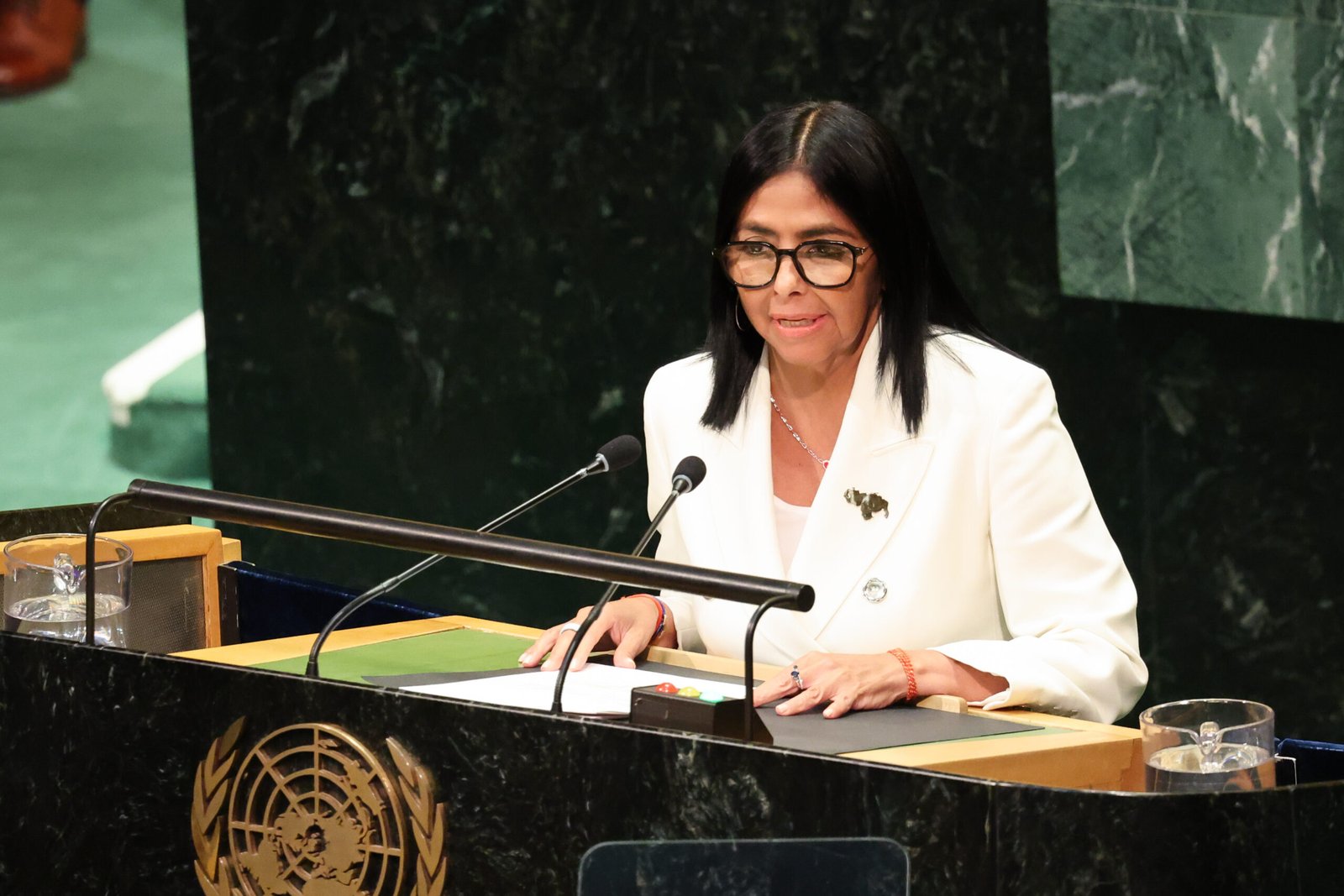
This dialogue takes place within the framework of the Program for Peace and Democratic Coexistence, an initiative launched by Acting President Delcy Rodríguez on January 23, 2026. The program aims to consolidate social, political, and economic stability in the country by promoting understanding, listening, and agreement among diverse sectors of society. The event was organized by the Free Democracy and Elections Chair, the National Understanding Project, in cooperation with the Institute for Integral Transitions (IFIT) and the Faculty of Economic and Social Sciences of the Central University of Venezuela.
Photograph: Luis Alejandro Ruiz
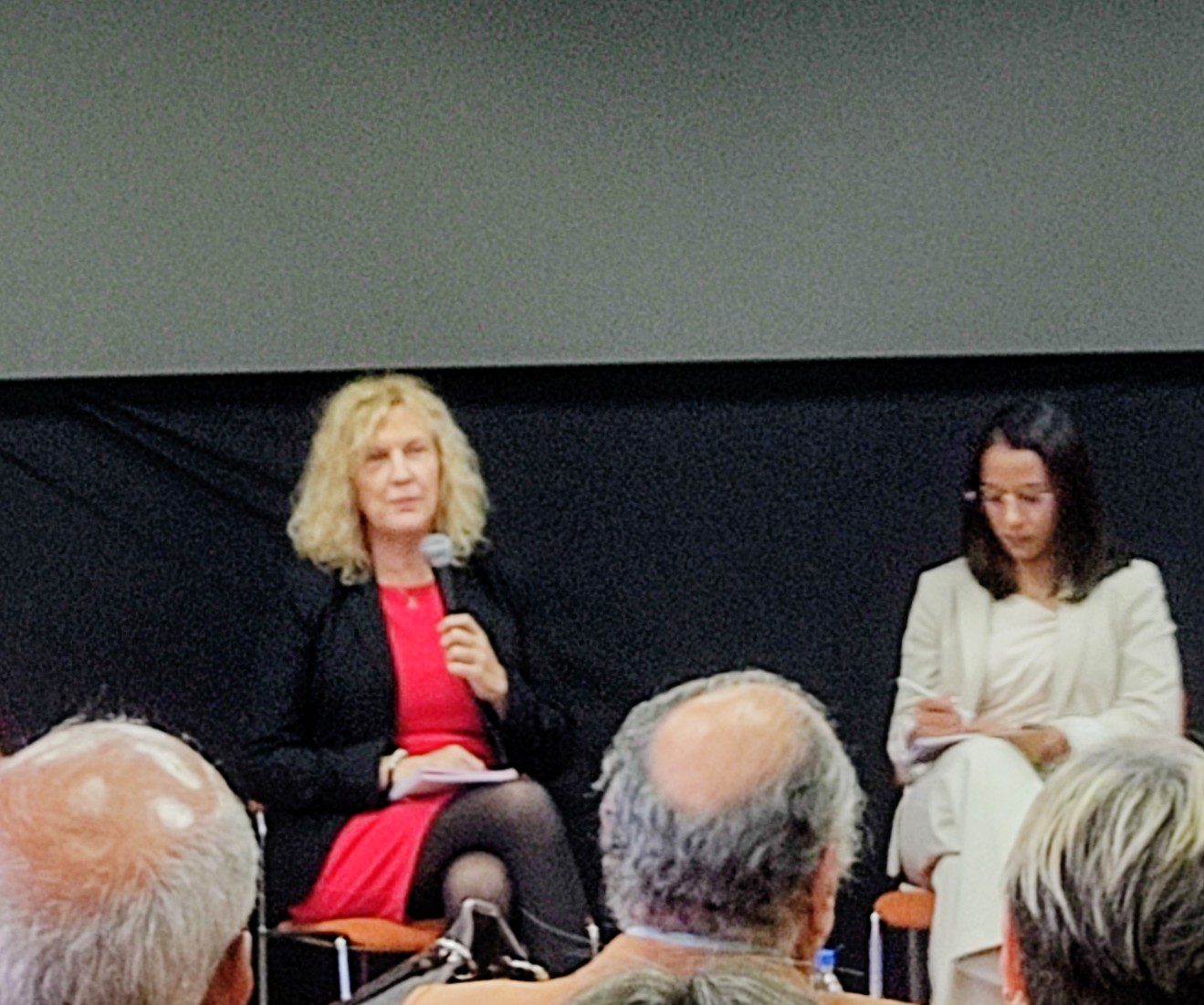
Caracas, February 27, 2026 – Various actors from Venezuelan society—academics, business leaders, and writers—gathered in a forum on understanding, stability, and political change to discuss the need for reconciliation and building a shared future. The event was organized by the Free Democracy and Elections Chair, the National Understanding Project, in cooperation with the Institute for Integral Transitions (IFIT) and the Faculty of Economic and Social Sciences of the Central University of Venezuela.
This dialogue takes place within the framework of the Program for Peace and Democratic Coexistence, an initiative launched by Acting President Delcy Rodríguez on January 23, 2026. The program aims to consolidate social, political, and economic stability in the country by promoting understanding, listening, and agreement among diverse sectors of society. The program was created with the participation of representatives from the government, academia, politics, the private sector, and civil society, and includes a 100-day action plan addressing local conflict resolution, support for victims of structural violence, and confronting hate speech.
A call for understanding and national reconciliation
Ana María Sanjuán, academic and executive secretary of the program, opened the forum emphasizing that without agreements, there can be no real politics—only a “savage war” between sectors imposing themselves by force. She highlighted that peace is not a path to follow but the path itself, citing the reflective spirit of historic pacifist leader Mahatma Gandhi. Discussion and empathy, she added, are essential to overcome wounds caused by years of political confrontation and social exclusion.
Sanjuán noted that the program’s purpose is to foster discussion on development models, social inclusion, and democratic coexistence, overcoming the polarization that has marked Venezuelan political life. She stressed that the National Assembly and its deputies have a historic responsibility to lead this transformation, promoting discussions on models that ensure social justice and political stability for all.
Economy and the construction of productive models
From another perspective, Francisco López, a business leader participating in the dialogue, called for greater transparency in key economic data such as inflation, livestock numbers, and milk production, stressing that publishing accurate figures is essential to attract investment. López emphasized that Venezuela must build its own economic models, moving away from the traditional oil dependency that has dominated the country’s economic history since the early 20th century.
López argued that there are real opportunities for immediate growth if associative schemes are created to connect producers with national and international markets. He also advocated for a deeper economic dialogue to define production and development strategies in sectors such as livestock and agriculture.
Wounds, culture, and citizen reconciliation
Writer María Elena Arcia contributed a reflective, cultural perspective, describing the wounds that politics and the crisis have inflicted on millions of Venezuelans: economic losses, family separation due to migration, imprisonment, and emotional trauma. Arcia noted that her motivation to write a book on reconciliation stemmed precisely from this collective pain and the lack of plural spaces for discussion.
According to Arcia, it is essential to abandon the demonization of opponents and understand that everyone is necessary in building a common future. She emphasized that the voices of young people, who are not only the future but the present of the country, must be heard and valued in social and political reconstruction processes.
Beyond words: a process of active listening
The interventions converged on the idea that contemporary Venezuela needs to disarm confrontational language, recognize shared responsibility in social fractures, and embark on a national path of reconciliation grounded in tolerance, respect, and civil dialogue. Sanjuán explained that wounds do not determine the future if there is genuine political will for reconciliation, highlighting the importance of concrete initiatives such as a broad Amnesty Law to facilitate the social and political reintegration of those excluded or persecuted for political reasons.