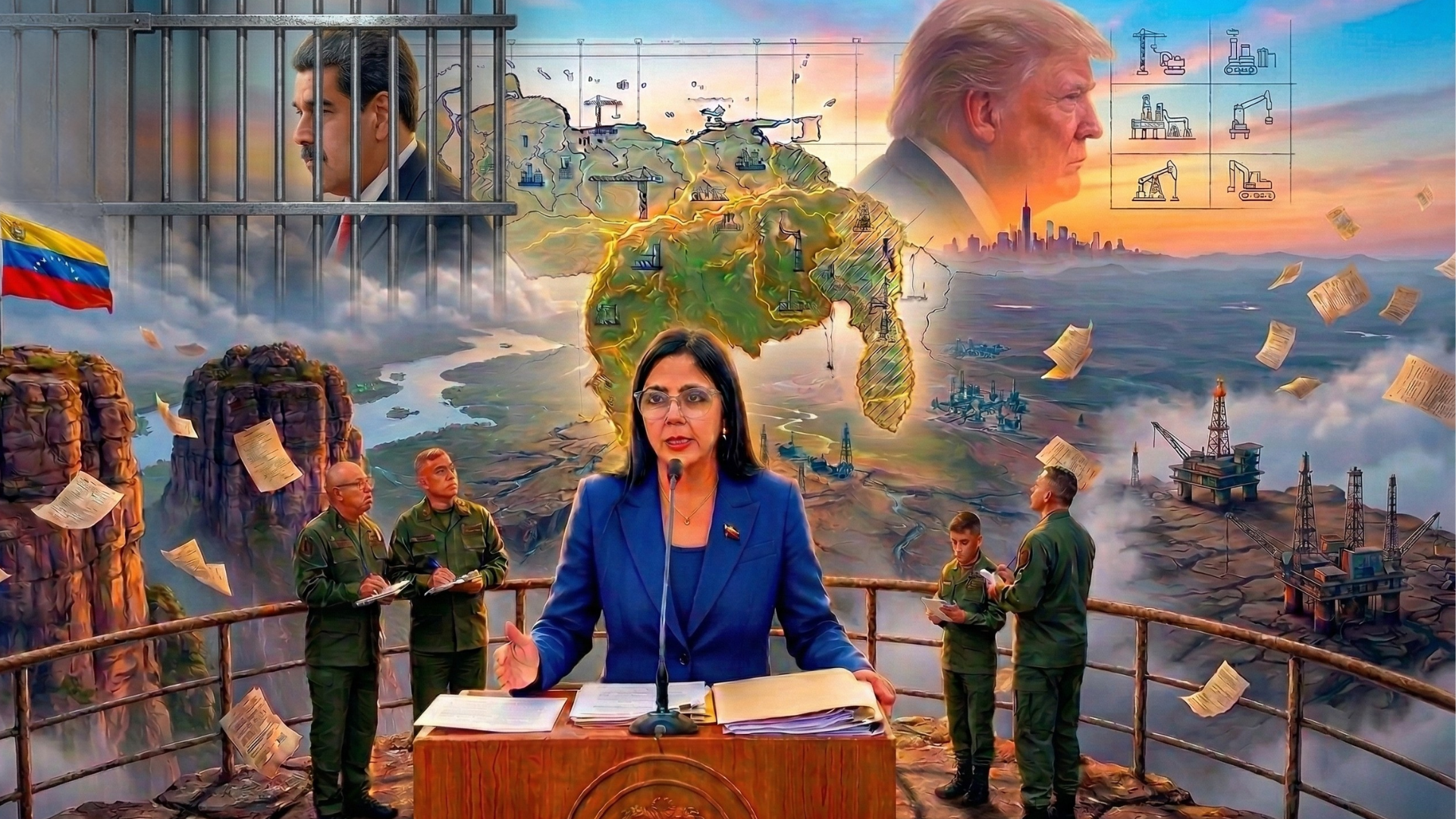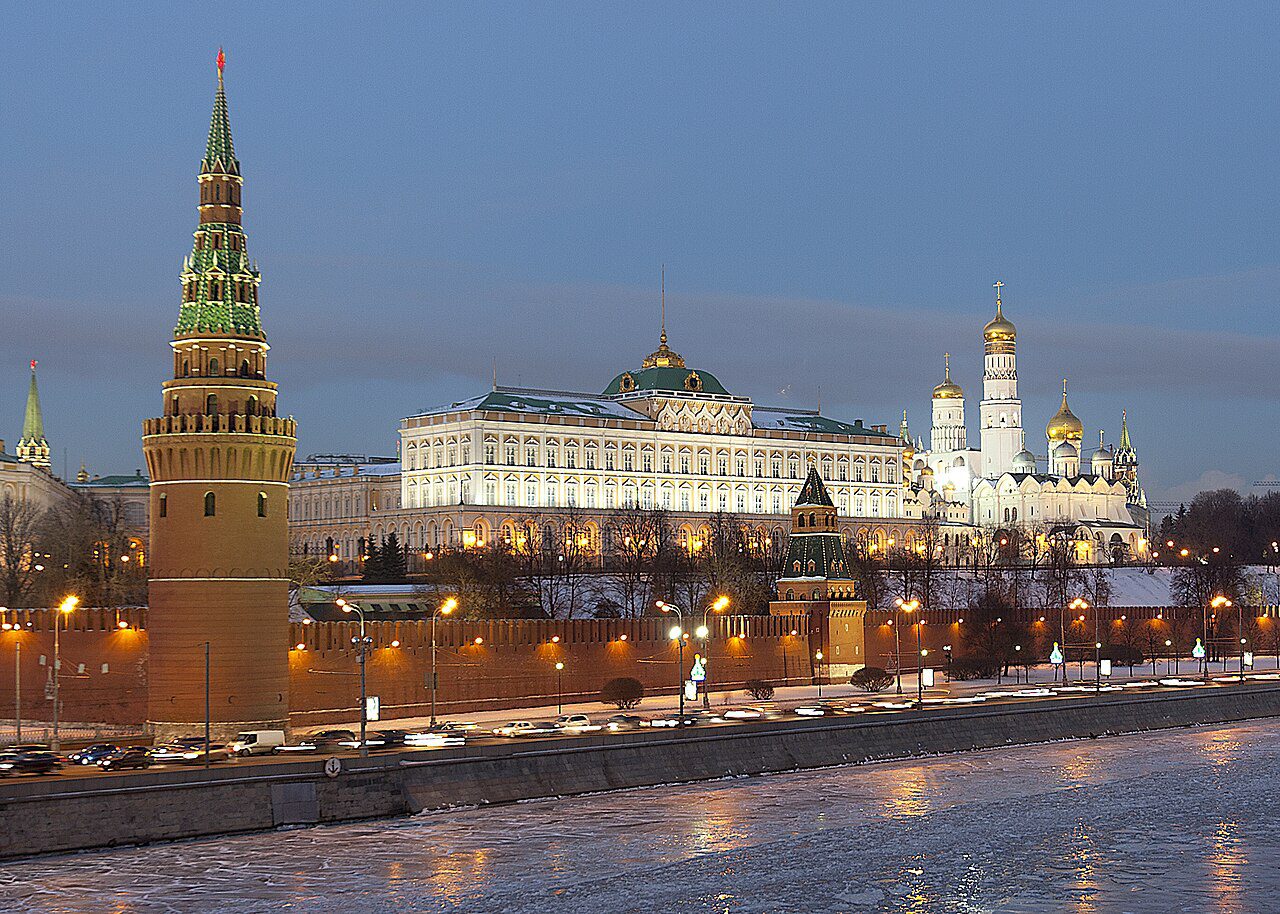
Moscow navigates between ideological loyalty and strategic realism, treating the Venezuelan situation with caution to preserve its interests and avoid further escalation of tensions. Fotografía: Moscow Kremlin, Russia / Pavel Kazachkov.
According to statements made on Monday, the Kremlin will maintain relations with Venezuela, a country with which it has remained in contact following the capture of Nicolás Maduro on January 3 by U.S. forces. This official position adds to a series of recent reactions that, while showing a cohesive discourse in defending bilateral relations, also reveal critical nuances toward the Chavista environment.
Various Russian government officials and diplomats have issued public statements in recent days, including condemnations of the military operation and even warnings of possible internal betrayals.
Official Voices Defend Venezuela
Dmitry Peskov, Kremlin spokesperson, emphasized on Monday the continuity of relations with Venezuela despite the changes, stating: “We have independent bilateral relations, we have several projects we are interested in continuing, we have investments in Venezuela.” Peskov added that he “knows well” Delcy Rodríguez, the current interim president, and maintains constant contact with Venezuela, according to Russian agency TASS.
On Sunday, Sergei Ryabkov, Russia’s Deputy Foreign Minister for North and South America, condemned the capture as a “flagrant violation of numerous provisions of international law.” Ryabkov insisted that Moscow demanded the release of Maduro and Flores “from the very first hours,” though he did not rule out the possibility of granting them political asylum, even if it is not currently under discussion, according to TASS.
Days earlier, on January 14, Foreign Minister Sergei Lavrov escalated the rhetoric by declaring that “the United States is crushing the world with its attack on Venezuela and its threats to Iran,” according to Reuters. Later, in his annual address, he denounced that the United States had carried out a “brutal armed invasion” by capturing President Maduro.
Criticism and Silences from Key Actors
On Sunday, Russian ambassador to Venezuela Sergei Melik-Bagdasarov criticized local military negligence during the U.S. operation: “There were at least two shots and both missed their target,” attributing it to poor training in Russian anti-aircraft systems such as the Igla. He also accused internal betrayals: “We know the names of these traitors who fled Venezuela,” he said on Rossiya-24.
Despite the range of reactions from the Russian government, President Vladimir Putin himself has avoided issuing an explicit condemnation of the U.S. intervention in Venezuela. However, he did express support for Cuba’s firmness in defending its sovereignty, following tensions with the United States after Maduro’s capture and the death of 32 Cuban fighters who tried to protect him.
At the end of 2025, the Strategic Partnership and Cooperation Agreement between Russia and Venezuela was enacted, strengthening bilateral alliances in political, military, and energy matters. The Kremlin’s caution seeks to preserve the coherence of that pact, showing support for its allies without further escalating the diplomatic conflict with Washington.
Distancing Without Breaking Ties
Russian discourse consistently condemns U.S. intervention as illegal and reaffirms commitments to Venezuela, prioritizing investments and long-term military cooperation. While some diplomats focus external criticism on Washington, government spokespersons highlight economic pragmatism.
It is noteworthy that subtle contradictions emerge: direct blame placed on Venezuelan personnel for negligence and betrayal, alongside unconditional defense of Chavista leadership. This friction suggests that Russia seeks to distance itself from operational failures without breaking alliances, while avoiding public support for a regime exposed as vulnerable.