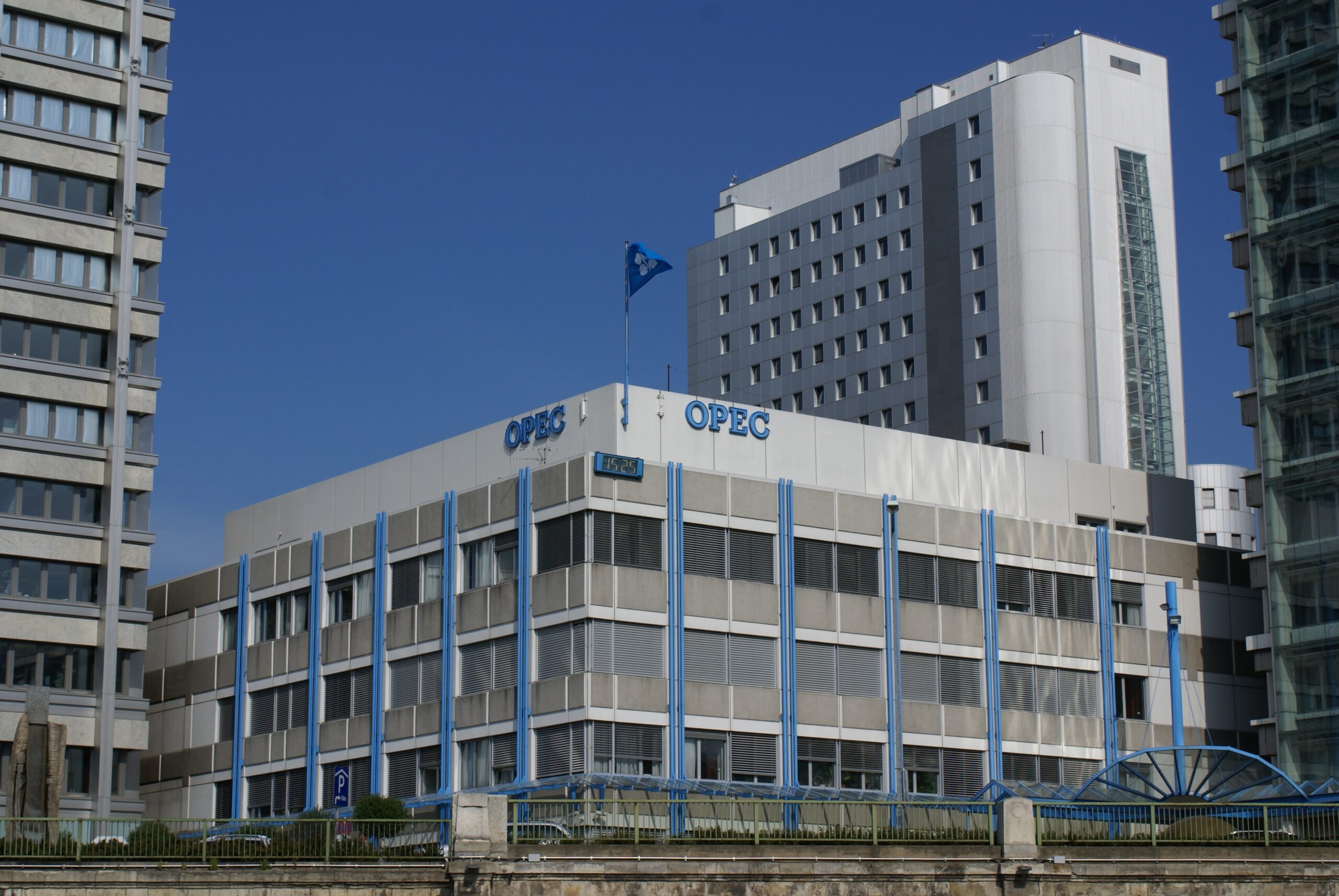
Image of the OPEC headquarters in Vienna, Austria. Photo: alex.ch.
Guacamaya, December 11, 2025. In its latest report, the Organisation of Petroleum Exporting Countries (OPEC) showed that Venezuela’s crude oil production fell by 2.8% to 934,000 barrels per day in November, according to “secondary sources.” It would have risen by 0.9% to 1,142,000 bpd according to the country’s own Ministry of Hydrocarbons.
The gap between primary and secondary sources has widened progressively throughout the last two years, with a discrepancy of more than 200,000 barrels per day. Internal PDVSA documents show an even larger output for November, signalling a possible case of overreporting figures based on economic or political incentives.
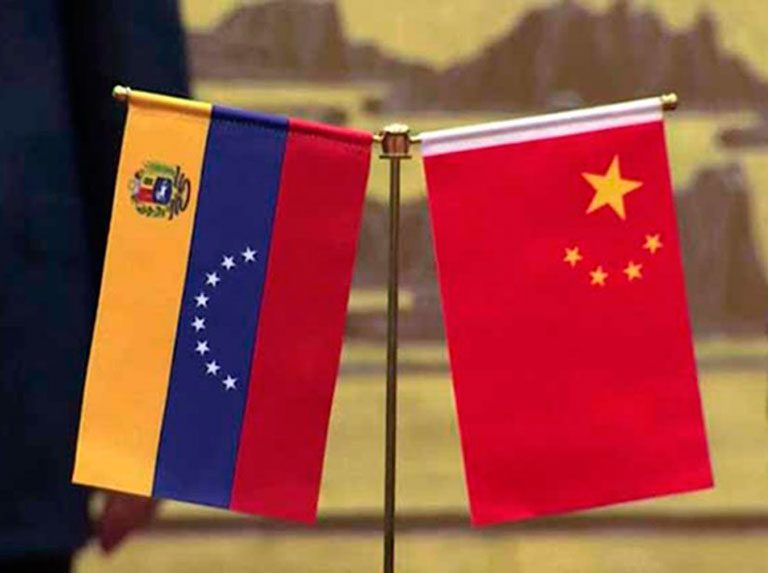
The discount of the Merey-16 benchmark to Brent grew slightly to $16 per barrel. However, Reuters has reported that buyers in China are demanding as much as double that discount, as the “teapot refineries” market is simultaneously flooded by Iranian and Russian crude.
Production could be severely impacted by the U.S. seizure of a tanker carrying Venezuelan crude in international waters, given that the South American country also needs imports of diluents that often arrive through sanctioned shadow fleets.
While between 2023 and 2024 surges in production were largely thanks to a combination of U.S. licenses and Caracas offering the “Chevron model” for joint ventures, this year the top performers have benefited from the “Productive Participation Contract,” also known as CPP. Companies working under this form of partnership include China Concord Petroleum, Hainan Breey Energy, North American Blue Energy Partners, Vulcan Energy Technology, and Miller Energy.