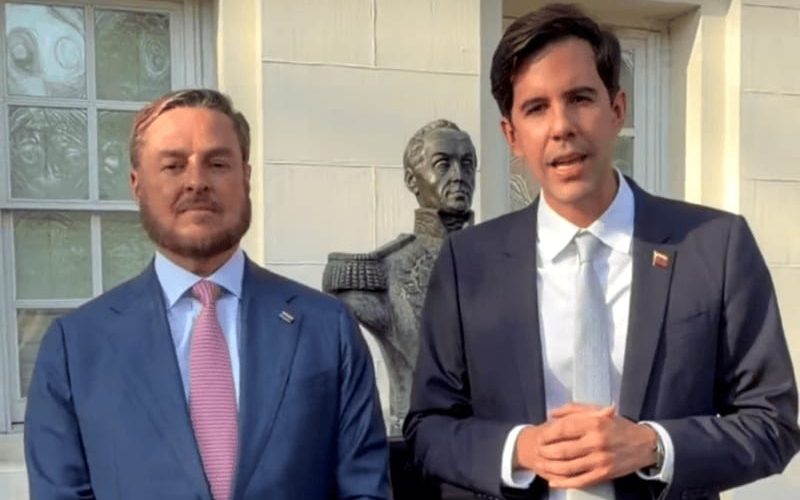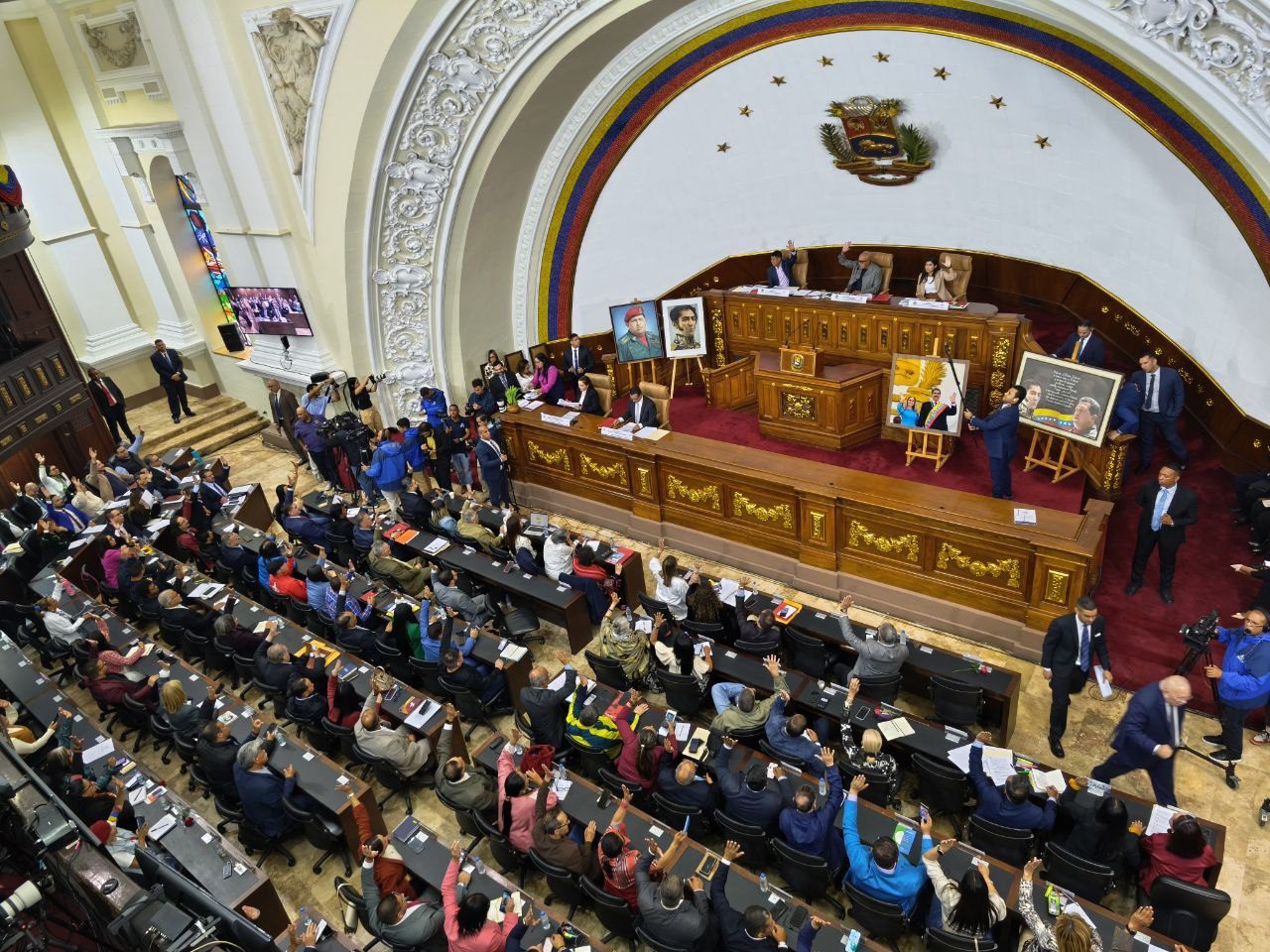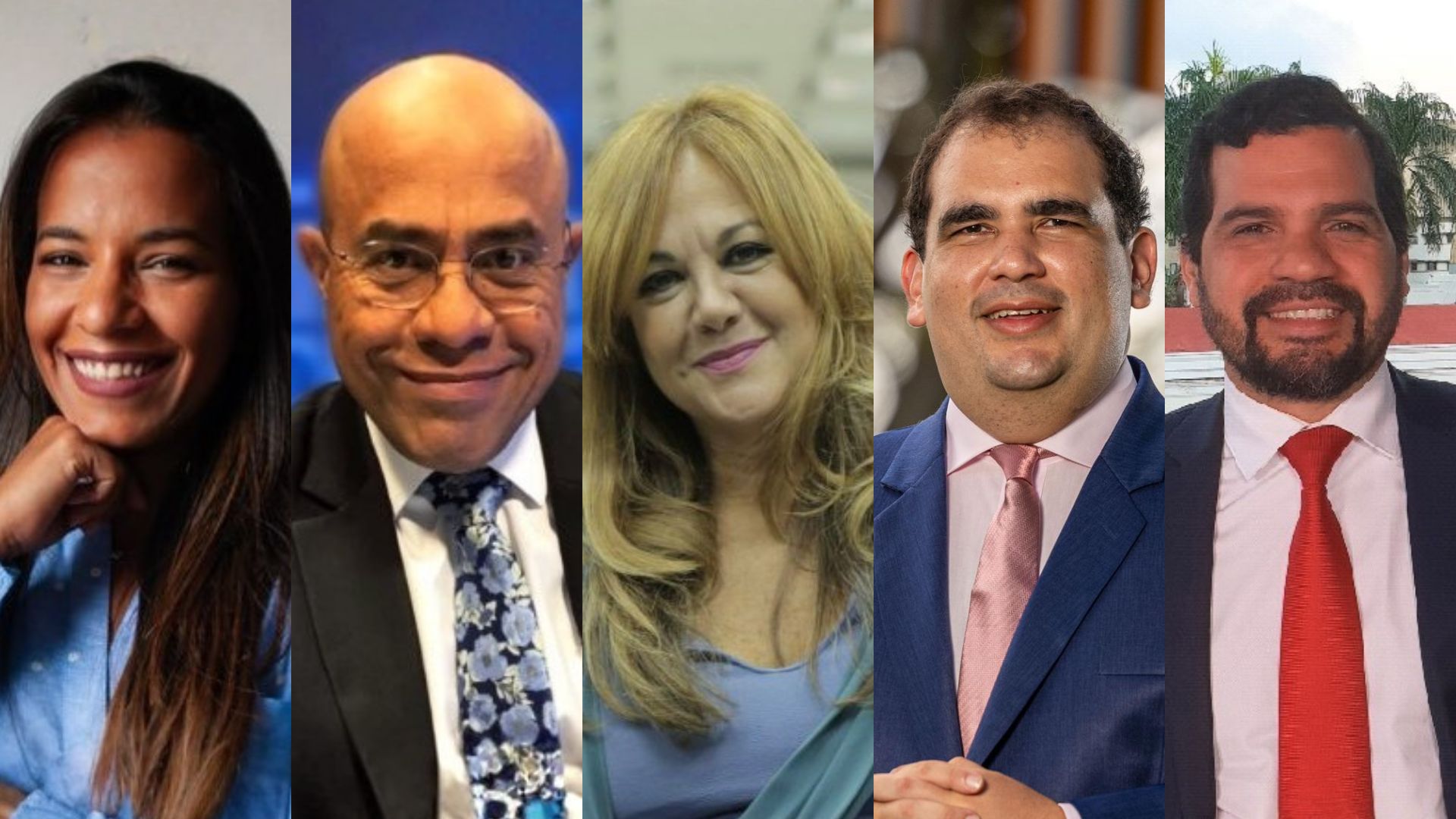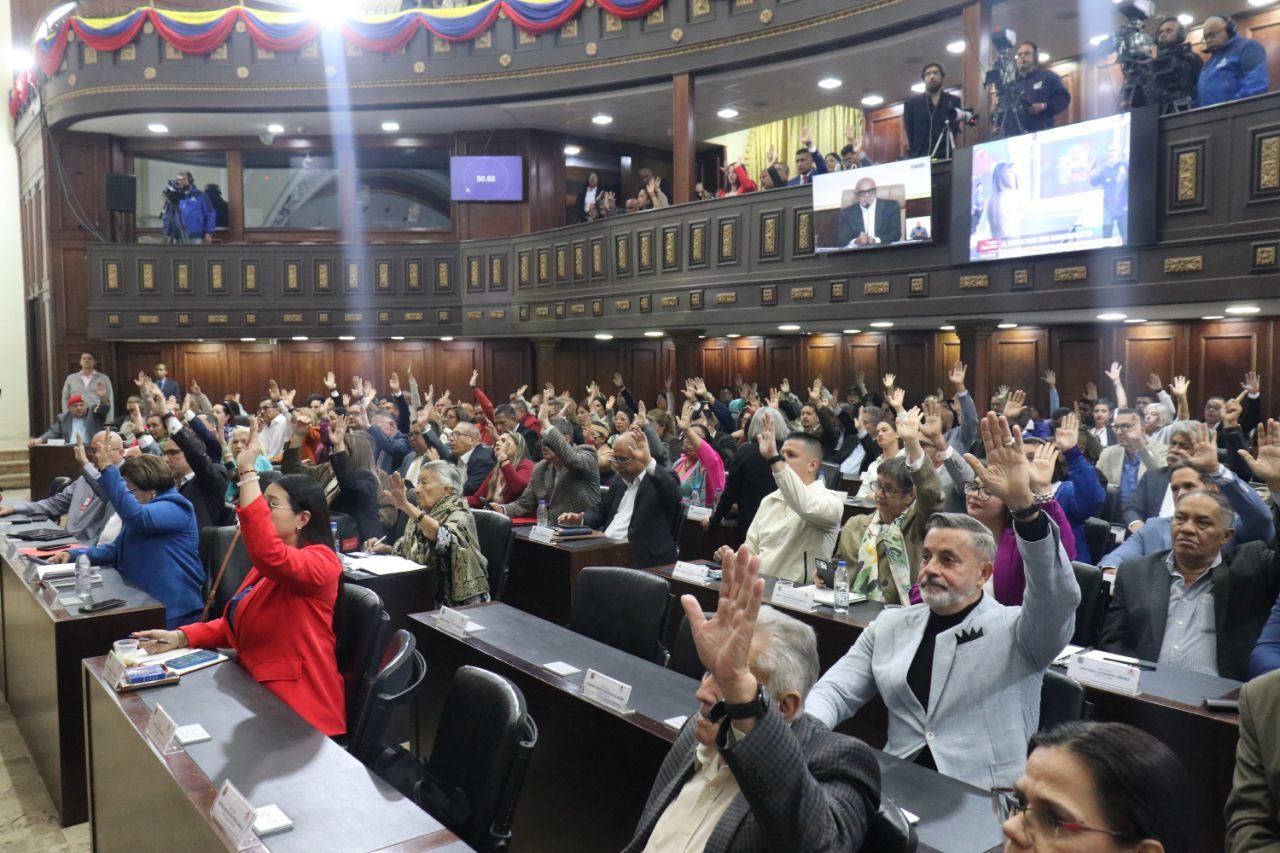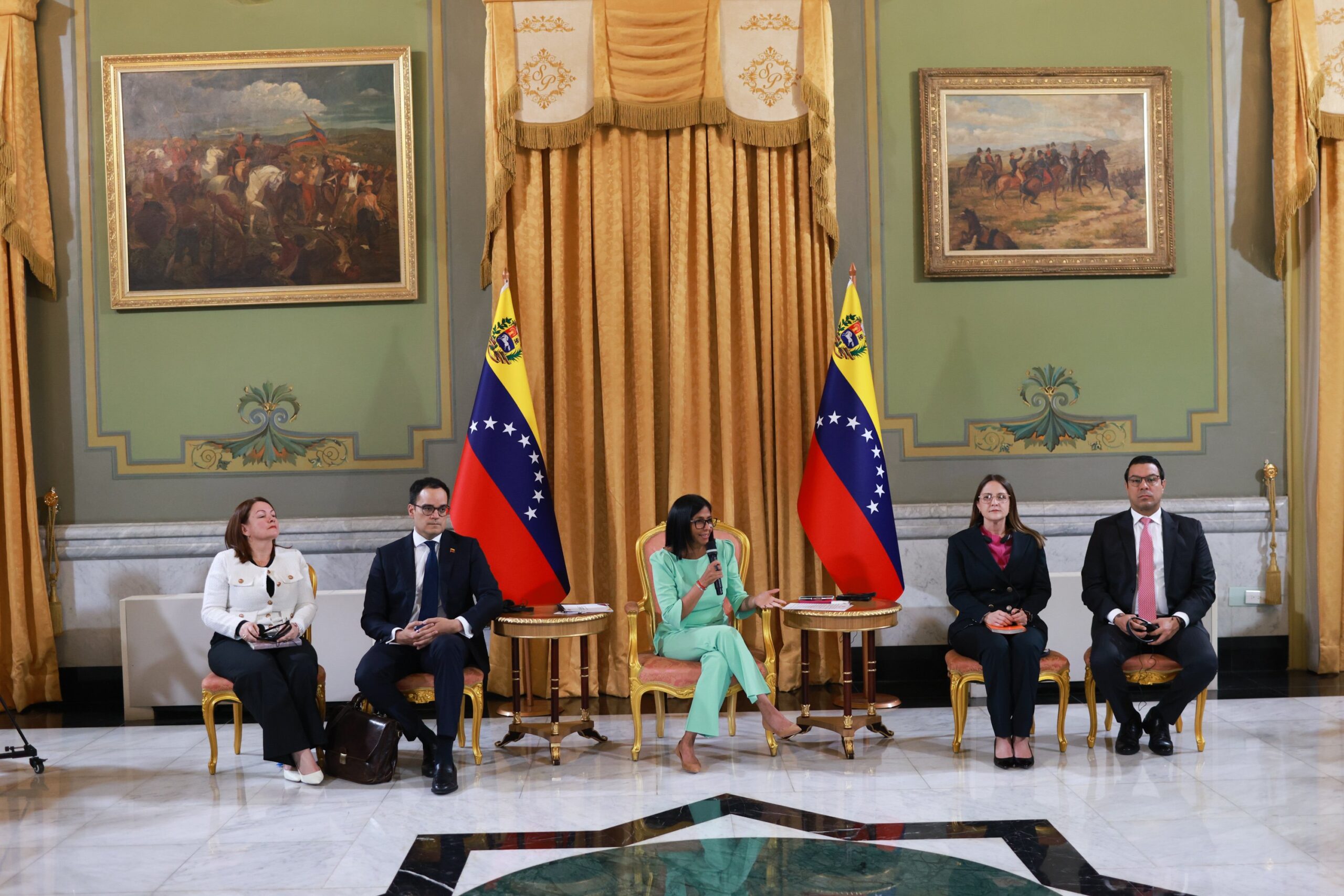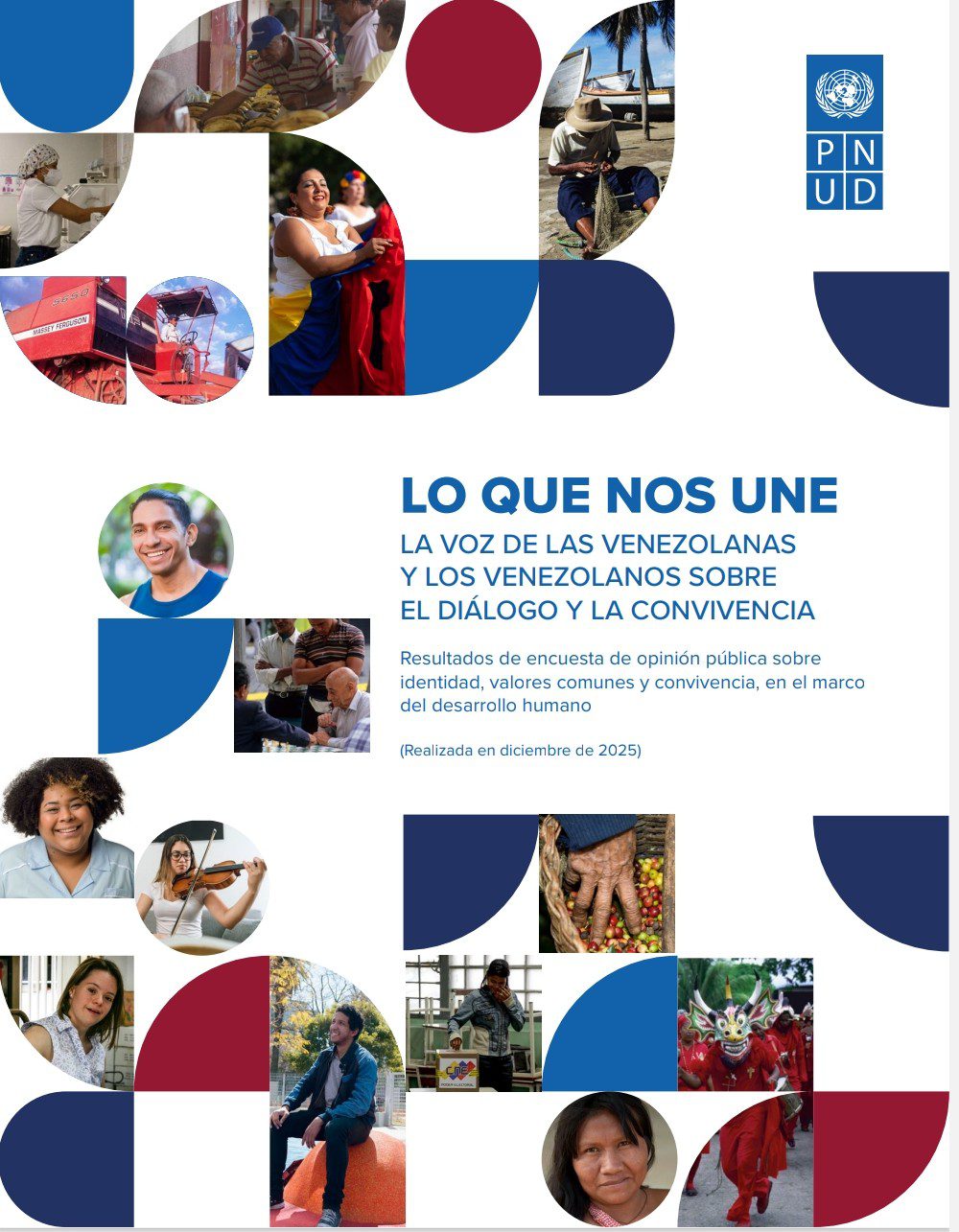
The United Nations Development Programme (UNDP) in Venezuela has released the results of the survey “What Unites Us: The Voice of Venezuelans on Dialogue and Coexistence,” conducted between November and December 2025. Photograph: UNDP Venezuela
Guacamaya, february 20, 2026. A national study reveals a broad willingness for dialogue, although confidence in discussing political issues remains low and concerns about the economic situation and ongoing conflicts persist.
The United Nations Development Programme (UNDP) in Venezuela has released the results of the survey “What Unites Us: The Voice of Venezuelans on Dialogue and Coexistence,” conducted between November and December 2025. Based on face-to-face interviews with 1,295 adults from socio-economic strata C, D, and E, the report offers a detailed snapshot of social cohesion in the country. It concludes that Venezuela is neither a fully cohesive nor a completely fractured society: significant social assets coexist with deep tensions.
Strong national identity and near-universal pride
One of the most striking findings is the extraordinarily strong sense of national identity. A total of 98.8% of respondents say they are proud to be Venezuelan, while 64.1% believe the country shares a common destiny beyond political differences.
Emotions toward living alongside people with different views are largely positive: hope and a sense of unity account for 65.6%, far outweighing feelings such as distrust or fear.
The factors that most unite Venezuelans are deeply rooted in everyday life:
1. Family and caring for children (87.1%)
2. Work and the desire to “get ahead” (86.9%)
3. The wish to live in peace (86.3%)
4. The aspiration for economic improvement (85.7%)
When asked to choose a single factor, nearly three-quarters prioritize family, work, and the economy, suggesting that social cohesion is grounded more in concrete needs than in abstract symbols.
Pragmatic values focused on survival and progress
The study highlights that Venezuelans place high value on the ability to work and move forward, solidarity in difficult times, creativity, and joy.
Current collective motivations are dominated by:
1. Moving forward despite hardships
2. Prioritizing family care
3. Collaborating to improve the country
At the individual level, daily motivation is driven mainly by family support, improving one’s personal situation, and achieving economic stability.
Majority favors dialogue and negotiated solutions
The report shows a clear preference for negotiated solutions over confrontation. Among those who perceive conflicts in the country (77.6%):
84.6% prefer resolving them through agreements
Only 9.5% favor confrontation
Additionally:
86.3% believe negotiating is not surrender
79.9% think both sides must make concessions
65.3% believe agreements between opposing actors can work
When asked about the most effective path to address national challenges, negotiation among Venezuelans received the highest support (46.4%).
Strong rejection of violence
The population shows a clear aversion to violent solutions:
77.4% believe violence would worsen problems
72.6% reject using violence to achieve change
In the event of escalating violence, the main concerns are human losses: loss of life (33.4%) and loss of loved ones (23.8%), underscoring the priority placed on preserving life.
Everyday cooperation despite broader distrust
Although there is general distrust toward the system, mutual support prevails in close social environments:
88.9% believe people can overcome difficulties by working together
59.6% say they trust most Venezuelans
68.1% report having received help regardless of political differences
82.2% perceive efforts to maintain unity in their surroundings
These findings suggest that cooperation functions in daily life even when institutional trust is limited.
The major obstacle: political coexistence
The main barrier to cohesion emerges in the public sphere. Only 18.6% frequently discuss political or social issues with people who think differently, while 54.7% believe there is insufficient respect for debate without aggression.
Coexistence is seen as possible but often conditional: 35.5% say it works only if certain topics are avoided.
According to the study, the problem is not a lack of willingness but the absence of conditions for respectful, sustained dialogue.
Conflicts perceived as political and economic
A large majority (77.6%) acknowledges conflicts in the country, primarily identified as:
1.Political (51.7%)
2. Economic (31.5%)
3.International (11.9%)
Only 2.2% see them as a social rupture among citizens, indicating tensions are concentrated at the institutional rather than interpersonal level.
Cautious optimism about the future
Despite the prolonged crisis, the report detects significant hope:
65.3% believe the country could improve in the coming years
63.6% think maintaining conflicts would worsen the situation
This optimism coexists with the view that resolving disputes is essential for recovery.
A society with potential for coexistence, but no guarantees
UNDP concludes that Venezuela possesses important social resources — shared identity, pragmatic values, everyday cooperation, and a preference for agreements — that form a foundation for coexistence. However, these assets cannot replace the need for institutional, economic, and legal conditions capable of turning these dispositions into sustainable agreements.
The study is presented as a baseline to understand how citizens perceive coexistence and conflict from a human development perspective, aiming to contribute to a more informed public debate about the country’s future.
UNDP survey guides possible roadmap for Venezuela’s Commission for Coexistence and Peace
The national survey conducted by UNDP has become a key technical input for the work of the Commission for Coexistence and Peace. The study highlights high levels of social capital, strong demand for agreements, and widespread rejection of conflict — factors shaping proposals in political, social, and economic spheres.
The commission has sought to ground its efforts in an independent statistical diagnosis produced by UNDP, viewed by its members as an objective basis for reconciliation initiatives.
Political scientist Michael Penfold, a member of the body, wrote weeks earlier on X that the data provided by the UN agency were accepted as a central reference to complement individual perceptions and avoid decisions based solely on political intuition. According to him, the survey is nationally and regionally representative and was presented directly by UNDP to the commission.
Penfold emphasized that the findings reveal a crucial trait of Venezuelan society: substantial social capital. Even under adverse conditions, citizens demonstrate a strong capacity to solve everyday problems through informal cooperation, solidarity, and community organization.
However, the study also identifies a structural challenge. While Venezuelans effectively manage small-scale practical conflicts, they struggle to address large, complex issues spanning the political, social, and economic domains. These tensions, tied to polarization and prolonged crisis, require broader institutional solutions and wide-ranging consensus.
One of the most significant findings is the high demand for cross-sector agreements. According to Penfold’s interpretation, people across income levels want negotiated solutions capable of addressing major national problems without undermining daily well-being or fundamental rights.
This emphasis on negotiated solutions aligns with broader survey results indicating that most Venezuelans reject conflict and prioritize practical agreements that improve everyday life.
In this context, the survey is conceived as a strategic tool to structure the commission’s work across three main dimensions — social, economic, and political — translating public sentiment into concrete proposals for stability, democratic coexistence, and institutional recovery.
The initiative also seeks to involve a wide range of actors — academics, social leaders, business representatives, and political figures — in a plural consultation process aimed at building consensus grounded in evidence rather than ideology.
Ultimately, the UNDP diagnosis functions not only as a description of Venezuelan society but as a compass for transforming citizens’ cooperative disposition into structural agreements capable of tackling large-scale challenges. The Commission for Coexistence and Peace hopes that this data-driven approach will enable sustainable, shared solutions in a country marked by deep divisions yet persistent aspirations for resolution.