Ricardo Cusanno is a Venezuelan businessman. He was President of Fedecámaras (2019-2021) and of the Restructuring Board of the Venezuelan Red Cross (2023-2024).
Guacamaya, January 18, 2025. For years, Venezuela navigated a perfect storm: suffocating international sanctions, a decimated productive apparatus, and a narrative that pitted the State and private enterprise as irreconcilable enemies. Those of us who decided to stay and sustain businesses, jobs, and supply chains did so driven by an unwavering faith in the country and its people. Today, faced with a geopolitical shift of historic proportions, that resilience is not only finding recognition but also its greatest opportunity.
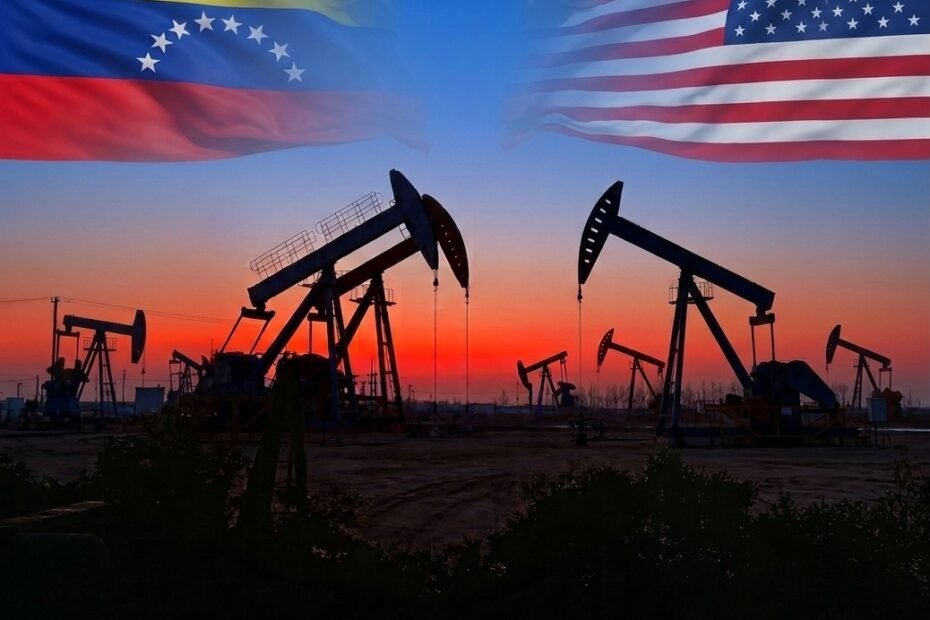
The change in the international scenario, with the new United States strategy towards Venezuela, has brought an unavoidable fact to the table: international capital is ready to return en masse, with a primary focus on energy and minerals.
Far from being a threat, the return of international capital is the great lever we have been waiting for to achieve genuine and sustainable reconstruction. The real challenge—and our urgent call—is to ensure that this influx does not supplant us but empowers us, integrating the national productive sector as a fundamental pillar of this renaissance. A strong state is built on a diverse and robust economy, and this is our historic opportunity to lay its foundation.
In this context, we view positively the announcement of a legislative initiative aimed at modernizing the legal framework, as it implicitly recognizes that regulatory updates are an indispensable requirement to generate the confidence demanded by both national and international investors. However, the mere substitution of laws is insufficient. The true test will lie in the specific content of the new regulations and in their ability to translate into tangible legal certainty that effectively removes the obstacles currently hindering production, investment, and trade—all of which are essential tools for building better living conditions for those of us living in the country.
The Strategic Opportunity: Beyond Barrels
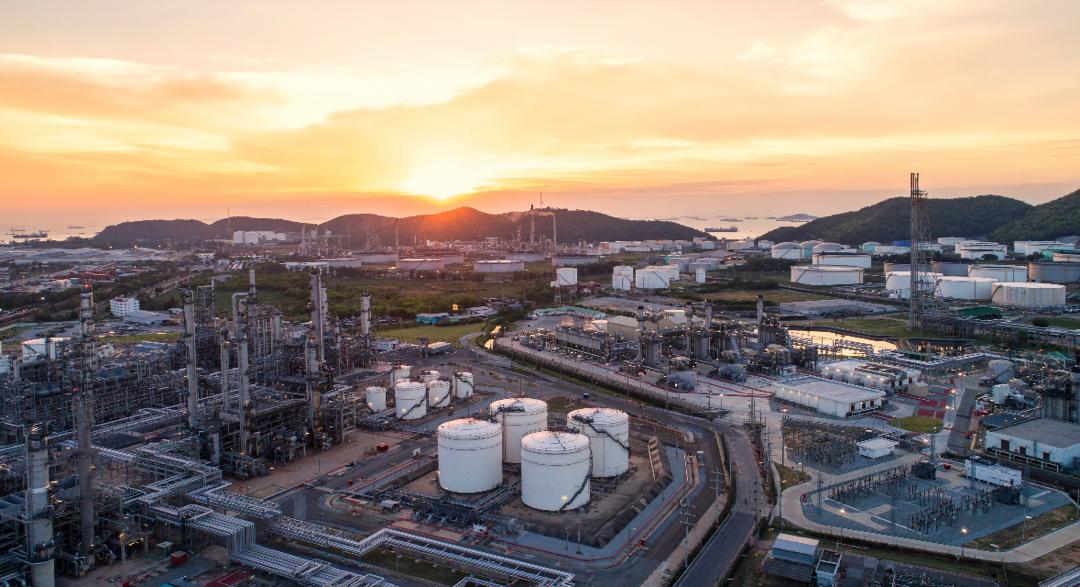
The scale of the opportunity is colossal. Venezuela possesses the world’s largest proven oil reserves, but its current production is a mere fraction of its historical potential. Experts project that, under the right conditions, production could increase by 40% by 2027 and aspire to recover levels of millions of barrels per day in the next decade.
To achieve this, investments measured in hundreds of billions of dollars will be required. This is not a passive call to wait for the arrival of capital. It is a call for coordinated action to place the national productive sector—entrepreneurs and workers—at the center of this rebirth. Major U.S. energy and service companies are already positioning themselves, and now it is up to the national productive sector to be ready for these challenges. Their expertise and capital are necessary, but the physical reconstruction of the industry, logistics, power generation, and associated supply chains must act as a catapult for local industry.
The mining sector, with international companies maintaining key alliances, presents another frontier of opportunity, not only in gold but also in strategic minerals like coltan and nickel, among others, which are essential for the global technological transition. Here, national and international capital can forge alliances to develop a high-value industrial hub.
Indispensable Conditions: Trust, Clarity, and Complementarity
For this opportunity to materialize for the benefit of all, solid foundations are required. International investors, despite their enthusiasm, are categorical in pointing out the obstacles: a legal framework that generates legal security. The legislative reform initiative proposed by the Acting President is an opportunity to generate trust, and it is necessary for all of society to engage in this discussion, as our future will depend largely on these agreements.
Therefore, we propose two fundamental pillars for this new stage:
1) A Pact of Guarantees and Reciprocity: It is imperative to work towards an agile and coherent legislative reform that offers long-term certainty. The mention of a possible “non-application” of norms through extraordinary mechanisms, while potentially offering initial agility, does not substitute the need for a stable, predictable, and transparent legal order. Foreign investment must, in turn, commit to technology transfer programs, local talent training, and productive linkages that prioritize Venezuelan suppliers. The goal is not to isolate ourselves, but to integrate from a position of strength and confidence.
2) A Permanent State-Productive Sector Technical Roundtable: This space, far from being a decorative or bureaucratic figure, must be the core where sectoral policies are designed. Its mission would be to assess the impact of each major project (oil, mining, gas) on the national industry, anticipate distortions, and create mechanisms for Venezuelan small and medium-sized enterprises to become qualified suppliers of goods and services. The priority must be to create a virtuous circle where profits from the strategic sector are reinvested in diversifying the local economy.
A Call for Joint Action
The moment demands pragmatism and a state vision. To the authorities, we urge that the announced legal transformation process crystallize into an authentic dialogue with the productive sector to jointly build the environment of trust that capital demands. The clarity and stability of the rules are the basis for strengthening internal productive capacity. To Venezuelans, we urge you to be co-participants in strengthening the State.
To the national duo of Business and Workers, we remind you that your knowledge of the local landscape, your resilience, and what human capital means are irreplaceable assets that we must valorize. And to international investors, we extend a firm hand, offering you a country with unique potential and a private sector eager to be a strategic partner, not a spectator.
Venezuela is at a crossroads that could define its productive future for decades. We can let international capital flow and operate in an enclave, or we can all build the agreements that turn this influx into the definitive engine of a sovereign, diversified, and thriving economy. The stated intentions are a first step. Now, determined action and the building of consensus are required. The task is monumental, but the will of those of us who believe in and have worked for this country is even greater.
Staying, today more than ever, was the right decision. Defending dialogue, rejecting anything—internal or external—that hindered the country’s improvement was controversial, but undeniably correct.
Now is the time to build, together, on firm and clear foundations, the productive country we deserve. The inclusive and productive Venezuela we have always dreamed of.