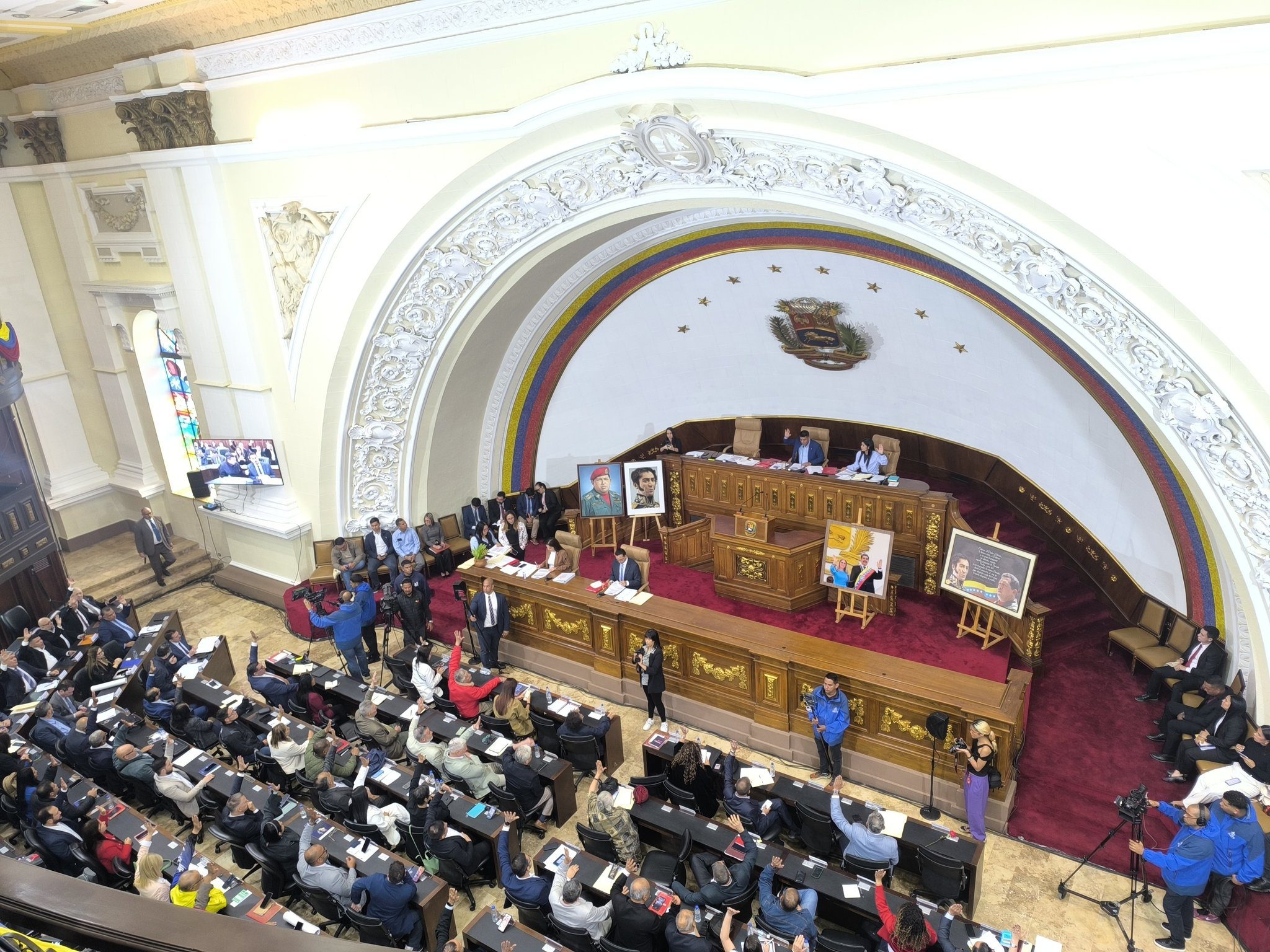
The young National Assembly, sworn in just on January 5, 2026, is in the process of discussing a second draft of the Hydrocarbons Law Reform, which includes a major oil opening and a tax cut with few precedents. Photo: National Assembly.
Guacamaya, January 29, 2026. The National Assembly is in the process of discussing a second draft of the Hydrocarbons Law Reform, which includes fundamental changes. Primarily, various taxes and royalties are being reduced and exempted to a magnitude greater than the reform proposed in the first draft.
The first proposal was based on ratifying the production schemes that began to be used after the approval of the Anti-Blockade Law: the Productive Participation Contract (CPP), a type of production-sharing agreement, and the so-called “Chevron Model,” used in mixed companies.
The first draft also offered greater discretion for the Executive Branch to reduce taxes and to stop requiring that mixed companies be approved by the National Assembly.
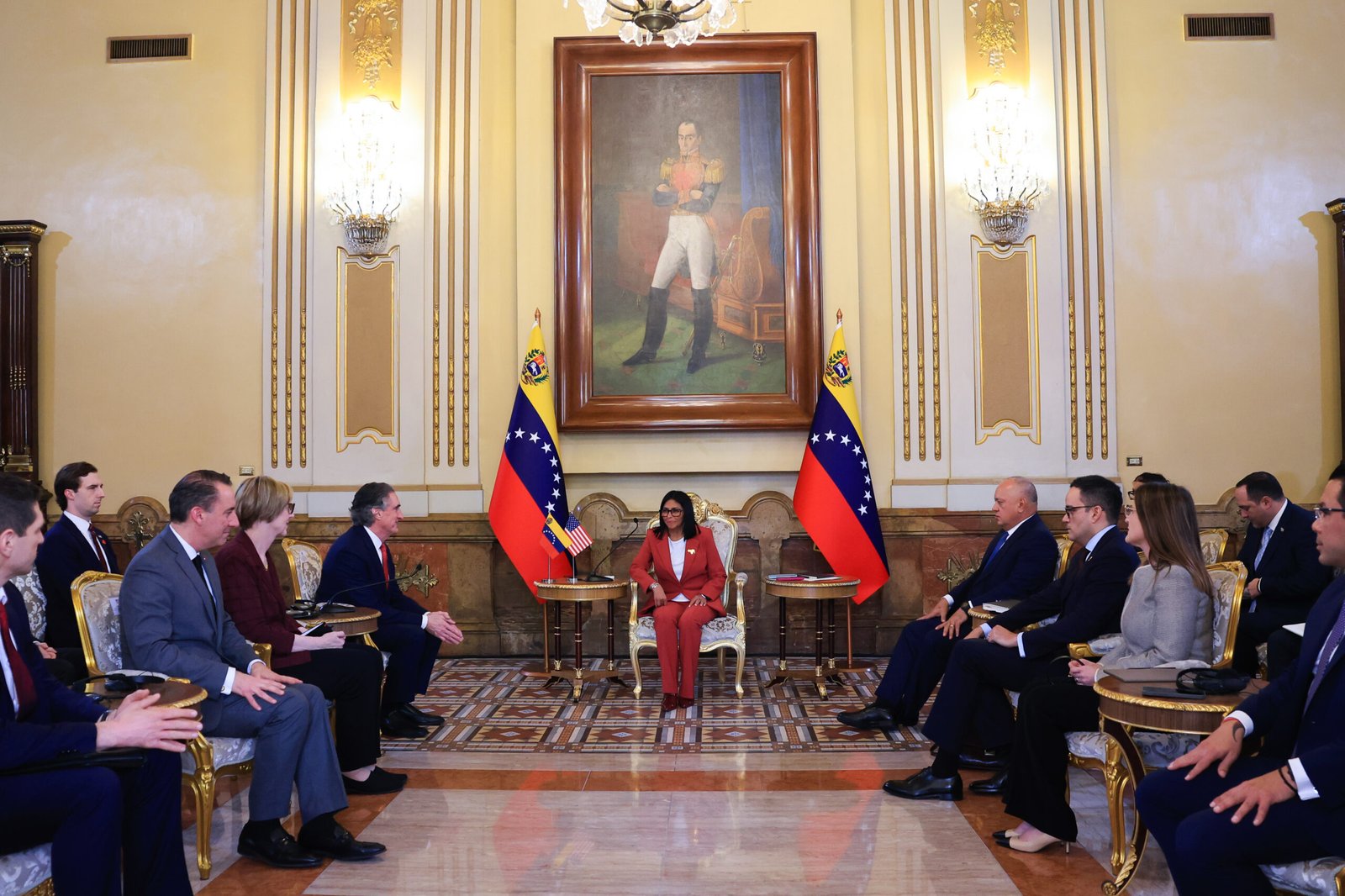
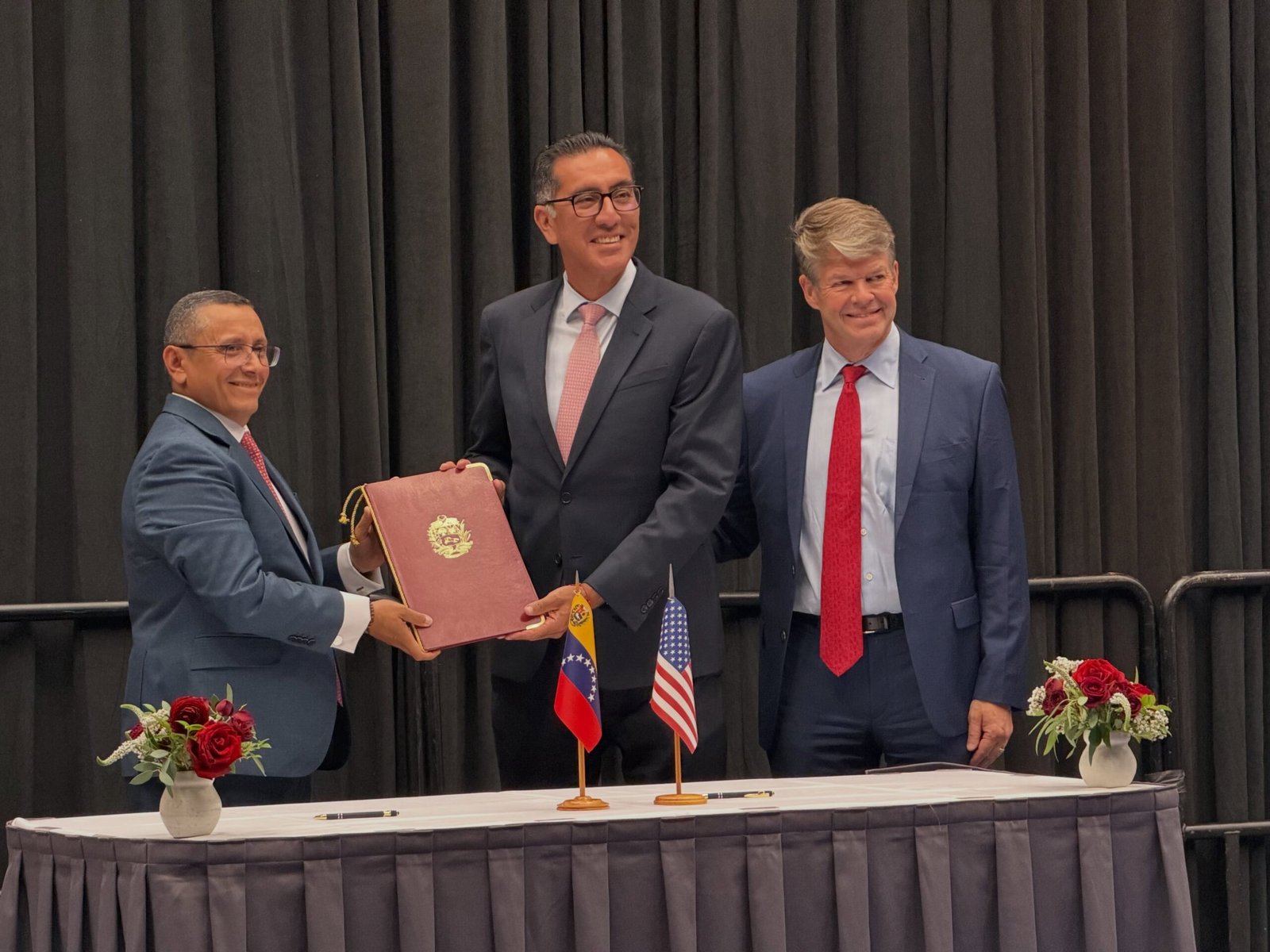
Probably, this new version of the reform reflects the demands of the United States government, after several oil executives asked President Donald Trump for better conditions for investment.
The most recent proposal not only grants greater control to oil-producing companies but also offers them a minimum tax rate. The royalty and some taxes will now only have an upper limit, which can be reduced at the discretion of the Ministry of Hydrocarbons.
The meaning of this reform is that investment in Venezuelan oil will be much more attractive but will be subject to much lower tax rates, so the State could receive less revenue if it does not achieve large capital flows.
After the approval of the Reform, the royalty for oil production will only have an upper limit of 30%. This rate can be reduced at the discretion of the Executive Branch, taking into account ambiguous criteria such as “the nature of the project, capital investment requirements, the project’s economic viability, and the need to ensure international competitiveness.”
Previously, it was proposed to reduce the royalty to as low as 20% for contracts like the CPP or 15% for mixed companies if a 30% rate was considered non-profitable, for example, if the oil fields were more mature.
The extraction tax of one-third is eliminated—although this already deducts the royalty—and there will be an “Integrated Hydrocarbons Tax” of up to 15%, again without a lower limit. This tax can be demanded in kind or in money, totally or partially.
With the “integrated” tax, several taxes and contributions are exempted:
- Wealth Tax on Large Fortunes.
- Special Contribution of the Organic Law on Science, Technology, and Innovation.
- Special Contribution of the Organic Law on Sports, Physical Activity, and Physical Education.
- Special Contribution of the Organic Law on Drugs.
- Special Contribution of the Law for the Protection of Social Security Pensions Against Imperialist Blockade.
- Social responsibility commitment established in the Decree with the Rank, Value, and Force of Law on Public Contracts.
- State and municipal taxes.
- The law known as “CEPEYE,” which imposes an additional tax on “extraordinary and exorbitant prices” of the oil barrel, is also repealed.
As in the first draft, oil companies retain the right to control oil marketing and extraction operations, including the contracting of goods and services.