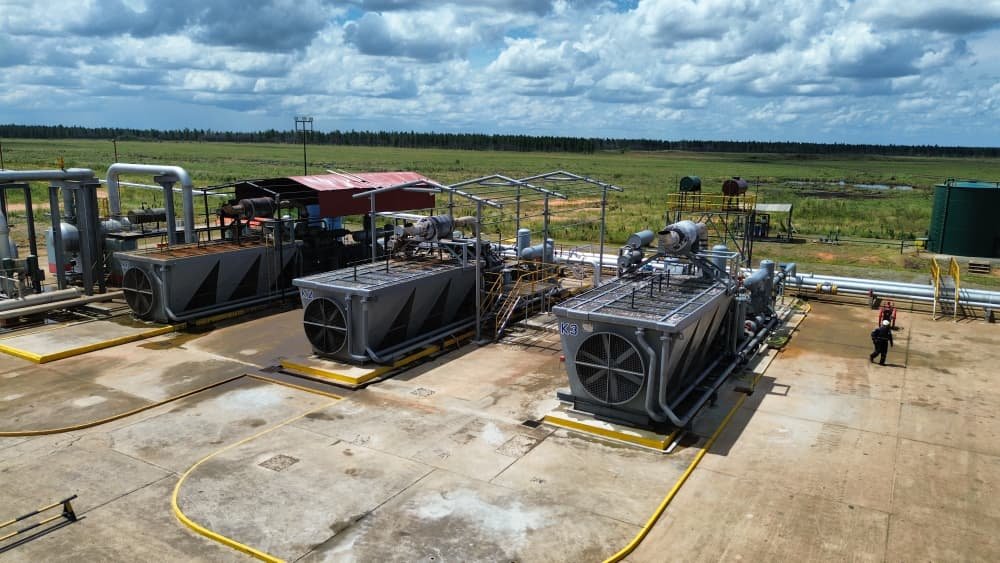
Venezuela’s oil exports recovered in January to around 800,000 barrels per day (bpd), up from 498,000 bpd in December, according to shipping data ith the United States, Europe and India as main destinations. Photograph: X/ PDVSA
Guacamaya, February 2, 2026. According to Reuters, Venezuela’s oil exports rebounded sharply in January following the partial lifting of the oil blockade and the issuance of U.S. licenses, in a context in which Washington is consolidating its control over Venezuela’s energy sector and using crude as a tool to reconfigure key alliances, especially with India, amid the war in Ukraine.
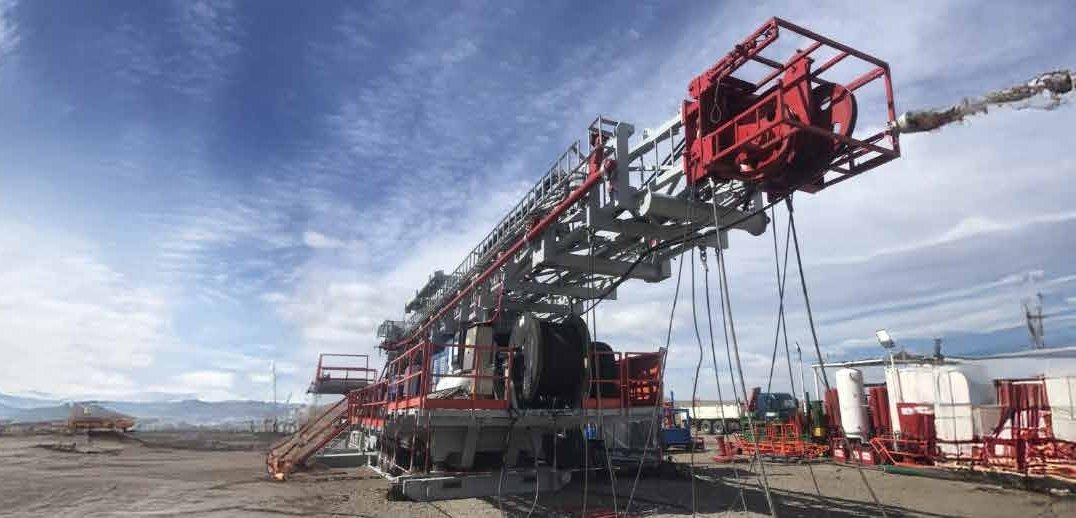
Venezuela’s oil exports recovered in January to around 800,000 barrels per day (bpd), up from 498,000 bpd in December, according to shipping data. The rebound followed the capture of President Nicolás Maduro and the end of the U.S.-imposed oil blockade, which had paralyzed much of the country’s overseas sales.
In December, Washington imposed an oil embargo to increase pressure on Caracas and seized seven tankers, leading to the accumulation of more than 40 million barrels of crude and fuels in onshore tanks and vessels. The inability to export forced state-run PDVSA to cut production in early January.
The situation began to change when the U.S. Treasury Department granted initial licenses in January to Trafigura and Vitol, allowing the export of accumulated inventories. Since then, production, processing and shipments of Venezuelan crude have accelerated, according to maritime transport data.
Although January’s export volume was close to the 2025 average of 847,000 bpd, analysts warn that PDVSA and its partners will need to maintain a high export pace to draw down remaining inventories and fully reverse production cuts.
Last week, the U.S. Treasury took an additional step by issuing a broad license authorizing business between U.S. companies and PDVSA to export, store, transport and refine Venezuelan oil. However, strategic partners such as Chevron are still awaiting individual licenses that would allow them to expand operations.
Under this new framework, the United States regained its position as the single largest destination for Venezuelan crude, with about 284,000 bpd exported there in January, of which 220,000 bpd were shipped by Chevron, up sharply from 99,000 bpd the previous month.
Meanwhile, Vitol and Trafigura exported about 12 million barrels of Venezuelan crude and fuels under U.S. licenses—around 392,000 bpd in January. Most shipments were sent to storage terminals in the Caribbean, from where they began to be re-exported to the United States, Europe and India.
Modi, Delcy Rodríguez and India’s return to the Venezuelan arena
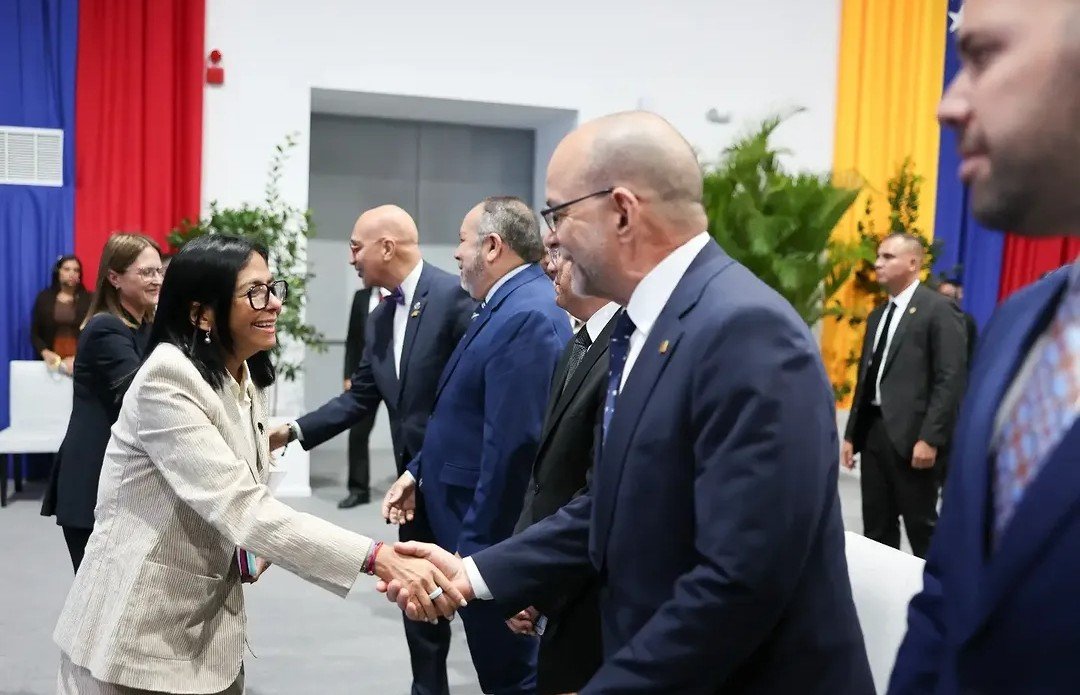
Alongside the reshuffling of oil flows, Indian Prime Minister Narendra Modi reported a phone call with Venezuela’s acting president, Delcy Rodríguez, during which both agreed to deepen and expand bilateral relations, with an emphasis on trade, investment, energy and strategic cooperation.
India has historically been a key player in Venezuela’s energy market. Before sanctions were imposed, Indian refiners such as Reliance and Nayara Energy imported Venezuelan heavy crude, while state-owned firms like ONGC Videsh participated in exploration and production projects in the Orinoco Belt.
The renewed engagement comes as New Delhi seeks to diversify its energy sources, reducing its heavy reliance on sanctioned Russian oil following Russia’s invasion of Ukraine. Since 2022, India has become one of the largest buyers of discounted Russian crude—a strategy that eased domestic costs but created friction with the United States and Europe, which aim to curb Moscow’s energy revenues.
In this context, Venezuelan oil is re-emerging as a geopolitically viable alternative for India. U.S. President Donald Trump recently said that New Delhi will begin buying Venezuelan crude instead of importing it from Iran or Russia, as part of its decision to cut Russian energy purchases.
“They will buy Venezuelan oil instead of buying it from Iran,” Trump told reporters aboard Air Force One, adding that the deal has already been agreed “in concept.”
The shift confirms earlier reports that Washington informed India it could soon resume purchases of Venezuelan oil.
For the United States, facilitating this access serves several strategic objectives: most notably, weakening India’s dependence on Russian or Iranian crude, reinforcing the Western front amid the war in Ukraine, and consolidating U.S. influence over Venezuela’s oil industry following the events of January 3.
The conversation between Modi and Rodríguez underscores both countries’ push for a more active relationship in a multipolar landscape, with Venezuela on the cusp of greater oil-sector opening and the possibility of expanded U.S. and Western investment in its energy market.