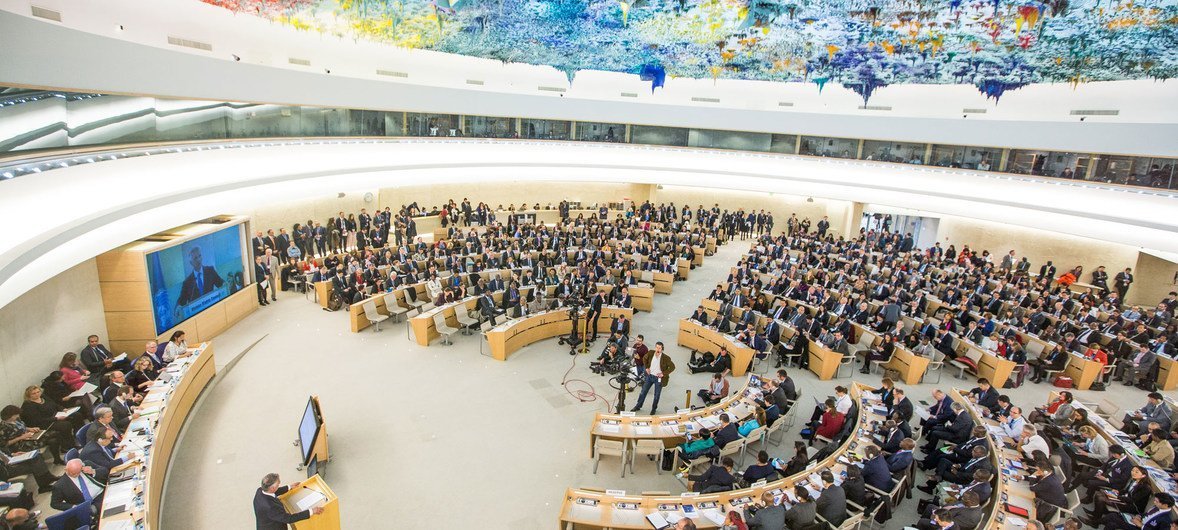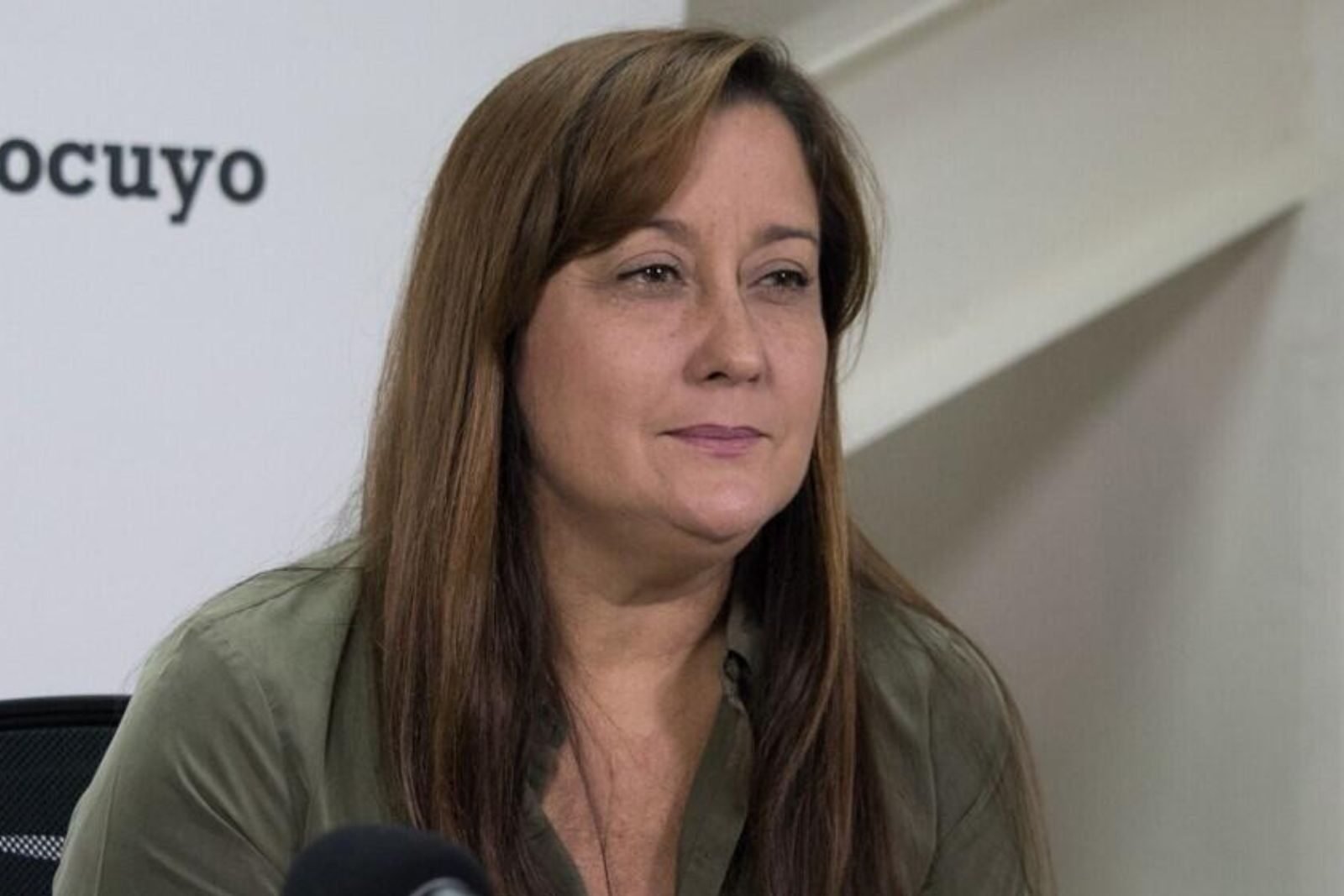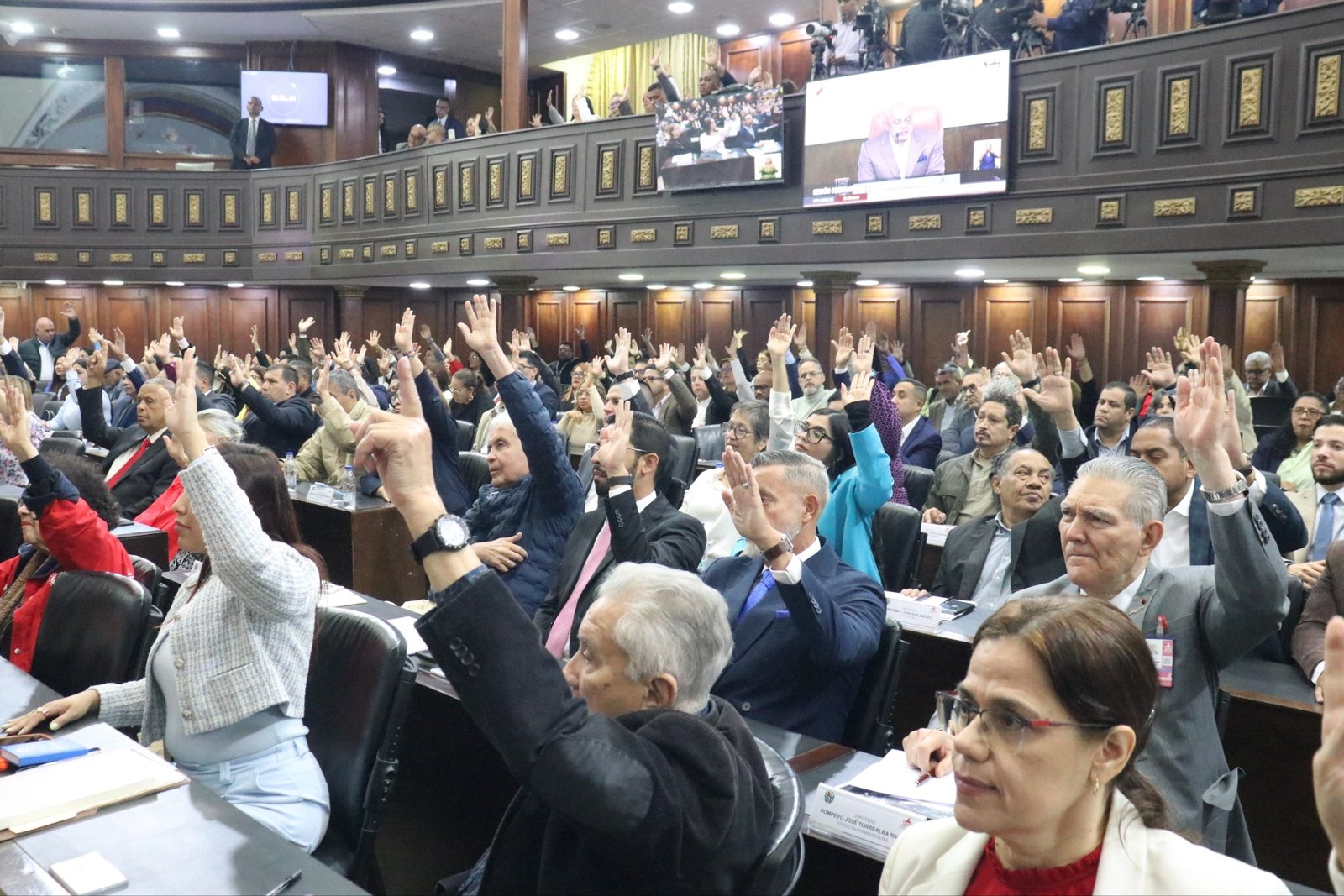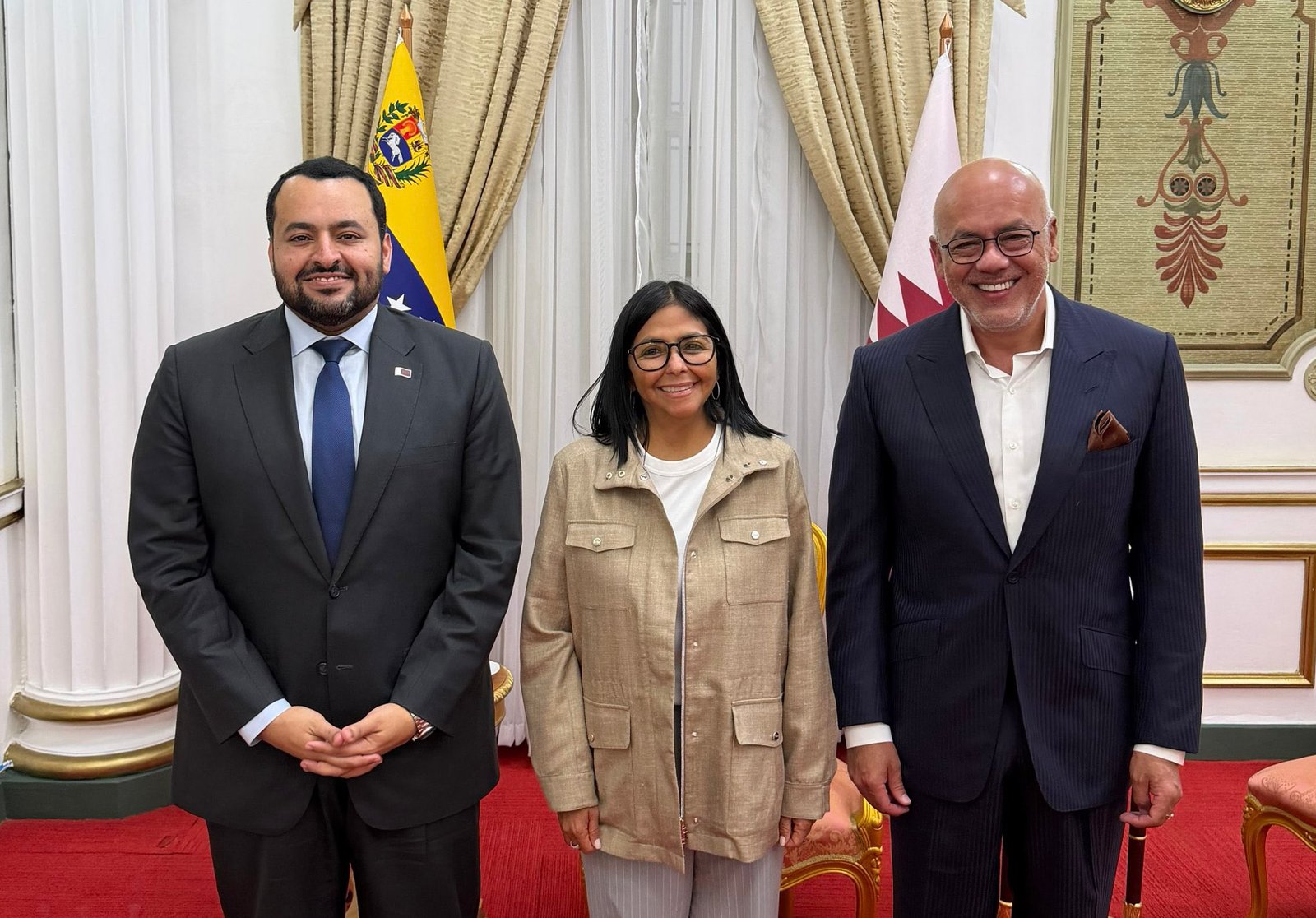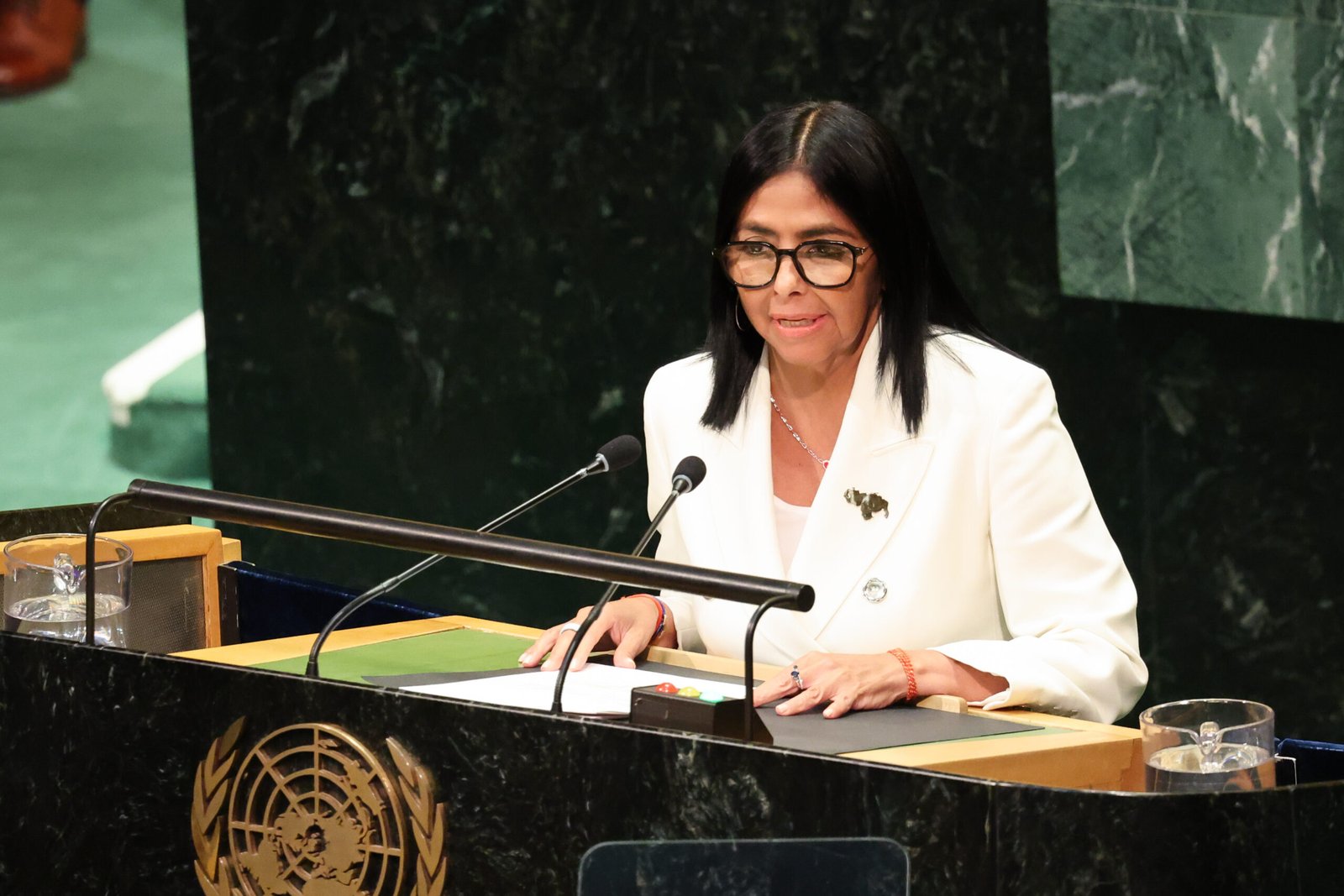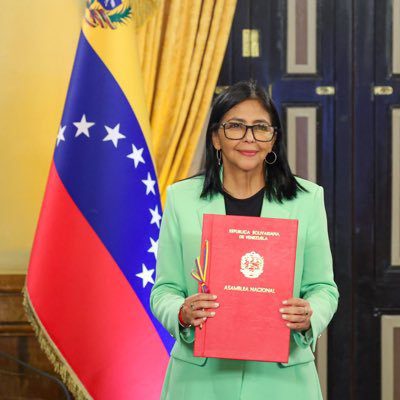
Delcy Rodríguez announced the appointment of four new vice ministers in the Ministry of Foreign Affairs, covering key areas such as Latin America, Europe and North America, Asia-Middle East-Oceania, and international communication. Photograph: Delcy Rodríguez’s Telegram channel
Guacamaya, February 23, 2026. Acting President of Venezuela, Delcy Rodríguez, announced this Monday a series of changes in the structure of the Foreign Ministry through the appointment of new vice ministers for different regions and strategic areas of foreign policy.
An important designation for understanding Rodríguez’s diplomatic strategy is that of Félix Plasencia, a trusted figure who, despite not being a Vice Minister, will be responsible for representing the interests of the interim authorities before the United States.
He has been seen during visits alongside U.S. authorities who have traveled to Venezuela in the past month, including the reception at Miraflores of the U.S. Secretary of Energy during his official visit.
Who is Félix Plasencia?
Félix Plasencia González represents one of the most complex and strategically relevant figures in contemporary Venezuelan diplomacy. His importance derives not only from the positions he has held but from the institutional continuity, political trust, and negotiating capacity he has accumulated over more than three decades of public service across extraordinarily different national and international contexts.
Plasencia entered the Venezuelan diplomatic corps in 1991 through a public examination during the government of Carlos Andrés Pérez. This fact is key because it places him as a career diplomat trained before Chavismo, with a professional logic rooted in the Venezuelan state institutional framework prior to the Bolivarian Revolution. Unlike many later political figures, Plasencia managed to navigate the regime change without breaking with the diplomatic apparatus, revealing a combination of technical capacity, low profile, and strategic adaptability.
A turning point in his career is his early relationship with Delcy Rodríguez, whom he met in 1994 while both were working at the Venezuelan embassy in London during the government of Rafael Caldera. That professional relationship evolved over time into a bond of political trust that explains much of his later rise. When the Rodríguez siblings consolidated themselves as one of the most important power centers within Chavismo, Plasencia became a diplomatic operator of absolute confidence, specialized in sensitive areas.
Félix Plasencia González is one of the most experienced and trusted diplomats within Rodríguez’s administration. With more than thirty years in Venezuela’s foreign service, he combines solid academic training in International Relations, European Studies, and Diplomatic Studies with practical experience in highly complex political and economic environments.
Plasencia joined the diplomatic corps in 1991, consolidating himself as a trusted operator who managed to cross different political periods without breaking institutional continuity. His career includes:
- Strategic vice-ministerial posts in the Foreign Ministry (Asia, Middle East, Oceania, and Multilateral Affairs)
- Director of the International Center for Productive Investment, focused on foreign investment and cooperation with China
- Minister of Tourism and Foreign Trade and head of the Francisco de Miranda Insular Territory
- Ambassador to China (2019–2021), managing critical relations amid U.S.–China geopolitical competition
- Minister of Foreign Affairs (2021–2022), leading pragmatic diplomacy under sanctions and reopening channels with Western actors
- Ambassador to Colombia and representative to the International Maritime Organization in London, key spaces for rebuilding regional ties and strategic trade
Plasencia is characterized by a technical and pragmatic approach combining traditional diplomacy and economic diplomacy, with attention to managing international sanctions. He prioritizes functional and transactional relations with extra-regional powers such as Russia, Iran, and Turkey, balancing interests while avoiding rigid ideological alignments. He acts as a discreet facilitator in internal and external negotiations, managing complex interlocutions without direct media prominence, and has been central in building dialogue channels with the United States and Europe, even with actors traditionally critical of the Venezuelan government.
Although Plasencia does not hold a formal vice-ministerial post, his designation as Venezuela’s representative to the United States places him in a strategic position to project Rodríguez’s diplomacy:
- Strengthens openness toward key international actors, demonstrating professionalism and institutional continuity
- Allows Venezuela to negotiate in complex economic and political scenarios with Western interlocutors
- Reinforces the government’s narrative of pragmatism and managerial capacity, balancing sovereignty with the need for international cooperation
At the multilateral level, his work focused on reinserting Venezuela into international forums where its presence had weakened, particularly within the United Nations system. He continued the approach initiated after the visit of Michelle Bachelet, maintaining open channels with the Office of the UN High Commissioner for Human Rights. Although the Venezuelan government continued to reject much of the critical reporting, under Plasencia a strategy of limited and controlled cooperation was pursued to reduce total isolation and gain political leverage.
In parallel, Plasencia reinforced Venezuela’s presence in technical multilateral spaces—energy, transport, South-South cooperation—where ideological debate is minimal and practical interests prevail. This logic partly explains his later transfer to London as representative to the IMO: the Foreign Ministry had identified that Venezuela’s international struggle was shifting toward regulatory, technical, and normative arenas rather than purely political ones.
A central axis of his work was diplomacy regarding international sanctions. Plasencia was among those responsible for articulating Venezuela’s discourse against unilateral sanctions but combined political denunciation with practical engagement, especially with European actors and sectors of the U.S. government. During this period, Venezuela began exploring mechanisms for partial flexibility, specific licenses, and technical understandings that did not imply immediate political recognition but eased key economic restrictions.
Plasencia operates as a high-level strategist within Rodríguez’s diplomatic framework, key to restoring bilateral relations, managing sanctions, and linking Venezuela with strategic international organizations. His technical profile and multipolar experience make him a reference figure in contemporary Venezuelan diplomacy.
He left a Foreign Ministry more aware of the centrality of domestic political negotiation as an external variable. His experience in the dialogues of Norway reinforced the idea that Venezuela’s foreign policy is inseparable from managing its internal political conflict.
Finally, in the current context of political reconfiguration—following the departure of Nicolás Maduro—sending envoys to Washington to reestablish relations with the United States requires very specific profiles. Plasencia meets exceptional conditions for that role: he understands Western political language, has negotiated under sanctions and pressure, participated in complex dialogues, enjoys full trust from the power core, and maintains a technical, non-confrontational profile.
In this sense, Félix Plasencia is a discreet figure of the Venezuelan state whose relevance lies precisely in ensuring controlled continuity during periods of change.
Under this context, Rodríguez announced the appointment of four new vice ministers in the Ministry of Foreign Affairs, covering key areas such as Latin America, Europe and North America, Asia-Middle East-Oceania, and international communication.
Mauricio Rodríguez — Vice Minister for Latin America
Among the appointments stands out Mauricio Rodríguez Gelfenstein.
He is a journalist, communicator, and diplomat with a long trajectory in government communication and bilateral relations, especially with Europe. He served as Minister of Communication and Information in 2010 and headed public media outlets.
He also held positions such as:
- Vice Minister for Communication Management
- Vice Minister for Communication Strategy
- Vice Minister of Culture for Human Development
- Director of Domestic Policy
- Director of Special Projects at the Ministry of Science and Technology
Abroad, he was closely linked to Venezuela–Spain relations, serving as minister counselor at the embassy in Madrid, chargé d’affaires during diplomatic crises, and later Consul General in the Spanish capital.
His appointment places him at the center of Venezuela’s regional policy in Latin America.
Rander Peña — Vice Minister for International Communication
Rander José Peña Ramírez was appointed Vice Minister for International Communication, replacing Camilla Fabri de Saab.
Peña is a political leader and diplomat with extensive experience in regional integration and Latin American cooperation. He previously served as Vice Minister for Latin America and for the Caribbean and as special envoy for integration processes.
He has been active in regional organizations such as the ALBA‑TCP and CELAC.
His new role focuses on projecting Venezuela’s international narrative, coordinating relations with foreign media, multilateral organizations, and global information platforms.
Andrea Corao Faria — Vice Minister for Asia, Middle East, and Oceania
Andrea Corao Faria is a career diplomat specializing in relations with Asia and the Middle East.
Her responsibilities include:
- Bilateral and multilateral agenda coordination
- Monitoring cooperation agreements
- Participation in political dialogue mechanisms
- Relations with foreign missions in Caracas
Her appointment comes amid increased engagement with Gulf countries. In February 2026, Sheikh Mohammed bin Abdulrahman al‑Thani, Prime Minister of Qatar, visited Venezuela. The United Arab Emirates also conducted an official visit amid rumors of energy investment.
Similarly, the Foreign Minister of Jordan, Ayman Safadi, met with Rodríguez to discuss cooperation in tourism, trade, and air connectivity.
Oliver Blanco — Vice Minister for Europe and North America
Oliver Blanco is a young political figure with a past in the opposition party Acción Democrática.
He gained prominence after the 2015 parliamentary elections, serving as communications director of the National Assembly under Henry Ramos Allup. He was also linked to prominent diplomat Diego Arria.
Blanco combines:
- Political communication experience
- Opposition activism
- Legislative institutional experience
His appointment is seen as a signal of openness toward Western governments. It may align with reconciliation frameworks discussed by U.S. Secretary of State Marco Rubio and supported by Donald Trump, emphasizing inclusion of diverse political actors.
Blanco has also met influential leaders such as former Brazilian president Fernando Henrique Cardoso, a key figure in Brazil’s democratic consolidation.
European Union Context
In parallel, the High Representative of the European Union for Foreign Affairs, Kaja Kallas, announced she will propose lifting sanctions on Rodríguez at Spain’s request. Spain’s foreign minister José Manuel Albares argued that sanctions are a means of pressure, not an end, and that lifting them would facilitate diplomatic contacts.
This initiative requires unanimity among EU member states.
Overall, the appointments reflect an attempt by Rodríguez’s administration to project openness, pragmatism, and political inclusion while maintaining its core governing line. The selection of figures with diverse backgrounds — including opposition credentials — signals a strategy aimed at rebuilding relations with Western actors and reintegrating Venezuela into international negotiation and cooperation frameworks.
Blanco himself stated that he maintains independence from the ruling party and described his appointment as a sign of openness to “diverse perspectives in service of the country,” emphasizing that building trust is essential for Venezuela’s future.