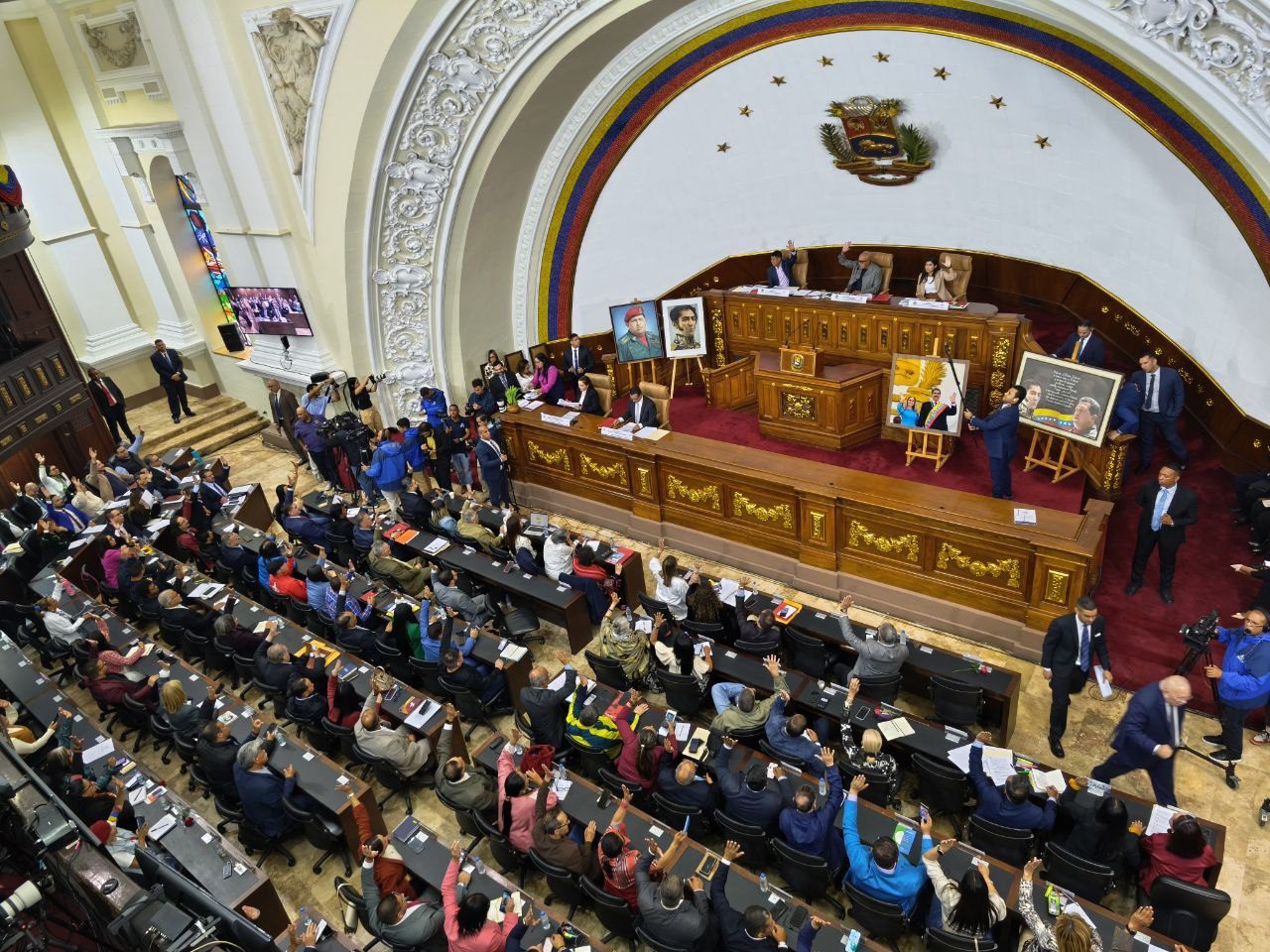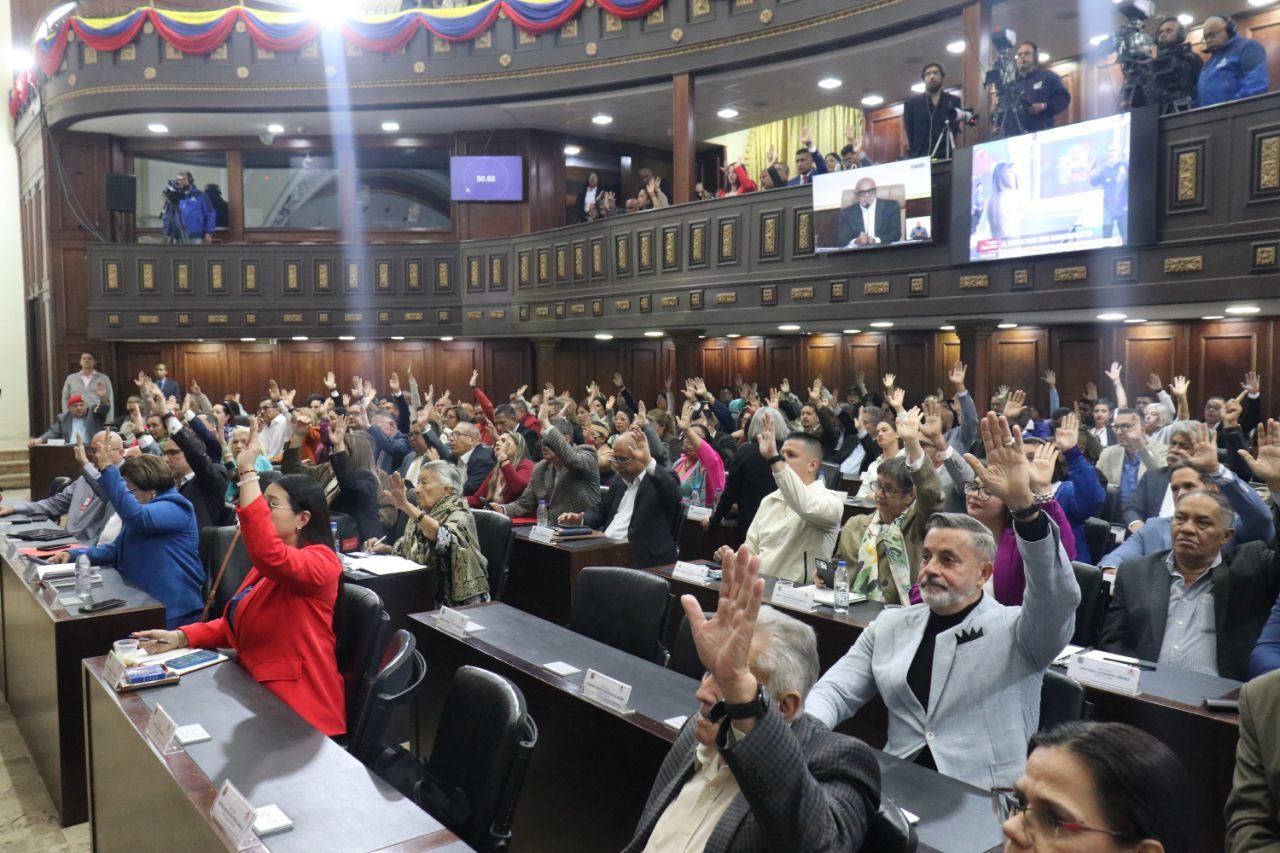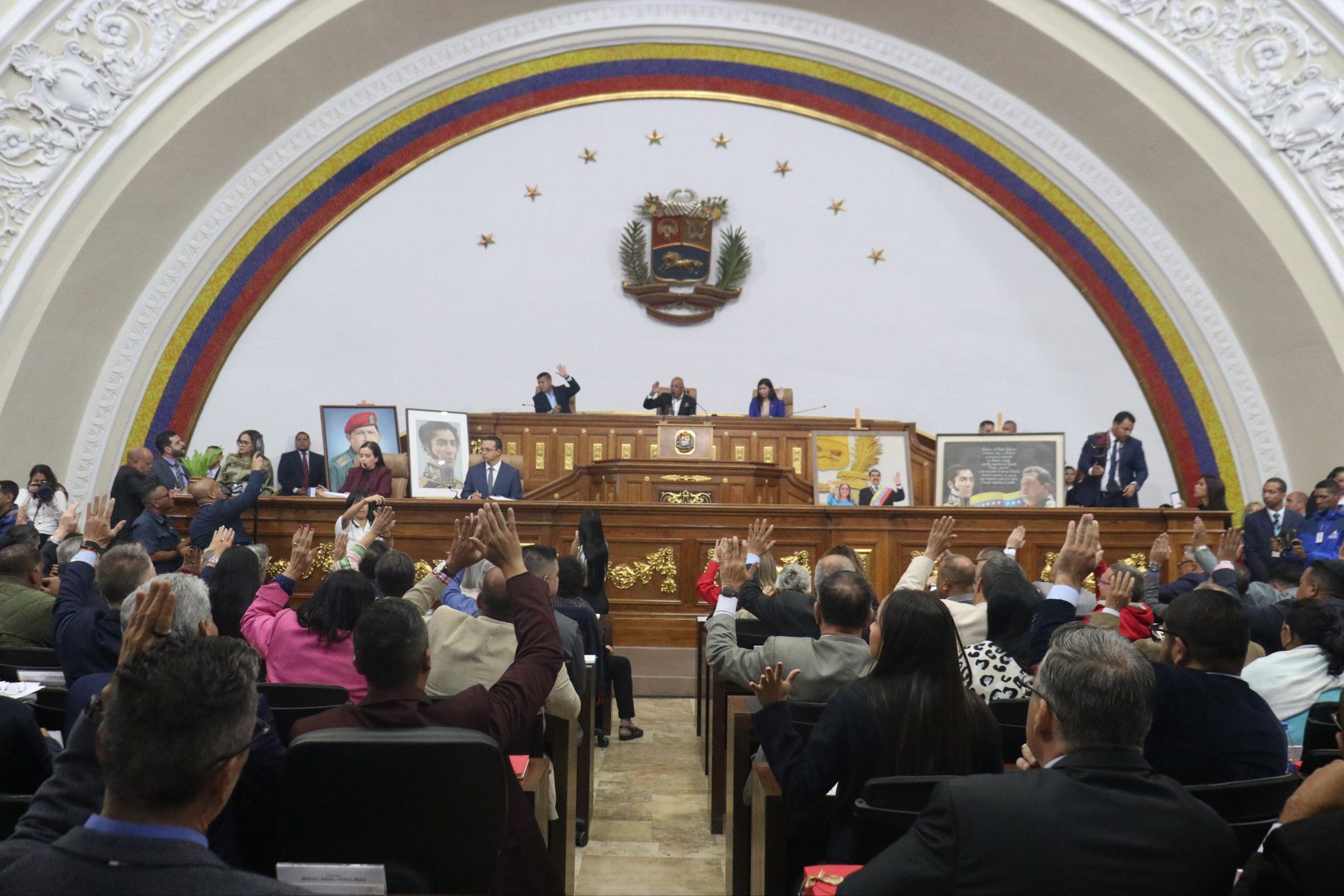
The second discussion brought significant advances that modified the initial text, but left open tensions over proposals for comprehensive reparations and the repeal of restrictive laws. Photograph: @Asamblea_Ven / X
Guacamaya, February 19, 2026. Venezuela’s National Assembly unanimously approved the Amnesty Law for Democratic Coexistence, after achieving important consensuses in the drafting of various articles proposed in the legal project. The ordinary session began more than two and a half hours late following intense private discussions by the Special Public Consultation Commission that paved the way for the agreement.
The ruling party deputy Jorge Arreaza, president of the Commission, highlighted the consensus. “Each article was deeply discussed, achieving significant agreements that must be preserved above particular interests.” Previously, he had stated that “beneficiaries cannot reoffend in insurrectional conduct” that threatens the institutions of the Republic.
Advances achieved by the opposition
In the previous session, Fracción Libertad conditioned approval of this legal instrument on key revisions to article 7 regarding the scope for detainees and exiles for political reasons, demanding that the law be based on “the spirit of justice and freedom of the Constitution.” Meanwhile, the ruling party prioritized controls such as subjection to law after the law’s entry into force.
Opposition deputy Nora Bracho, vice president of the Special Public Consultation Commission, celebrated the progress regarding said article. “This law is not perfect, but it is a great advance for Venezuela’s reconciliation. It will mitigate the suffering of many Venezuelans. We will vote for this Article No. 7 because we are committed to the freedom of political prisoners,” she stated.
Today, in the continuation of the second discussion, the parliamentary group presented proposals for modifications on the scope of linking events for the amnesty (from 1999 to 2026) and specificity of exclusions for serious crimes related to corruption. They also demanded transparency in application and expansion of beneficiaries, all contributions that forced adjustments to the base text.
Proposals that were not included
However, the main opposition parliamentary bench unsuccessfully proposed extending the Law to those charged under the Anti-Hate Law and union demonstrations, exceptional review of terrorism cases, and extinction of accessory criminal actions. These proposals, along with the total repeal of regulations such as the Anti-Hate Law, the RESORTE Law, and NGO laws, were not contemplated.
Ruling party deputy Iris Varela clarified the exclusions: “Let us remember that there is an article that sets out the exclusions; many might think that those who committed crimes against public patrimony will have those effects extinguished, and that is not the case.” She added that the Venezuelan people support democratic coexistence and that “there should not be a single narrative left for the collective imagination.”
Special Monitoring Commission Created
Nevertheless, at the initiative of Fracción Libertad, the Consultation Commission proposed a new plural special parliamentary control commission to monitor the Law, including humanitarian observers, which was approved. Said commission will initially have the accompaniment of the Program for Democratic Coexistence and Peace and will review cases not covered in the regulation.
In this regard, deputy Antonio Ecarri, from Fracción Libertad and member of the Special Monitoring Commission, demanded guarantees: “It is fair to free all political prisoners with real guarantees! The Special Commission must be plural, with effective parliamentary control and accompaniment by human rights organizations,” he stated.
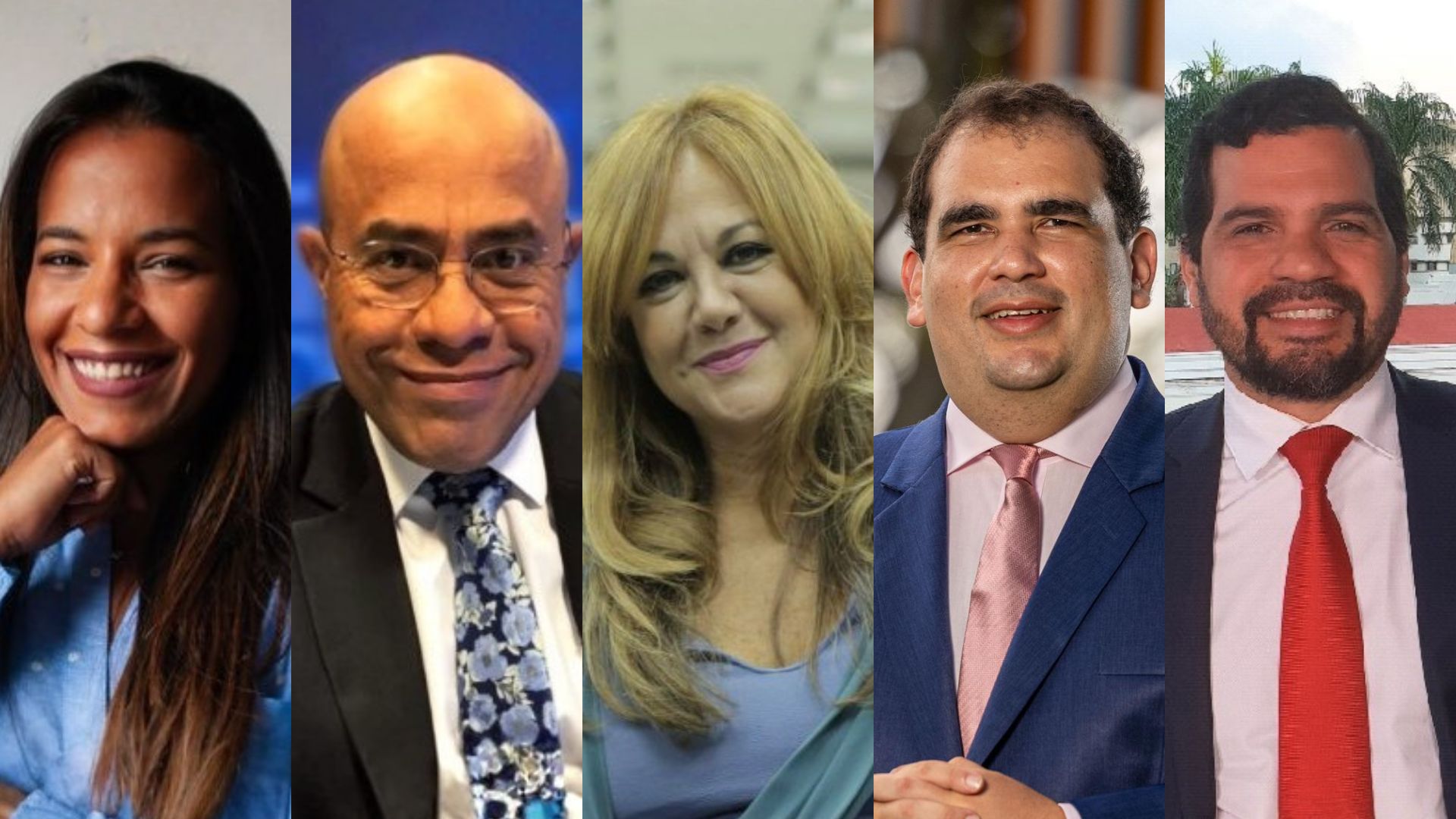
The Special Monitoring Commission will be chaired by deputy Jorge Arreaza, while deputy Nora Bracho will serve as vice president. The rest of the 23 parliamentarians who make it up are Pedro Infante, Grecia Colmenares, Carolina García Carreño, Tania Díaz, Nicolás Guerra, América Pérez, Pedro Carreño, Iris Varela, Cilia Flores, Roy Daza, Francisco Torrealba, Jacqueline Farías, Stalin González, Antonio Ecarri, Juan Carlos Alvarado, Pablo Pérez, Rubén Limas, David Uzcátegui, Luis Florido, Alejandra Rodríguez, and Alfonso Campos.
Amnesty Law immediately taken to Miraflores
At the close of the session, Jorge Rodríguez, president of the National Assembly, celebrated the day: “I congratulate the deputies. We unanimously approved the Amnesty Law. May that attitude be auspicious for the new political time.” The deputy also thanked the members of the Program for Democratic Coexistence and Peace who were present at all the Law debates.
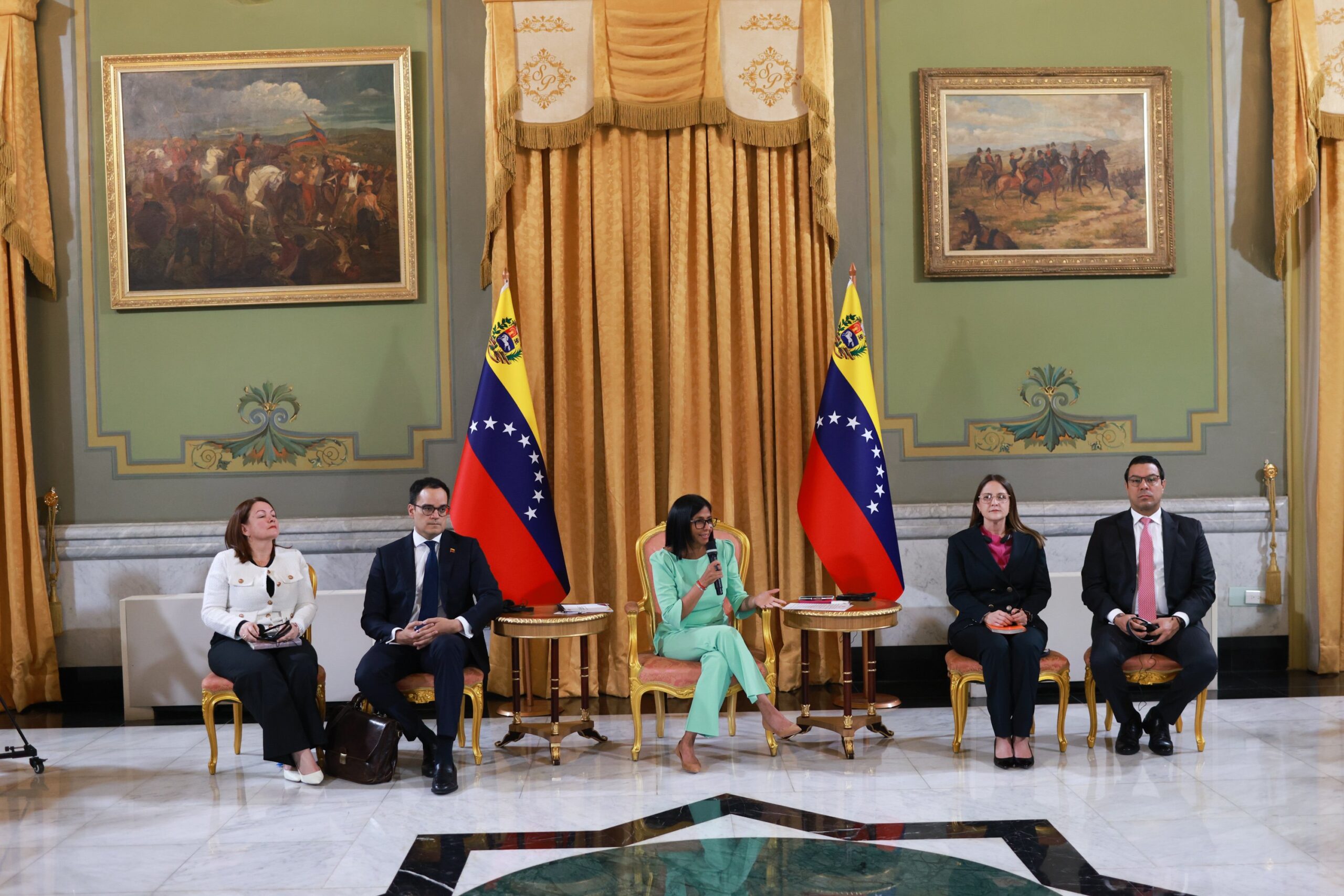
Subsequently, the Monitoring Commission moved to the Miraflores Palace to deliver the sanctioned Law to interim president Delcy Rodríguez, who announced its promulgation and requested the National Assembly, and the Vice President of Politics, Citizen Security and Peace, Diosdado Cabello, to proceed with “celerity” in reviewing cases that would not have been included in the legal instrument.