
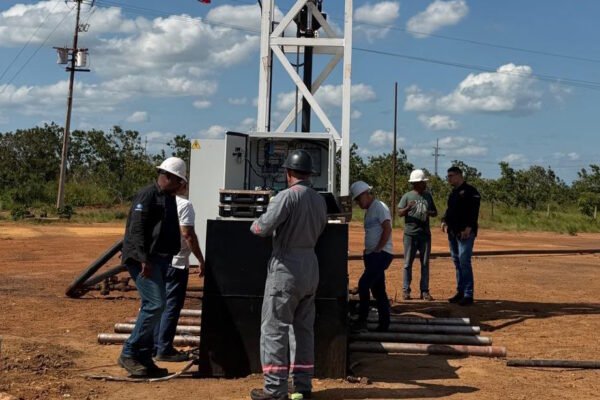
Alvorada Oil & Gas and Dinatel Group Launch First Oil Pumping Unit Built Entirely in Venezuela
The technology, developed and manufactured in Venezuela, reduces electricity consumption by up to 50%, according to company information.


Understand how the Venezuelan economy moves.
The technology, developed and manufactured in Venezuela, reduces electricity consumption by up to 50%, according to company information.

The Brazilian business ecosystem—whose member companies account for more than 52% of Brazil’s private-sector GDP—could expand its international network into Venezuela.
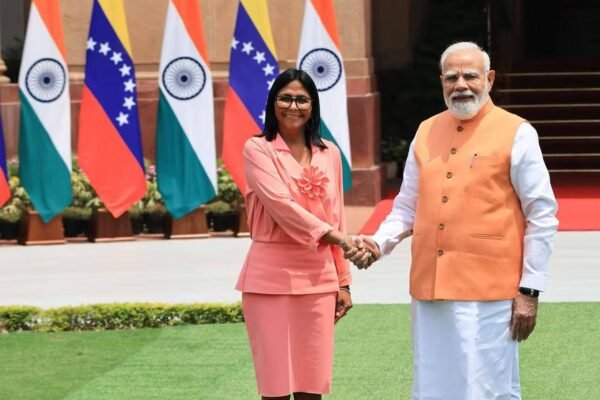
U.S. Secretary of State Marco Rubio toured the world’s largest refinery complex to discuss oil that only a handful of facilities can process: Venezuela’s heavy crude.

The Gilinskis are not a neutral actor on that board: they are simultaneously mass-consumption producers, bankers, publishers, and now oilmen with direct interests in Venezuela’s aperture.
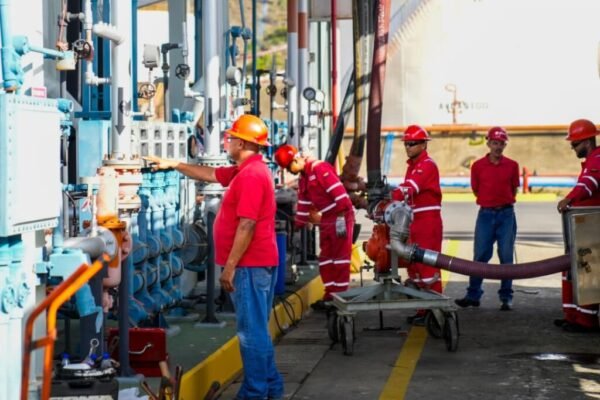
Cardón is the country’s second-largest refinery by installed capacity. Photo: Ministry of Hydrocarbons. Guacamaya, October 7, 2026. On October 6…

The two Persian Gulf monarchies would expand their influence in Caracas through this new financial arrangement with the IDB. Photo:…
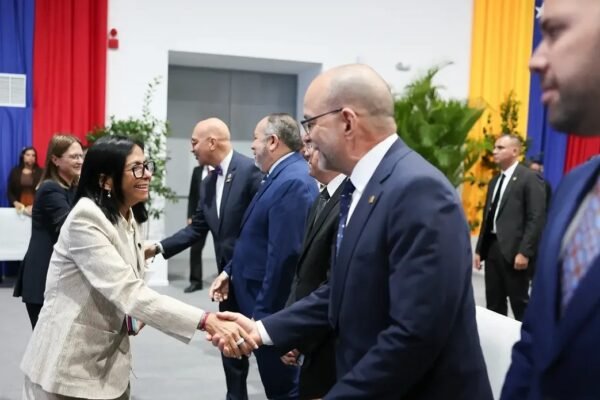
President Delcy Rodríguez led the opening of Friday’s meeting with the IDB Group, held as part of the National Economic Council.
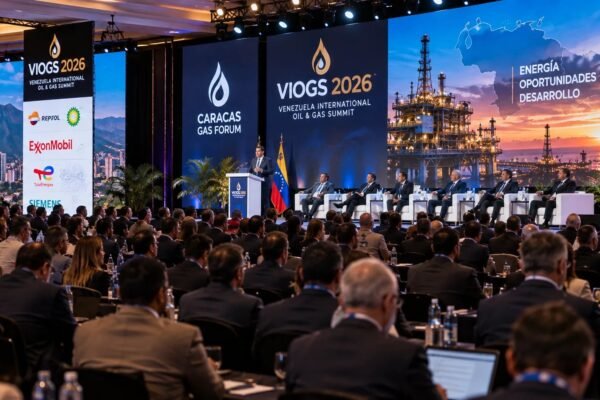
Among the most prominent meetings are the Venezuela International Oil and Gas Summit (VIOGS) held in Caracas, the second edition of the Energy, Oil and Gas Conference (CEPEG 2026) in Maracaibo, and the Expo Venezuela Energética Oriente 2026 in Lechería.
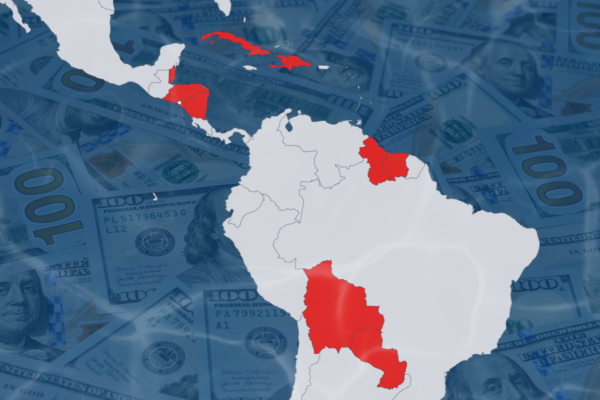
Discussion of Venezuela’s international finances usually focuses on the country as a debtor.
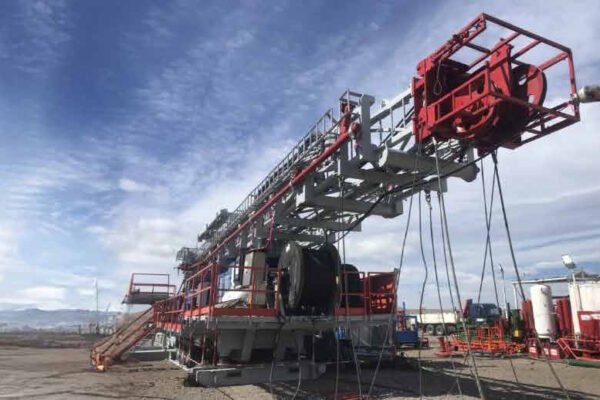
Aldyl Energía mobilized an H-108 drilling rig to the Uverito field, continuing with its oil well reactivation campaign.