
OFAC Ends License for Venezuela to Import Liquefied Petroleum Gas
The license was issued by the Office of Foreign Assets Control (OFAC) of the U.S. Department of the Treasury. Guacamaya,…


Understand how the Venezuelan economy moves.
The license was issued by the Office of Foreign Assets Control (OFAC) of the U.S. Department of the Treasury. Guacamaya,…

The Vice President Delcy Rodríguez and the Chinese Ambassador to Caracas, Lan Hu, signed the agreement at the event’s opening,…
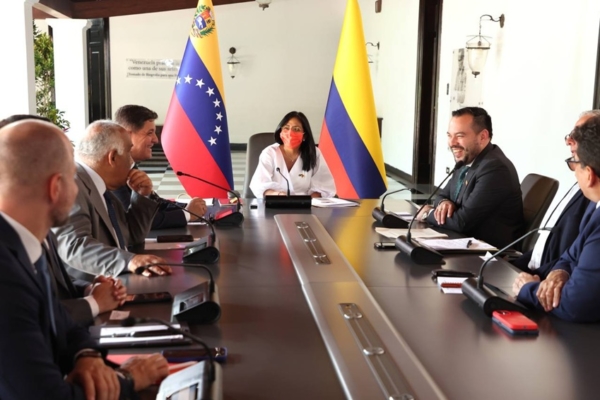
Venezuela’s Minister of Hydrocarbons, Delcy Rodríguez, held a meeting on Thursday with Colombia’s Minister of Mines and Energy, Edwin Palma, to review the shared energy agenda and explore new areas of cooperation in hydrocarbons

US oil company ExxonMobil has returned a portion of the strategic Stabroek Block to the State of Guyana, fulfilling a contractual clause and avoiding areas affected by the territorial dispute with Venezuela. The measure, announced by Guyana’s Ministry of Natural Resources, comes after years of exploration along the Atlantic coast that have transformed Guyana’s economy.

A U.S. court official overseeing the auction of PDV Holdings, the parent company of Citgo Petroleum, has recommended the $7.38 billion bid.
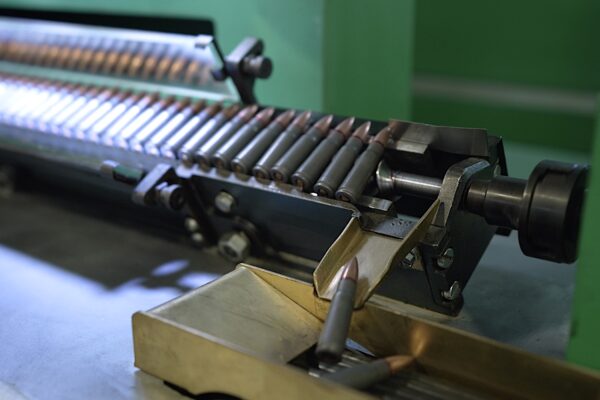
A Russian state-owned company has completed the first phase of an ammunition factory in Venezuela, which will supply the country’s armed forces and security agencies.
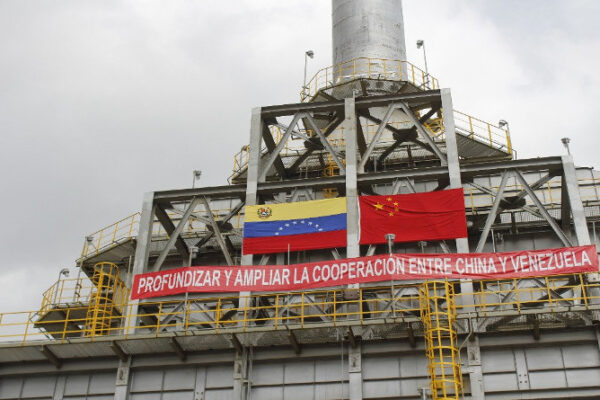
Venezuela’s oil exports rose by 8% in June, reaching an average of 844,000 barrels per day (bpd), driven by a significant increase in shipments to China. The uptick helped offset the country’s loss of access to U.S. and European markets after Washington revoked key licenses.

The government has announced that it will launch a cargo train to connect Araure, Portuguesa and Barquisimeto, Lara with the docks at Puerto Cabello, Carabobo.
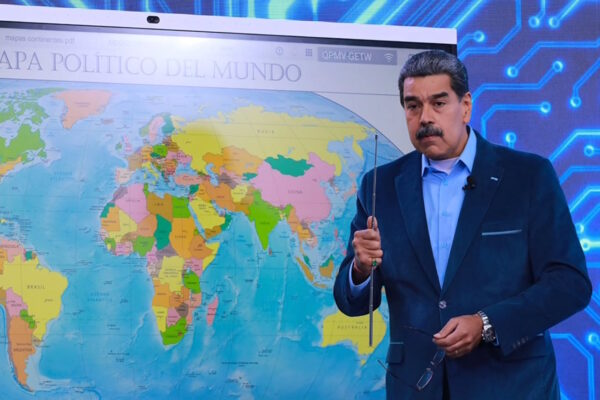
In his weekly program Con Maduro +, the Venezuelan president claimed that the country’s certified oil reserves have increased by 30%.
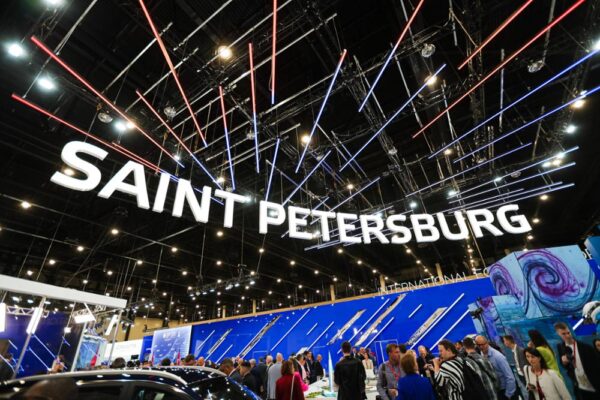
On Wednesday, the 28th edition of the St. Petersburg International Economic Forum (SPIEF) kicked off, bringing together over 20,000 delegates from 140 countries, including Venezuela, Brazil, Mexico, and Cuba. In a world marked by conflicts, sanctions, and shifting alliances, the forum has reaffirmed itself as a vital platform for Russia to pursue international cooperation, offer an economic alternative, and strengthen strategic ties with partners in the Global South to break Western efforts to isolate it. SPIEF is often described as the “Russian Davos,” that is, the Russian counterpart to the World Economic Forum held annually in Davos, Switzerland.