The Shanghai Cooperation Organization Summit Marks a New Geopolitical Pulse

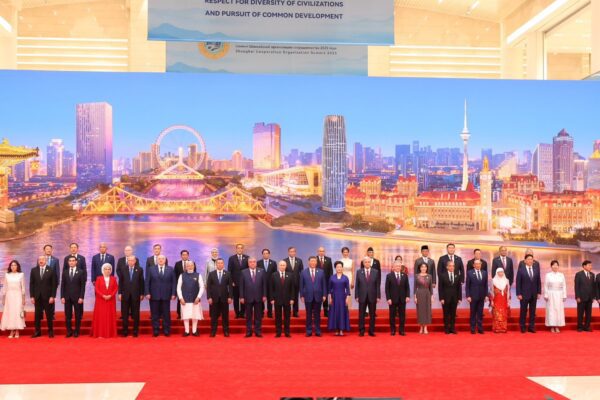
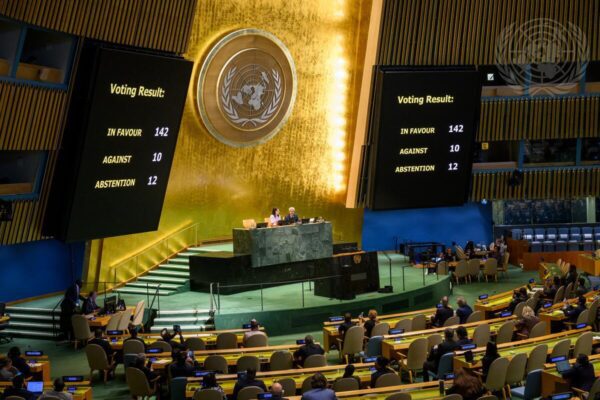
The recent Shanghai Cooperation Organization (SCO) Summit, held in China, became a highly relevant geopolitical event that transcends the borders of Central Asia. The meeting brought together leaders of major powers and emerging countries, consolidating the SCO as a space for dialogue and coordination that seeks to offer alternatives to the international order that emerged after World War II.

Read More

WSJ: ExxonMobil Negotiated in Secret with Rosneft to Return to Russia Amid Peace Talks

Exxon Mobil held secret meetings this year with Rosneft, Russia’s largest energy company, to evaluate a potential return to the massive Sakhalin oil and gas project in the Russian Far East. According to sources cited by the Wall Street Journal, the plan would depend on a potential peace agreement in Ukraine and the easing of sanctions against Moscow.

Read More

Does the Alaska Summit Between Trump and Putin Change the Game for Venezuela? 

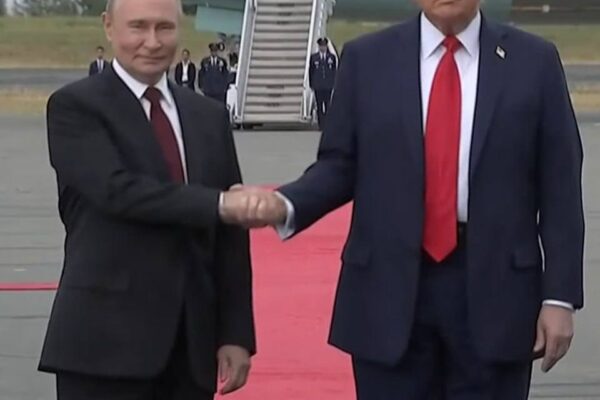
In Anchorage, Alaska, U.S. President Donald Trump and Russian President Vladimir Putin are meeting in a summit that, while officially focused on the war in Ukraine, carries multiple geopolitical, historical, and diplomatic dimensions. The meeting, from which Ukrainian President Volodymyr Zelensky was excluded, takes place amid international tensions and economic sanctions.  

Read More

What is Venezuela’s connection to the 2008 Georgia War? 

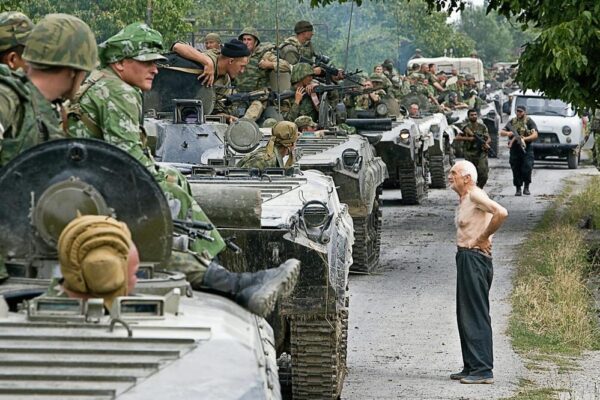
On the anniversary of the 2008 conflict between Russia and Georgia, marking 17 years since the brief but decisive war that transformed the geopolitics of the Caucasus, it is worth revising Venezuela’s role in this scenario. Since 2008, Caracas has maintained a clear stance aligned with Moscow, recognizing the independence of the republics of Abkhazia and South Ossetia and providing political support to Russia amid its tensions with the West.  

Read More

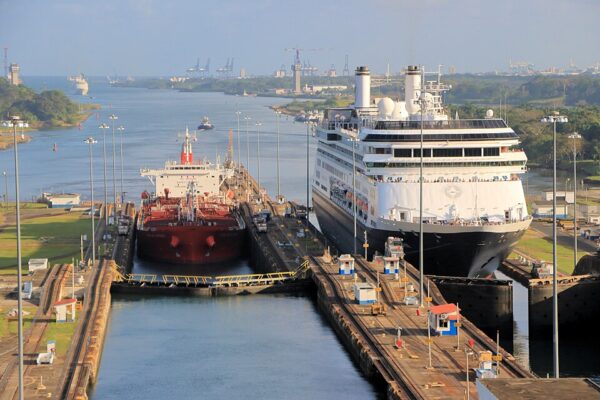
Malaysia and Panama Take Action Against Sanctioned Oil Transport  

In a coordinated move against the trade of sanctioned crude, Malaysia has imposed strict regulations on illegal oil transfers in its waters, while Panama has closed its doors to high-risk, aging vessels. Although pressure on the so-called “shadow fleet” is increasing, historical experience shows that such measures often face structural limitations and the constant reinvention of evasion networks.  

Read More

What are the implications of escalating tensions in the Red Sea for Venezuela?  

The crisis in the Red Sea has taken a new turn. Yemen’s Houthi rebels announced the expansion of their naval blockade against Israel, declaring that they will attack any vessel with commercial ties to Israeli ports, regardless of its flag or destination. This decision, made after the breakdown of peace talks in Doha, increases the risk to maritime traffic along a route that handles approximately one trillion dollars in goods annually.  

Read More

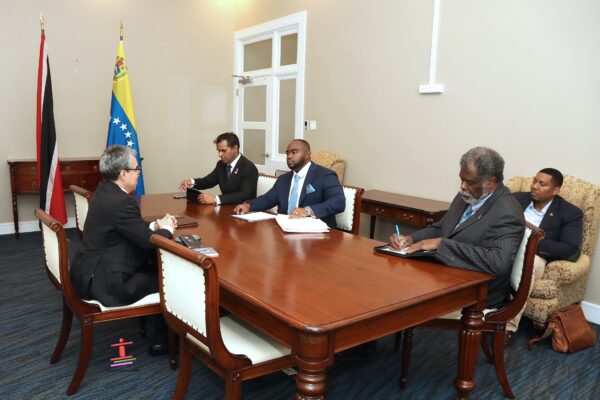
Trinidad and Tobago Breaks Ties with Venezuelan Gas and Looks to Guyana, Suriname, and Grenada for Its Energy Future

The Prime Minister of Trinidad and Tobago, Kamla Persad-Bissessar, confirmed the definitive termination of the agreement with Petróleos de Venezuela (PDVSA) to import natural gas from the Dragon and Cocuina-Manakin fields. Her administration has opted for a strategic shift, prioritizing energy cooperation with Guyana, Suriname, and Grenada.  

Read More