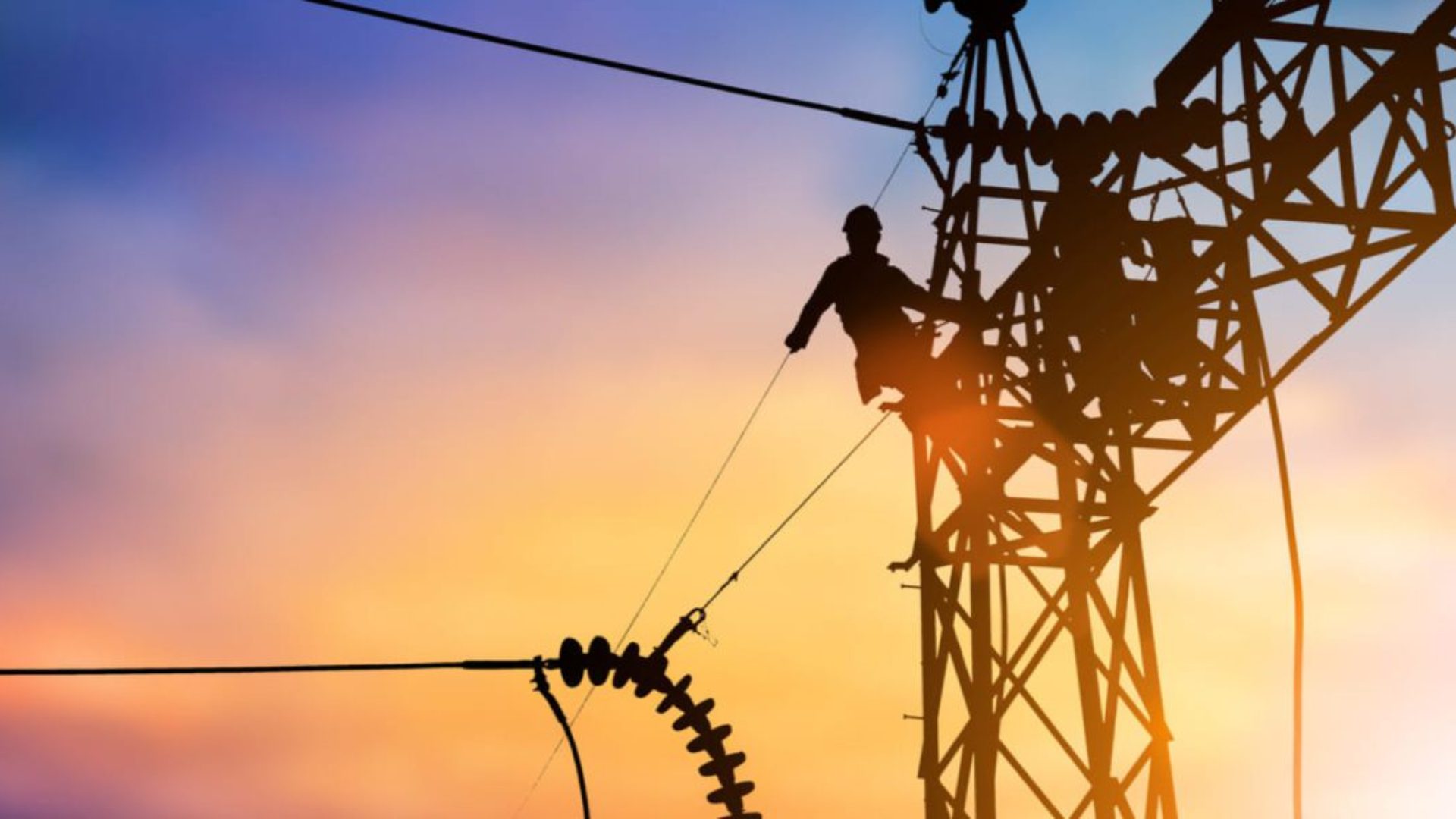
From the oil industry to energy integration with neighboring countries, electricity emerges as a determining factor for the country’s economic future. Photo: CORPOELEC.
Guacamaya, March 25, 2026. The Venezuelan electrical system has positioned itself as one of the most sensitive axes in the conversation between the State and the private sector, amid attempts to reactivate the national economy.
Electrical failures continue to affect both the well-being of the population and practically all industries, as a result of the state-owned company Corpoelec’s inability to meet demand.
This strategic public service has caught the attention of the Trump administration, which places it as one of the four pillars in its economic agenda for Venezuela, alongside oil, gas, and mining.
A System in Crisis at the Center of the Economic Agenda
Since late 2025, the then Ministry of Electric Power —recently restructured— had begun promoting a series of consultations with business representatives, aiming to explore formulas that would allow private participation. According to business spokespersons, these exchanges have intensified in recent months.
The first formal call to discuss proposals took place in December 2025, after a prolonged period of inactivity. Since then, meetings between authorities and economic actors have been constant, including technical inspections of generation plants and visits to strategic sites where initiatives under evaluation are being planned.
In parallel, the business sector has consolidated its own working structure. Guilds such as the Venezuelan Petroleum Chamber, the Venezuelan Construction Chamber, and the Infrastructure Commission of Fedecámaras have assumed an active role within a subcommittee focused exclusively on analyzing the electrical sector. The objective is to present technical proposals and management models that contribute to the recovery of the service.
Along these lines, the first vice-president of Fedecámaras, Tiziana Polesel, has indicated that public-private partnership schemes are being considered, as well as business mechanisms similar to those implemented in other strategic areas.
The industrial sector has begun to actively engage in solutions. In February, Conindustria announced a plan to recover power plants in Carabobo with financing from CAF.
Its president, Tito López, highlighted that the investment needed to recover the system could be around $24 billion.
According to guild data, 12.7% of companies plan to increase production and employment in 2026, driven by an estimated $3.4 billion in financing. This increase in economic activity will undoubtedly demand greater electrical capacity.
Legal Framework and Debate on Opening Up
One of the main obstacles identified is the current legal framework. The Organic Law for the Reorganization of the Electrical Sector, enacted in 2007, mandated the centralization and nationalization of the system. This element has reactivated the debate around the need for a legal reform to adapt the model to the new demands for investment and management.
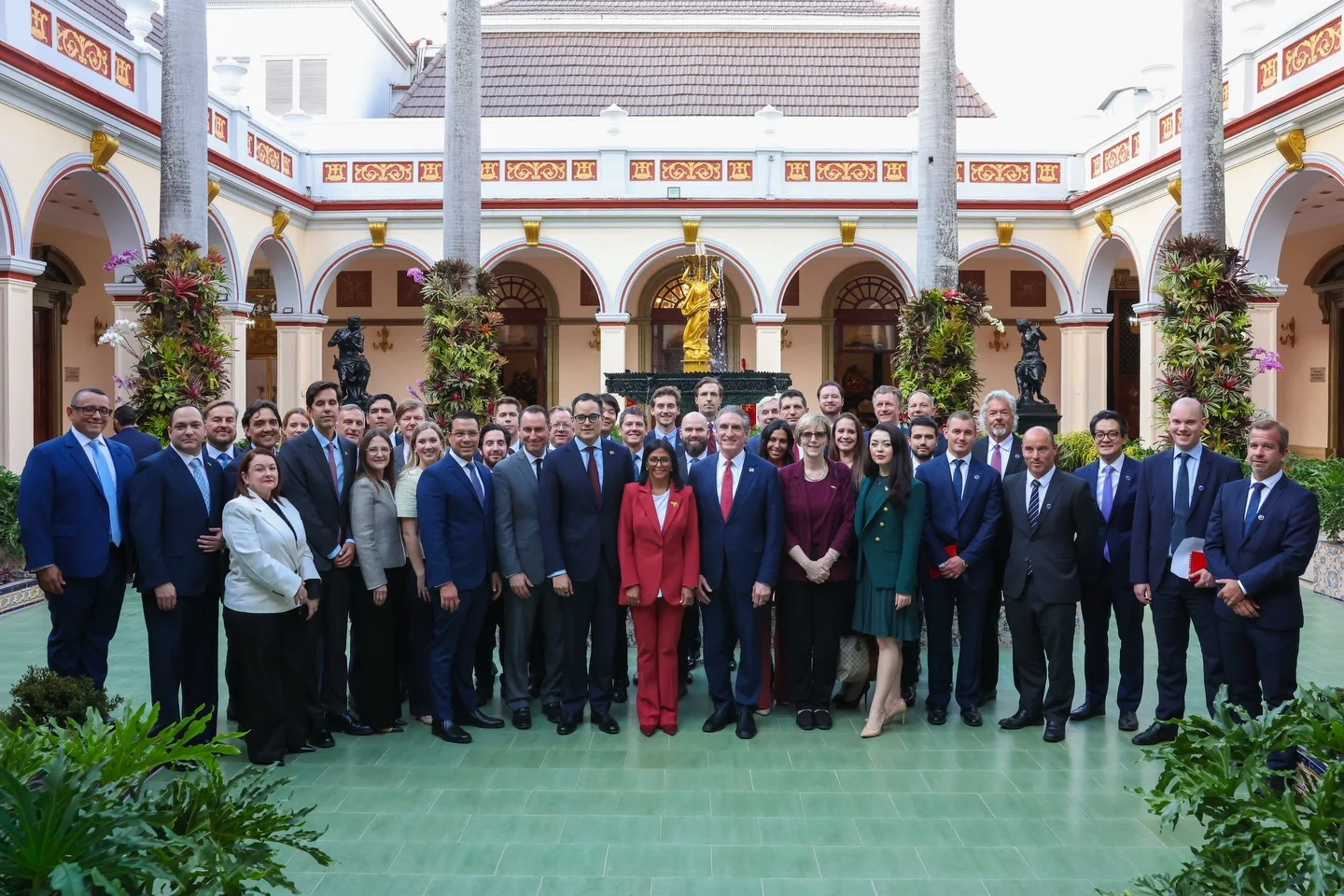
The issue has also been recurrent in both national and international dialogue spaces, where the urgency of addressing the electrical system’s failures has been emphasized. During recent meetings in Caracas with business representatives, it has been proposed that this sector should be prioritized, which could translate into future legislative actions by the National Assembly, once other ongoing discussions are concluded.
In this context, the former head of the electric power portfolio had promoted tours with businesspeople to thermoelectric plants requiring urgent investments, evaluating financing alternatives that include both private capital and public resources. Among the options considered are investment funds and support from multilateral organizations, such as CAF – Development Bank of Latin America.
The industrial sector has also expressed willingness to participate in the system’s recovery. Leaders like Tito López, president of Conindustria, have indicated that joint initiatives are being developed with entities such as Corpoelec, aimed at rehabilitating substations and recovering critical infrastructure.
Additionally, the possibility of directing international financing towards regions considered strategic is being analyzed, especially those where electrical failures have the greatest impact on productive activity.
Current discussions point towards a possible transition to a mixed management model, where private investment complements the State’s capacities. In a scenario where electricity supply remains one of the main bottlenecks for the economy —with direct effects on businesses and households— these initiatives seek to chart a roadmap to stabilize the service, modernize infrastructure, and incorporate more efficient management schemes.
Cabinet Changes and Shift Towards Technical Profiles
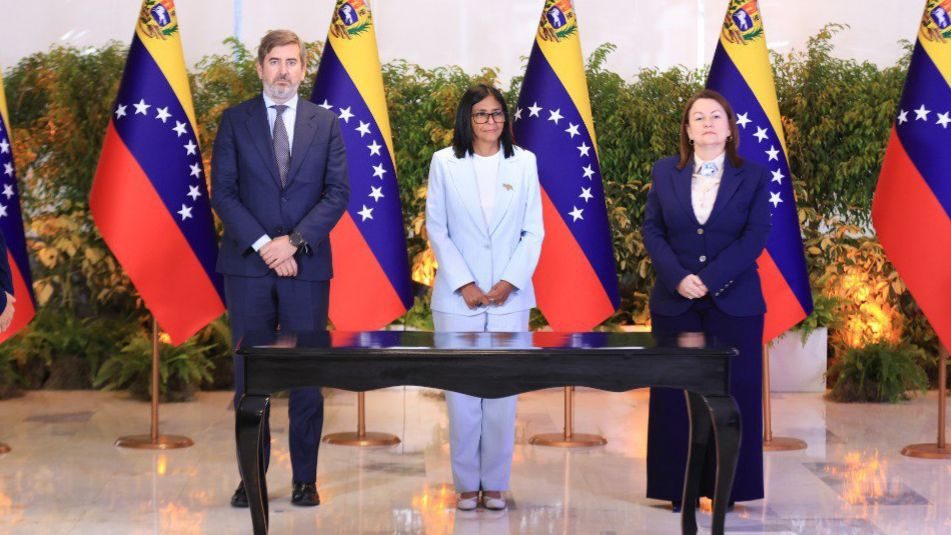
In this regard, Venezuela’s acting president, Delcy Rodríguez, appointed engineer Rolando Alcalá as the new Minister of Electric Power, replacing General Jorge Márquez Monsalve, who moved to head the Housing portfolio.
The appointment, announced through official channels, marked one of the most significant changes within the Executive Branch in the last week. Alcalá, an electrical engineer graduated from Simón Bolívar University and a specialist in electrical projects, assumed the responsibility of “continuing to strengthen the National Electrical System.”
The change reflected a shift from military profiles —which had dominated the sector’s leadership— towards a technical figure, in line with efforts to introduce greater specialization in critical areas of public management.
Service Deterioration and Increase in Failures
Parallel to the institutional discussions, the operational situation of the system continues to deteriorate. According to the organization Activos por la Luz, comparing January 2026 to December 2025 showed a slight increase in the number of blackouts, but a much more pronounced increase in service instability, as fluctuations grew by nearly 300%.
The average duration of blackouts stood at 4 hours and 13 minutes. The trend intensified in February, when 214 interruptions were reported, a 78% increase compared to January.
Zulia state stands out among the most affected, a key entity for the national oil industry, where service interruptions impact both the daily lives of the population and the economic dynamics of Maracaibo, considered the country’s second most important city.
5. Electricity and Oil: A Structural Relationship
Electricity is a critical and cross-cutting input throughout the oil production chain. Its availability, stability, and quality determine not only extraction levels but also operational efficiency, costs, and facility safety.
In countries like Venezuela, where much of the hydrocarbon activity depends on interconnected electrical systems, supply failures have direct effects on production. Any strategy for the industry’s recovery must necessarily involve stabilizing and modernizing the electrical system.
In the exploration and production phase (upstream), electricity is essential for the operation of key equipment such as artificial lift pumps, water or gas injection systems, compressors, and drilling rigs. In many mature fields —such as those in Venezuela— crude oil does not flow naturally, so it needs to be extracted using systems that are completely dependent on electrical power. A power outage can immediately halt production from a well or even cause damage to equipment if not managed properly.
In the case of the Orinoco Oil Belt, where extra-heavy crude is produced, electrical dependency is even greater. There, oil requires additional processes such as heating, dilution, or upgrading to be transported and commercialized. These operations involve intensive energy consumption, both electrical and thermal, making supply stability a determining factor for maintaining continuous production.
Electricity is also essential in the transportation phase. The pumping systems that move crude through pipelines require constant energy. Interruptions at this point not only paralyze flow but can create bottlenecks throughout the logistics chain, affecting exports and commercial commitments.
In the refining segment (downstream), electricity is equally crucial. Refineries operate as highly integrated industrial complexes, where processes like distillation, cracking, or desulfurization depend on electrical systems to control temperatures, pressures, and flows. An electrical failure can force entire units to shut down, leading to significant economic losses and, in some cases, operational risks.
Beyond directly productive processes, electricity sustains the support infrastructure, including control systems, telecommunications, industrial safety, storage, and dispatch. Without reliable power, the integrity of the entire operation is compromised.
In contexts of electrical instability, such as Venezuela’s, companies often resort to alternative solutions like self-generation plants (diesel or gas), which increases operating costs and reduces profitability. Furthermore, the need for self-generation introduces additional logistical challenges, such as fuel supply and equipment maintenance.
The Role of the Electrical Sector in Economic Recovery
Beyond oil, electricity constitutes the foundation of all economic activity. Industry, commerce, services, and agriculture depend on a stable supply to operate.
In Venezuela, where around 2,300 industries operate at only 52.7% of installed capacity, electrical instability represents a direct brake on production. Access to reliable energy is also a key factor in attracting investment and reactivating strategic sectors.
In this sense, the recovery of the electrical system is shaping up as an indispensable condition for any sustained process of economic growth.
Regional Energy Integration: Colombia and Brazil
The international component is also gaining relevance. Colombia has intensified efforts with the U.S. Office of Foreign Assets Control (OFAC) to reactivate energy projects with Venezuela.
The initiatives include rehabilitating the electrical interconnection via La Guajira and reactivating the Antonio Ricaurte Gas Pipeline, with participation from companies like Ecopetrol and ISA. The objective is to strengthen energy security and position Colombia as a regional hub.
According to the Colombian technical team, the eventual resumption of gas flow from Venezuela could materialize under two scenarios. The first involves replacing a missing section of approximately five kilometers on Colombian territory, in the border area near Maracaibo, which would imply an estimated timeline of three to four months. The second proposes a more immediate solution by installing a temporary connection with flexible pipe, which would enable supply within one to two months. Part of the necessary infrastructure would have already been moved by PDVSA to the Paraguachón area.
Meanwhile, Colombian authorities have advanced in evaluating the technical and operational status of the gas pipeline on Venezuelan territory, as well as in preliminary analyses of the quality of gas available for a potential import. These studies aim to determine the real viability of the projects in a context marked by regulatory restrictions and accumulated technical challenges.
The political dimension of this process has also gained relevance. Palma recently held a meeting with the Chargé d’Affaires of the U.S. Embassy in Colombia, Jarahn Hillsman, to explore investment opportunities and deepen bilateral energy cooperation. In that context, the Colombian official underscored the importance of advancing energy integration as a mechanism to strengthen supply security for both Colombia and the Caribbean.
Based on the above, the eventual authorization from OFAC is shaping up as a determining factor. Its approval would not only allow the reactivation of specific projects with Venezuela but would also open the door to a new stage of regional energy cooperation, at a time when supply stability and the transition towards more diversified energy matrices have become shared priorities.
For its part, Brazil sought in 2025 to resume importing electricity from Venezuela to supply the state of Roraima, through a 230 kV line connecting Santa Elena de Uairén with Boa Vista. The energy, coming from Guri and managed by Bolt Energy, aimed to reduce dependence on thermoelectric generation.
Historically, this region of northern Brazil depended on Venezuelan electricity supply. Between 2001 and 2019, a significant portion of its demand was covered by energy from Guri, until imports were suspended amid technical problems and political tensions. Since then, Roraima became almost exclusively dependent on thermoelectric plants, a more expensive and polluting alternative.
Despite these challenges, the operation had the institutional backing of the Brazilian regulator, the National Electric Energy Agency (Aneel), and is part of a broader energy subsidy scheme that allows covering costs through mechanisms like the Fuel Consumption Account (CCC).
Despite the agreement between Brazil and Venezuela, the energy transfer did not materialize. It is important to note that on that grid, electricity could flow in both directions.
Background on Financing and Controversies
In 2019, amid the collapse of the Venezuelan electrical system, the Andean Development Corporation proposed a credit line aimed at recovering part of the country’s energy infrastructure, with the support of the United Nations Development Programme. The goal was to address a situation of extreme vulnerability through equipment imports and the reactivation of generation capacity.
However, the proposal was surrounded by questions. Experts in electrical system management such as Miguel Lara and José Aguilar warned, after reviewing the financing terms, that the planned imports —including 30 MW mobile generators, transmission cables, and transformers— had an alleged overprice of approximately $146 million. This figure was equivalent to about 42% of the total loan amount, raising doubts about the transparency and efficiency of the proposed scheme.
According to a report by the specialized firm Argus Media, analysts also questioned the assumption that the funds would be administered by UNDP and not by the state-owned Corpoelec, which, in theory, sought to offer greater control guarantees. Even so, questions persisted about the actual execution of the funds.
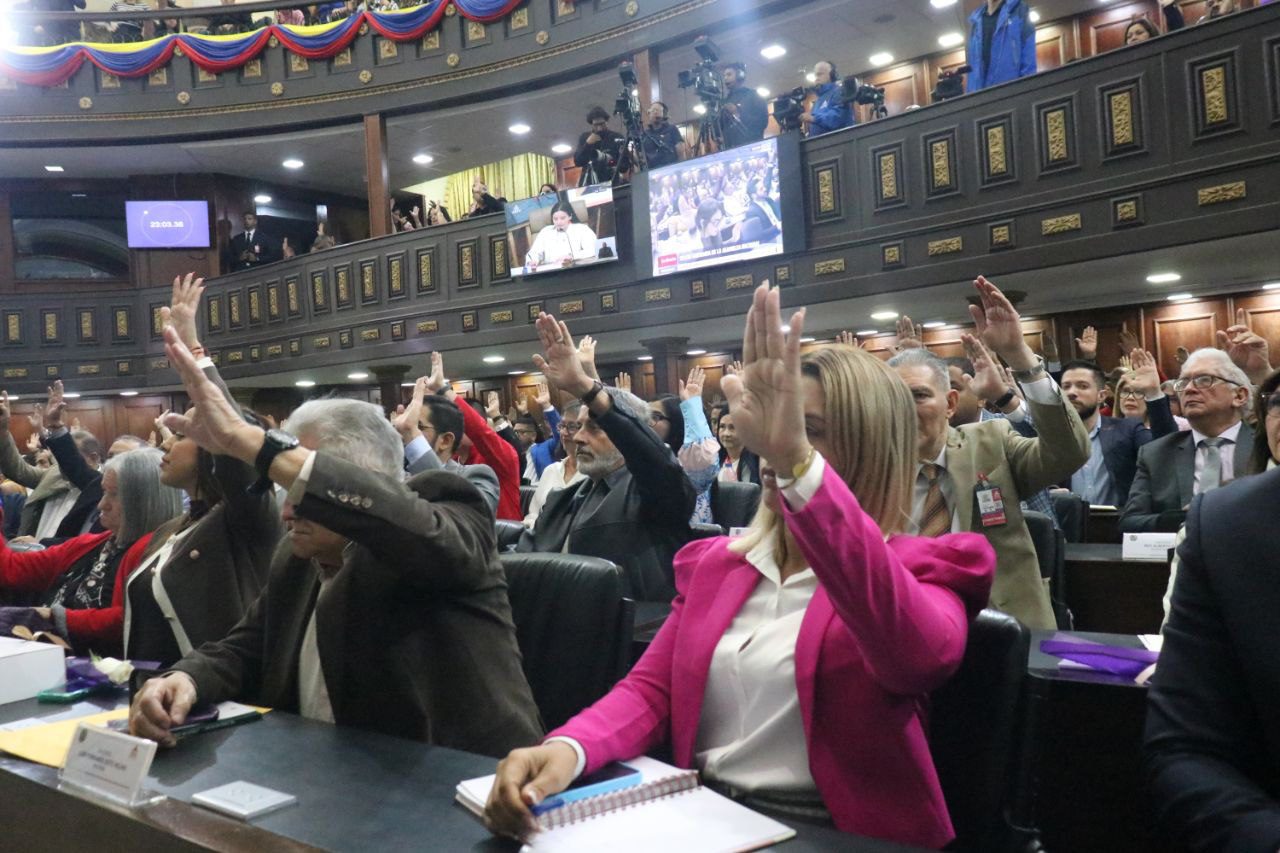
The credit, which had been structured at the request of Nicolás Maduro’s government, remained pending approval in the National Assembly, where it generated both technical and political divisions. In parallel, the plan contemplated recovering 1,071 megawatts of installed capacity, with emphasis on regions particularly affected by the electrical crisis, such as Zulia, Nueva Esparta, the Andean region, and Caracas.
Tensions deepened when Deputy Ángel Alvarado, a member of Parliament’s Finance Commission, denounced to CAF’s ethics committee the approval of credits for up to $900 million without the legislative endorsement required by the Constitution. The complaint, made in January of that year, received no public response from the multilateral organization, adding uncertainty to the process and further complicating the possibility that Parliament would greenlight the funds.
This episode also marked a turning point in the relationship between CAF and Venezuela, in an international context where dozens of countries questioned the legitimacy of Maduro’s re-election in 2018 and recognized the parliamentary leadership as interim authority.
During that same period, the Energy Commission of Parliament, chaired by Elías Matta, promoted an alternative financing proposal for $350 million aimed at addressing the electrical emergency, especially in Zulia state. The project, supported by political sectors such as Un Nuevo Tiempo and Acción Democrática, contemplated a first phase of incorporating 240 megawatts.
The initiative had been promoted with the support of dialogue spaces like the Boston Group and the Electrical Committee of the Venezuelan College of Engineers, under the logic of reaching minimum agreements between the government and opposition. In this scheme, disbursements would also be managed with UNDP participation, alongside independent experts and representatives from both sides.
However, the proposed debt also generated fractures within the opposition, where some parliamentarians considered that its approval implied, in practice, an indirect recognition of Maduro’s government. Thus, amid the urgency to address the electrical crisis, the debate on financing ended up reflecting the profound political tensions running through the country, a debate that stalled on the issue of recognition without addressing the serious crisis resulting from the system’s collapse.
Potential of Venezuela’s Energy System
The Venezuelan National Electrical System is organized into three components: generation, transmission, and distribution, under the centralized control of Corpoelec.
78% of the energy matrix is predominantly hydroelectric, with the Guri dam as the main asset. This is supplemented by a thermoelectric park based on gas and liquid fuels.
The country possesses enormous energy potential with regional-scale hydroelectric capacity, natural gas reserves, and opportunities in renewable energies such as wind and solar, but this has been little developed so far.
The Trump administration has declared that the recovery of the electrical system is a priority in various interventions by its spokespersons.