The IACHR and UN Experts Point to Human Rights Violations in U.S. Operations, While Congress Members Promote Resolutions to Prevent Armed Conflict. Photo: UN/John Isaa.
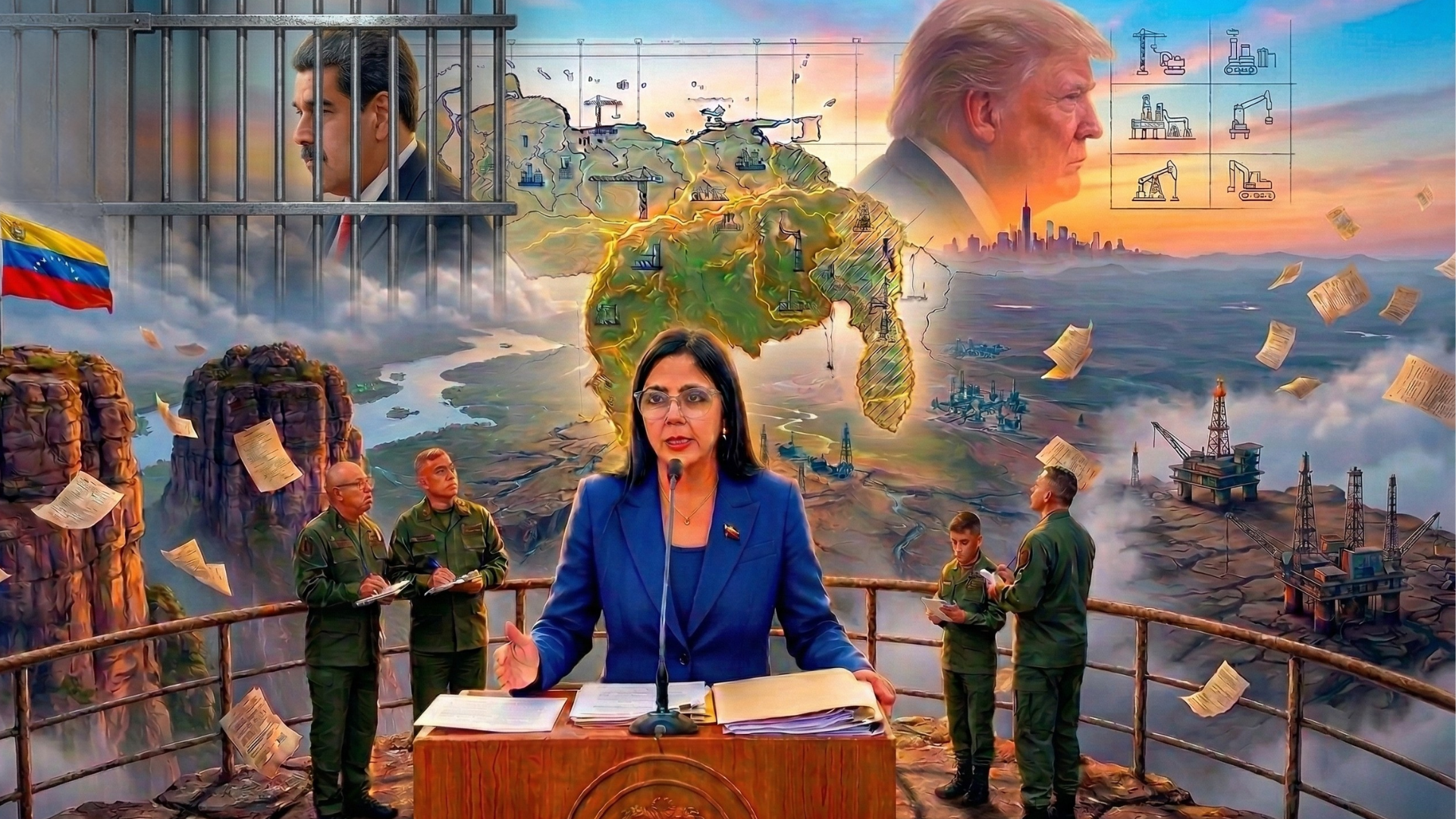
Guacamaya, December 1, 2025. UN experts condemned on Thursday the pressure exerted by Donald Trump’s administration on Venezuela, particularly after the closure of airspace and the “extrajudicial killings” carried out by military forces in the Caribbean since September 2025. George Katrougalos and Ben Saul, specialists in international order and counterterrorism, compared these actions to past interventions.
“The long history of external interventions in Latin America must not be repeated,” the experts stressed in a statement. They cited the case of Nicaragua in 1986, which brought the United States before the International Court of Justice for military and paramilitary actions in the Latin American country. The rapporteurs warned that U.S. actions violate international law and destabilize the region.
The specialists denounced that the 21 U.S. military operations in international waters against alleged drug traffickers have resulted in the deaths of more than 80 civilians, constituting “serious violations of the right to life.” These operations, justified as part of the fight against drug trafficking but lacking clear evidence according to the experts, represent a “dangerous escalation” for Venezuela.
IACHR Also Warns of Arbitrary Executions
These statements were not the only ones made public in recent hours by representatives of international organizations. This week, the Inter-American Commission on Human Rights (IACHR) also warned of possible arbitrary executions in U.S. bombings in the Caribbean. In this regard, they urged halting the use of lethal force except in exceptional cases.
The regional body expressed its “deep concern” over these actions. While acknowledging the seriousness of organized crime and its impact on human rights, the Commission emphasized that States are obliged to protect life even in security scenarios beyond their borders.
Previously, the Commission had received a complaint regarding the death of a Colombian fisherman, Alejandro Carranza Medina, in an attack on September 15, presented as an anti-narcotics operation. The family, represented by lawyer Daniel Kovalik, cited reports from The New York Times and The Washington Post as evidence of extrajudicial execution.
Internal Resistance in the U.S. Against Military Actions
Regarding the attacks by military forces on small vessels in the Caribbean Sea, Trump has also faced resistance within the United States. Initially, members of Congress demanded answers from Defense Secretary Pete Hegseth and the Pentagon over accusations of war crimes, such as a second strike ordered against survivors on September 2.
Legislators such as Roger Wicker and Mike Rounds promised “vigorous oversight” in this regard, arguing that eliminating survivors violates international law and military codes. Meanwhile, the House Armed Services Committee announced it would push for bipartisan measures to demand a detailed report on the operation in question.
In turn, a bipartisan group of U.S. senators—including Democrats Tim Kaine, Chuck Schumer, Adam Schiff, and Republican Rand Paul—announced on Tuesday that they will present a new resolution on war powers, aimed at halting any military action by Donald Trump’s administration against Venezuela.
At the same time, Democratic representatives Jim McGovern and Joaquín Castro, together with Republican representative Thomas Massie, presented their own resolution before the House to block what they called Trump’s “absurd escalations” against Venezuela. McGovern asserted that only the president and his “billionaire sponsors” support the path toward armed confrontation.