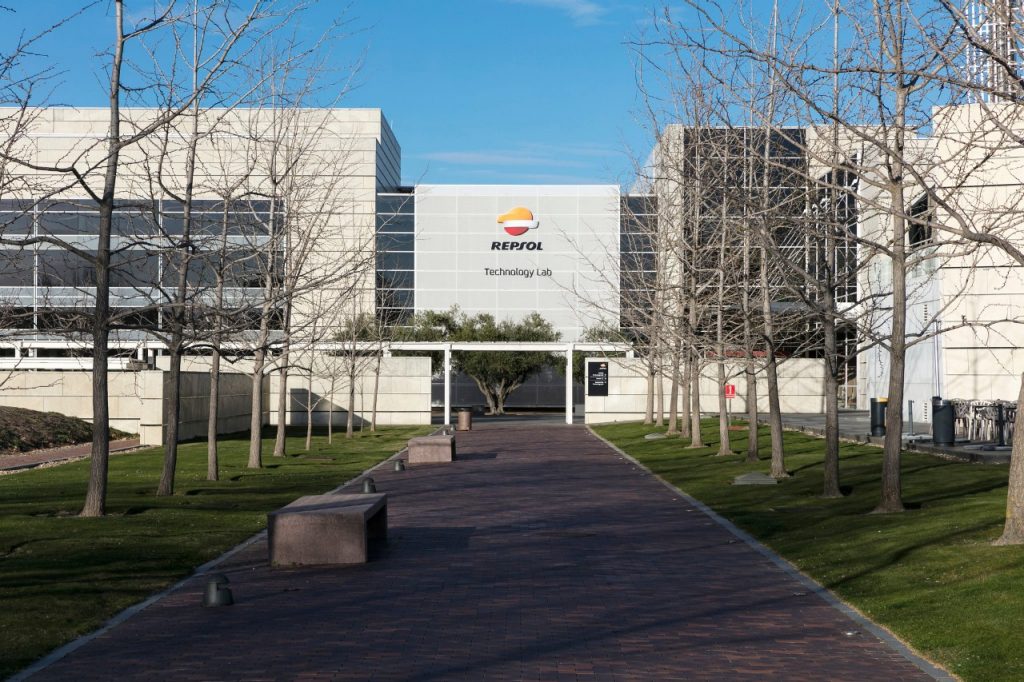
Two million barrels of Venezuelan oil will be shipped to the Spanish oil company Repsol, according to export schedules released this week. This is the first significant shipment destined for Spain. Meanwhile, Shell says it expects to produce gas from the Dragón field, located in Venezuelan waters, within approximately three years, with processing in Trinidad and Tobago for subsequent export. The American oil company ConocoPhillips, however, has made it clear that it is not considering any return to operations in Venezuela. Image of the Repsol Technology Lab headquarters in Spain. Photograph from the Repsol Multimedia Gallery.
Guacamaya, February 6, 2026. The shipment of nearly two million barrels of Venezuelan crude to Repsol marks the first major energy move following the easing of U.S. sanctions, amid a selective reopening of Venezuela’s oil sector. While European companies such as Repsol and Shell explore new opportunities, U.S.-based ConocoPhillips rules out any return and focuses exclusively on collecting a multibillion-dollar debt.
Reuters reported that close to two million barrels of Venezuelan oil will be sent to Spain’s Repsol, according to export schedules known this week. It is the first significant shipment to Spain since the first quarter of last year, when imports were halted after Washington revoked licenses.
The renewed flow follows a decision last Friday by the U.S. Department of the Treasury to issue a broad license authorizing U.S. companies to load, transport, store, sell, and refine Venezuelan oil—a substantial shift in sanctions policy toward the South American country.
According to Reuters, Repsol confirmed that some Venezuelan heavy crudes are technically compatible with its refineries, including Cartagena, and expressed interest in securing stable supplies from Venezuela—reinforcing perceptions of a gradual reopening of the Venezuelan energy market to European players.
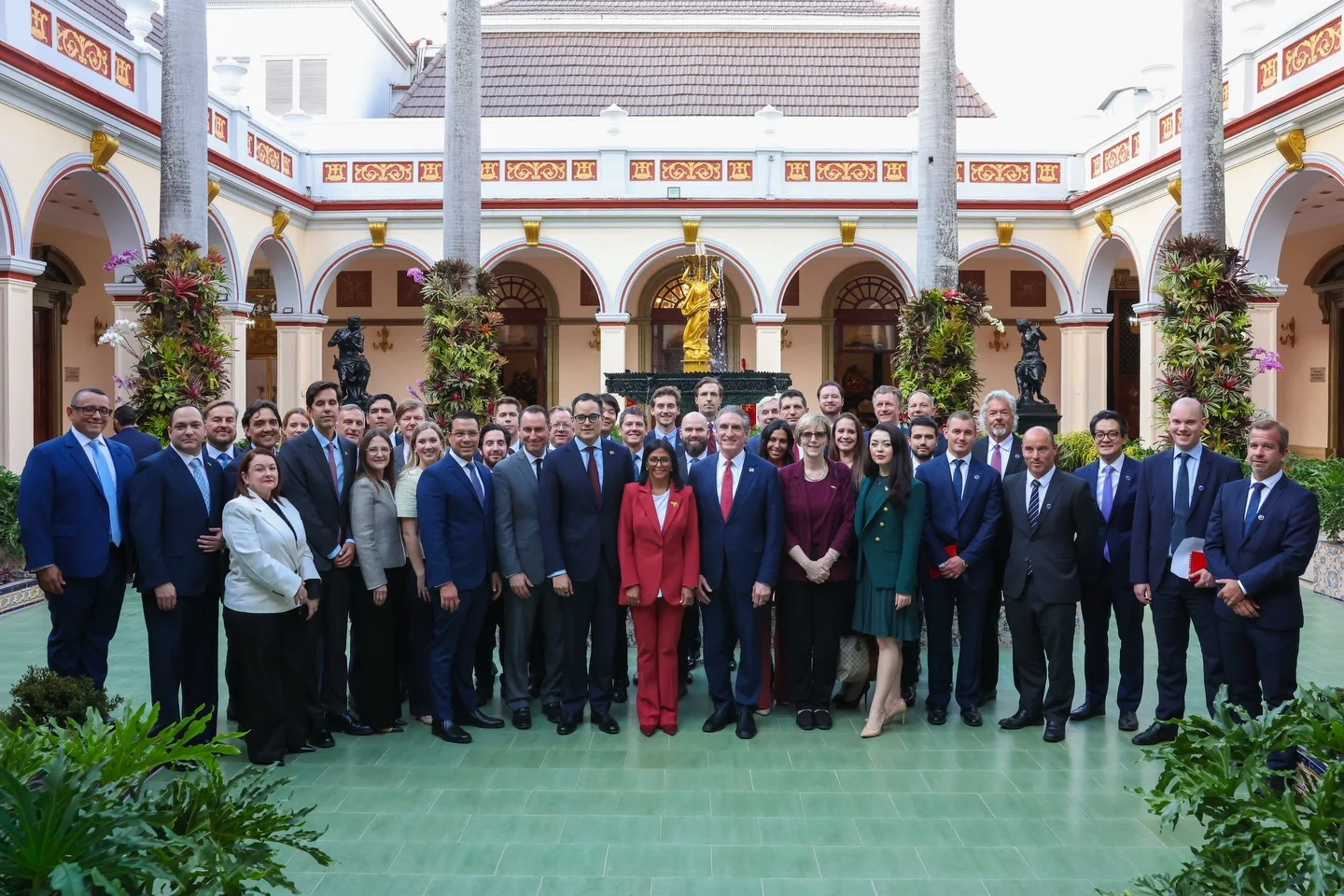
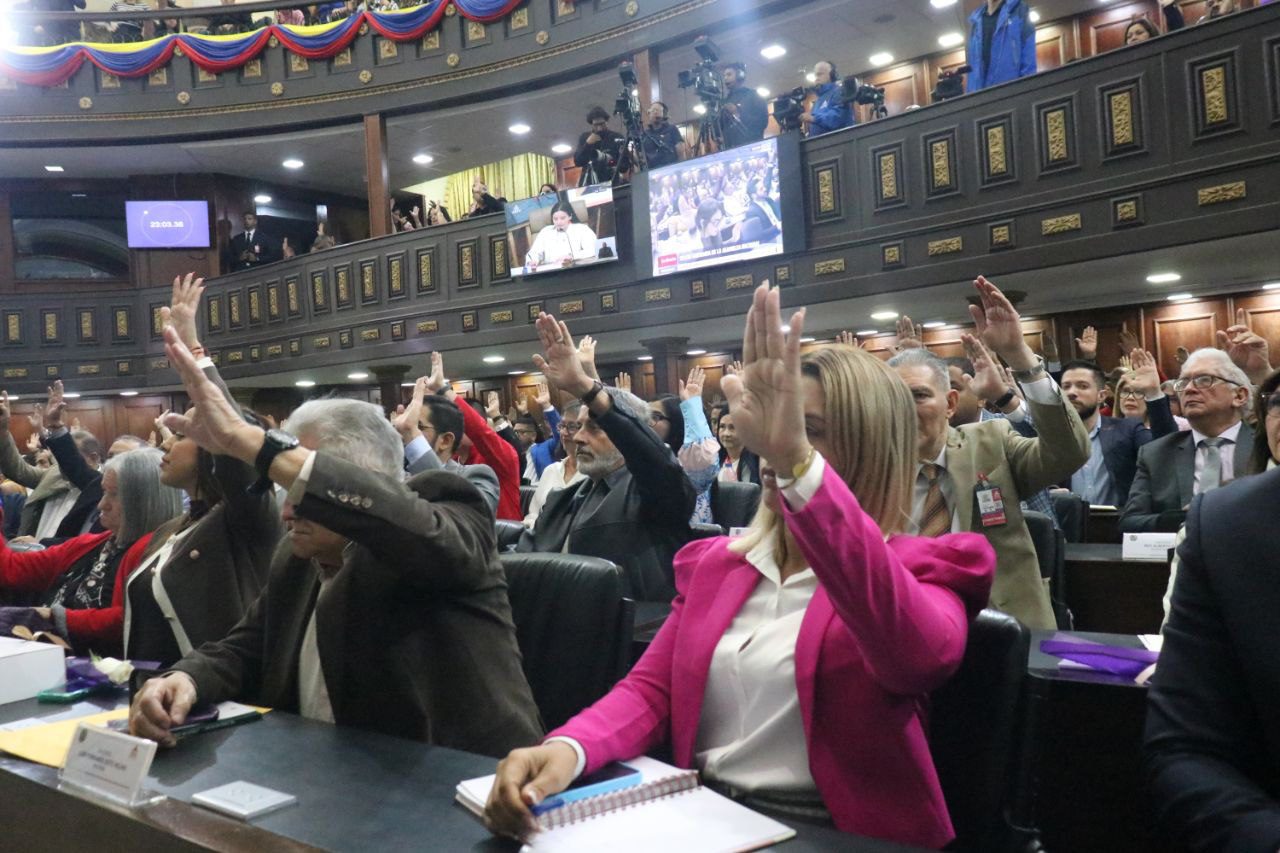
In parallel, Venezuela’s interim president, Delcy Rodríguez, held meetings this week in Caracas with executives from Repsol and France’s Maurel & Prom, shortly after Parliament approved a comprehensive reform of the Hydrocarbons Law. The changes grant a six-month window for the government and partners in PDVSA joint ventures to renegotiate and update contractual terms.
For Spain, the return of Venezuelan crude is not merely a commercial decision but also a strategic move in energy and geopolitical terms. Amid recurring tensions with Morocco and a fragile, politically sensitive relationship with Algeria—Spain’s main historical gas supplier—diversifying hydrocarbon sources has become a priority for Madrid.
The 2022 diplomatic rift with Algiers, following Spain’s backing of Morocco’s autonomy plan for Western Sahara, exposed Spain’s energy vulnerability vis-à-vis Maghreb suppliers. Although Algerian gas flows were not fully interrupted, prices rose and became subject to a volatile political relationship, while the closure of the Maghreb–Europe gas pipeline—running through Morocco—deepened regional uncertainty.
Against this backdrop, Venezuelan oil emerges as an attractive alternative for several reasons. First, its technical compatibility with Spanish refineries—particularly Repsol’s, designed to process heavy and extra-heavy crudes. Second, as a maritime, flexible supply not conditioned by immediate territorial disputes or border tensions, unlike North African energy flows.
Moreover, the partial restoration of energy ties with Venezuela comes as Spain seeks to reduce concentrated geopolitical risks by diversifying suppliers without overreliance on either Russia or the Maghreb. For Repsol, with a long-standing presence in Venezuela and deep operational knowledge of the country, a controlled return to Venezuelan crude offers competitive advantages over other European operators.
From a broader perspective, reopening the Venezuelan channel allows Spain to gain room for maneuver in its external energy policy, cushioning potential pressure from Morocco or Algeria and reinforcing its role as a southern European energy hub. In that sense, Repsol’s interest in stable Venezuelan supplies reflects not only corporate logic but also a convergence between business strategy and Spain’s structural state needs.
Gas also enters the picture: Shell and Trinidad and Tobago
The energy reshuffle is not limited to oil. Shell CEO Wael Sawan said the company expects to produce gas from Venezuela’s Dragon field within approximately three years, with processing in Trinidad and Tobago for export.
Shell and the Trinidadian government are seeking to boost natural gas supply to Trinidad’s Atlantic LNG facilities and the broader petrochemical sector amid a sustained decline in the island’s domestic output.
Trinidad and Tobago obtained its first OFAC license for the Dragon field in January 2023, naming Shell and state-owned NGC as licensees. That authorization was canceled in May 2025, but a new license issued in October allowed negotiations on project development to resume.
“We are currently waiting for those OFAC licenses from the U.S. government and, within a relatively short period, we believe we could reach a final investment decision, with production one or two years after that,” Sawan told Bloomberg TV. In a separate interview with CNBC, he said the Dragon gas opportunity could be “activated in a matter of months.”
Shell believes the project aligns with Washington’s strategy following the removal of Venezuelan President Nicolás Maduro and the U.S. push to invest in Venezuela’s energy industry. “It will be beneficial for the Venezuelan people, excellent for Trinidad and Tobago, and fully aligned with the policy the United States is trying to implement,” Sawan said.
ConocoPhillips: no return, only recovery
In contrast to renewed European interest, U.S. oil major ConocoPhillips made clear it has no plans to resume operations in Venezuela. CEO Ryan Lance said on February 5 that the company’s sole priority is collecting debt stemming from nationalizations carried out nearly two decades ago.
According to international arbitration awards—including rulings by ICSID—Venezuela owes ConocoPhillips around $10 billion, amounts that remain unpaid despite their legal validity.
Lance ruled out new investments even amid pressure from U.S. President Donald Trump for American companies to help revive Venezuela’s oil sector. “We do not contemplate a return to operations in Venezuelan territory,” he stressed, noting that the company is pursuing legal avenues to recover what it is owed.
ConocoPhillips’ stance underscores persistent tensions between the Venezuelan state and segments of foreign capital, in a landscape still shaped by sanctions, international litigation, and a deep economic crisis.
Meanwhile, reports by Reuters and Bloomberg point to an asymmetrical reactivation of Venezuela’s energy sector—more open to European and regional actors, but marked by caution, and distance, among major U.S. oil companies.