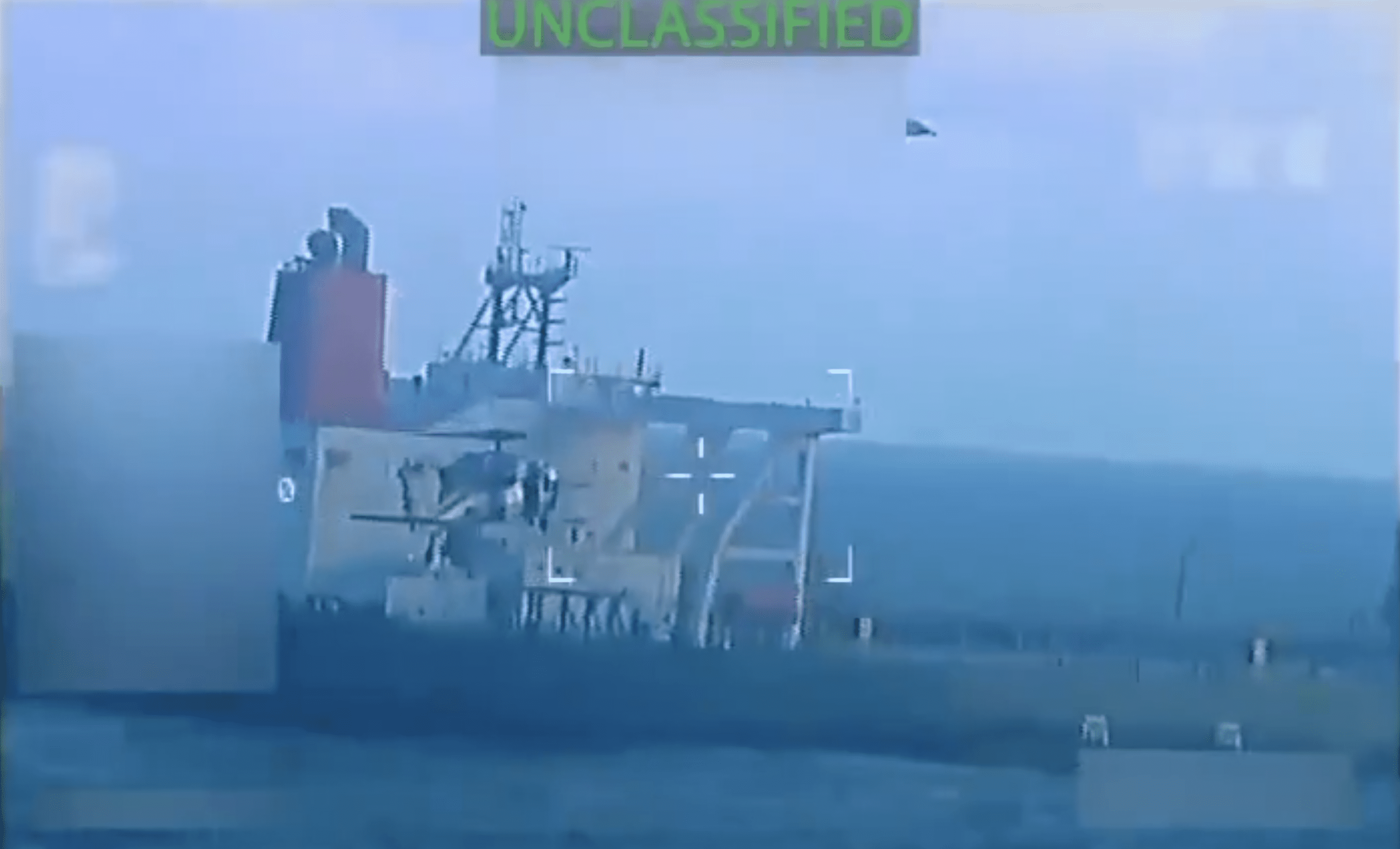
In a video, senior Trump administration officials showed the boarding of an oil tanker that had sailed from Venezuelan territory. Photo: X / @AGPamBondi.
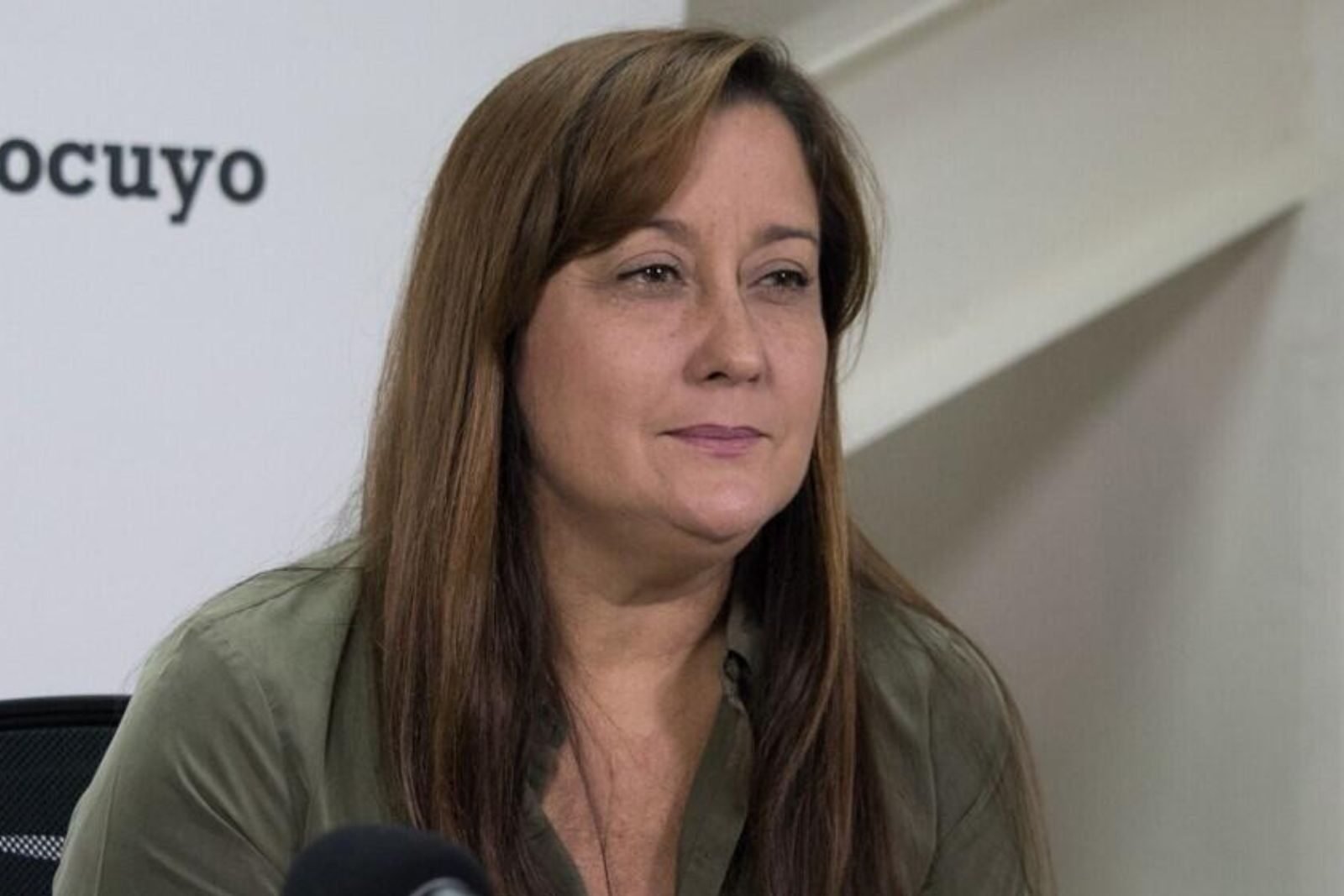
Guacamaya, December 10, 2025. Donald Trump confirmed that US forces confiscated a “large oil tanker” off the coast of Venezuela. The operation, initially revealed by Bloomberg, represents a significant escalation in the bilateral conflict and threatens to further complicate Venezuelan crude exports, at a time of increasing military pressure and sanctions. The incident coincides with the day María Corina Machado received the Nobel Peace Prize.
US President Donald Trump reported that the United States seized a “large” oil tanker off the coast of Venezuela in recent hours, amid growing tensions between the two countries. “We just seized a tanker off the coast of Venezuela, a big tanker, very big—the biggest ever seized, actually,” Trump told reporters. “And other things are happening, you’ll see later,” he added at the start of a roundtable with business leaders and senior officials.
Bloomberg had first exclusively reported, citing sources familiar with the matter, that a tanker sanctioned by the United States had been confiscated off the Venezuelan coast. The seizure could make Venezuelan oil exports much more difficult, as other carriers are likely to be more reluctant to handle shipments.
According to Bloomberg, US forces intercepted and confiscated the vessel in an action that represents a serious escalation in tensions between Washington and Caracas. The White House did not immediately respond to a request for comment. Neither did the state oil company Petróleos de Venezuela S.A. (PDVSA) nor Venezuela’s Oil and Information Ministries.
Most Venezuelan oil is currently destined for China, usually through intermediaries and at steep discounts due to sanctions risk. The Trump administration has intensified its pressure on Venezuelan President Nicolás Maduro, whom it accuses of running a drug trafficking operation. The Pentagon has carried out more than 20 strikes against suspected drug trafficking vessels in waters near Venezuela and Colombia, resulting in the deaths of over 80 suspects. Trump has repeatedly suggested that the United States could launch ground attacks and that “Maduro’s days are numbered.”
The Venezuelan government described US actions as an attempt to appropriate the country’s oil reserves, among the largest in the world. The seizure of the vessel comes on the same day that María Corina Machado, the Venezuelan opposition leader, was awarded the Nobel Peace Prize.
In recent months, Maduro has called on Venezuelans to unite against what he describes as US threats and to enlist in the citizen militia. He has also ordered the deployment of troops, ships, planes, and drones on the border with Colombia, in coastal states, and on an island.
PDVSA, which controls the country’s entire oil industry, maintains alliances with international partners, including Houston-based Chevron Corp., to conduct drilling in multiple areas of Venezuela. Under the current agreement, Chevron pays the Venezuelan government a percentage of the oil it produces in joint ventures with PDVSA. A license from the US Treasury Department exempts the company from sanctions.
In 2025, China has been the destination for 55% to 90% of Venezuelan oil exports, an increase from 40%-60% the previous year. However, competition with sanctioned crude from Russia and Iran, along with the risk of loading at Venezuelan ports due to the US military deployment, has forced PDVSA to offer increasingly steep discounts. Traders confirmed that Merey crude has recently sold for up to $15 per barrel below the price of Brent, nearly double last year’s level.
A source told Reuters that the Venezuelan state company “has been forced to accept lower prices because the carriers involved assume greater risks loading at Venezuelan ports, near where the US has its military vessels anchored.”
With an abundance of heavily discounted Russian and Iranian crude, Chinese buyers have shown little interest in Venezuelan offers, even when the price of Merey fell to $14 below Brent, according to traders involved in sales to independent refineries.
In November, Venezuela shipped 746,000 barrels per day to China, according to ship monitoring data. Despite sanctions and the risk environment, the country managed to increase its exports compared to forecast volumes for 2024, reflecting PDVSA’s effort to prevent a collapse in its oil income. International crude prices have hit heavier Venezuelan oil harder due to its quality and sanctions pressure, according to traders and company sources.
Last week, Oil Minister Delcy Rodríguez announced that crude production increased to 1.17 million barrels per day in November, up from 1.13 million in October, according to a Reuters note. PDVSA did not respond to new requests for comment on the impact of the seizure.
The escalation in the Caribbean and the tanker confiscation open a new chapter in the confrontation between Washington and Caracas, marking a scenario of increasing uncertainty for the Venezuelan oil market and its main customers in Asia.