
United States Abandons Dual Recognition: Delcy Rodríguez Is the “Sole Head of State” of Venezuela
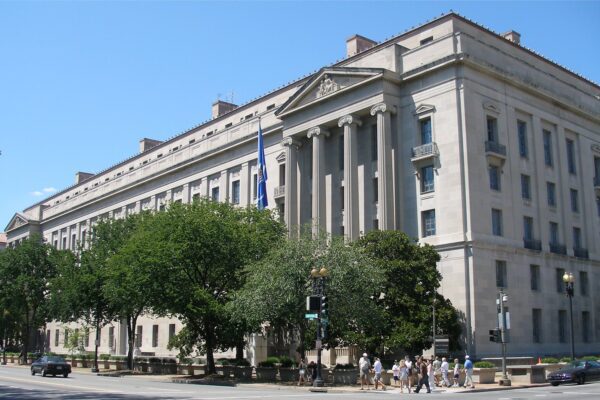
The Robert F. Kennedy Department of Justice Building in Washington, D.C., headquarters of the U.S. Department of Justice. Photo: Coolcaesar…


The Robert F. Kennedy Department of Justice Building in Washington, D.C., headquarters of the U.S. Department of Justice. Photo: Coolcaesar…
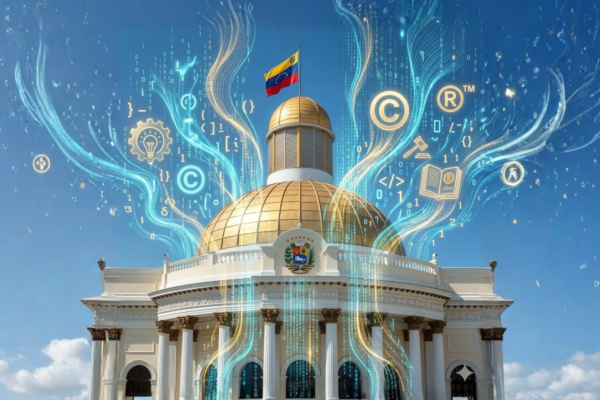
The National Assembly’s “Basic Legislative Plan 2026-2027” includes an Intellectual Property Law.

Venezuela has endured years of polarization and stalled negotiations. However, the events of last January 3, 2026, marked a point of no return: the country demands a clear roadmap, designed by and for Venezuelans.
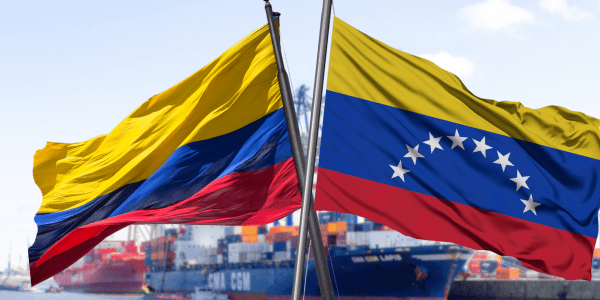
Economic relations between Venezuela and Colombia are beginning to show signs of renewed momentum amid expectations of growth and economic recovery in Venezuela. Authorities and business leaders from both countries have advanced discussions on energy cooperation, oil investment, binational transport and trade, while preparing for high-level political meetings and maintaining key regulatory decisions such as the renewal of the Monómeros license by the United States.
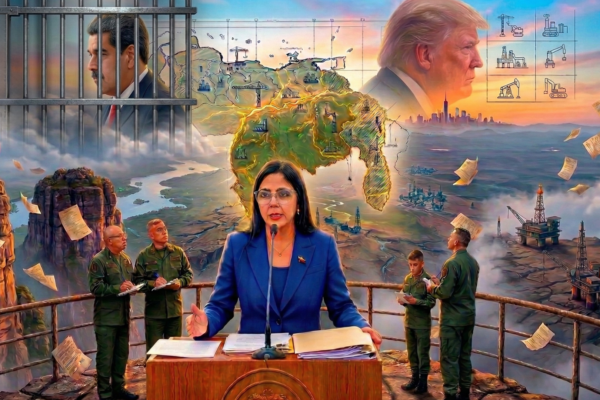
Changes ranging from the diplomatic to the economic, including the displacement of some figures and entities, but without neglecting governance.
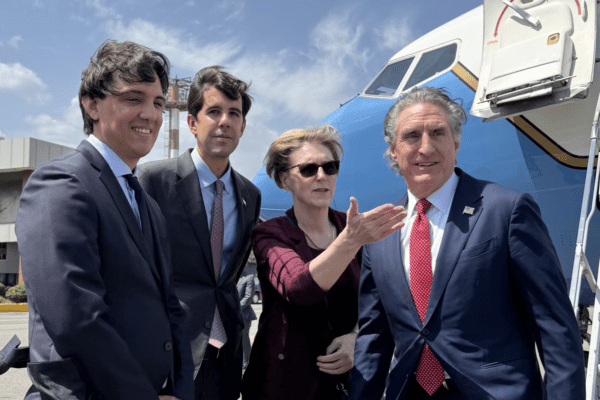
Doug Burgum’s visit to Caracas might seem, at first glance, a strange move within U.S. diplomacy.
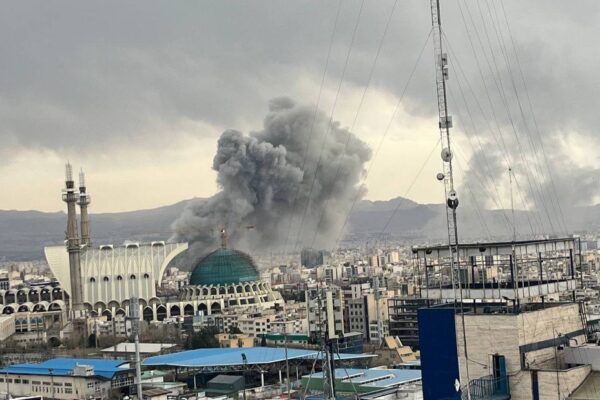
The recent escalation of tensions between the United States, Israel, and Iran threatens not only the geopolitical stability of the Middle East but also global energy markets. While oil prices have surged and maritime insurers have restricted war-risk coverage in the Persian Gulf, experts warn about the fragility of the Iranian regime and the possible scenarios following the departure of Supreme Leader Ali Khamenei. In this context, Venezuela emerges as a strategic actor capable of influencing global crude supply, in the event of prolonged disruptions in the Strait of Hormuz.