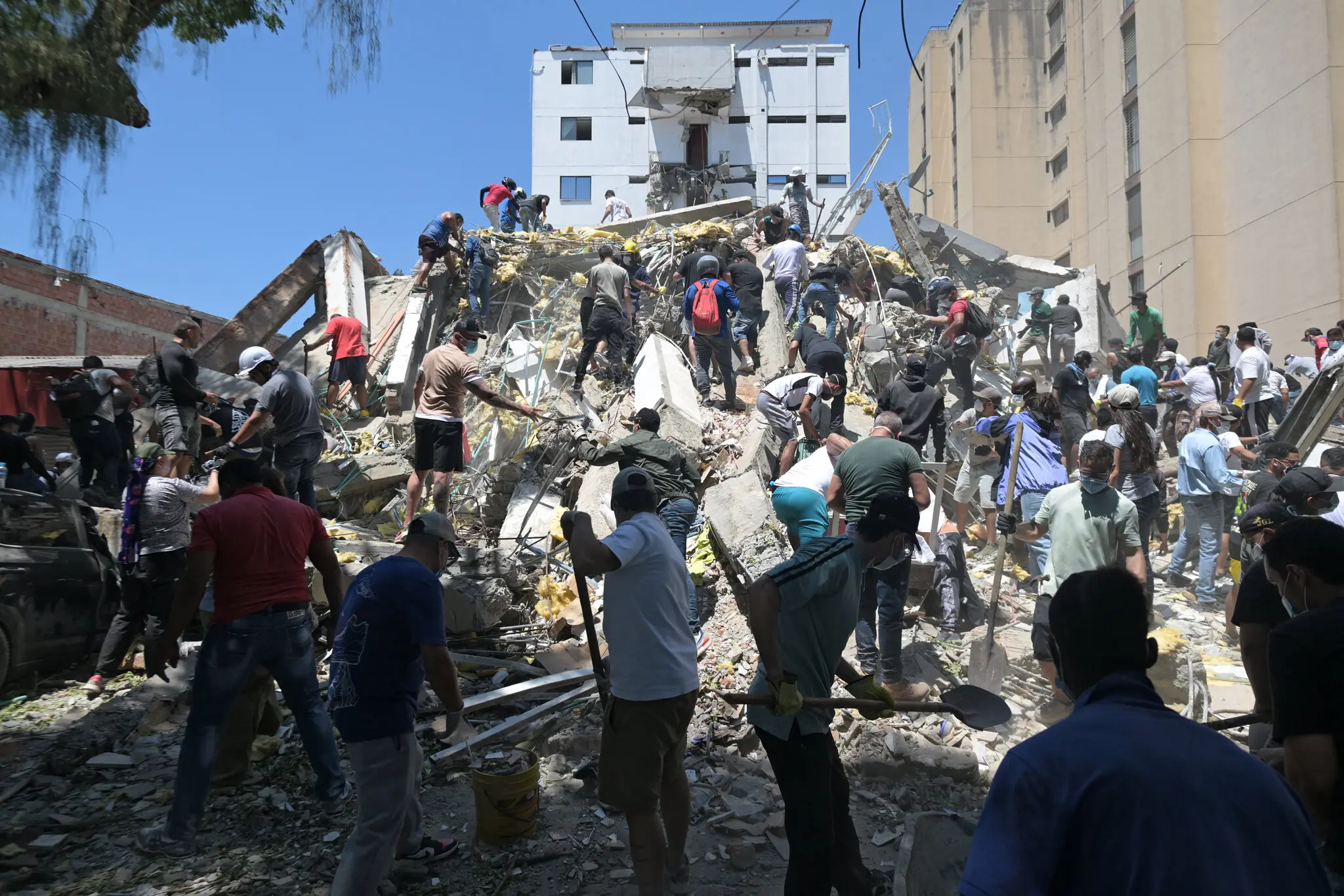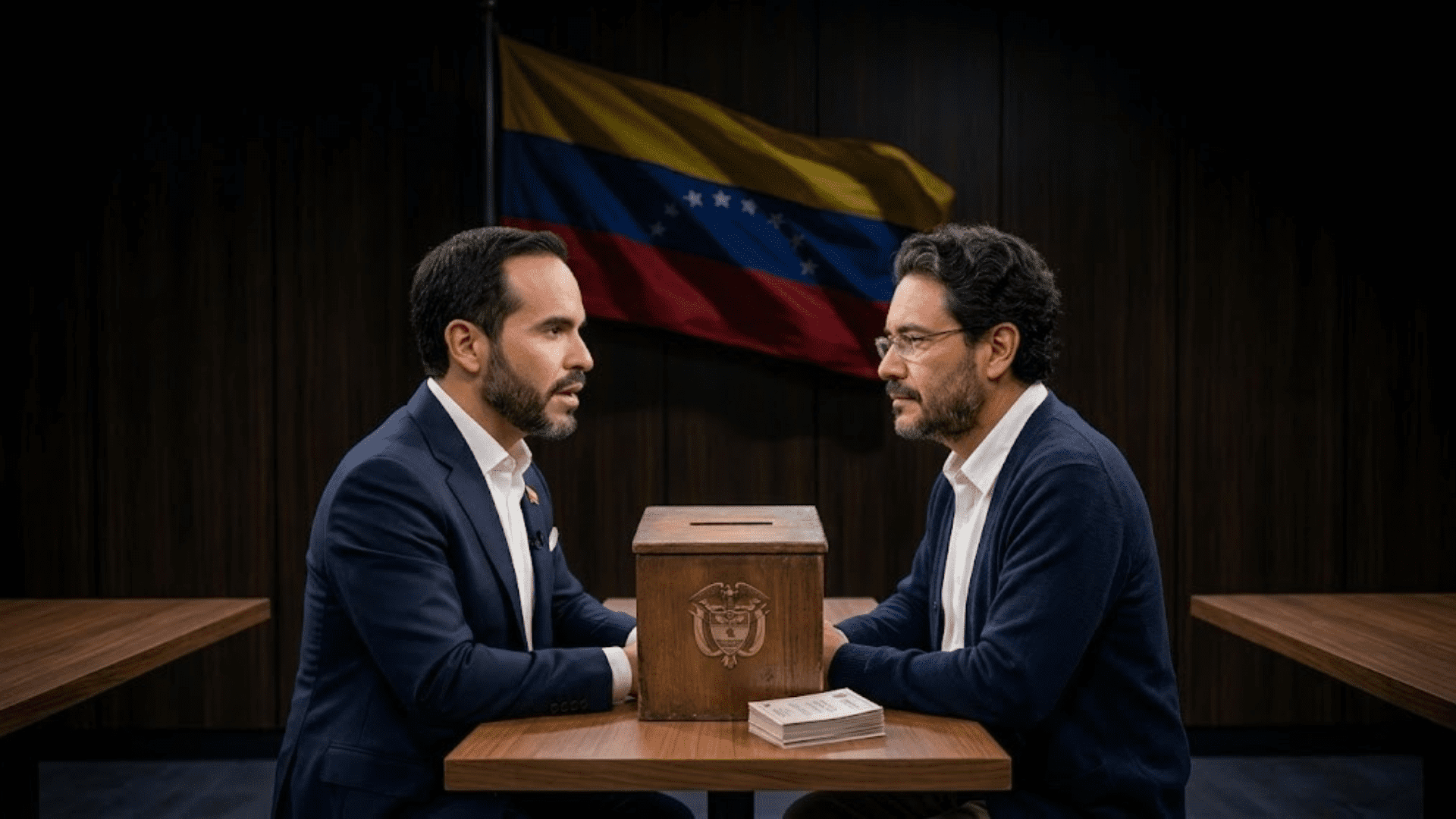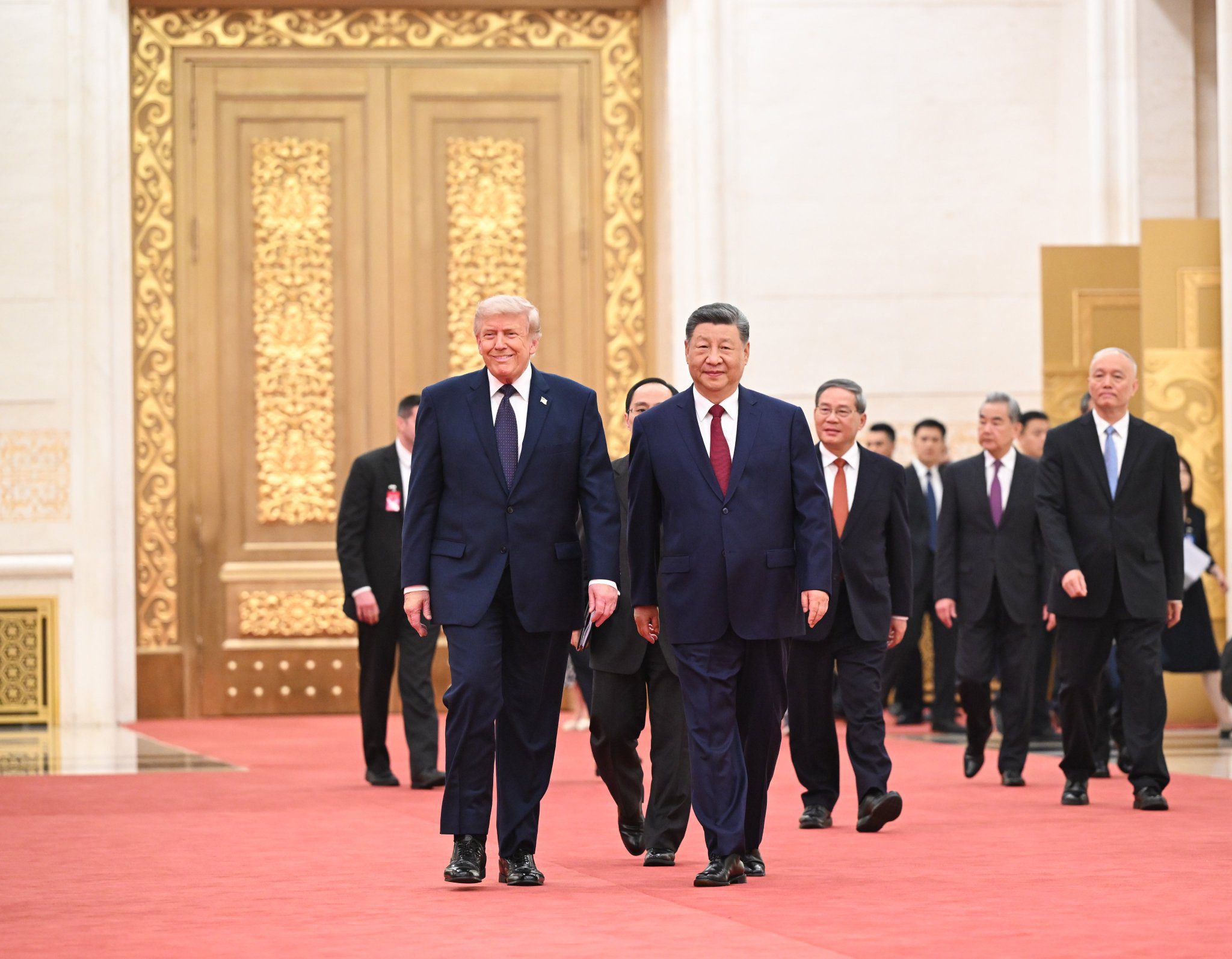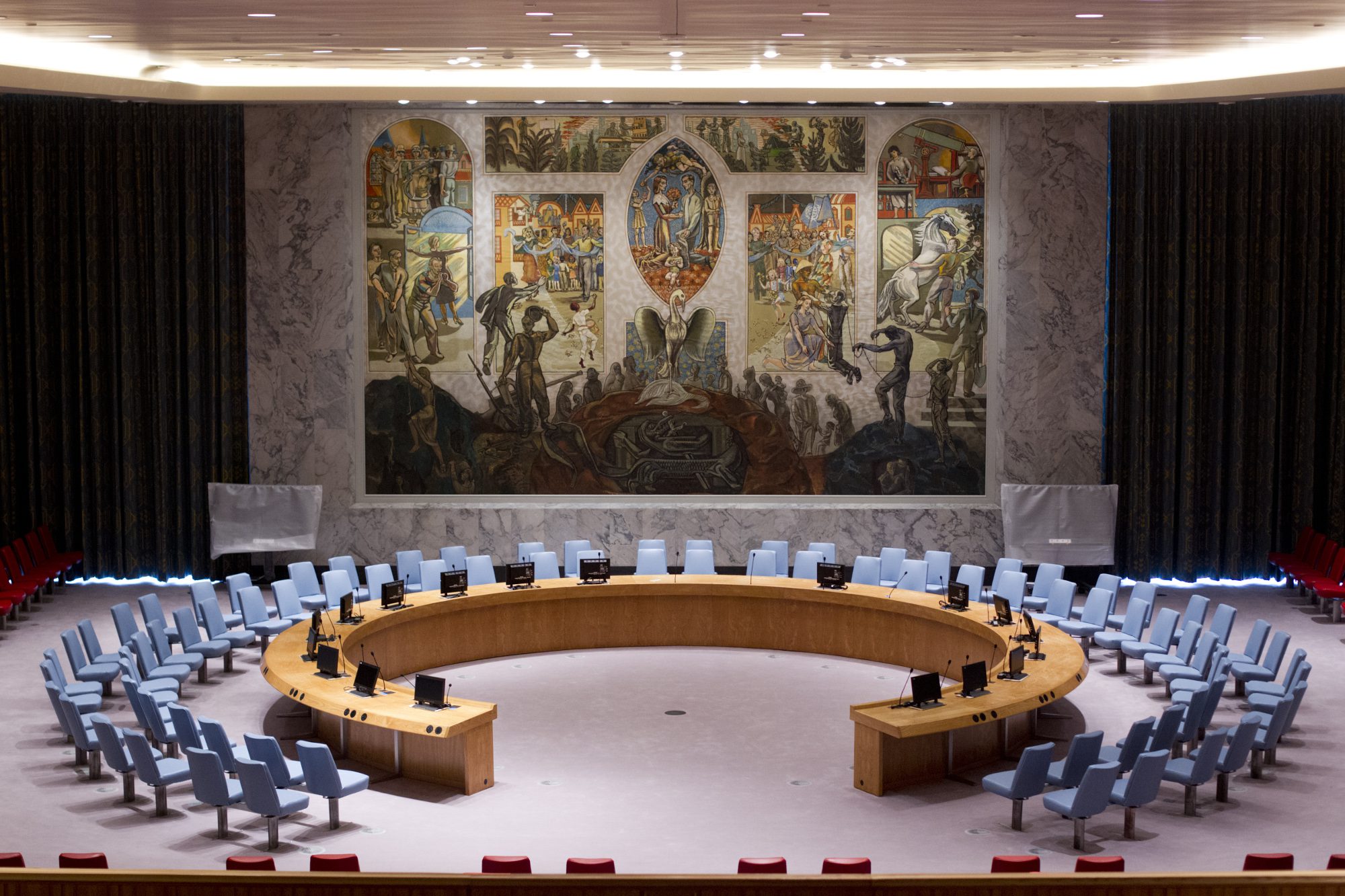
The selection process operates on a dual-track system: in the first stage, candidates present their proposals in public hearings before Member States in the General Assembly; however, the decisive outcome is ultimately determined in the Security Council, where the permanent members with veto power shape the final result through successive rounds of informal consultations. Photo: Web/UN.
Guacamaya, April 22, 2026. The succession of António Guterres as Secretary-General of the United Nations has formally begun with public hearings of the candidates before the General Assembly. In an ongoing process heavily conditioned by the Security Council, four figures with very different trajectories —Michelle Bachelet, Rafael Grossi, Rebeca Grynspan, and Macky Sall— present their visions for the future of multilateralism in a context of growing geopolitical fragmentation and regional tensions, including the new political situation in Venezuela following the events of January 3.
The selection process follows a dual-track dynamic in which candidates first present their proposals in public hearings before UN member states, while the real decision is concentrated in the Security Council, where veto-wielding powers determine the outcome through informal rounds of consultation. Although there is an unwritten rule of regional rotation —which would this time favor Latin America— and growing consensus around the possibility of a woman in the post, the election ultimately depends on still-evolving diplomatic balances. Previous precedents show that the process can extend over months until a consensus candidate emerges.
So far, there are four candidates, although the list is not closed and additional names could still be added.
Michelle Bachelet
Among the most prominent figures is Michelle Bachelet, former President of Chile and former UN High Commissioner for Human Rights. Her trajectory combines national political leadership with multilateral experience in bodies such as UN Women and the human rights system. She is a singular figure of contemporary multilateralism, shaped by a biography marked by repression and exile. After the coup against Salvador Allende, her father died in custody under the regime of Augusto Pinochet, and her exile in East Germany shaped a particular sensitivity toward the state and political repression.
She was nominated by then-President Gabriel Boric, but after José Antonio Kast assumed office, Chile withdrew its support. However, Mexico and Brazil, under progressive leadership, continued to back her candidacy.
Between 2018 and 2022, as UN High Commissioner for Human Rights, Bachelet pursued a proactive and visible agenda in global crises. In her first weeks in office, she called for the immediate release of two Reuters journalists imprisoned in Myanmar for investigating abuses against the Rohingya minority, warning of a systemic humanitarian crisis linked to the Burmese military.
She also intervened in sensitive global civil rights debates, welcoming the Indian Supreme Court’s decision to decriminalize same-sex relations as a “fantastic day” for human rights, while condemning mass death sentences issued in Egypt against political opponents following the 2013 events. She further criticized European migration policies, including Italy’s restrictions on rescue ships carrying migrants, stressing states’ obligations to guarantee humanitarian protection.
As High Commissioner of the Office of the UN High Commissioner for Human Rights (2018–2022), Bachelet addressed the Venezuelan case through a dual strategy: documenting serious violations —including extrajudicial killings and restrictions on civil liberties— while maintaining open channels with the government of Nicolás Maduro. Her 2019 visit to Caracas and the establishment of a UN technical office reflected this “engagement” logic, based on the premise that access to the ground is essential for monitoring and influence. At the same time, she maintained a clear institutional stance in which, for the United Nations, the Venezuelan government remained the official interlocutor, a position criticized by more maximalist opposition sectors in Venezuela.
Her office produced the so-called “Bachelet reports,” which not only documented systematic violations but also contributed to the creation of international follow-up mechanisms, including an independent fact-finding mission. In this sense, her work combined public denunciation, institutional pressure, and on-the-ground technical presence, reinforcing an approach in which the legitimacy of international action depends both on evidence and direct access to states.
On the basis of these reports, the main institutional outcome was the establishment of an international investigation and monitoring mechanism within the UN system. In 2019, the UN Human Rights Council created the Independent International Fact-Finding Mission on Venezuela, tasked with documenting serious human rights violations, including extrajudicial executions, torture, arbitrary detentions, and enforced disappearances. The government of Venezuela strongly criticized it.
In addition, her reports strengthened the permanent technical presence of the High Commissioner’s Office in Venezuela, enabling direct complaint reception, case monitoring, and sustained dialogue with state authorities and civil society. Special procedures within the UN system were also reinforced.
Collectively, these mechanisms created a structured system of international scrutiny over Venezuela, combining on-the-ground presence, independent investigations, and ongoing supervision.
This precedent could become a key element in the current Venezuelan context marked by the recent approval of an Amnesty Law and efforts by some political actors to advance a reconciliation process in which the UN could play a facilitating role.
Bachelet has also been a strong critic of unilateral US sanctions on Venezuela, repeatedly highlighting their humanitarian impact on the population.
If Bachelet were to become Secretary-General after the events of January 3 in Venezuela, a strategy focused on deepening institutional engagement could be expected: consolidating UN operational presence, promoting political negotiations between domestic and external actors, and linking any sanctions relief to verifiable improvements in human rights.
However, she enjoys significant support among several of Trump’s political adversaries in Latin America and Europe, while facing hostility from the current US administration, which plays a key role in Venezuela, potentially complicating UN–US coordination.
Rafael Grossi
Another central candidate is Rafael Grossi, current Director General of the International Atomic Energy Agency (IAEA). An Argentine diplomat with a background in disarmament and non-proliferation, Grossi represents a technical profile focused on verification and operational mediation in complex conflicts such as Iran and Ukraine.
Between 2002 and 2007, he served as chief of cabinet at both the IAEA in Vienna and the Organisation for the Prohibition of Chemical Weapons in The Hague. Within the UN system, he took part in high-level missions including visits to North Korean nuclear facilities and negotiations with Iran aimed at freezing its nuclear program.
In style, Grossi represents a more operational than normative diplomacy, avoiding political declarations, focusing on verifiable facts, and prioritizing access even in hostile environments. This approach positions him as a less rhetorical and more results-oriented candidate, emphasizing institutional reform toward greater operational effectiveness and active mediation capacity.
To understand his vision, his book “Kosovo: The Limits of Humanitarian Interventionism” is essential. It explores the tension between state sovereignty and human rights protection, especially in cases of military intervention without UN Security Council authorization. Grossi positions himself between interventionism and sovereignty, emphasizing the need to anchor action in multilateral mechanisms.
This reflects a pragmatic institutionalist vision: decisions must be feasible, verifiable, and supported by minimum great-power consensus. He would likely avoid both Security Council paralysis and unilateral interventions, instead channeling crises into verifiable global governance structures.
Regarding Venezuela after January 3 —with Delcy Rodríguez in power and possible backing from both the US and Russia— Grossi would likely promote a “technical convergence platform” between powers, establishing verification mechanisms, field missions, and gradual agreements where both sides see benefits in stability.
In practice, this would mean a stronger UN presence in Venezuela, monitoring energy, institutions, and electoral processes, linking sanctions relief to verifiable benchmarks. His approach would aim to depoliticize the transition through technical management.
Rebeca Grynspan
Costa Rican economist Rebeca Grynspan, current Secretary-General of UNCTAD, represents development diplomacy. With experience in the UNDP and Costa Rican government, she has focused on inequality, development finance, and debt relief.
Her critical stance against military intervention in Venezuela before January 3 aligns her with a multilateralist approach. If elected, she would likely reframe Venezuela primarily as an economic governance issue, linking political stabilization with financial reform and international cooperation.
She would seek to institutionalize the post-conflict reality by working with the United States while shifting emphasis from military action to reconstruction frameworks, involving multiple actors including Europe, Latin America, and potentially Russia or China.
Macky Sall
The fourth candidate is Macky Sall, former President of Senegal and former Chair of the African Union. With a background in geological engineering, he represents a pragmatic development-oriented vision rooted in the Global South.
During his presidency, he emphasized economic modernization, investment attraction, and macroeconomic stability, while maintaining balanced relations with both Western powers and emerging actors such as China.
Sall represents a diplomacy of stability and development, focused on infrastructure, finance, and economic governance rather than normative human rights agendas. In Venezuela, this would translate into a gradual stabilization approach prioritizing governance, reconstruction, and broad international cooperation over ideological confrontation.
The process ahead
Public hearings continue this week —Bachelet and Grossi on Tuesday, Grynspan and Sall on Thursday— followed by months of informal consultations in the Security Council. Although the General Assembly formally approves the final candidate, it has never rejected a Security Council recommendation.
Non-permanent members of the Security Council involved in the process include Algeria, Guyana, Sierra Leone, South Korea, Slovenia, Japan, Malta, Mozambique, Switzerland, and Ecuador.
In this context, the selection of the next UN Secretary-General is shaping up not only as a question of regional rotation or gender balance, but also as a reflection of current international tensions and the redefinition of conflicts such as Venezuela within the global architecture.