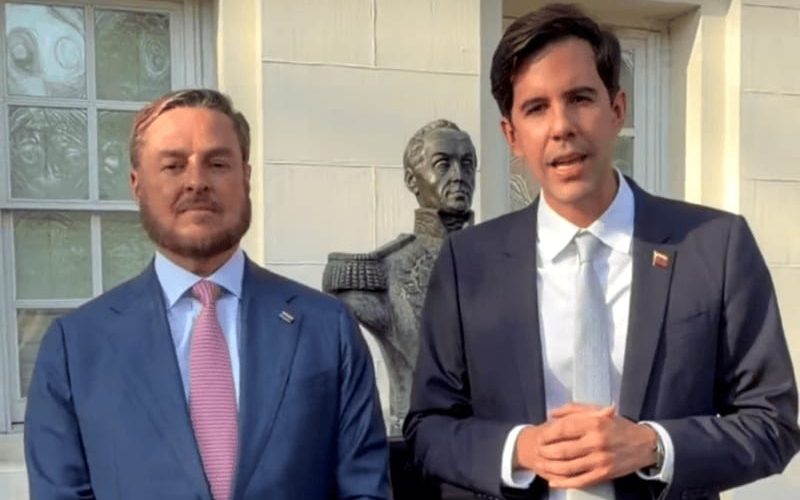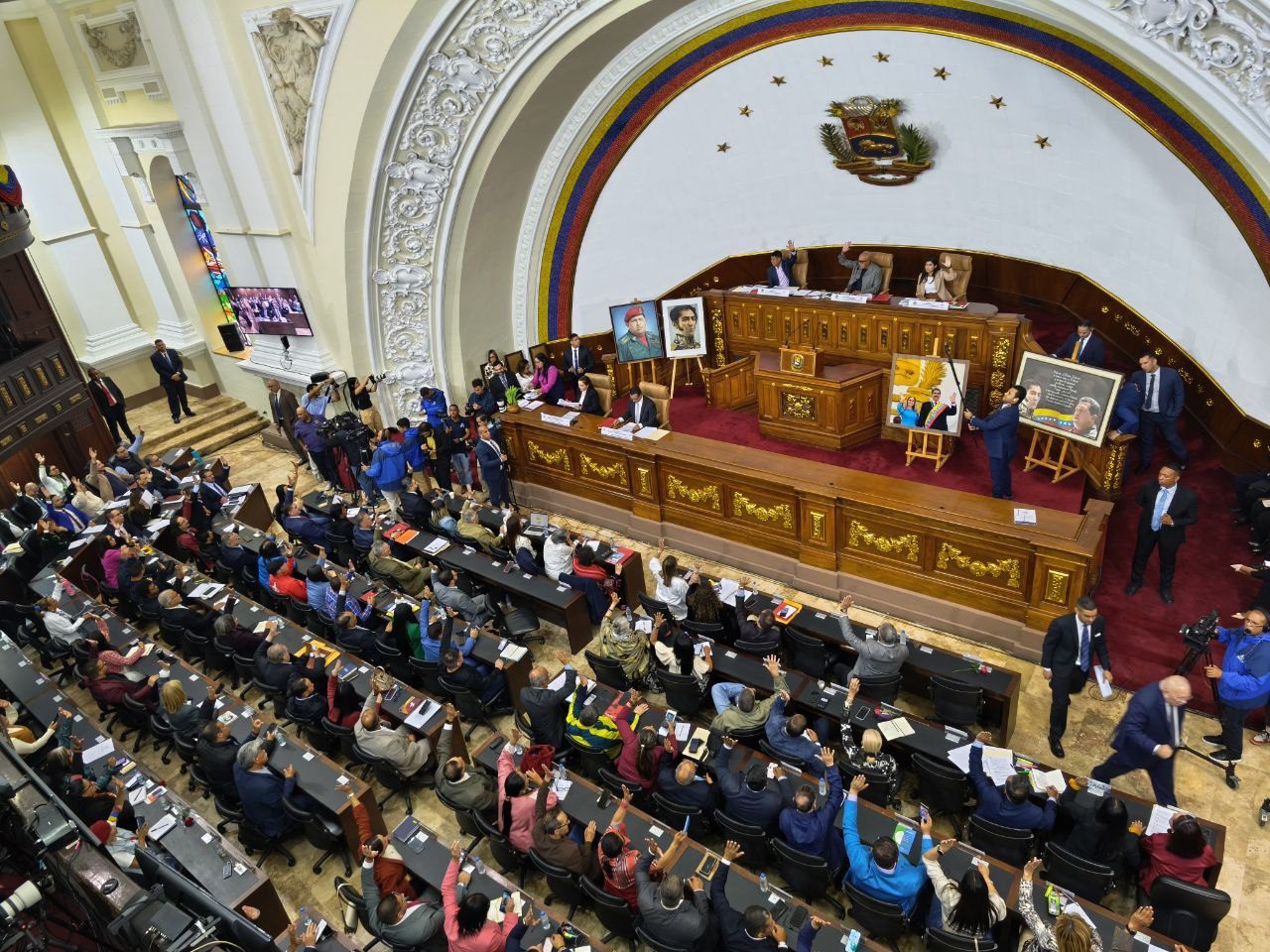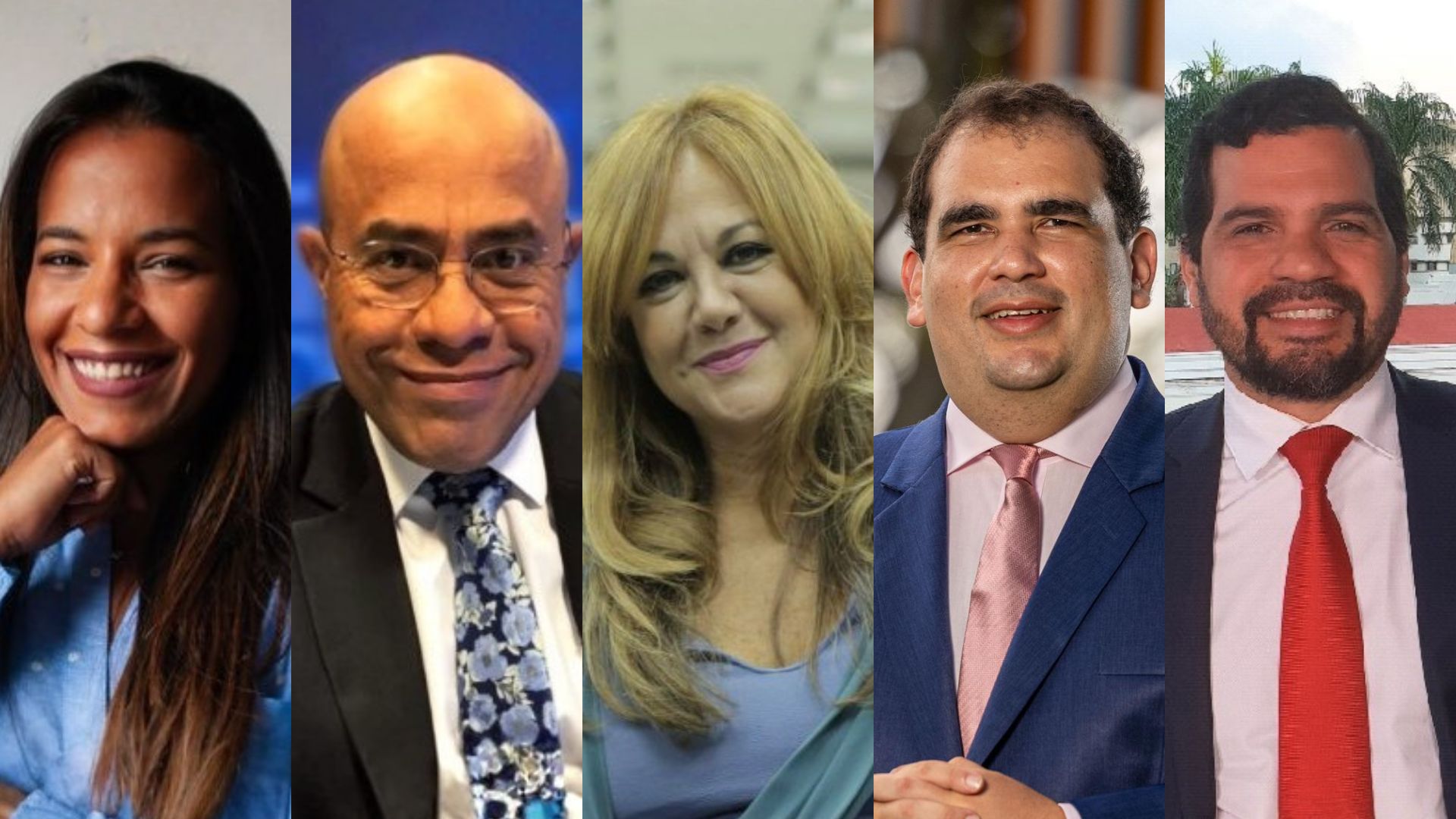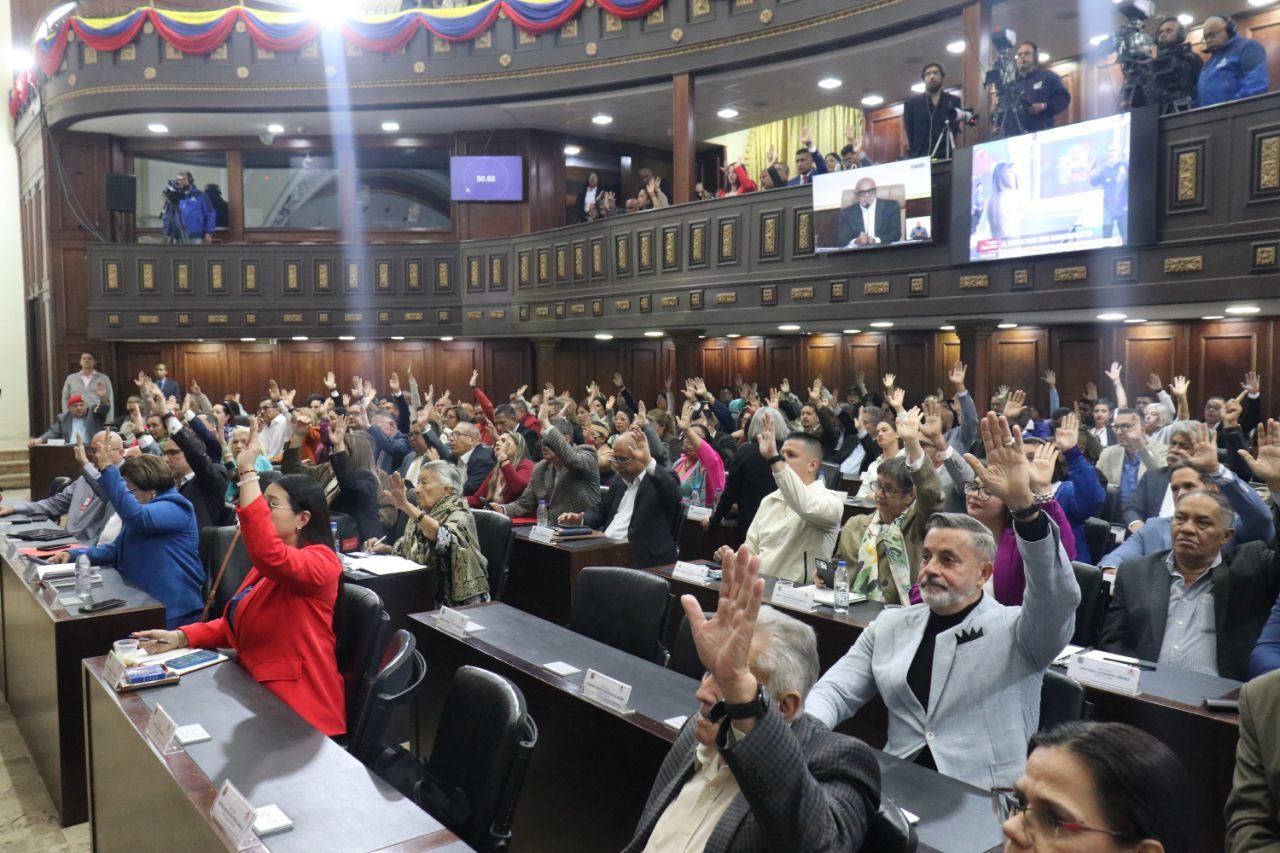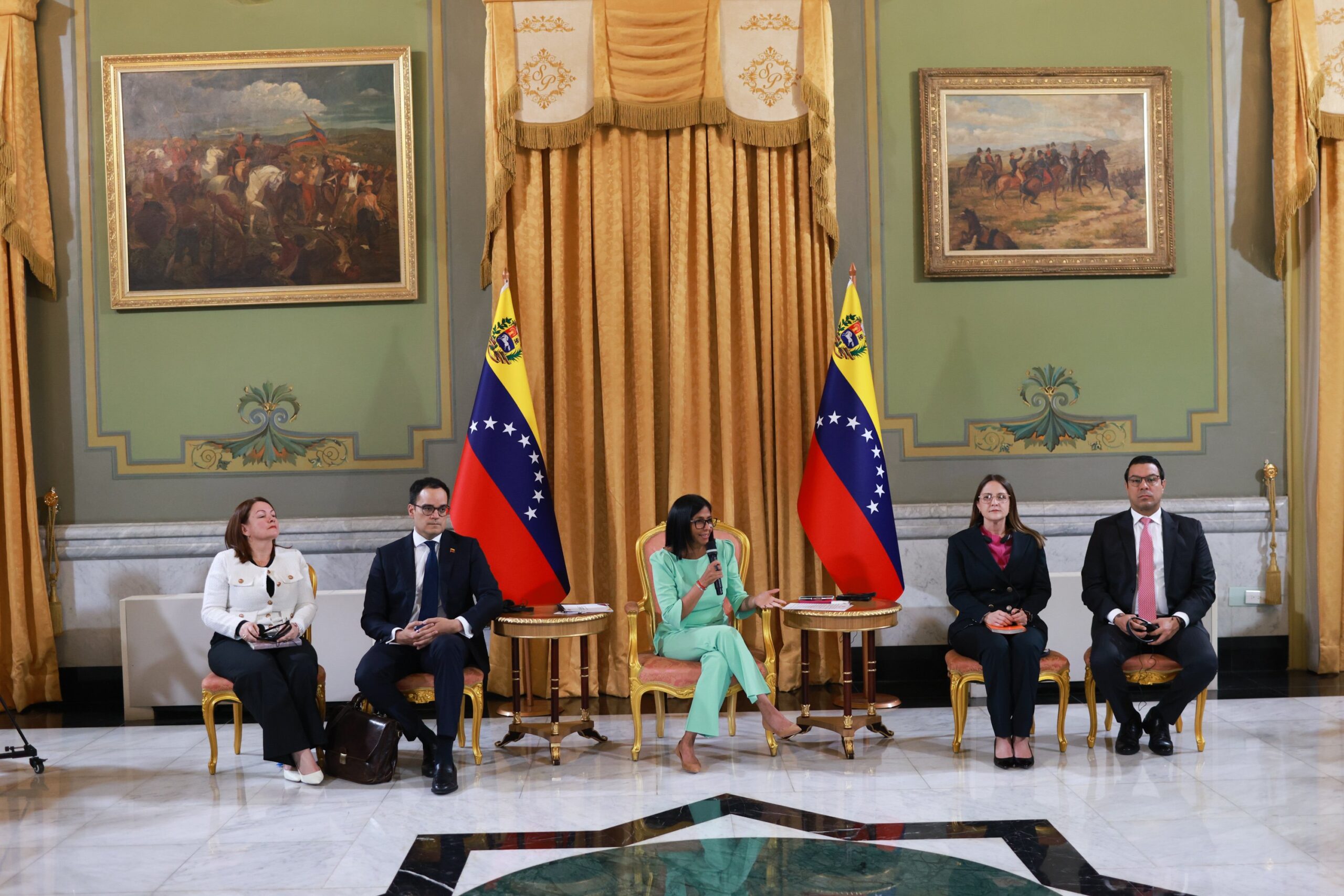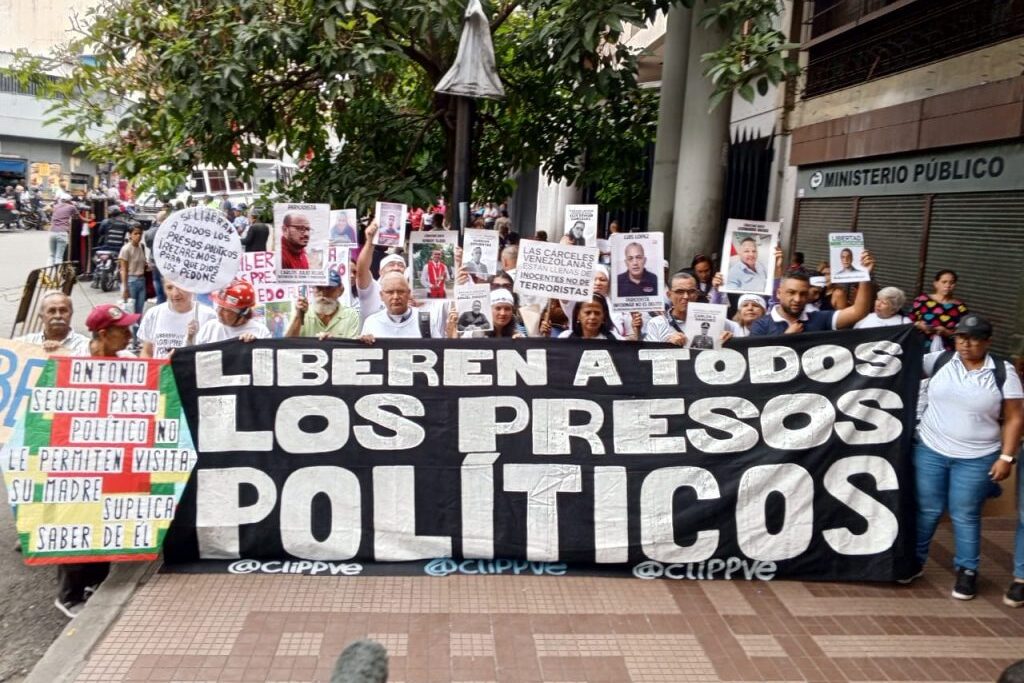
Civil organizations demand greater transparency in relation to the releases as well as the extension of the measure for all those detained for political reasons. Photo: Provea.
Guacamaya, December 26, 2025. On the night of Thursday, December 25, the Venezuelan government officially announced the release of 99 people detained following the post-electoral protests of 2024. However, non-governmental organizations have reported lower figures for these releases, which, in most cases, involve precautionary measures, exclude high-profile political figures, and are considered insufficient.
Through a statement published on social media, the Ministry of Penitentiary Services asserted that those released had been involved in acts of “violence and incitement to hatred.” This referred to demonstrations against the electoral results announced by the National Electoral Council (CNE), which declared Nicolás Maduro the winner over Edmundo González Urrutia.
Prior to this announcement, civil organizations such as Foro Penal and Justicia, Encuentro y Perdón had estimated between 902 and 1,085 people detained for political reasons in Venezuela. Meanwhile, the government of Nicolás Maduro denies the existence of political prisoners in the country, instead classifying the cases as “persons detained for punishable acts.”
The Executive stated that these releases are an expression of “commitment to peace, dialogue, and justice.” The communiqué further claimed that the State guarantees “treatment based on legality and comprehensive care” for those deprived of liberty. In perspective, this action can be seen as a gesture to ease pressure against the government amid political and military tensions with the United States.
Doubts Regarding the Figures
Following the announcement of the releases by the Ministry of Penitentiary Services, various organizations addressing the issue highlighted significant discrepancies in the numbers and a lack of transparency, while also deeming the measure insufficient. According to the official statement, the beneficiaries will receive alternative measures to imprisonment after an individual evaluation of their cases.
So far, Foro Penal has verified and listed 45 of the 99 announced releases and urged the government to publish an official list to confirm the cases. This version coincides with that of Justicia, Encuentro y Perdón, which claims to have confirmed half of the releases, although in previous reports they estimated between 63 and 75 beneficiaries.
Before the official announcement, the Committee of Mothers in Defense of the Truth was among the first organizations to report, stating that 71 releases had taken place. This figure was also shared by the Committee for the Freedom of Political Prisoners (Clippve), which has so far managed to list 63 of those 71, according to a statement on social media.
Profiles of Those Released
Among those freed are teacher Carmen Salazar, from Yaracuy; internist physician Marggie Orozco, from Táchira; as well as three young men —Luisneidel Zúñiga, Ángel González, and Abraham Rivero— who had been held at the La Guaira detention center. The released individuals continue to face judicial proceedings and must regularly appear before the corresponding courts.
The list verified by NGOs also includes names such as teacher María Elena Becerra Chacón, young Andrew Jhosep Morales Ynojosa, and at least 42 others from prisons such as Tocorón, La Crisálida, and facilities in Táchira. No prominent political figures or activists are among the beneficiaries, and many remain subject to restrictions such as bans on public statements.
The total number of politically motivated detainees remains high, considering previous records from Foro Penal (902 incarcerated) and Justicia, Encuentro y Perdón (1,085 prisoners), making these releases only a minimal percentage in comparison. Consequently, these organizations have demanded greater transparency and the extension of the measure to all those affected.
Political and Activist Reactions
Elected deputy Henrique Capriles described the measure as “a clear expression of will to generate an atmosphere of internal peace,” an action he emphasized as necessary. However, he also stressed that “hundreds of political prisoners remain behind bars and must be released,” vowing to continue raising his voice “until everyone is back with their families.”
For his part, Edmundo González Urrutia, claimed by the majority opposition as the elected president in the 2024 contest, stated that “those who today return to the streets remain deprived of full freedom.” Regarding the number of releases, he remarked that “this is not about figures or political balances, but about people who should never have been deprived of liberty.”
Amnesty International, meanwhile, did not comment on those released but demanded the unconditional freedom of civil society activists such as Javier Tarazona, Rocío San Miguel, Carlos Julio Rojas, Eduardo Torres, and Kennedy Tejera. It also called for the release of Nicmer Evans, José Patines, Gabriel Rodríguez (minor), Enrique Márquez, Freddy Superlano, Rory Branker, and other individuals detained “arbitrarily.”