
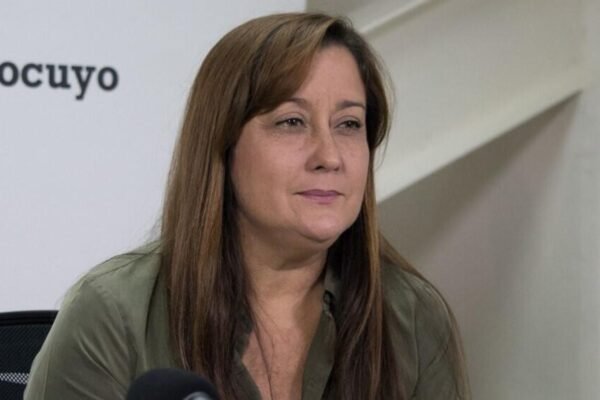
The Lights and Shadows Behind Rocío San Miguel’s Acquittal
The director of the NGO Control Ciudadano was arrested in February 2024 at Maiquetía airport under accusations linked to the case known as “White Bracelet.” | Photograph: Social Media.


The director of the NGO Control Ciudadano was arrested in February 2024 at Maiquetía airport under accusations linked to the case known as “White Bracelet.” | Photograph: Social Media.
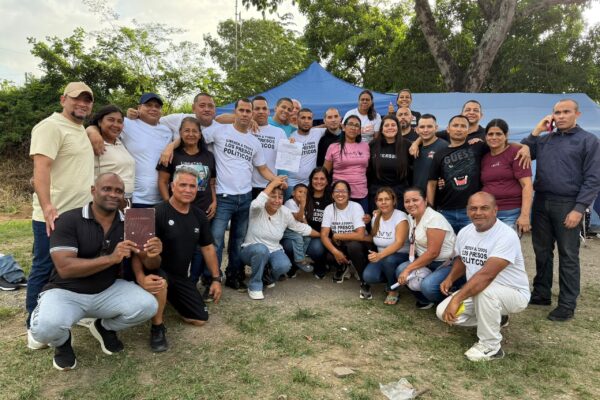
NGOs denounce the persistence of a “revolving door” strategy, where new arrests offset granted freedoms, keeping a significant number of…
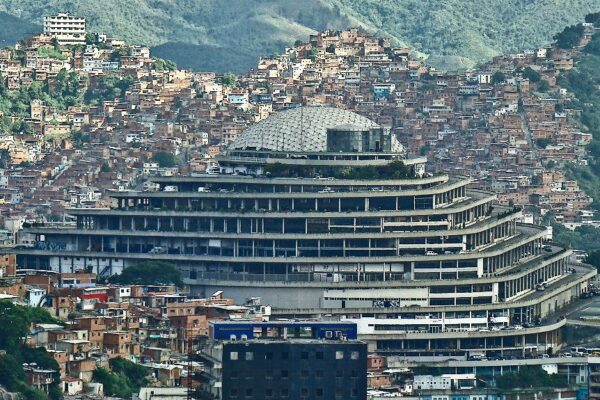
U.S. Secretary of State Marco Rubio stated that the facility had been closed, but human rights defenders denied the total…
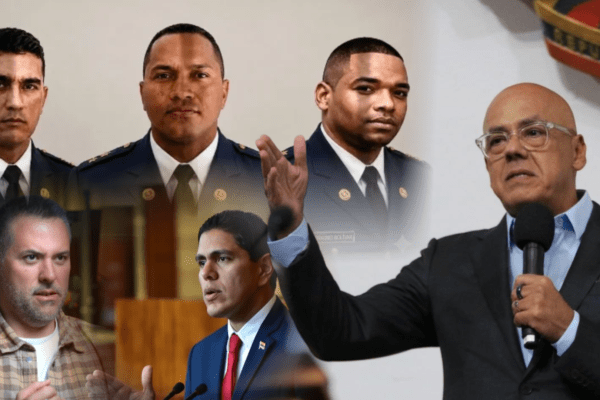
While the number of beneficiaries recorded barely exceeds 10% of the 300 announced, human rights organizations denounce the measure as…
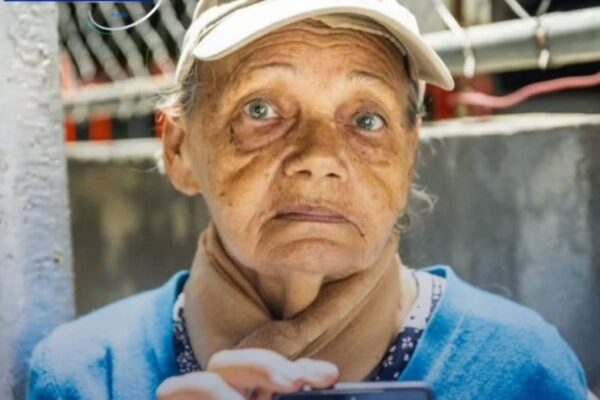
The 82-year-old woman died just days after burying her son, who died while in Venezuelan state custody following months of allegations of enforced disappearance, incommunicado detention, and lack of official information.
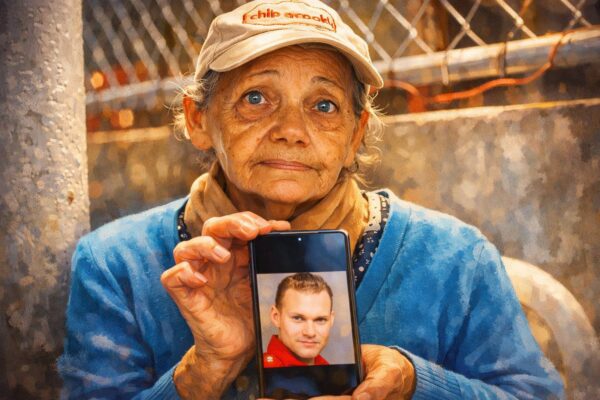
The contradictions in official dates, the failure to notify his mother, and the delayed response from institutions have prompted an…
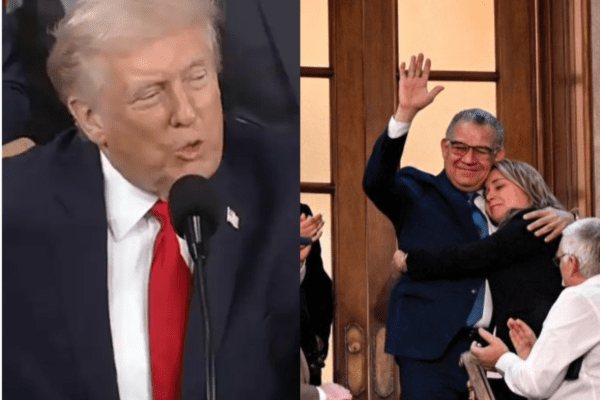
He stressed that Washington is working “very closely” with interim president Delcy Rodríguez to unlock “extraordinary economic benefits for both countries” and to bring “new hope to those who have suffered so terribly.” Central to that renewed relationship, Trump underscored, is energy cooperation. He announced that more than 80 million barrels of Venezuelan crude had recently entered the U.S. market. One of the most unexpected moments of the address came when Enrique Márquez—former presidential candidate and leader of the Centrados party—was introduced in the chamber. Márquez had spent a year imprisoned at El Helicoide, headquarters of Venezuela’s intelligence service. Trump invited him to stand and celebrate his freedom, as cameras captured an emotional embrace with his niece.
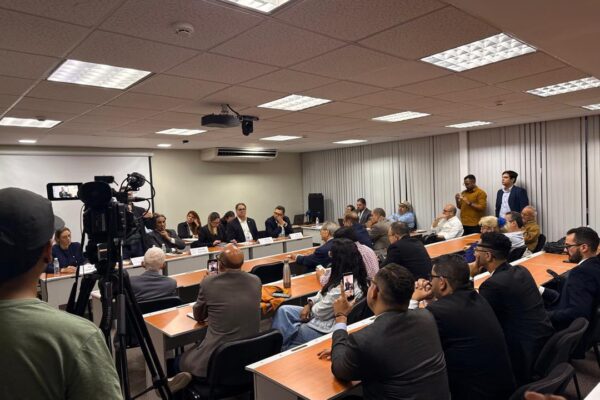
During a public consultation organized by the Freedom Parliamentary Group at the Center for Political and Government Studies, lawmakers, experts, and civil society organizations discussed adjustments to the amnesty bill, with emphasis on the release of political prisoners, the need for judicial guarantees, and the protection of adolescents.
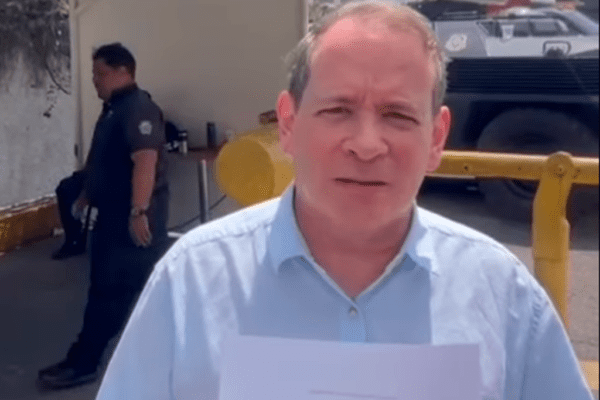
According to the NGO Foro Penal, up to 426 releases of political prisoners have been recorded since January 8, 2026,…
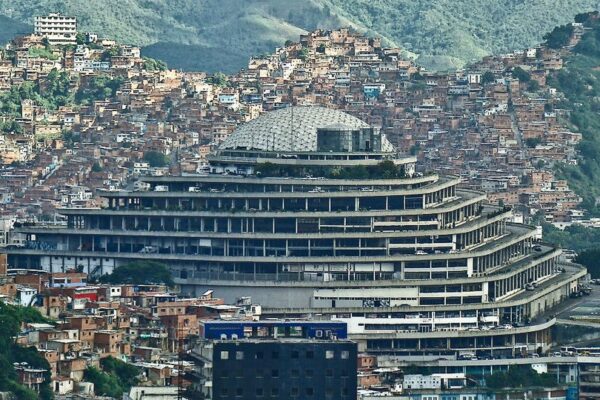
Delcy Rodríguez announced a general amnesty law that could benefit hundreds of political prisoners in Venezuela, in an unprecedented move since 1999, shaped by international mediation and a slow, still incomplete process of releases.