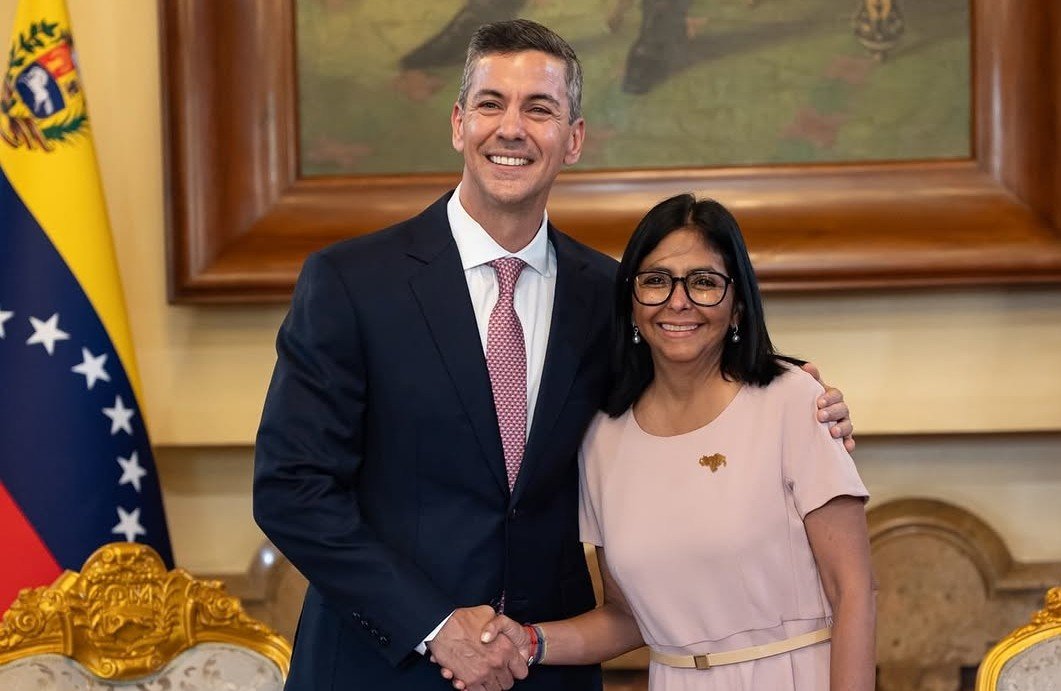
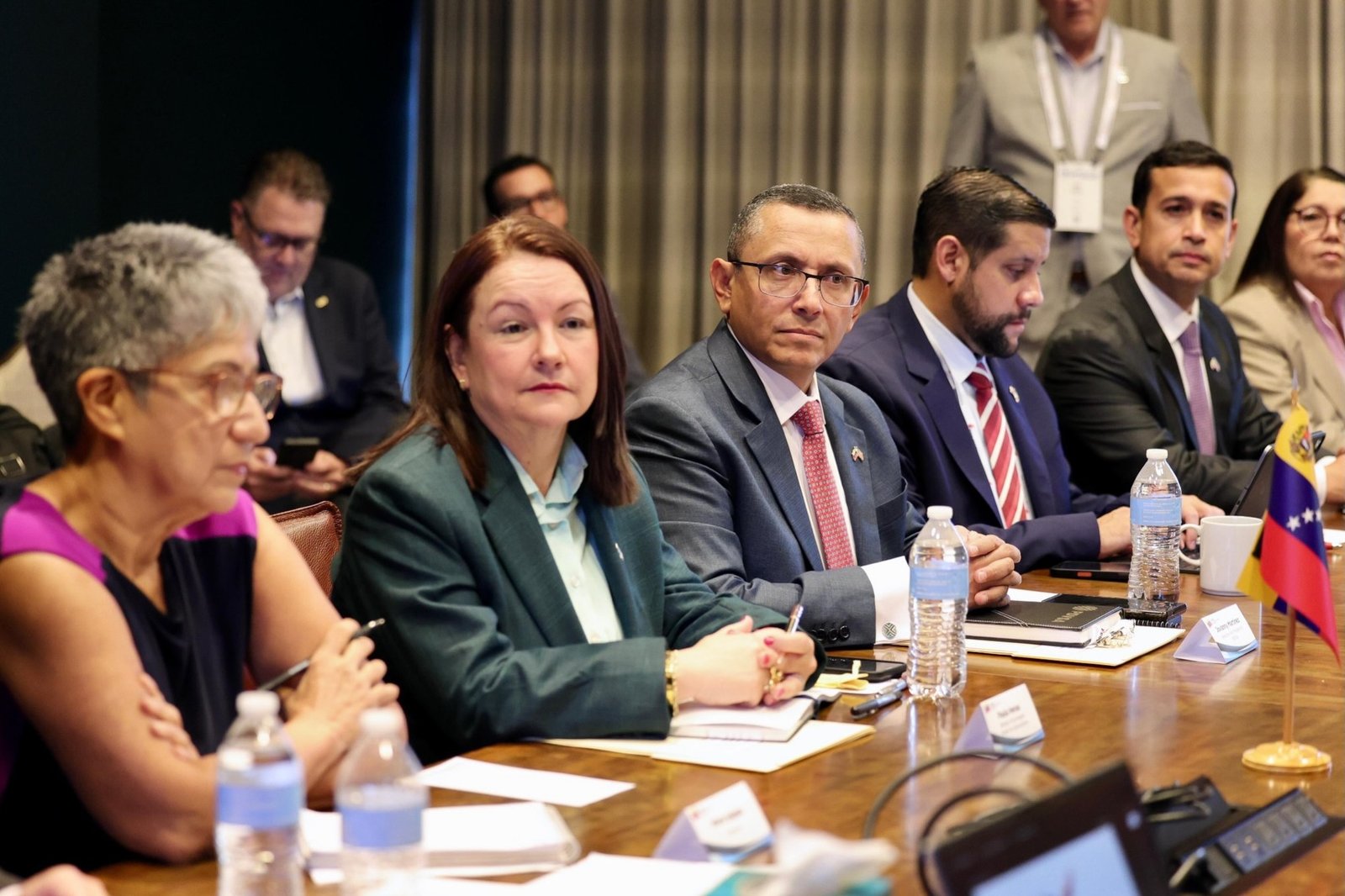
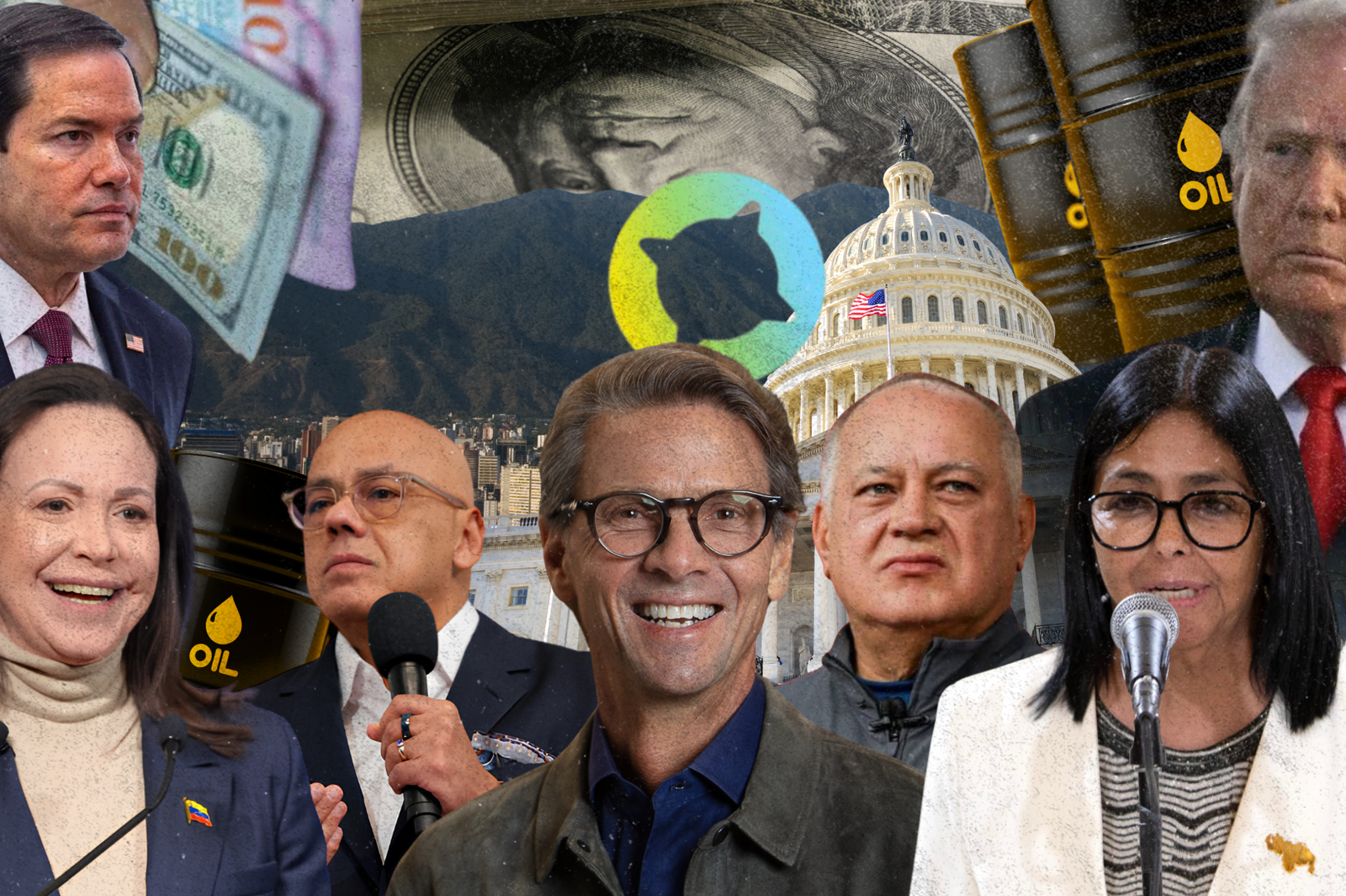
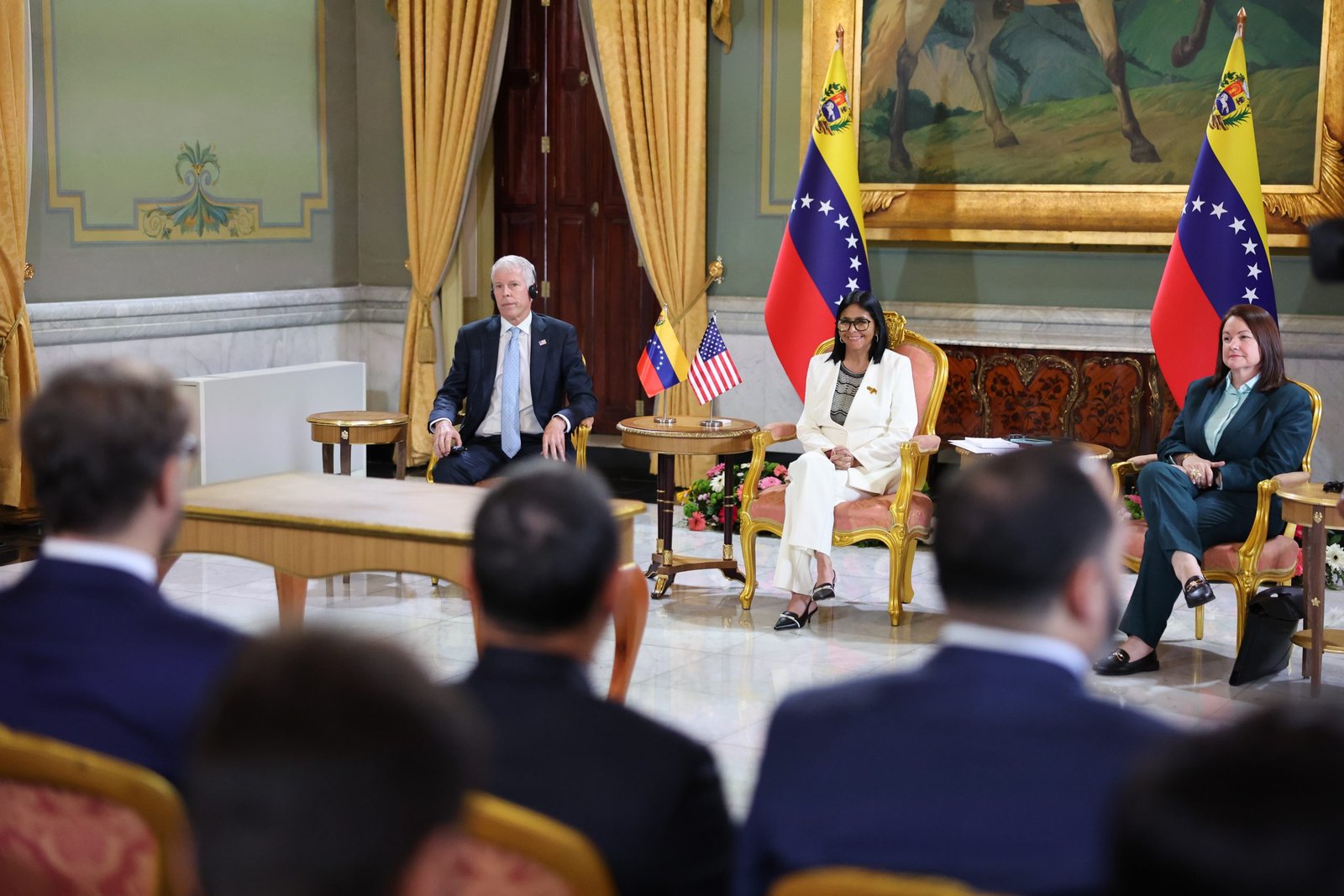
The National Assembly held meetings with social sectors and opposition groups within the framework of the Program for Peace and Democratic Coexistence, while the Executive advanced its economic agenda through meetings with international oil companies to promote investment and dialogue. Photo: X / National Assembly of Venezuela.
Guacamaya, February 4, 2026. The National Assembly, led by its president, Congressman Jorge Rodríguez, held a series of key meetings with social, economic, political, and cultural sectors of the country, as well as with various actors from the Venezuelan opposition, within the framework of the Program for Peace and Democratic Coexistence. At the same time, the national Executive advanced its economic agenda through high-level meetings with international oil companies, reinforcing calls for foreign investment and dialogue as central pillars of the current national context.
The Board of Directors of the National Assembly (AN), headed by its president, Congressman Jorge Rodríguez, held a working meeting with representatives of the country’s social, economic, political, and cultural sectors with the aim of establishing the foundations of the Program for Peace and Democratic Coexistence—an initiative designed to articulate common proposals in response to the nation’s complex situation.
In a second meeting, the parliamentary leadership also met with different sectors of the Venezuelan opposition as part of efforts to open spaces for political understanding. In this context, one opposition group—made up, among others, of two-time presidential candidate Henrique Capriles—announced in a statement that it had accepted an invitation from the government of Acting President Delcy Rodríguez to initiate a dialogue process aimed at discussing the main problems affecting citizens. The meeting was also attended by Congressman Antonio Ecarri of the Alianza Lápiz party; the Puente party; Cambio en Paz; the Mayor of Chacao, Gustavo Duque, from the Fuerza Vecinal group; the Governor of Cojedes from the party Vamos, Vamos Venezuela; as well as the parties ÚNICA and Un Nuevo Tiempo.
In a statement published by Congressman Stalin González, head of the Libertad parliamentary bloc, on the social media platform X, the opposition sector stated:
“We decided to attend with responsibility. Participating in this space is not a minor gesture, much less a comfortable one, but we arrive at this moment with a deeply wounded Venezuela.”
The statement emphasized that this sector has historically maintained that Venezuelans must resolve their differences peacefully, asserting that “Venezuela only moves forward through genuine agreements and selflessness for a common cause.” It also warned that the meeting cannot be merely symbolic, since “no party can impose lasting solutions without listening to society as a whole.”
The opposition insisted that democratic coexistence requires respect, plurality, and an end to practices that have fueled “fear, persecution, and the existence of political prisoners,” proposing that “a good starting point could be an amnesty law that allows progress toward national reconciliation.” The statement added that dialogue only makes sense if it produces real agreements, clear rules, and trust, rather than empty gestures.
This rapprochement process follows a proposal made on January 23 by Congressman Rodríguez, who called for the convening of a “true political dialogue” that would include both aligned and divergent political sectors—a task entrusted to the presidency of the National Assembly itself.
Subsequently, Jorge Rodríguez gave statements to national and international media outlets, affirming that “we are all aware of the need to defend peace in the Republic,” and highlighting that there is consensus on moving forward with common proposals that place the defense of peace as the main guiding principle of political action.
The president of the National Assembly also explained that the Amnesty Law is an initiative of Acting President Delcy Rodríguez, aimed at opening a new chapter in national politics and accelerating dialogue among the country’s diverse sectors.
Regarding recent reports, Rodríguez indicated that he has no information about the alleged detentions of Alex Saab and Raúl Gorrín. He also offered a political reflection, stating that “Chavistas are not good losers and will reflect on those mistakes, but opposition members are terrible winners.”
Rodríguez added that he hopes “all sectors of national life can regain participation,” provided they are not linked to crimes of treason against the homeland, and was emphatic in stating that “if a sector or political actor called for an invasion or for violent solutions, there are no grounds for dialogue.”
Alongside the political agenda, Acting President of the Bolivarian Republic of Venezuela, Delcy Rodríguez Gómez, held a strategic meeting with executives from the Spanish company Repsol, a multinational energy firm with more than 30 years of historical and strategic presence in the country. The meeting was attended by the CEO of EMP International, José Carlos de Vicente Bravo, and the Director of Repsol Venezuela’s Business Unit, Luis García, who expressed their readiness to invest strongly in Venezuela.
Rodríguez Gómez was accompanied by the President of Petróleos de Venezuela (PDVSA), Héctor Obregón; the Vice Minister of Petroleum, Paula Henao; the Vice Minister of Gas, Luis González; the Vice President of Exploration and Production at PDVSA, Eduardo Pinto; the Executive Vice President of PDVSA, Giovanni Martínez; and the Vice President of Gas at PDVSA, Janier Viloria.
The Acting President reiterated her call to international investors and transnational companies, offering legal certainty from the Venezuelan state to operate within the Hydrocarbons Engine, following the unanimous approval by the National Assembly on January 29 of the Partial Reform of the Organic Hydrocarbons Law. This regulatory adaptation responds to a new global energy context and seeks to promote investment while prioritizing national production.
Subsequently, Delcy Rodríguez held another working meeting with representatives of the French oil company Maurel & Prom, led by its Chief Executive Officer, Olivier Cleret, with the aim of establishing major strategic alliances to strengthen and expand hydrocarbon production in the country.
These initiatives reflect an institutional agenda marked by political dialogue, consensus-building, and economic reactivation, within a national context shaped by significant political, social, and energy challenges and pressing public demands.