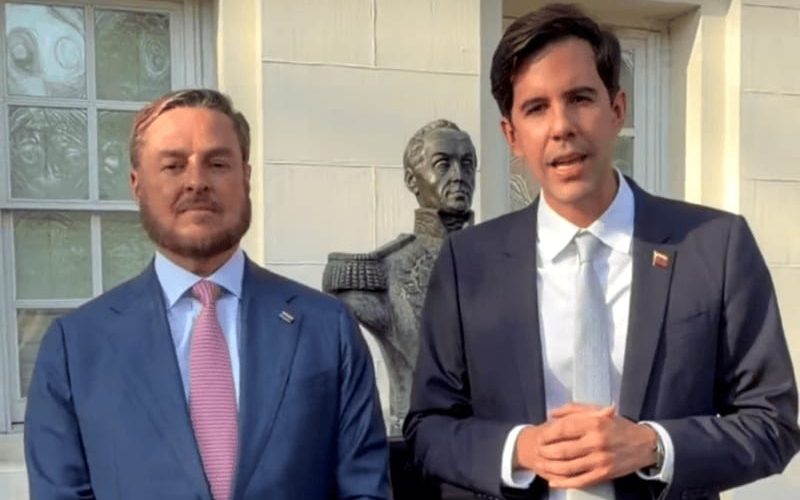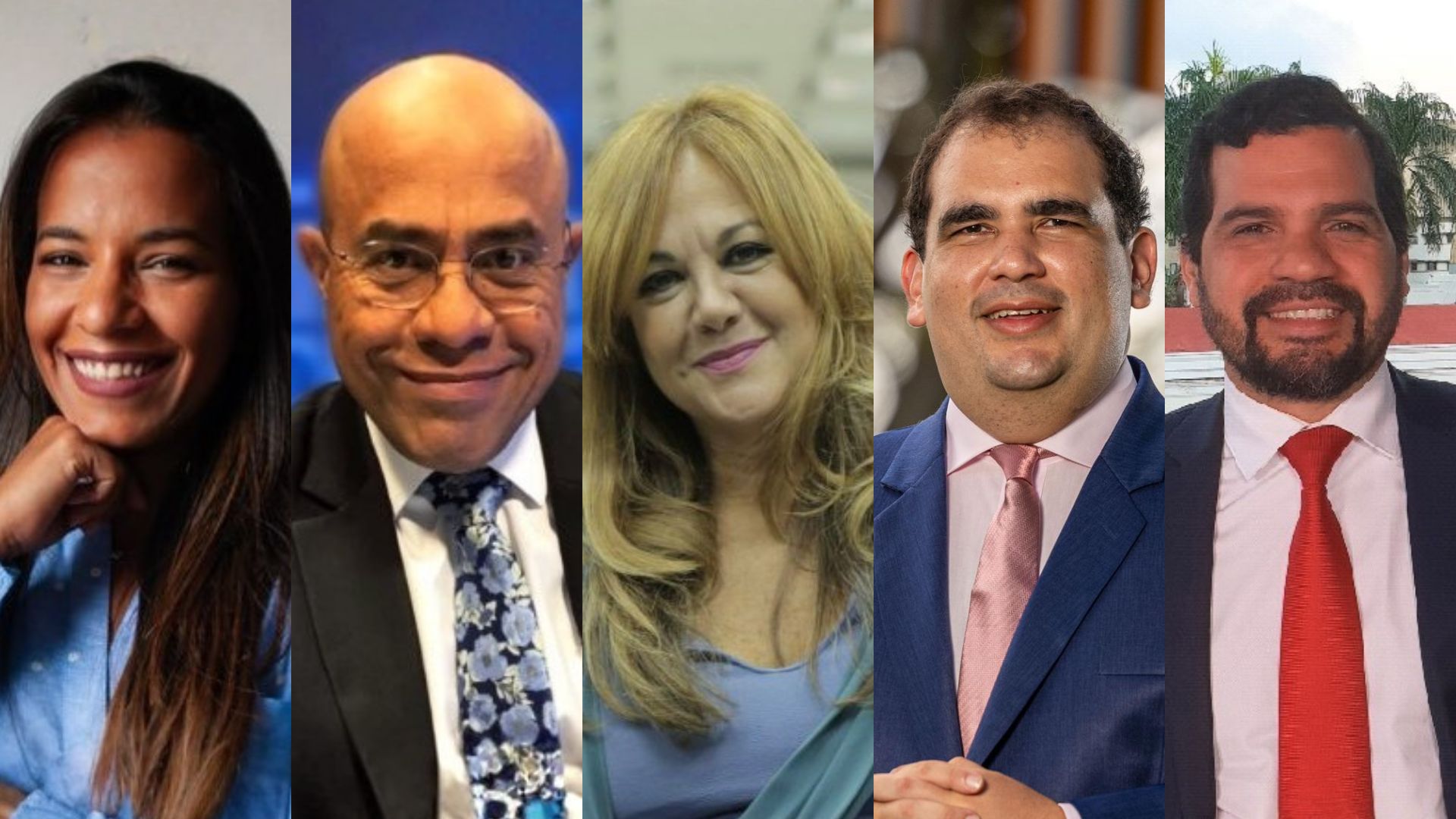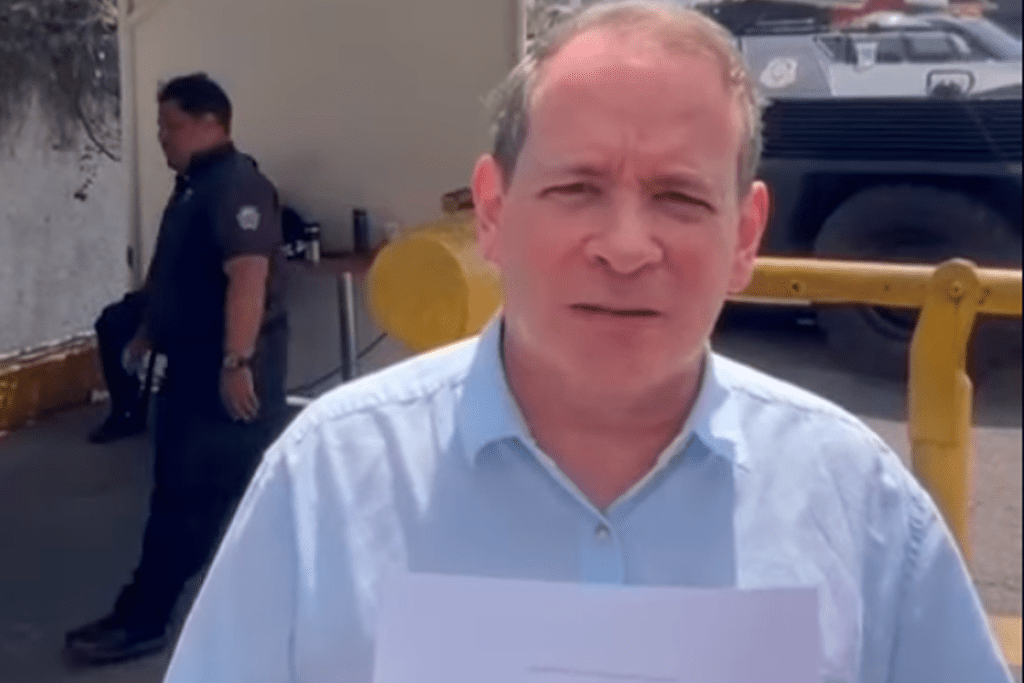
According to the NGO Foro Penal, up to 426 releases of political prisoners have been recorded since January 8, 2026, although with restrictive precautionary measures that threaten the beneficiaries’ freedom. Photo: Social Media Screenshot.
Guacamaya, February 10, 2026. From the early hours of Sunday, Venezuelan authorities began a new phase of political prisoner releases. This process stood out from similar ones due to the liberation of key opposition leaders, but also because of the singular case of Juan Pablo Guanipa, released and then re-arrested shortly afterward—a fact that casts doubt on the real scope of these pardons.
The release and subsequent detention of Juan Pablo Guanipa raised alarms among relatives and human rights organizations. Almost 12 hours after his release on Sunday afternoon, his son Ramón denounced, past midnight on Monday, that Guanipa had been “kidnapped” by “a group of armed individuals.”
Finally, after at least 24 hours without knowledge of his whereabouts, on Tuesday, February 10, Juan Pablo Guanipa was transferred to his residence in Maracaibo, Zulia, where he will serve house arrest. The leader arrived home with an electronic shackle and further restrictions, such as a ban on speaking to the media, following an alleged violation of other precautionary measures.
His son Ramón Guanipa confirmed on X: “I confirm that my father, Juan Pablo Guanipa, is at my house in Maracaibo. We are relieved to know that our family will soon be together.” He also thanked the U.S. government, including President Donald Trump, Secretary Marco Rubio, and Senator Rick Scott. The family insists that “house arrest is still prison” and demands full freedom for all political prisoners.
Guanipa: A Case That Exposes Contradictions
Upon leaving prison and before being detained again, Guanipa had told international agencies that Venezuela “must move toward an electoral process.” He also accompanied other political, social, and student leaders on visits to various detention centers to support relatives of detainees still awaiting the release of their loved ones.
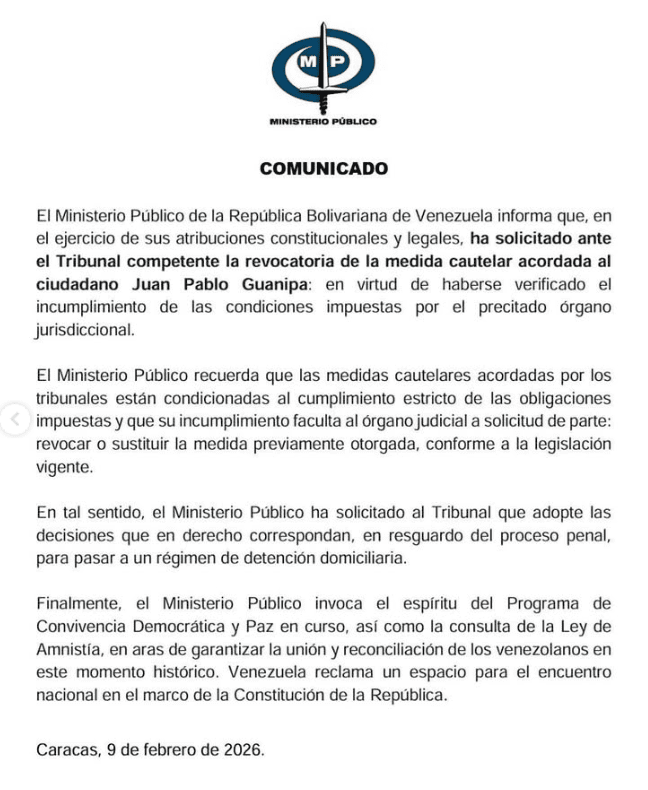
Guanipa’s release order, issued on February 7, only required him to report every 30 days and prohibited him from leaving the country, without restrictions on public statements or social media. However, after news of his subsequent detention, the Public Prosecutor’s Office requested the revocation of that order in the early hours of February 9, alleging non-compliance and requesting house arrest.
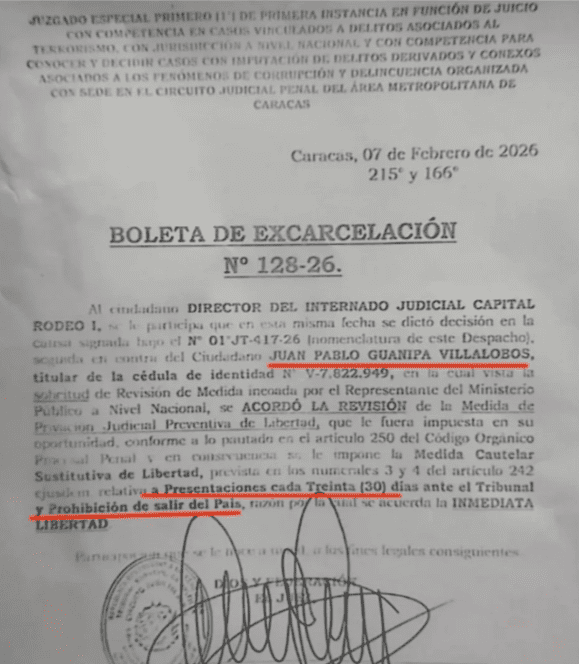
Defense lawyer Joel García stated in a thread on X that there was no legal basis for revoking the precautionary measures imposed on opposition leader Juan Pablo Guanipa. “Speaking to the media or accompanying relatives did not violate any precautionary measure, because the court did not impose restrictions on expression, assembly, or public participation,” he wrote.
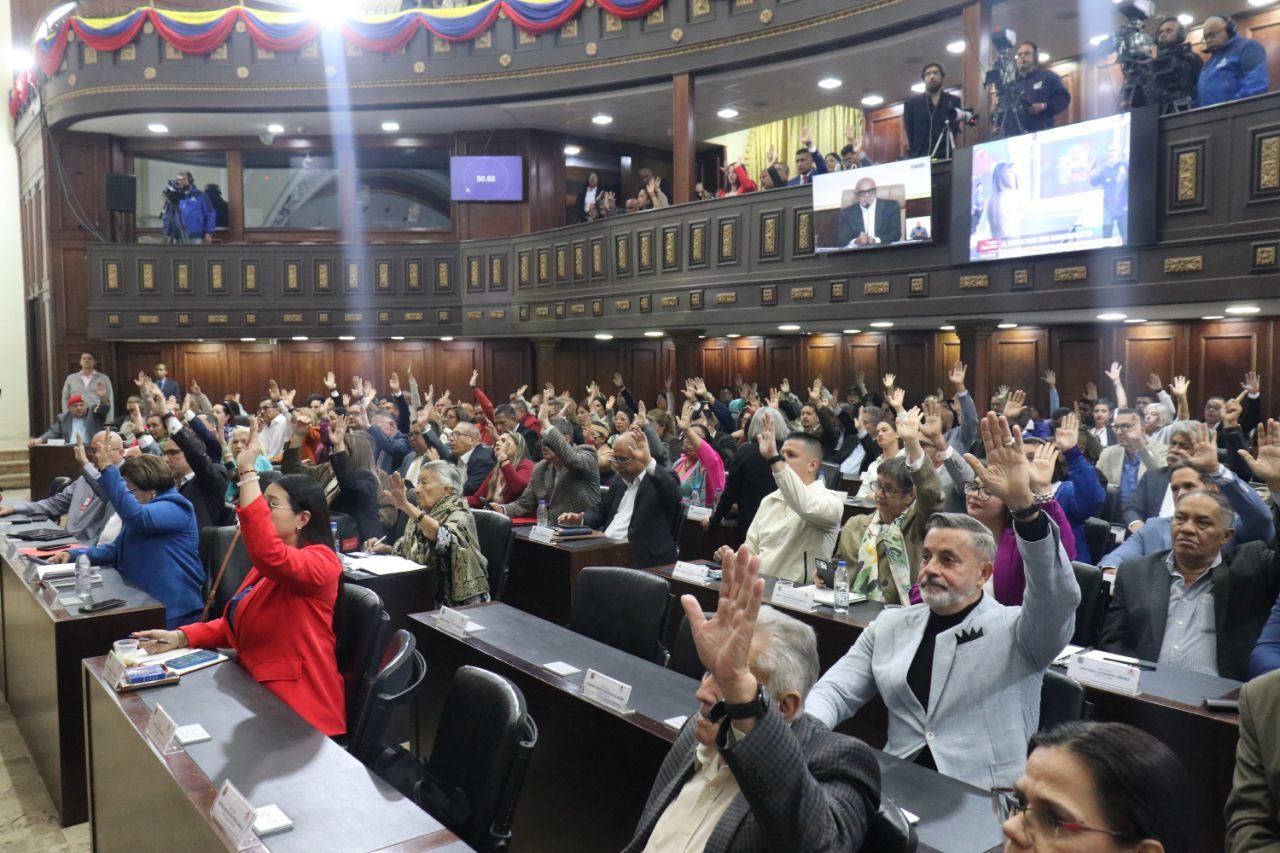
Juan Pablo’s brother, Tomás Guanipa, current deputy of the National Assembly, described the new detention as a “tsunami” for the family. “What happened yesterday (Monday), if we want to see it in perspective toward the future, helps us understand the risks we are living through right now. The difficult situation we are facing,” he said during a public consultation discussion on the Amnesty Law.
Juan Pablo Guanipa had previously been detained on May 23, 2025, after spending several weeks in hiding, during a period when Venezuelan authorities increased political harassment against opposition members ahead of legislative and regional elections scheduled days later. After more than a year and a half, he briefly reunited with his family in freedom.
The party Vente Venezuela stated that opposition leader Juan Pablo Guanipa is currently being held at the headquarters of the Bolivarian National Police in Maripérez, the same prison facility where he was previously detained. According to Orlando Moreno, the organization’s national coordinator, the detention contradicts the version of Attorney General Tarek William Saab, who ordered house arrest.
Clearly, the Guanipa case illustrates, at the very least, persistent contradictions between judicial authorities and the Public Prosecutor’s Office. This wave of releases, although different from previous ones due to its focus on high-profile opposition figures, continues to show that beneficiaries do not enjoy full freedom. The situation remains tense, and uncertainty persists about its true scope.
Mass Releases: 426 Political Prisoners Freed Since January
According to Foro Penal, by 7 p.m. on February 8, at least 35 individuals identified as political prisoners had been released, including notable cases. In addition to Guanipa, a leader of Primero Justicia, other prominent releases included Jesús Armas of the same party; Luis Somaza of Voluntad Popular; and Perkins Rocha of Vente Venezuela.
Other names on the list include leaders Catalina Ramos (Hispanic-Venezuelan), Dignora Hernández, Albany Colmenares, and Nikoll Arteaga, as well as Henry Alviarez and Enrique Ferreira, all linked to Vente Venezuela (the party led by María Corina Machado). In the early hours of Monday, February 9, former deputy and elected governor Freddy Superlano of Voluntad Popular was also added.
No updated list has been shared after Foro Penal’s publication on Sunday night, despite announcements of further releases. However, by Monday morning, a total of 426 political prisoner releases since January 8, 2026—the date of the official announcement of mass releases—had been confirmed.
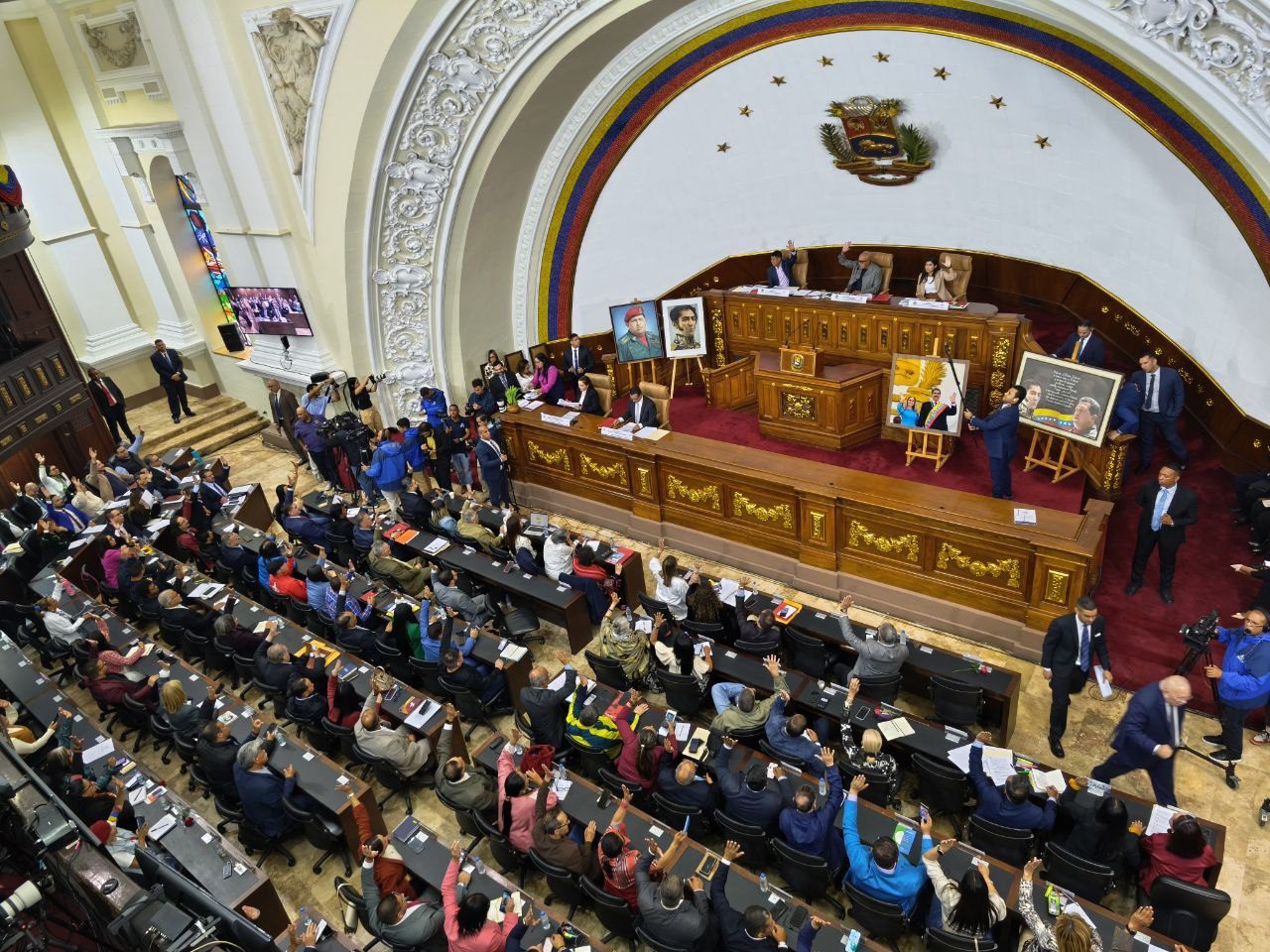
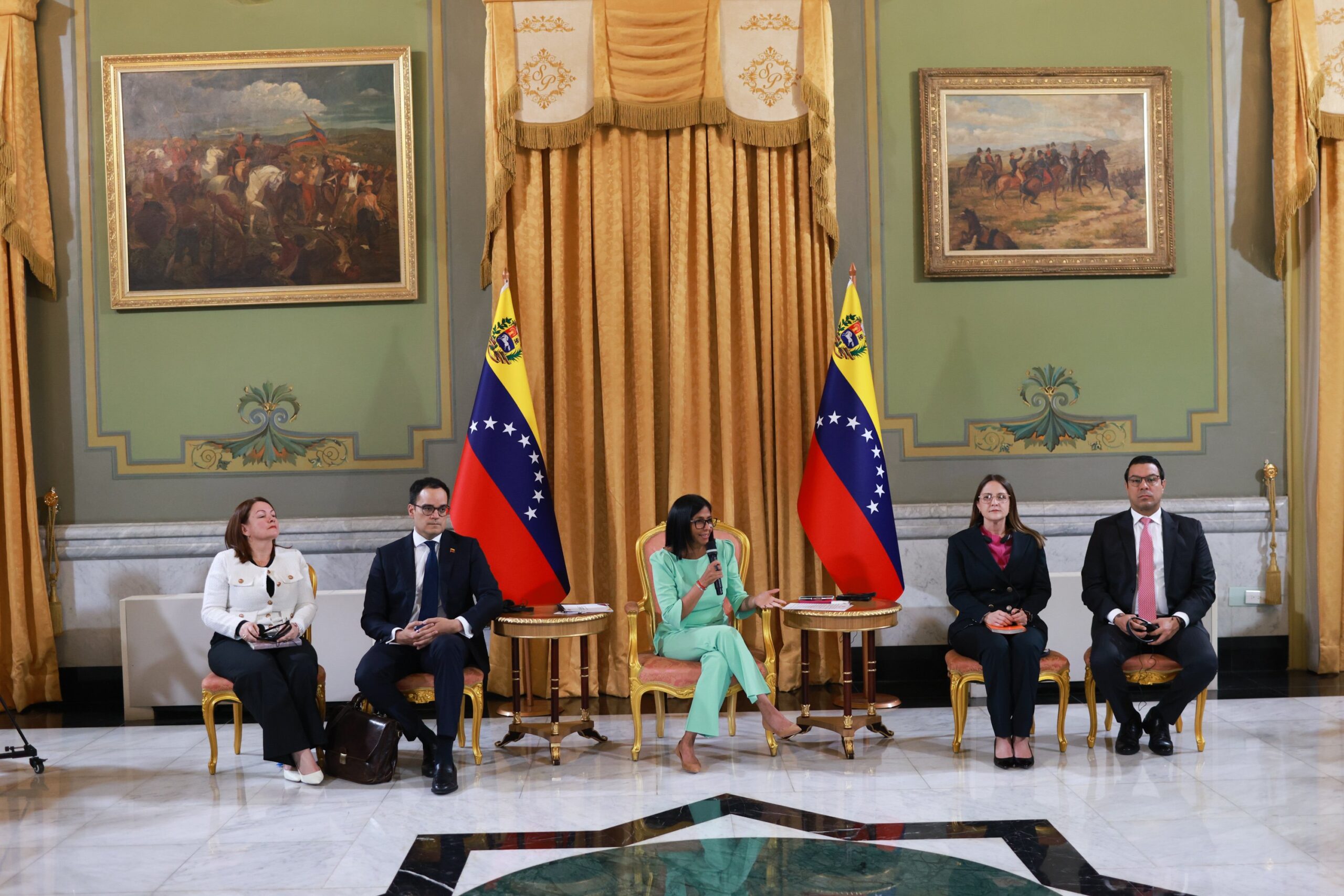
The figures from Foro Penal contrast with those of Interior and Justice Minister Diosdado Cabello, who claimed that since December the government has released 897 people, although no official list has yet been published. These measures occur in parallel with the public consultation process for the Amnesty Law project, promoted by the interim Executive and already approved in its first discussion by the National Assembly.