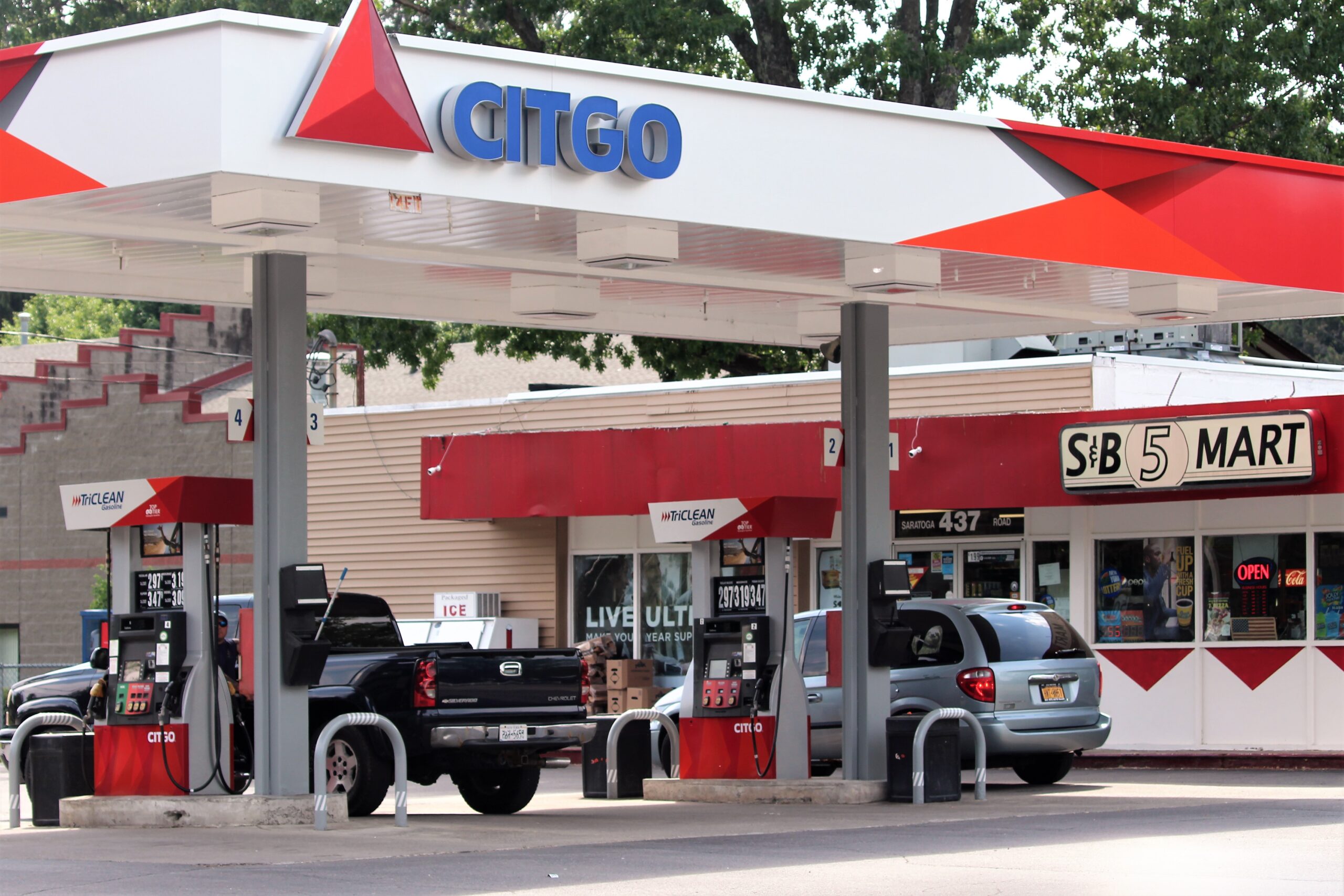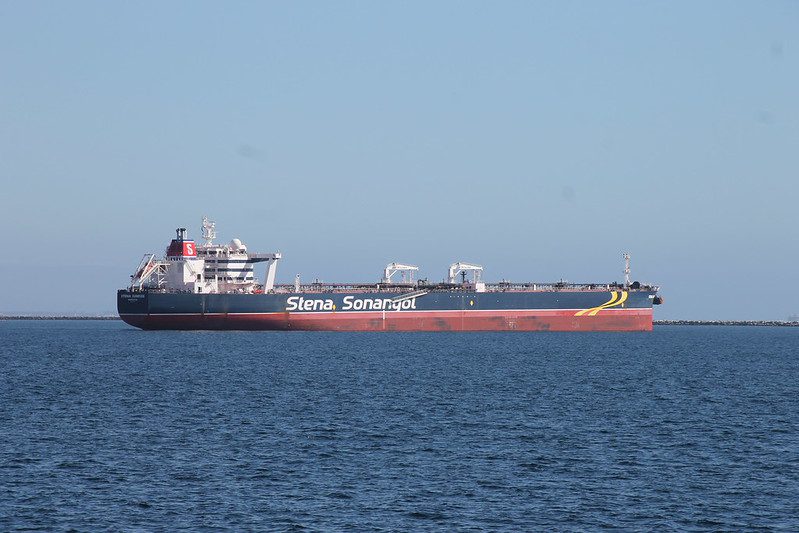
U.S. refineries and major international buyers, including Indian companies such as Reliance Industries and global trading houses, have resumed purchases of Venezuelan crude following the easing of sanctions. Photo: Corey Seeman
Guacamaya, February 5, 2026. U.S. refineries and major international buyers, including Indian companies and global trading houses, have resumed purchases of Venezuelan crude following the easing of sanctions and new energy agreements driven by Washington and Caracas. The reopening of oil flows is already beginning to be reflected in refining margins and in Venezuela’s repositioning in the global market.
According to Reuters, India’s Reliance Industries recently acquired two million barrels of Venezuelan oil through the trading house Vitol, sources told the news agency. This marks the company’s first purchase from Venezuela in nearly a year, signaling a clear reactivation of energy trade with the South American country.
Vitol, together with Trafigura, obtained U.S. government licenses to trade and sell millions of barrels of Venezuelan crude following last month’s U.S. military operation and a subsequent supply agreement with interim president Delcy Rodríguez. These licenses have reopened Venezuela’s access to key markets in both Asia and North America.
From New Delhi, India’s Ministry of External Affairs confirmed that the country remains open to buying Venezuelan oil as long as it is commercially viable.
“We have a long history of collaboration with Venezuela. We maintain a long-standing energy partnership with them and remain open to exploring options for the availability of crude oil from Venezuela and elsewhere,” said spokesperson Randhir Jaiswal, stressing that ensuring energy security for 1.4 billion Indians is the government’s top priority.
India, the world’s third-largest oil importer and consumer, had previously suspended imports from Venezuela twice, during 2019–2020 and 2023–2024, under pressure from international sanctions.
U.S. refineries and rising margins
In the United States, the resumption of Venezuelan crude exports has begun to directly benefit refineries. Reuters reports that Phillips 66 exceeded Wall Street expectations in the fourth quarter, driven by strong refining margins, high capacity utilization, and better-than-expected operating performance. The company’s shares rose more than 4%, to $155.12.
Reuters also reported that Phillips 66 purchased a cargo of Venezuelan crude from Vitol last month. The company can process around 250,000 barrels per day of Venezuelan crude, according to CEO Mark Lashier, who noted that Phillips 66 has greater flexibility for handling heavy crudes compared with its peers.
Meanwhile, Marathon Petroleum confirmed the purchase of two cargoes of Venezuelan crude in late January and said it expects its refineries to process more heavy crude. The company’s 631,000-barrel-per-day refinery in Galveston Bay, Texas, is fully capable of refining Venezuelan oil.
Other companies, such as Valero Energy, have also purchased Venezuelan crude under the agreement between Washington and Caracas. Industry executives note that U.S. refineries are set to benefit both from the resumption of Venezuelan exports and from lower fuel costs.
Heavy crudes and attractive discounts
Cargoes of Venezuelan heavy crude for delivery to the U.S. Gulf Coast were recently offered at a discount of about $9.50 per barrel to Brent, while Western Canadian Select (WCS) traded at a discount of around $10.25 per barrel to Brent futures. Although Canadian crude remains competitive, several U.S. refineries have indicated they can quickly adapt to process Venezuelan oil if economic conditions warrant it.
Overall, the rebound in purchases and improved refining margins confirm that Venezuelan oil is once again securing a relevant place on the international energy chessboard, amid ongoing geopolitical realignments and the global quest for energy security.