Zapatero will meet with acting president Delcy Rodríguez and will also hold meetings with opposition lawmakers and leaders, including Henrique Capriles, Stalin González, former political prisoner Enrique Márquez, and Antonio Ecarri. He is coming from participating in a joint initiative with Zapatero, Brazilian President Luiz Inácio Lula da Silva, and Qatar, which led to a significant wave of prisoner releases. Photo of Schutterstock
Guacamaya, February 6, 2026. The former Spanish prime minister meets with Delcy Rodríguez, government leaders, and key figures from a sector of the opposition as an amnesty law advances and a process of mass releases marks a new phase in Venezuela.
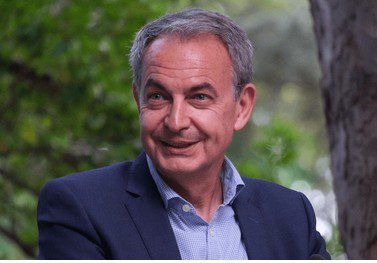
Former Spanish Prime Minister José Luis Rodríguez Zapatero arrived in Caracas this Friday to hold a series of meetings with Venezuela’s political leadership, at a decisive moment shaped by the transition triggered by the capture of Nicolás Maduro and the beginning of a process of releases and reforms driven by the ruling movement. The information was first reported by El Mundo and later confirmed by El País.
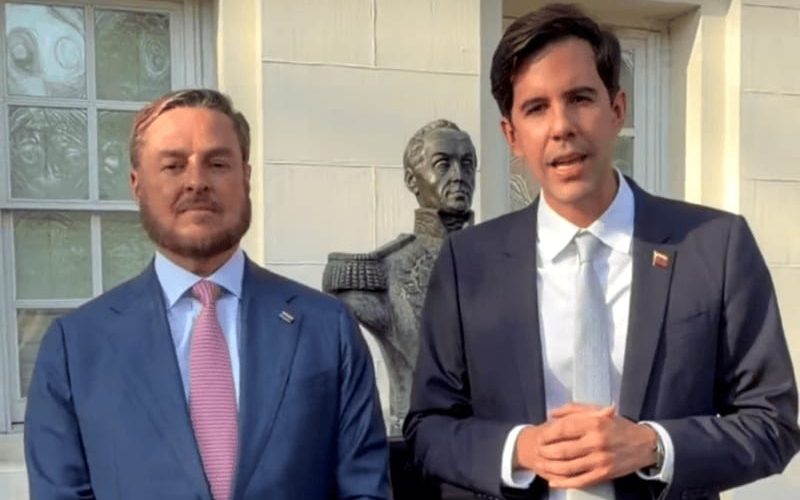
During his first hours in Venezuela, former Spanish Prime Minister José Luis Rodríguez Zapatero expressed his support for the Amnesty Law currently under discussion in Venezuela, describing it as a demand widely shared by society. “It is a law that all of Venezuelan society is hoping for,” he stated.
Zapatero also emphasized the crucial role of dialogue as a means for the country’s political reconstruction, noting that “the best processes have always been built through dialogue,” and highlighted that the current moment reflects “a rebirth of Venezuela.”
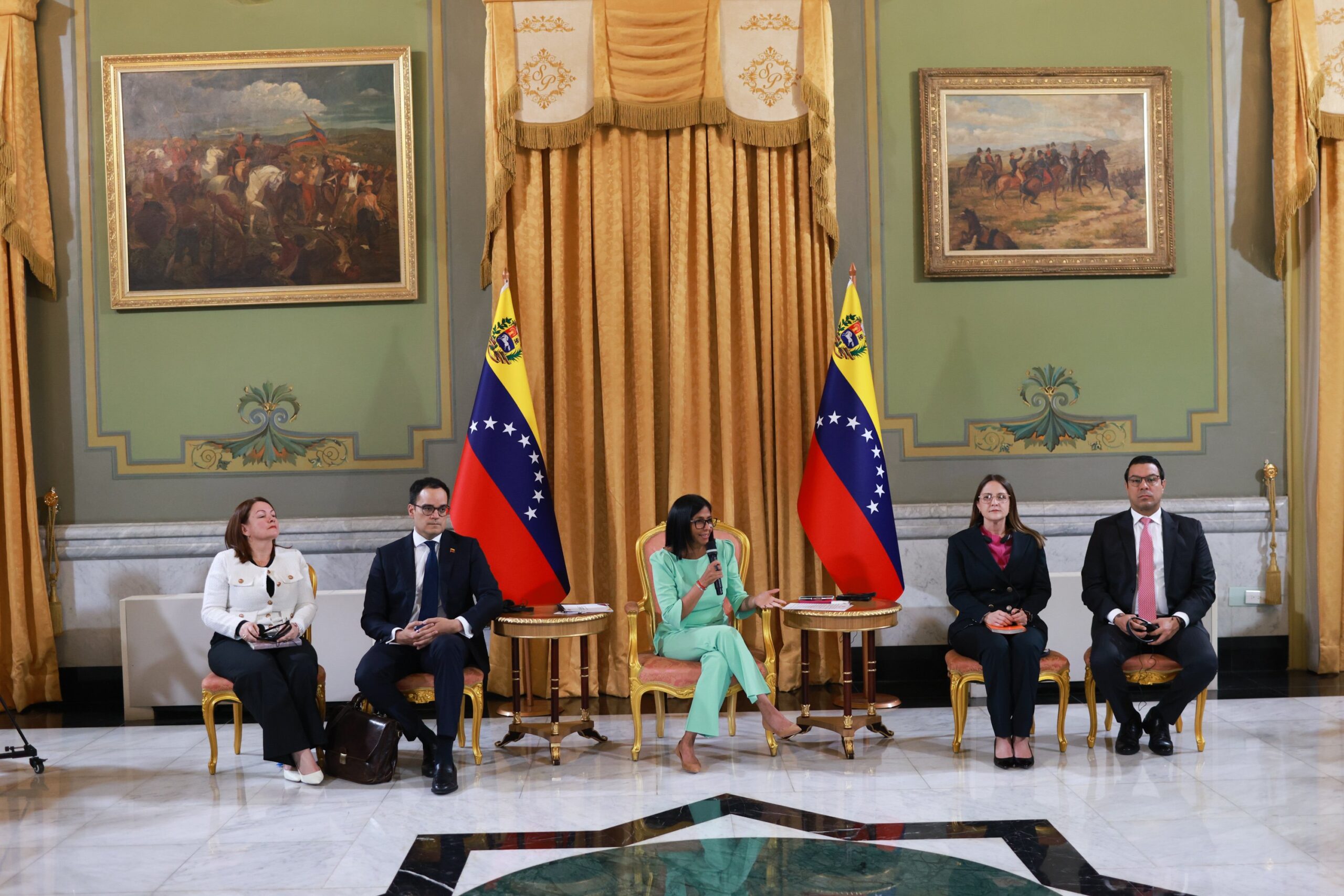
He made these remarks during a meeting with the Commission for Peace and Coexistence in Venezuela.
Zapatero is expected to meet with acting president Delcy Rodríguez, with whom he has maintained a close working relationship for years, as well as with the president of the National Assembly, Jorge Rodríguez.
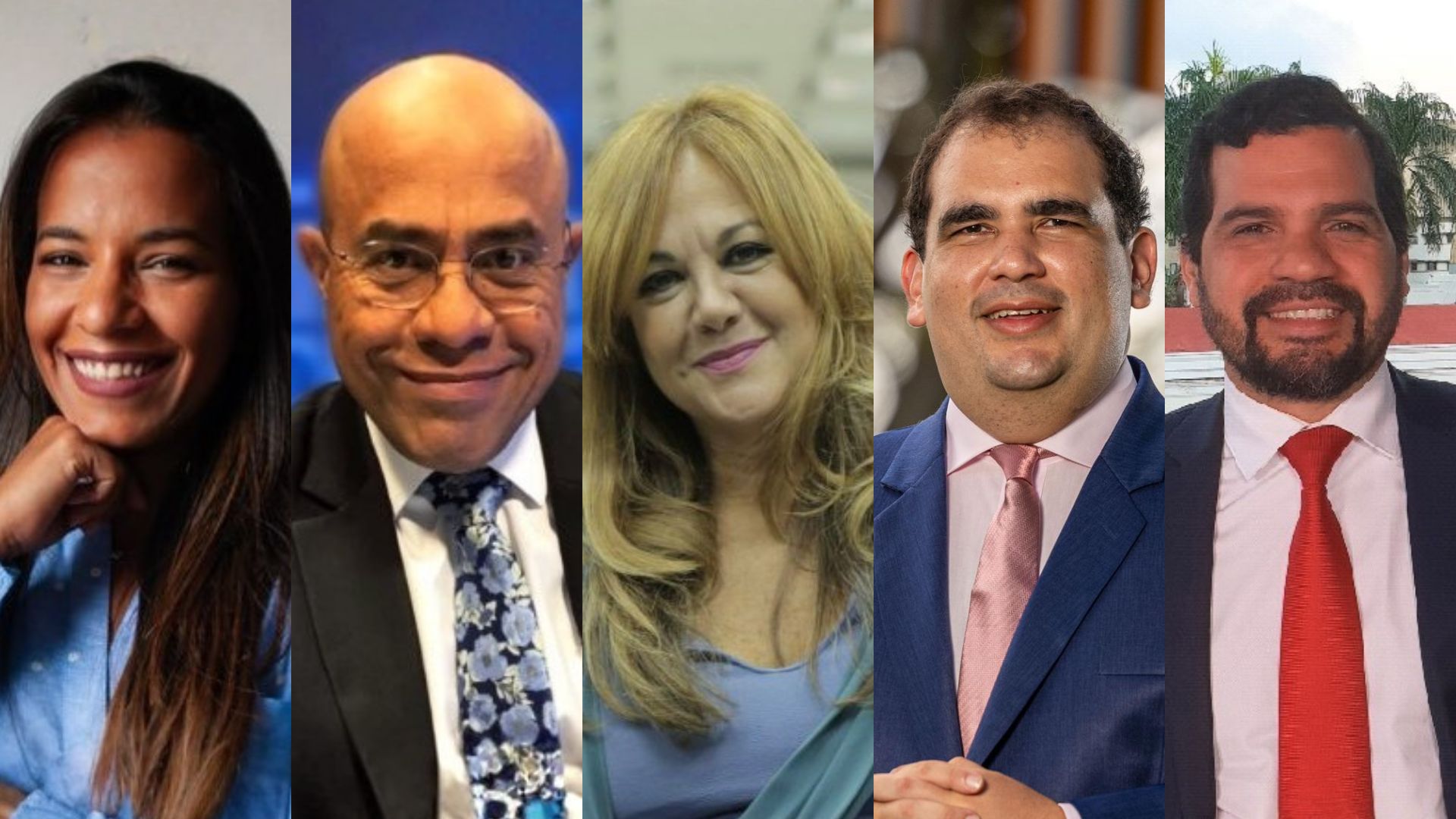
According to sources familiar with his agenda, the socialist leader will also hold meetings with opposition lawmakers and political figures, including Henrique Capriles, Stalin González, and Antonio Ecarri, in an effort to accompany a delicate process of political reconfiguration.
Among the most symbolic meetings is the one scheduled with Enrique Márquez, a former presidential candidate who was recently released after spending a year detained at El Helicoide. Márquez was imprisoned in 2024 after refusing to sign electoral records that favored Maduro, and his release has become one of the most visible gestures of the new phase the ruling movement is attempting to project.
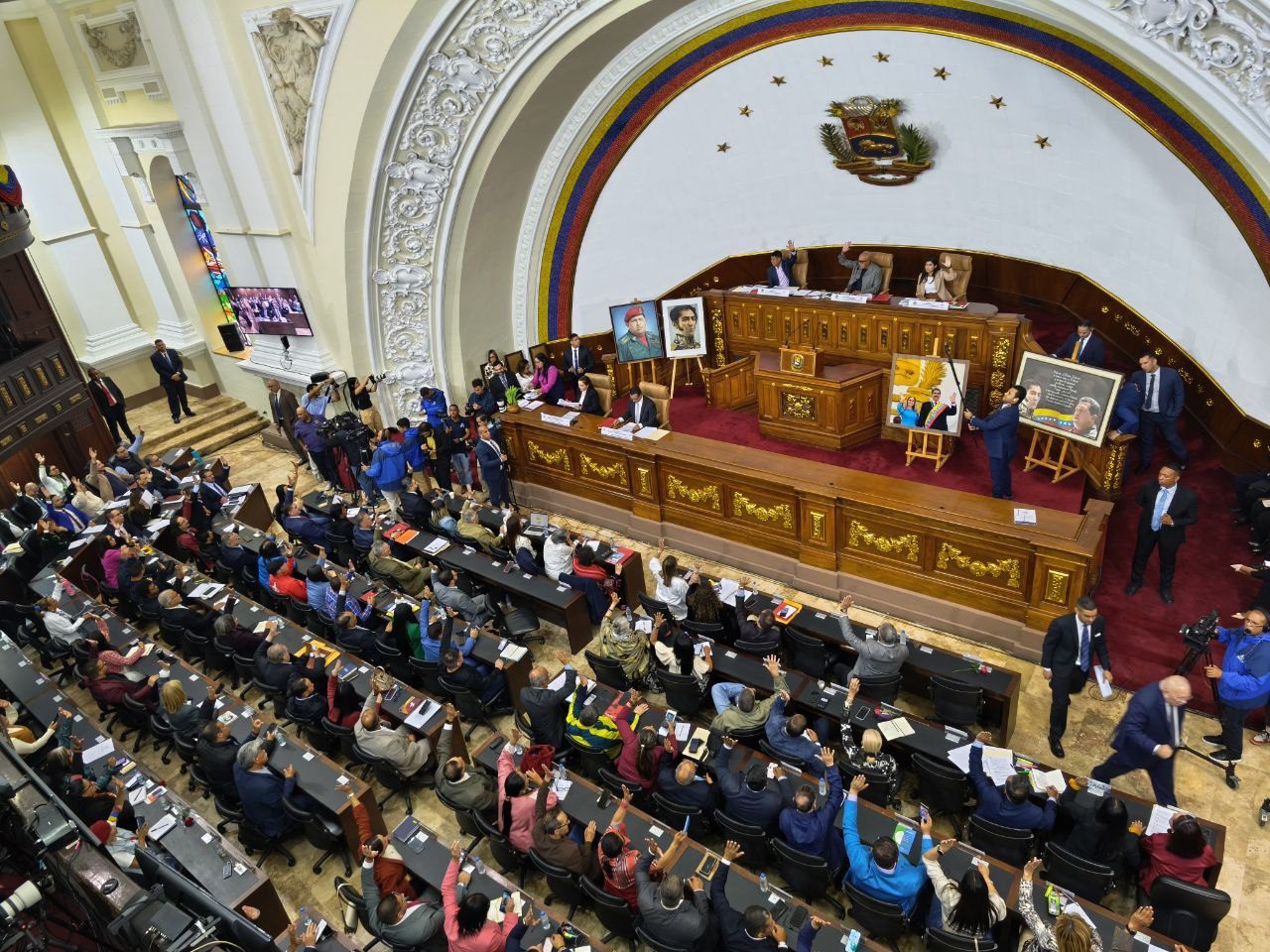
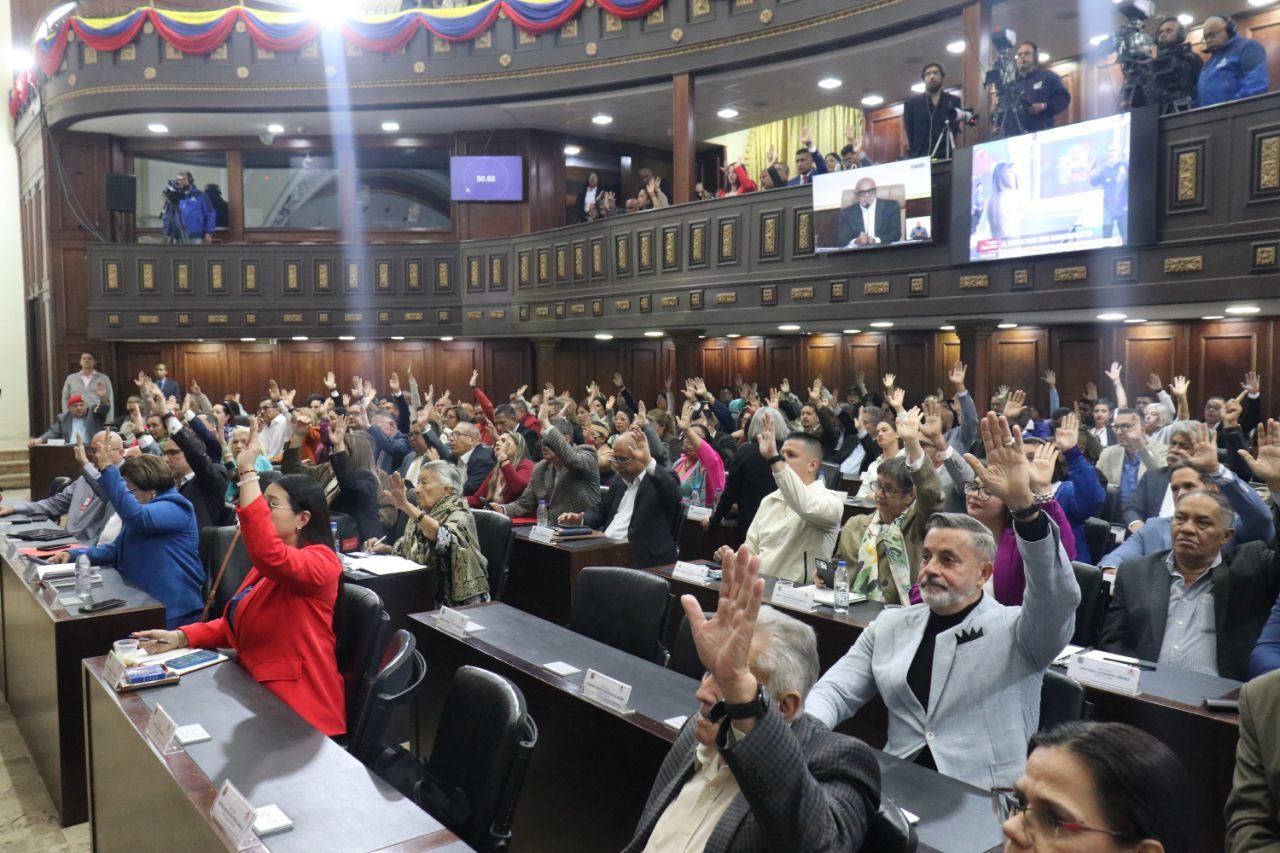
The visit of the former Spanish president coincides with the approval, at first reading, of a general amnesty law by the National Assembly. The text—still not officially published—provides for the pardon of politically related offenses and the immediate release of those detained for such causes. The bill will now enter a brief consultation period before its final approval, a process in which a special commission of 19 lawmakers will participate. Among them is Ecarri, the only representative of the opposition Freedom caucus included in that group.
The parliamentary debate revealed internal tensions within the ruling movement itself. Some pro-government lawmakers refrained from applauding the initiative, which was defended by Jorge Rodríguez with a message of reconciliation. “We ask for forgiveness, and we also have to forgive,” he said from the floor of the Assembly.
Following the capture of Nicolás Maduro on January 3 by U.S. elite forces, the ruling movement has entered a phase of political and economic adjustments. Delcy Rodríguez has argued internally that measures such as the partial opening of the oil market, the release of detainees, and even the amnesty were decisions already contemplated under Maduro’s leadership, although they are now being implemented under strong international pressure and supervision.
From Washington, Secretary of State Marco Rubio has outlined a roadmap centered on stabilization, recovery, and political transition, a position reiterated this week by the U.S. chargé d’affaires in Caracas, Laura Dogu, who stated that the United States would work “with Venezuelans to achieve a transition.”
Zapatero’s role in Venezuela has been controversial for years, particularly because of his close ties with the Rodríguez brothers. Nevertheless, the former Spanish leader maintains that his discreet mediation has been instrumental in securing the release of dozens of political prisoners since 2017, when he became involved in the case of Leopoldo López. He acknowledges the public cost of his silence on Venezuela but says he is willing to bear it.
Indeed, it was a joint mediation effort by Zapatero, Brazilian President Luiz Inácio Lula da Silva, and Qatar that led to a significant wave of political prisoner releases beginning on January 8, just days after Maduro was transferred to a prison in New York.
With his return to Caracas, Zapatero once again places himself at the center of an uncertain process, where reconciliation, international pressure, and institutional reconstruction intersect in a Venezuela seeking to redefine its political future.