Seal of the Central Intelligence Agency. Photograph: social media
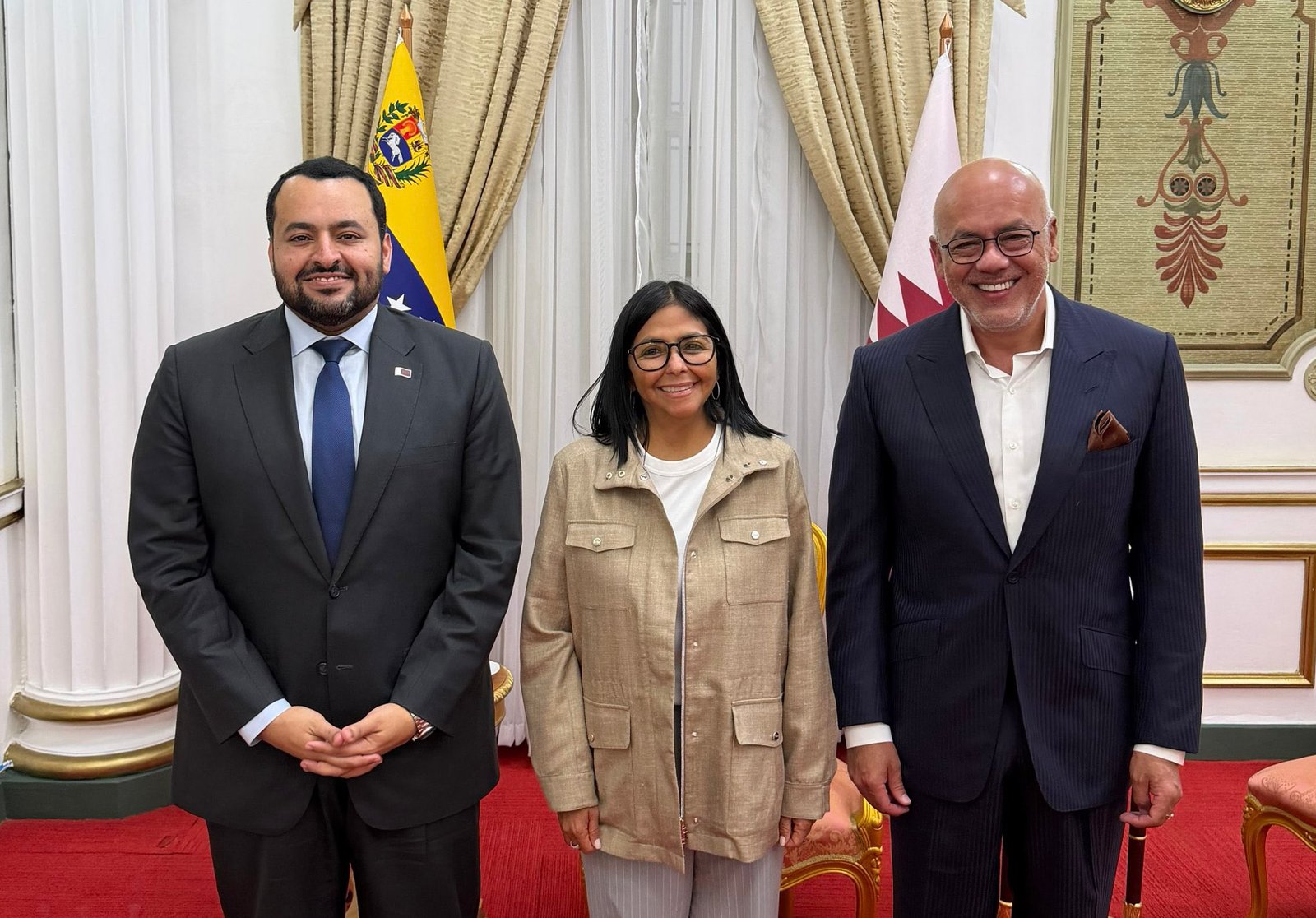
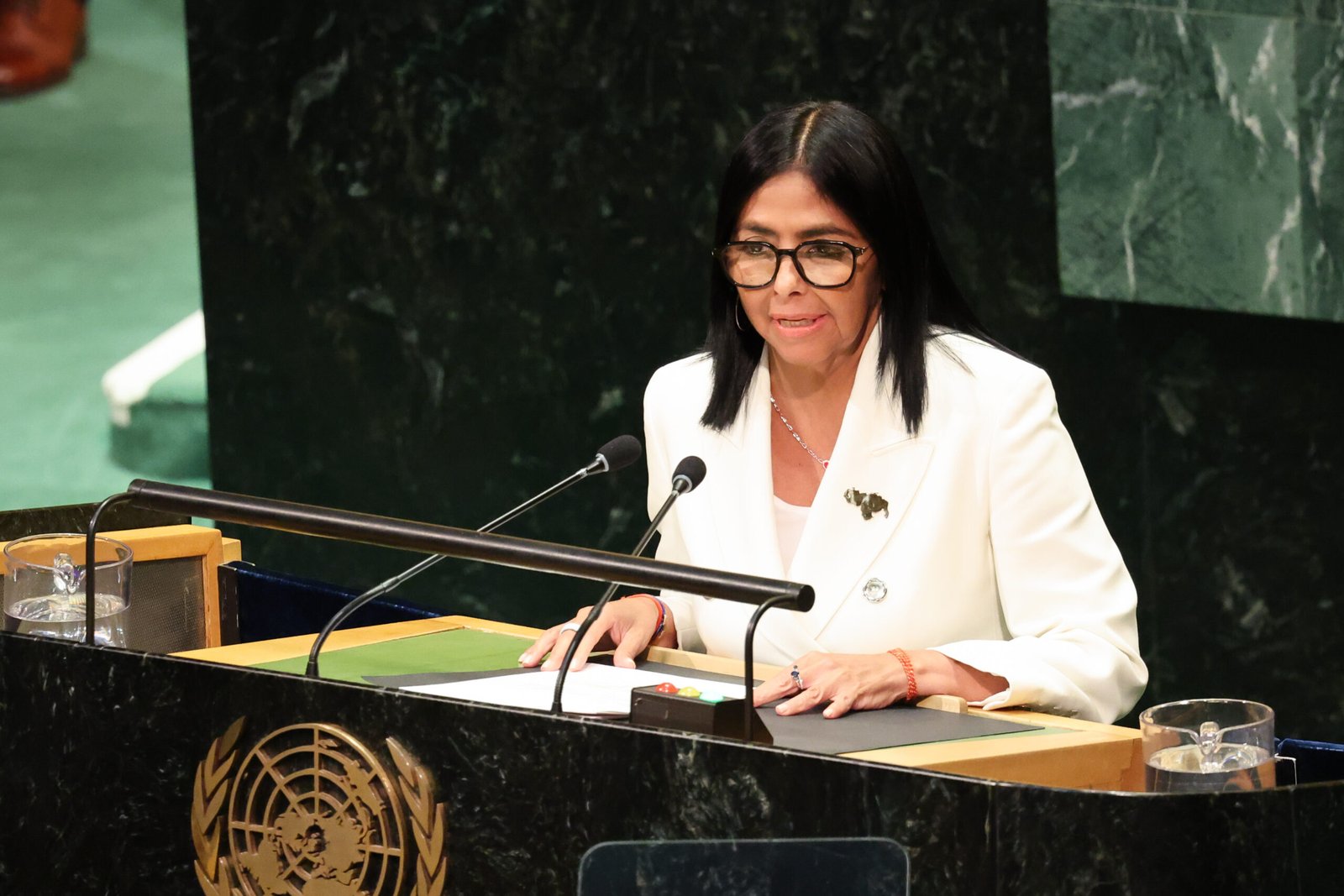
Guacamaya, January 16, 2026. The meeting between John Ratcliffe, director of the CIA, and Venezuela’s interim president Delcy Rodríguez has become the clearest signal so far of the Trump administration’s strategy: cooperation on security and intelligence and support for a managed transition that prioritizes stability following the capture of Nicolás Maduro.
The visit by CIA Director John Ratcliffe to Caracas and his meeting with interim president Delcy Rodríguez mark a milestone in relations between the United States and Venezuela after President Nicolás Maduro was captured by U.S. forces nearly two weeks ago. Ratcliffe is the highest-ranking U.S. official—and the first cabinet member—to travel to the country since the operation that dramatically reshaped Venezuela’s political landscape.
In the past, the governments led by Nicolás Maduro and his predecessor Hugo Chávez accused the CIA of backing conspiracies to overthrow them and of carrying out acts of sabotage in the country.
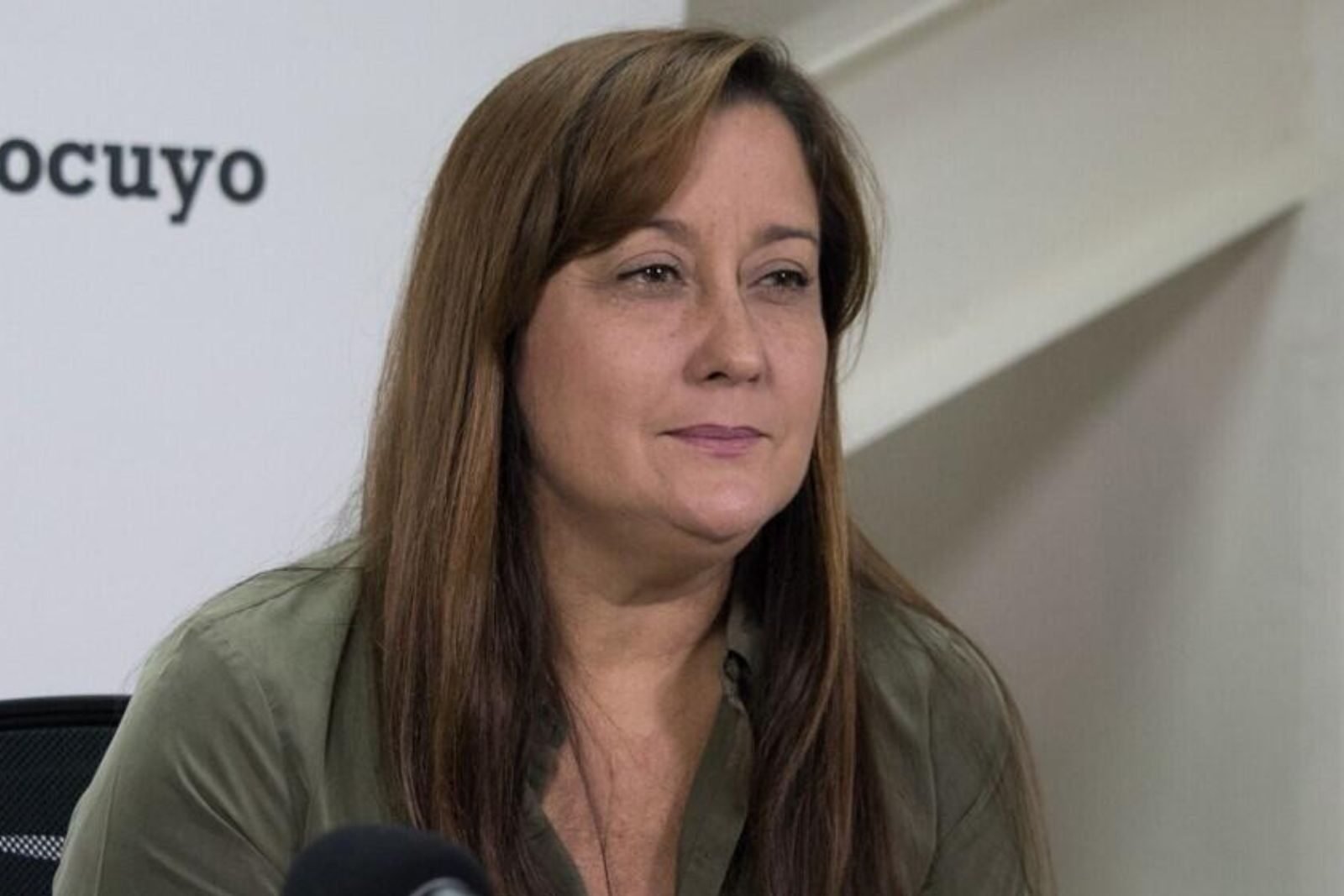
The meeting came one day after a phone call between President Donald Trump and Rodríguez and coincided with Trump’s meeting in Washington with María Corina Machado, Venezuela’s opposition leader. The diplomatic sequence reveals a dual approach: engagement with the opposition alongside practical recognition of the authority currently exercised by the interim government in Caracas.
According to a U.S. official who spoke to The New York Times on condition of anonymity, Ratcliffe attended the meeting under direct instructions from Trump to convey the expectation of a “better working relationship” between the two governments. The discussions focused on key issues such as intelligence cooperation, economic stability, and the need to ensure that Venezuela no longer serves as a safe haven for criminal networks and drug traffickers.
For the Trump administration, the meeting represents a political endorsement of Rodríguez and her ability to maintain control of the state during a delicate transition. Since last summer, senior U.S. officials had been debating how to prevent an institutional collapse following Maduro’s eventual removal, in parallel with planning an offensive framed as an “anti-drug operation” that ultimately led to his capture.
In those internal debates, the experience of Iraq was repeatedly cited as a warning. Officials feared that dismantling the Venezuelan state apparatus or immediately installing an opposition leadership without territorial control could trigger a spiral of violence and instability similar to what followed the fall of Saddam Hussein.
Early CIA assessments described Rodríguez as a pragmatic figure, more inclined toward negotiation than ideological confrontation. That perception facilitated earlier contacts with White House envoys, including attempts to negotiate a negotiated exit for Maduro—efforts that did not succeed but left channels of communication open.
The implicit backing conveyed by Ratcliffe’s meeting with Rodríguez has generated discontent among sectors of the opposition, whose supporters expected the United States to immediately push for the installation of Edmundo González in power. U.S. officials, however, argue that in the short term the priority is preserving order and the functioning of the state.
While President Trump has emphasized Venezuela’s economic and oil potential, Secretary of State Marco Rubio has reiterated his support for an eventual “transition to democracy.” According to a senior official, that transition will come later. For now, the meeting in Caracas makes clear that Washington has opted for a strategy of negotiated stability, with Delcy Rodríguez as a central figure in the process.