
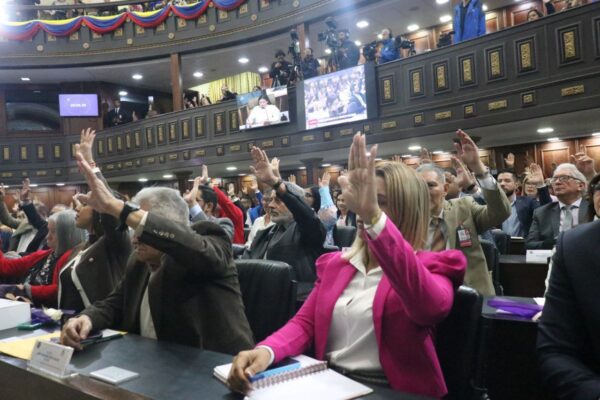
AN Advances in Second Discussion of Mining Law and Introduces Private Concessions
The Legislative Branch signals regulated openings for national and foreign investors. Photo: X / @Asamblea_Ven. Guacamaya, March 17, 2026. The National…


The Legislative Branch signals regulated openings for national and foreign investors. Photo: X / @Asamblea_Ven. Guacamaya, March 17, 2026. The National…

Venezuela is the baseball world champion, a sport that has shaped the country’s identity.

Interim President Delcy Rodríguez has once again moved the power board. This March 18, she announced up to six changes in the cabinet, among which a new appointment to the Ministry of Defense stood out.
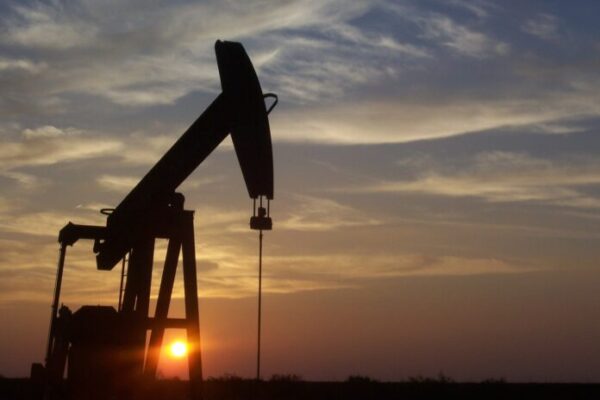
The Trump administration issued General License 52, which authorizes virtually all transactions with PDVSA related to trading, exploration, and production.

The state-owned oil company PDVSA has once again reorganized the leadership of its subsidiaries in the United States, reaffirming Asdrúbal Chávez Jiménez as the head of PDV Holding and its subsidiary Citgo, amid the complex political, legal, and economic crossroads that Venezuela is facing.
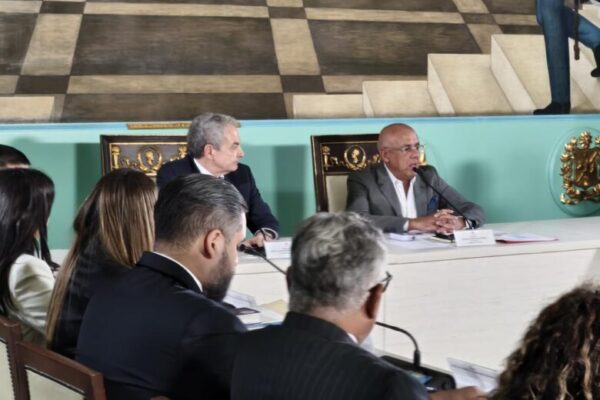
The Special Commission for Monitoring the Amnesty Law met with the former Spanish president in the Hall of Shields of…

The Metrobús system deployed a special operation on Monday with more than 90 units to support mobility in the areas…
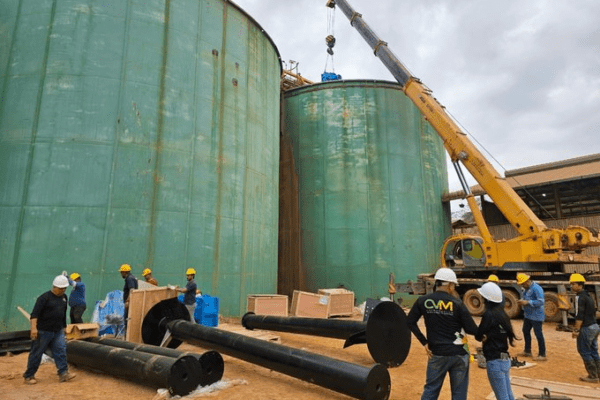
Venezuela is at a turning point in its mining sector: after years of informal gold trade routes and international sanctions, the country is implementing a series of legal reforms, institutional reorganizations, and strategic agreements with international actors such as Trafigura. Acting President Delcy Rodríguez seeks to modernize the Mining Law, formalize artisanal mining, and attract foreign investment, while the United States pressures for lower royalties and to ensure security in extraction zones. With safe corridors, corporate mergers, and responsible sourcing schemes, Venezuelan gold is once again becoming a focal point of geopolitics and the global economy.
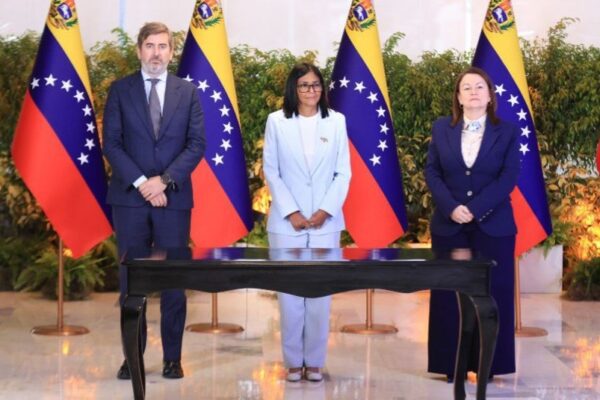
Following the partial easing of U.S. energy sanctions and the political reconfiguration that took place in January, Venezuela is beginning to receive a new wave of international investment in its hydrocarbons sector. Companies such as Chevron, Shell, Repsol and Eni are advancing agreements to expand oil and gas production in the country, while the global energy market tightens amid the crisis in the Middle East and crude prices rising above $100 per barrel.
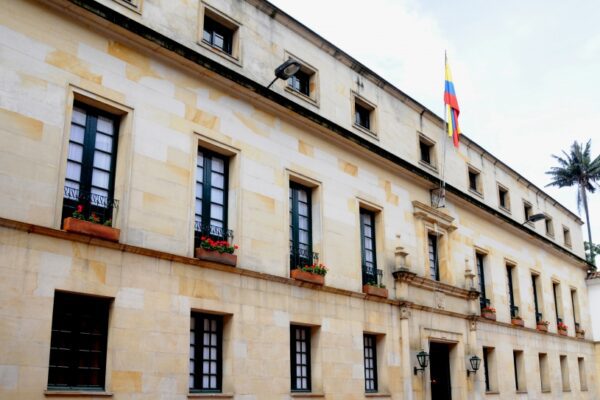
The long-awaited meeting between the acting president of Venezuela, Delcy Rodríguez, and her Colombian counterpart, Gustavo Petro, scheduled for this Friday, March 13th, on the Colombia-Venezuela border, was suspended at the last minute due to security alerts.