Luis Alejandro Ruiz

Luis Alejandro Ruiz is a journalist at Guacamaya. He graduated in Communication Studies from the Andrés Bello Catholic University.

What is Venezuela’s connection to the 2008 Georgia War? 

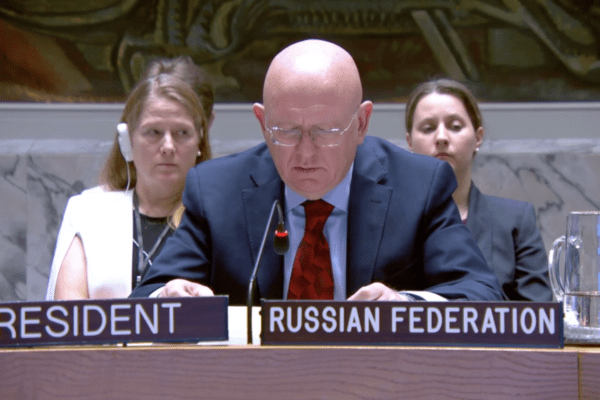
On the anniversary of the 2008 conflict between Russia and Georgia, marking 17 years since the brief but decisive war that transformed the geopolitics of the Caucasus, it is worth revising Venezuela’s role in this scenario. Since 2008, Caracas has maintained a clear stance aligned with Moscow, recognizing the independence of the republics of Abkhazia and South Ossetia and providing political support to Russia amid its tensions with the West.  

Read More

ECLAC: Venezuela Improves Growth Forecast for 2025 Despite Regional Slowdown  

In its Economic Survey of Latin America and the Caribbean 2025, ECLAC warns that the region is going through a phase of lower dynamism following the rebound seen at the beginning of 2024. Regional GDP growth will decline from 2.3% in 2024 to 2.2% this year, confirming a decade of low growth with an average expansion of just 1.2% between 2016 and 2025—even lower than that recorded in the 1980s.

Read More

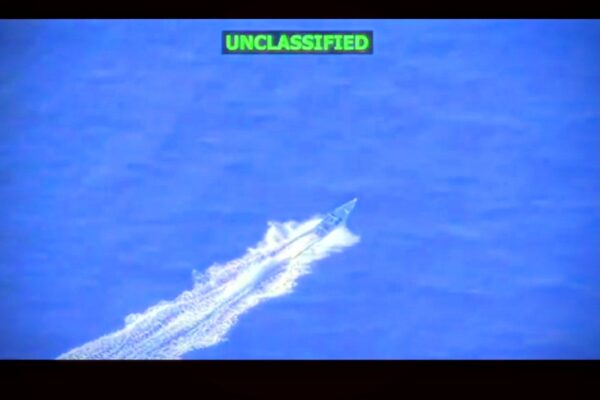
Malaysia and Panama Take Action Against Sanctioned Oil Transport  

In a coordinated move against the trade of sanctioned crude, Malaysia has imposed strict regulations on illegal oil transfers in its waters, while Panama has closed its doors to high-risk, aging vessels. Although pressure on the so-called “shadow fleet” is increasing, historical experience shows that such measures often face structural limitations and the constant reinvention of evasion networks.  

Read More

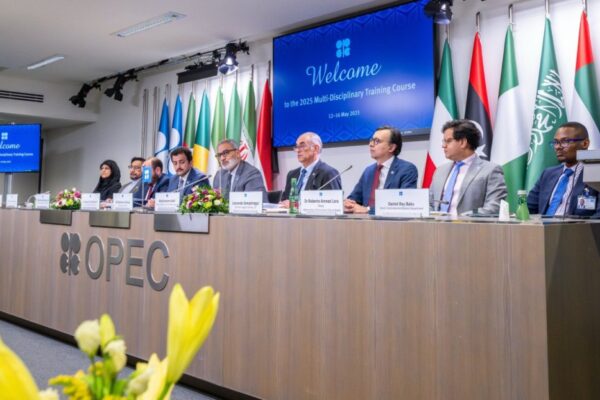
OPEC+ to Boost Output in September Despite Demand Uncertainty

The Organization of the Petroleum Exporting Countries and its allies (OPEC+), headed by Saudi Arabia and Russia, approved a new crude production increase of 547,000 barrels per day (bpd) this Sunday, effective September. With this move, the coalition finalizes the reversal of the voluntary cuts of 2.2 million barrels per day (mbd) implemented in 2023, completing the process in half the time initially planned. 

Read More

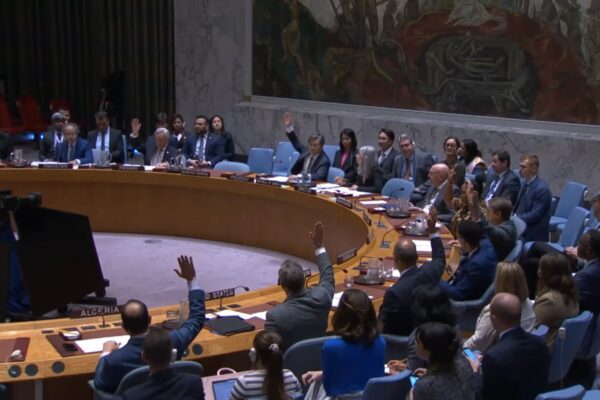
CPI Orders Prosecutor Karim Khan to Withdraw from Venezuela Case Due to Possible Conflict of Interest

The Appeals Chamber of the International Criminal Court (ICC) determined that there are “reasonable grounds to believe” that Prosecutor Karim Khan was involved in a conflict of interest in the investigation into crimes against humanity in Venezuela, due to family and professional ties with a lawyer who has represented the government of Nicolás Maduro. Khan has three weeks to formally recuse himself, in accordance with Rule 35 of the Court’s Regulations.  

Read More

What are the implications of escalating tensions in the Red Sea for Venezuela?  

The crisis in the Red Sea has taken a new turn. Yemen’s Houthi rebels announced the expansion of their naval blockade against Israel, declaring that they will attack any vessel with commercial ties to Israeli ports, regardless of its flag or destination. This decision, made after the breakdown of peace talks in Doha, increases the risk to maritime traffic along a route that handles approximately one trillion dollars in goods annually.  

Read More

Trinidad and Tobago Breaks Ties with Venezuelan Gas and Looks to Guyana, Suriname, and Grenada for Its Energy Future

The Prime Minister of Trinidad and Tobago, Kamla Persad-Bissessar, confirmed the definitive termination of the agreement with Petróleos de Venezuela (PDVSA) to import natural gas from the Dragon and Cocuina-Manakin fields. Her administration has opted for a strategic shift, prioritizing energy cooperation with Guyana, Suriname, and Grenada.  

Read More

Sanctions: The Undeclared War That Kills as Much — or More — Than Bombs: A Youth Reflection on the New Study Published in The Lancet

A recent study in The Lancet Global Health offers a disturbing response. Based on data from 152 countries over five decades, the research finds that unilateral economic sanctions—especially those imposed by the United States—are associated with more than 560,000 deaths per year. The majority of these deaths occur among the most vulnerable: children under five and older adults.

Read More