Escalation in the Persian Gulf reshapes the energy map: A window of opportunity for Venezuelan crude?

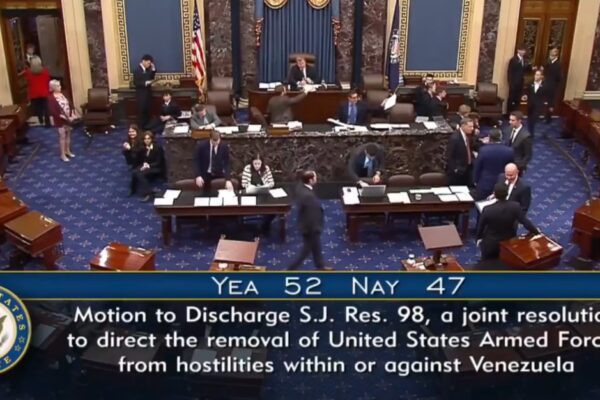
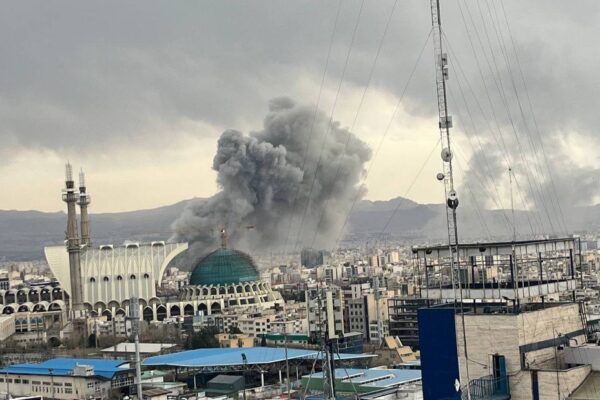
The recent escalation of tensions between the United States, Israel, and Iran threatens not only the geopolitical stability of the Middle East but also global energy markets. While oil prices have surged and maritime insurers have restricted war-risk coverage in the Persian Gulf, experts warn about the fragility of the Iranian regime and the possible scenarios following the departure of Supreme Leader Ali Khamenei. In this context, Venezuela emerges as a strategic actor capable of influencing global crude supply, in the event of prolonged disruptions in the Strait of Hormuz.

Read More

Davos 2026: the world gathers in January to talk when calm no longer exists

The World Economic Forum returns to Davos from January 19 to 23, 2026, for its 56th edition, in an international context described by the organizers themselves as one of “maximum tension.” Chosen decades ago as the quietest month in the political calendar, January no longer offers respite: latent wars, open strategic rivalries, and a fragmented global economy turn Davos into a setting where dialogue is urgent, but also deeply uncomfortable.

Read More

OAS debates Venezuelan crisis after U.S. operation: Latin America split between condemning the intervention and rejecting chavismo

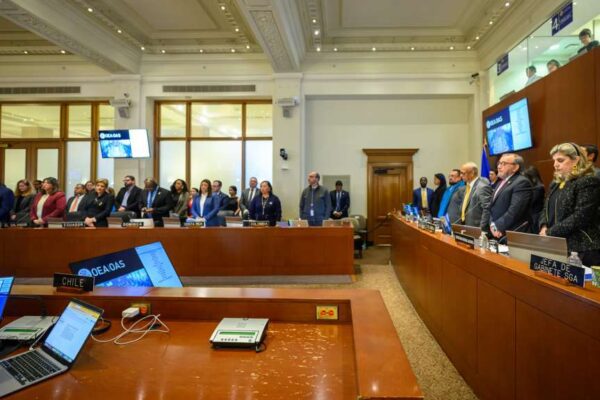
The Organization of American States (OAS) held an extraordinary session, convened at Colombia’s request, to address the Venezuelan crisis following the U.S. military operation that resulted in the capture of President Nicolás Maduro. The development has triggered a deep regional divide between those who condemn the intervention as a violation of sovereignty and those who, while opposing the use of force, insist on the illegitimacy of the authorities in Caracas.

Read More

What happened at the UN Security Council during the emergency debate on the United States’ military intervention in Venezuela?

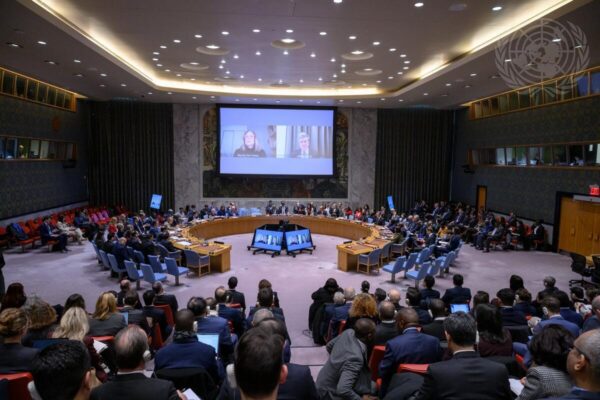
The United Nations Security Council met this Monday in an emergency session requested by Venezuela following the bombing of Caracas by the United States and the capture of President Nicolás Maduro and his wife, Cilia Flores. The meeting, which began at 10:00 a.m. New York time, was marked by sharp divisions among member states, with widespread condemnations of the use of force and calls for the release of the Venezuelan leader, alongside explicit support for the U.S. operation on the grounds of combating narco-terrorism and restoring democracy.

Read More

The European Union extends individual sanctions related to Venezuela for one year

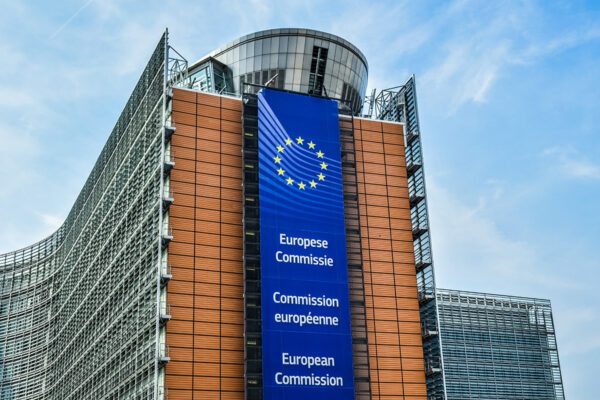
The European Union has decided to extend the existing restrictive measures against Venezuela for another year, until January 10, 2027. The EU considers that actions undermining democracy and the rule of law persist, along with human rights violations and repressive practices against civil society and the political opposition. The Council’s decision is also adopted in light of events related to the presidential elections of July 28, 2024, and their subsequent development.

Read More

United States sanctions network linked to Tren de Aragua.

The U.S. Department of the Treasury’s Office of Foreign Assets Control (OFAC) on Tuesday imposed new sanctions against a network of individuals and entities associated with Tren de Aragua (TdA), a Venezuelan criminal group designated as a Foreign Terrorist Organization (FTO) and Specially Designated Global Terrorist (SDGT). The measure targets both the group’s leadership and facilitators within the entertainment industry.

Read More