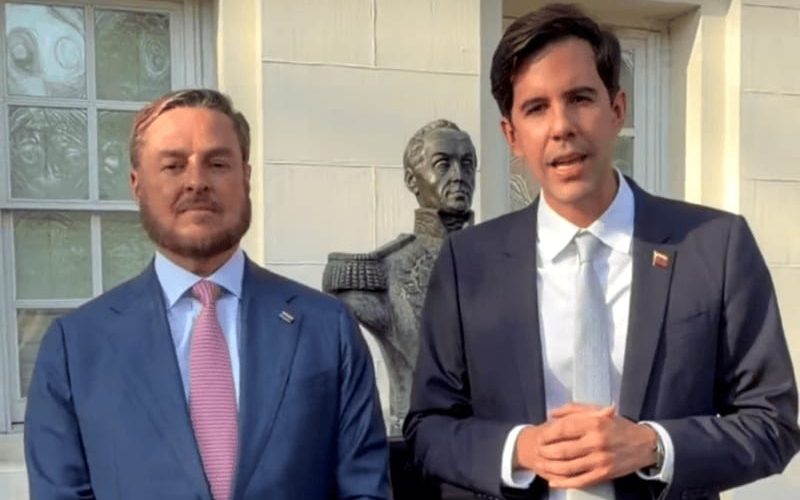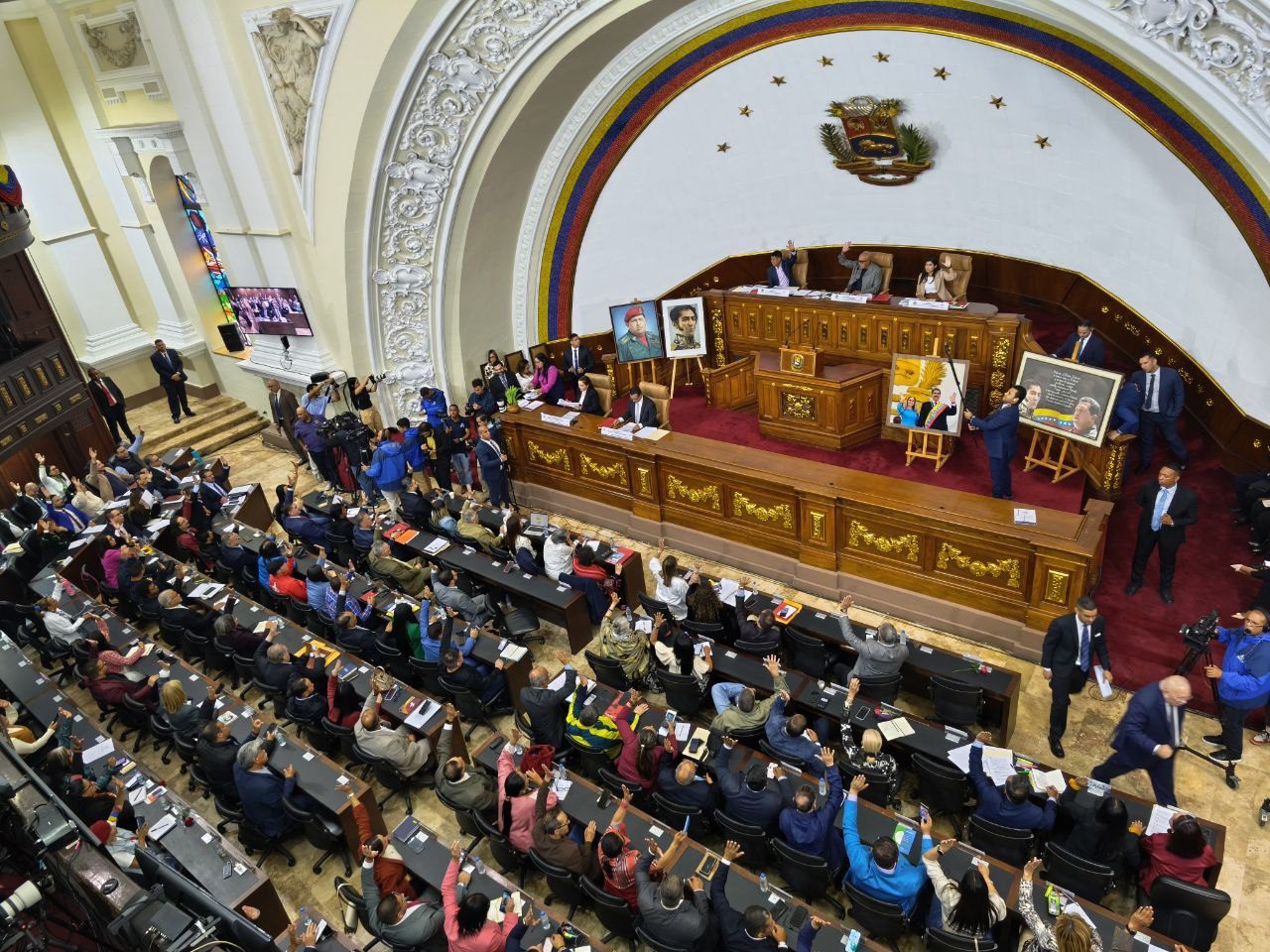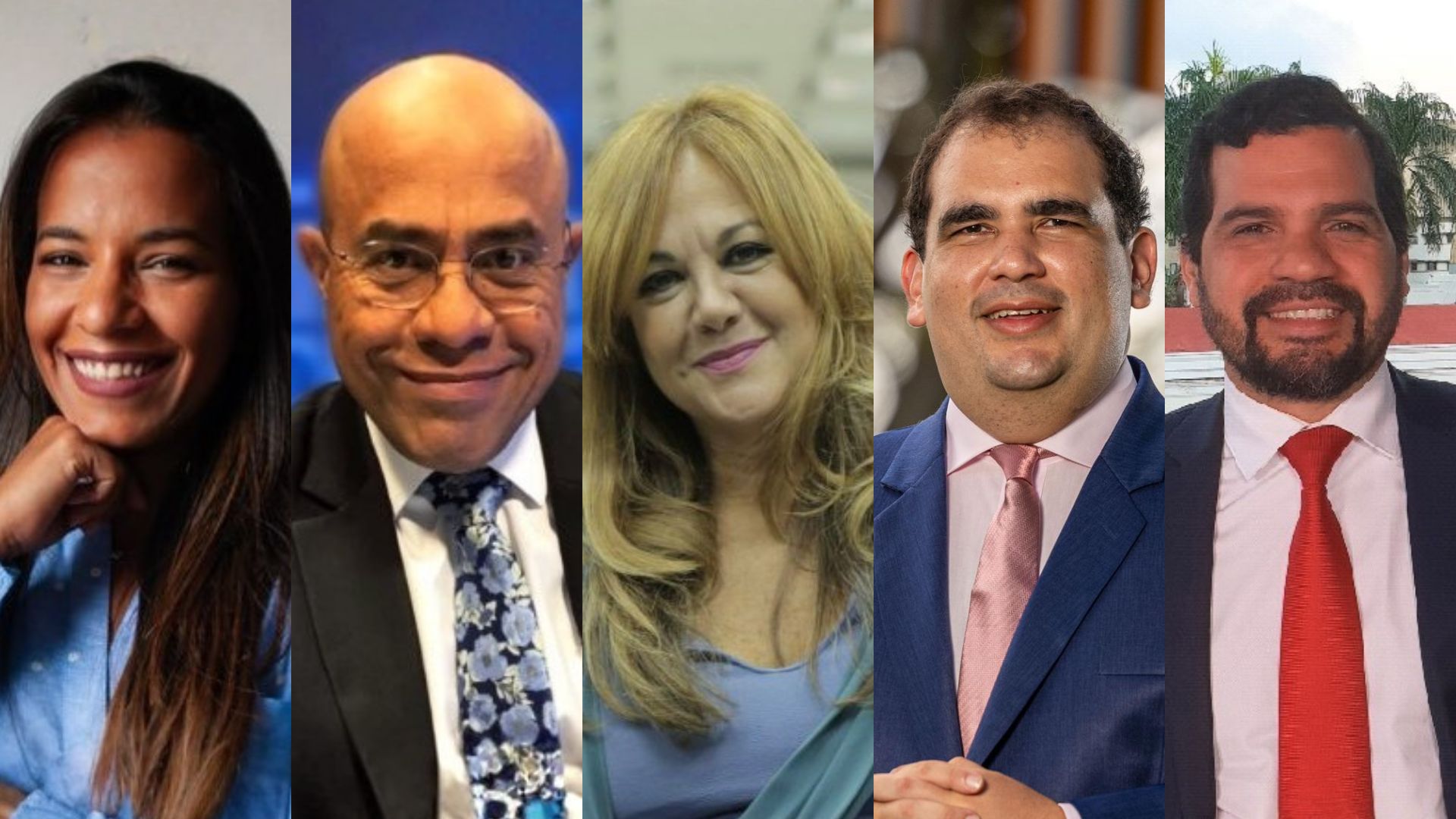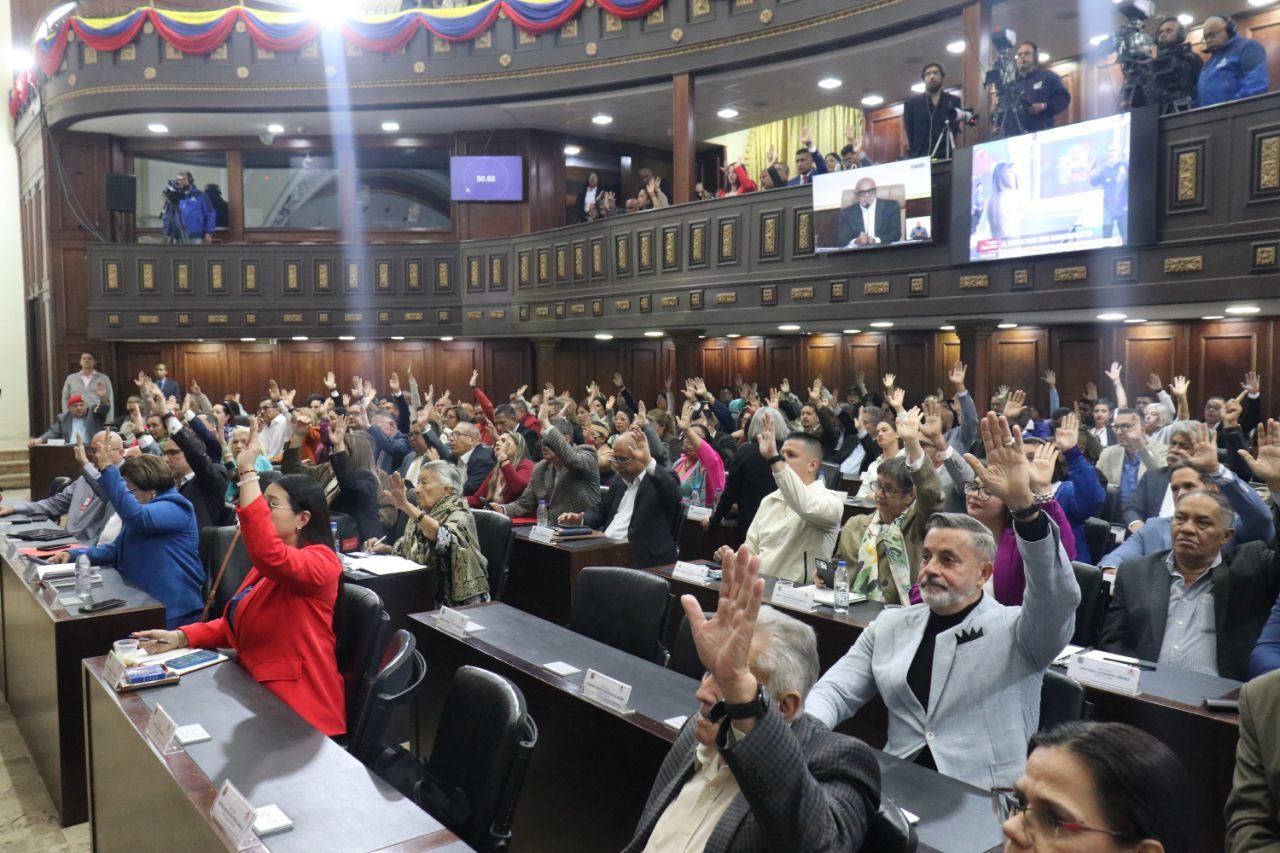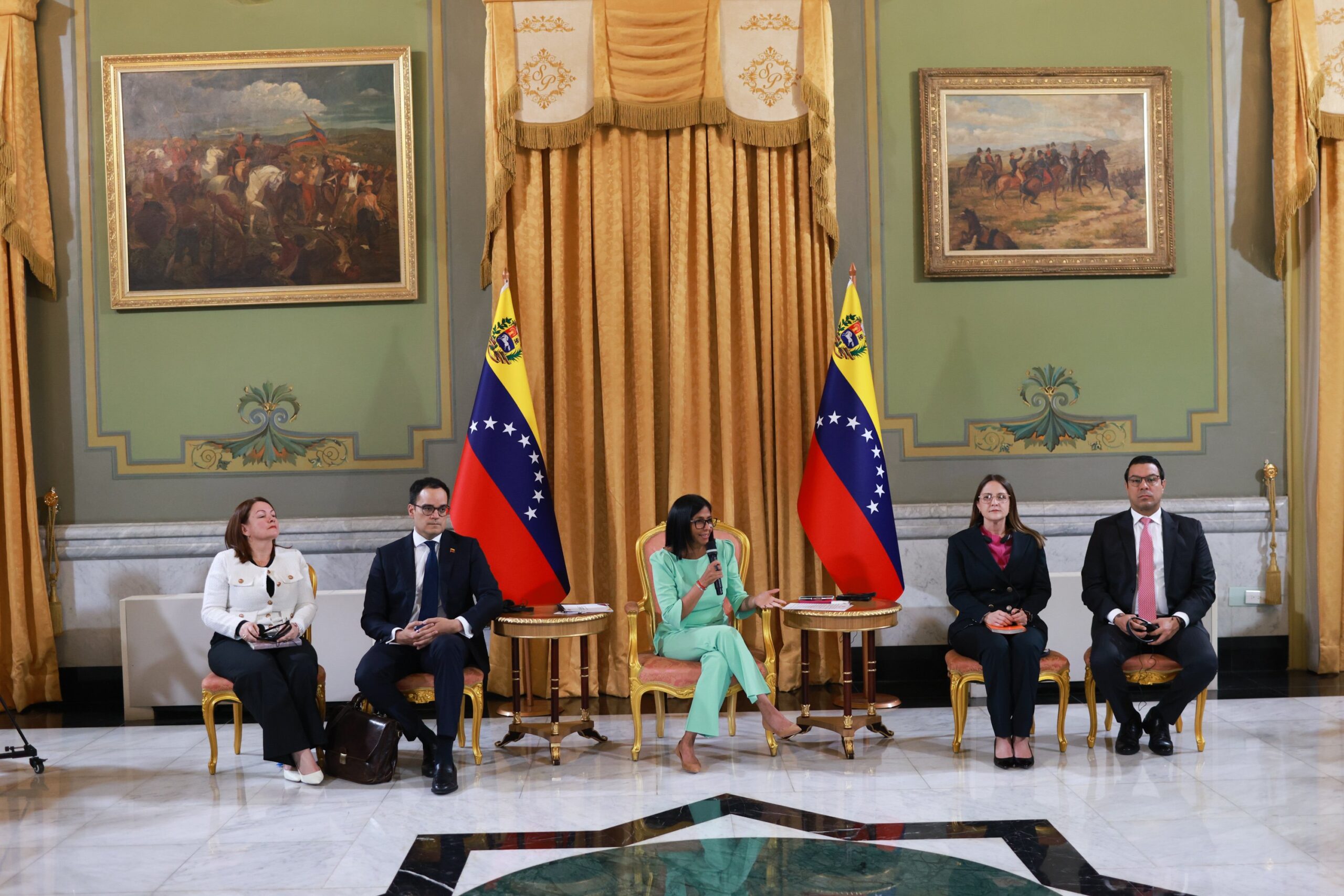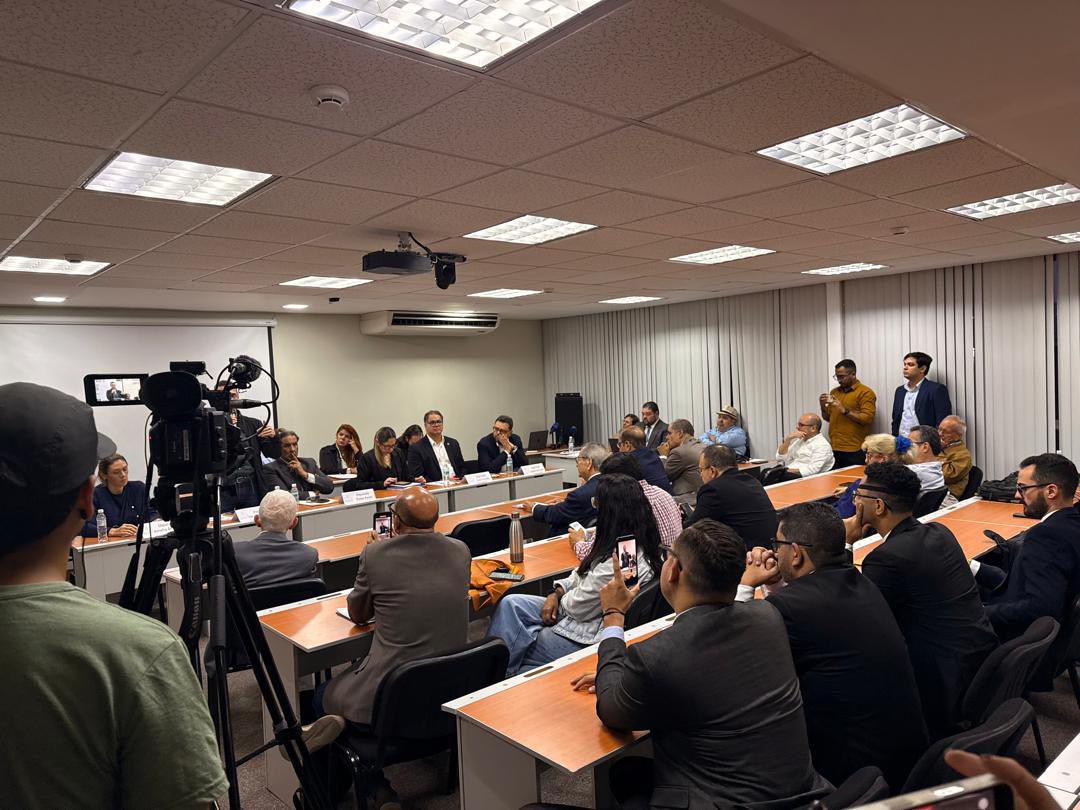
The following members of the Venezuelan National Assembly’s Freedom Parliamentary Group participated: Antonio Ecarri, Tomás Guanipa, Henrique Capriles Radonski, Pablo Pérez, Amelia Belisario, and Luis Florido, along with experts and representatives from civil society organizations. Photograph by Freedom Parliamentary Group
Guacamaya, February 10, 2026. During a public consultation organized by the Freedom Parliamentary Group at the Center for Political and Government Studies, lawmakers, experts, and civil society organizations discussed adjustments to the amnesty bill, with emphasis on the release of political prisoners, the need for judicial guarantees, and the protection of adolescents.
Zulia state deputy Nora Bracho opened the event by recalling the depth of the country’s political and social crisis. “We have lived through extremely hard and difficult moments in our country. These have been 27 complex years, marked by severe tensions and punishments that have even made it difficult for us to communicate among ourselves, with people with whom we have had major differences,” she said.
Bracho acknowledged that those differences persist. “They will surely continue to exist, because we have different perspectives on the country and different visions regarding political, economic, and social issues. However, I believe that at this moment it is essential that, with great courage, we make significant efforts for those who today, at this very moment, remain in prison,” she stated.
The lawmaker insisted that the discussion must focus on the victims of persecution. “We must do it for those political prisoners, for their families, for all those who cannot embrace their loved ones; and for those who are outside the country and wish to return but live under a sword of Damocles of persecution or charges,” she added.
The event was organized by the Freedom Parliamentary Group of the National Assembly of Venezuela and took place at the Center for Political and Government Studies, with the participation of deputies Antonio Ecarri, Tomás Guanipa, Henrique Capriles Radonski, Pablo Pérez, Amelia Belisario, and Luis Florido, along with experts and representatives of civil society organizations.
During the consultation, deputy Tomás Guanipa said the country is facing a decisive moment. “We must understand the wounds of others, even when their truth does not seem like a truth to us. If we remain in accusations and recriminations, we will hardly find the path for Venezuela to regain freedom and democracy,” he said. Guanipa warned about the risk of missing another political opportunity: “Let us not lose this opportunity again by trying to get everything and ending up with nothing.”
Guanipa stressed that freedom must be the starting point. “I want freedom for my country, and that freedom should bring us the progress and the institutions we deserve, so that we can later achieve the justice that repairs the harm done to us,” he said, while demanding real guarantees for those released. “There must never again be those revolving doors where a person is released and shortly afterward is imprisoned again due to lack of guarantees,” he added.
For his part, César Ramírez, from the organization Centrados, welcomed the legislative initiative and described it as an opportunity for democratization. “This law opens the way for all those who are unjustly deprived of their freedom to leave prison. It is the true law of hope for social activists,” he said. However, he questioned certain provisions of the bill. “Article one speaks of a general and full amnesty, but article six introduces differences that could affect its scope,” he warned.
Ramírez also raised concerns about the role of the judiciary. “You cannot build interpretative limits within a general amnesty, because there are people detained on fabricated charges. Article nine leaves the freedom of detainees in the hands of judges, and many of those judges were the ones who violated due process,” he said.
From a legal standpoint, Dr. Arteaga Sánchez stated that the viability of the project depends on institutional changes. “You cannot talk about amnesty without referring to the judges,” he said, proposing the appointment of special judges. “It is necessary to appoint ad hoc judges to administer this amnesty. The project can be viable if those judges inspire absolute confidence in society, even if they are not the most versed in the law,” he noted.
Representatives of CECODAP emphasized that human dignity must be at the center of the law. “The right of the person is, in essence, the comprehensive protection of human dignity. Respect for that right must guide every action of the State,” they said. The organization warned about cases of adolescents affected by rights violations, highlighting the gap between the law and reality.
CECODAP stressed that, although the bill recognizes the special developmental condition of adolescents, there are risks if they are excluded from the analysis. “Extinguishing proceedings without psychosocial and educational support creates fractures and traumas that affect their future,” they warned.
They also proposed explicitly prohibiting the criminalization of adolescents in protest contexts.
Participants agreed that the bill represents important progress but requires adjustments to ensure its legitimacy, effectiveness, and social reach. The consultation is part of a series of meetings organized by the Freedom Parliamentary Group to gather technical, legal, and social input before the final debate on the legislative proposal.