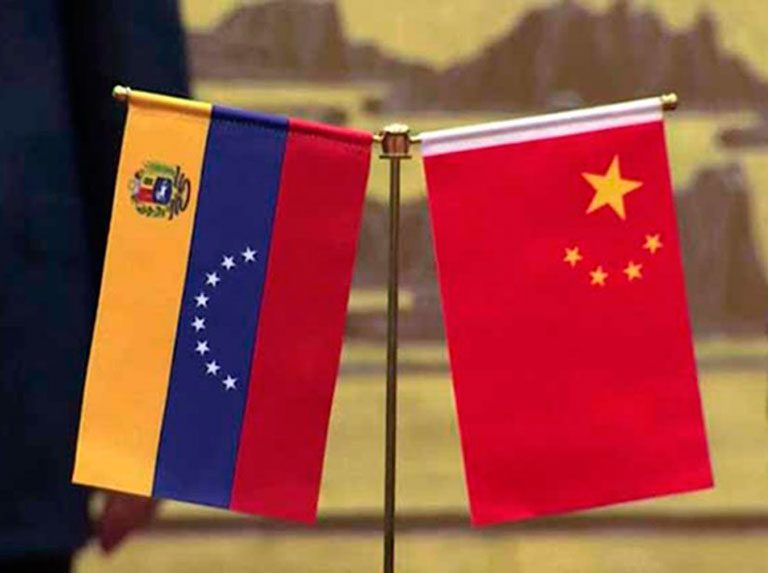
Flags of Venezuela and China. Photograph: Presidential Press Office
Guacamaya, January 8, 2026. U.S. Secretary of Energy Chris Wright defended Washington’s strategy toward Venezuela: allow trade with Beijing, but prevent China from becoming the dominant player in the South American country’s oil economy. In an interview with Fox Business Network, Wright stated that there is “room to balance” U.S. and Chinese interests in Venezuela, but he made it clear that the United States will not accept China exercising strategic control over the Venezuelan economy.
Wright explained that under the new U.S. policy, as long as the United States maintains the rule of law and control over the flow of Venezuelan oil, China’s commercial participation could be compatible with Washington’s interests. He also noted that he expects companies like Chevron, ConocoPhillips, and ExxonMobil to expand their presence in Venezuela following the recent reorganization of the country’s oil sector.
“Can there be trade with China? Of course. Are we going to allow Venezuela to become a client state of China? Absolutely not,” Wright emphasized, highlighting the difference between commercial exchange and economic dominance.
China: top buyer and creditor with oil and financial interests
The relationship between China and Venezuela has long been defined by oil and financial debt. Beijing has established itself as the main importer of Venezuelan crude and the country’s largest creditor, through agreements that combine financing with oil supply.
According to 2025 data, China imported around 389,000 barrels per day of Venezuelan oil, representing about 4% of its seaborne crude imports that year, despite geopolitical tensions and U.S. sanctions.
Additionally, research from AidData, a research center at William & Mary University (U.S.), ranks Venezuela as the fourth-largest recipient of Chinese loans worldwide between 2000 and 2023, receiving $106 billion from Beijing—behind only the United States, Russia, and Australia.
Although the exact amount of Venezuela’s debt to China is not publicly known, financial analysts estimate it could be significantly higher than the $10 billion often cited, given the size of the financial commitments and the terms of the financing agreements.
Chinese companies’ presence in Venezuela’s energy sector
Beyond crude purchases, Chinese oil companies have maintained investments and stakes in Venezuelan oil fields:
Sinopec, one of China’s energy giants, is a partner in a joint venture controlling around 2.8 billion barrels of reserves in Venezuela, the largest foreign stake in the country, according to market analyses.
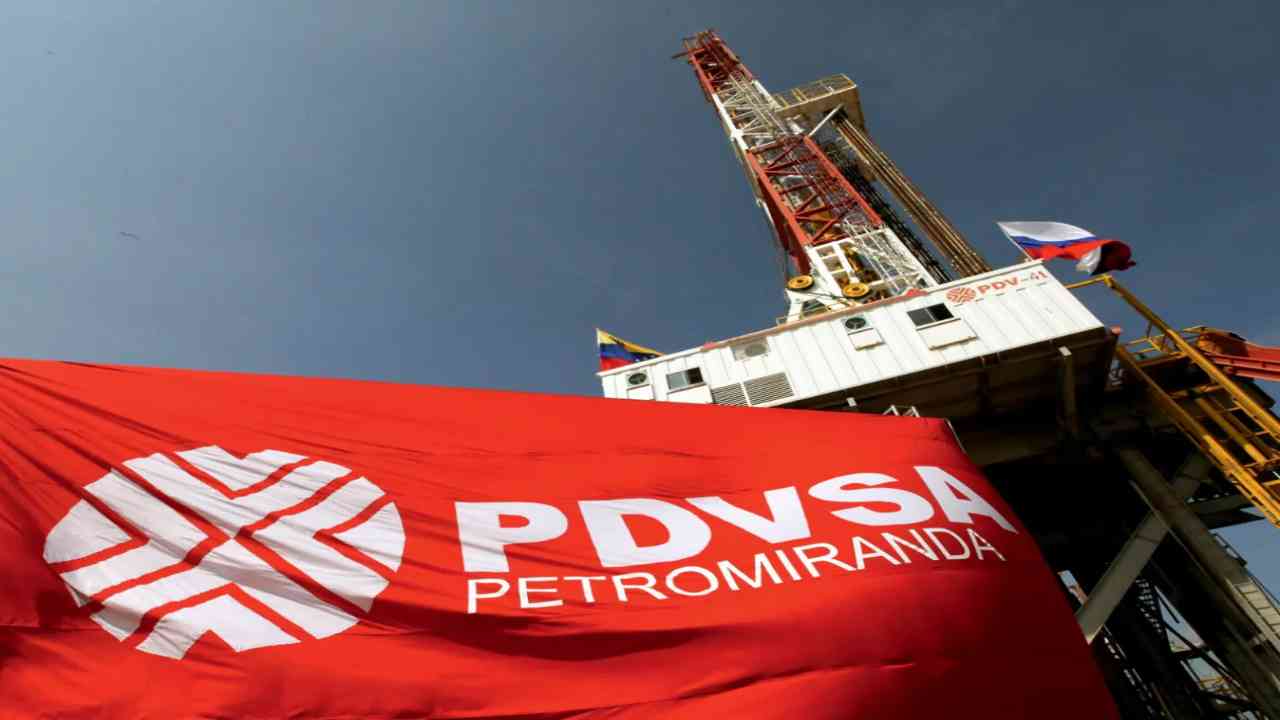
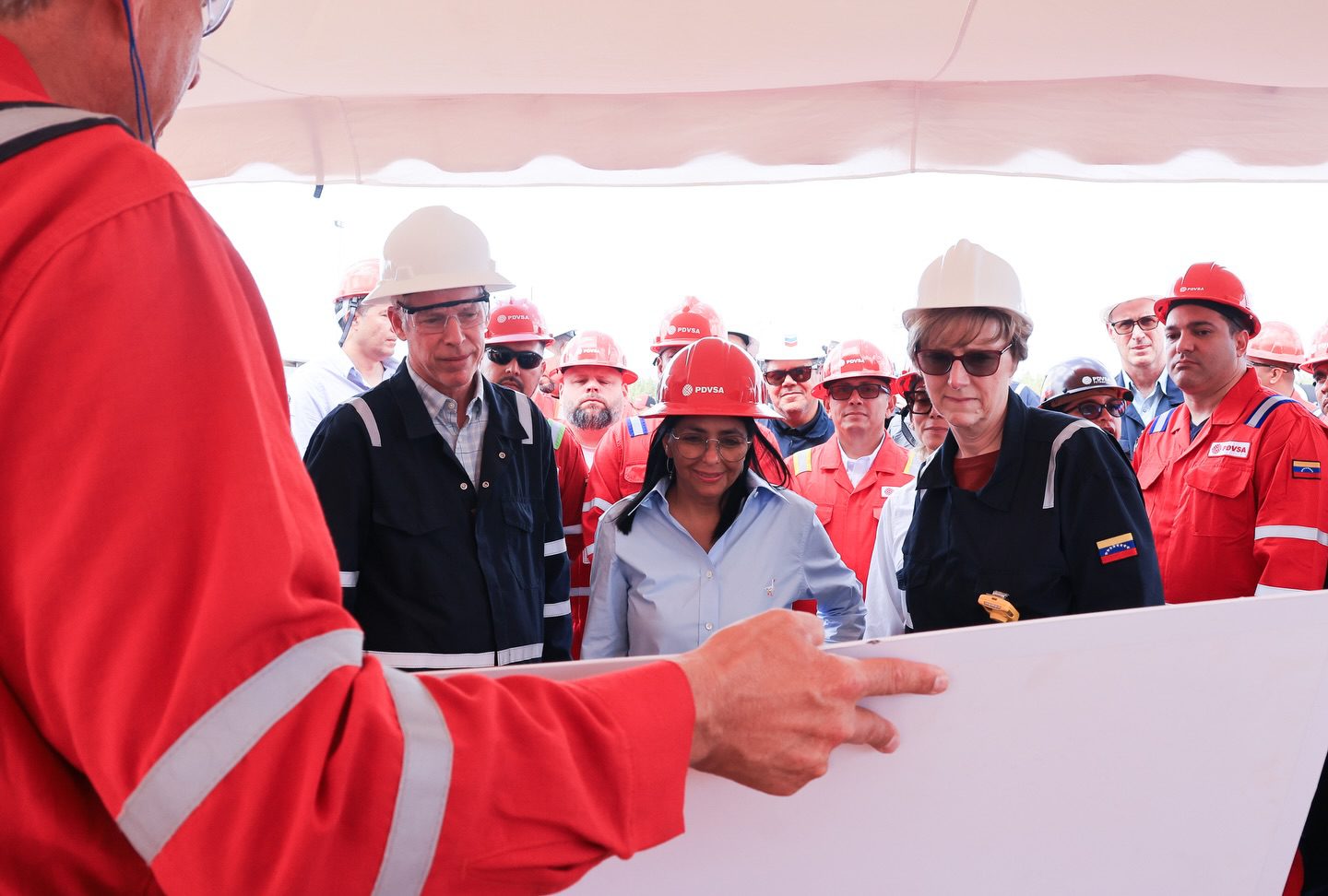
China National Petroleum Corporation (CNPC), through joint agreements with state-owned PDVSA, controls roughly 1.6 billion barrels of reserves and continues producing oil alongside the Venezuelan state company.
These partnerships reflect Beijing’s strategy of integrating not only crude purchases but also production and equity participation in Venezuelan oil fields.
A strategic context in transformation
In recent years, Venezuela has relied heavily on China as both a customer and a source of financing to sustain its oil production, particularly during periods of sanctions and economic difficulties. China purchased a significant portion of Venezuelan shipments, often at discounted prices, and part of that crude was used to repay debt owed to Beijing.
However, in the current context of U.S. control over Venezuelan oil sales and Washington’s aim to reposition U.S. oil companies as central actors, the energy and economic relationship between Venezuela and China faces new challenges and limitations. The result is a restricted commercial coexistence, where China can continue buying crude and maintain some economic ties, but cannot dominate the Venezuelan economy, according to U.S. government statements.