
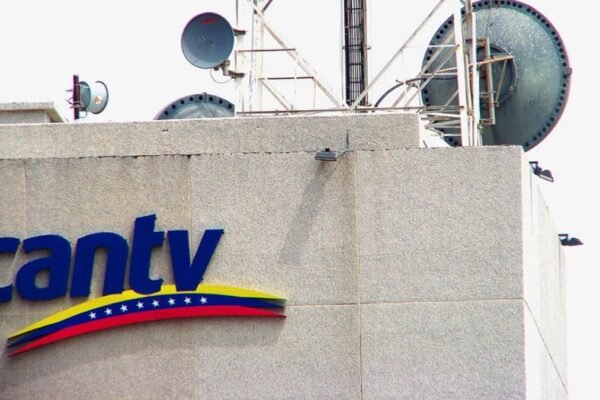
How the U.S. is Inserting Venezuela into Its Technological War Against China
OFAC General Licenses 61 and 62 open the door to Western providers for CANTV, Movilnet, and Conatel, but explicitly block the path to China.


OFAC General Licenses 61 and 62 open the door to Western providers for CANTV, Movilnet, and Conatel, but explicitly block the path to China.
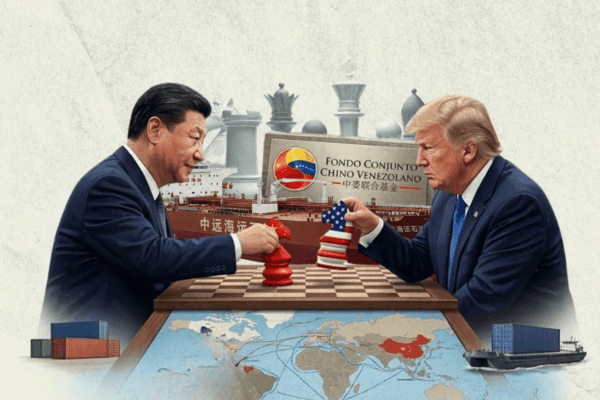
China owns a relatively modest portion of Venezuela’s external debt, but could invoke a veto power.
Today, the demand of one country is beginning to play an equally important role in the oil market: China.
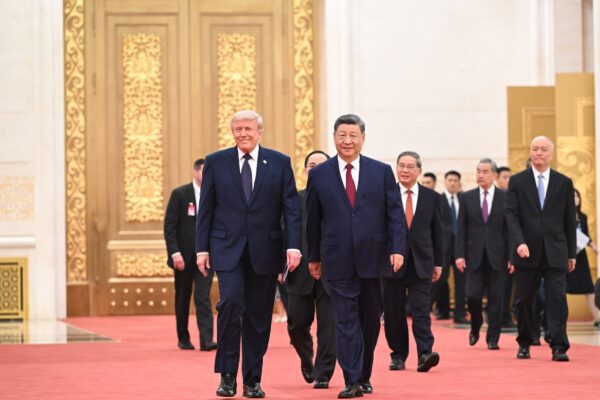
The visit of the U.S. president to Beijing highlights the deep interdependence between China and the United States, but also the structural tensions shaping their relationship. While both powers seek to avoid an open rupture, disputes over technological leadership, the future of Taiwan, and the impact of the crisis in the Middle East continue to fuel the risk of a new global escalation.
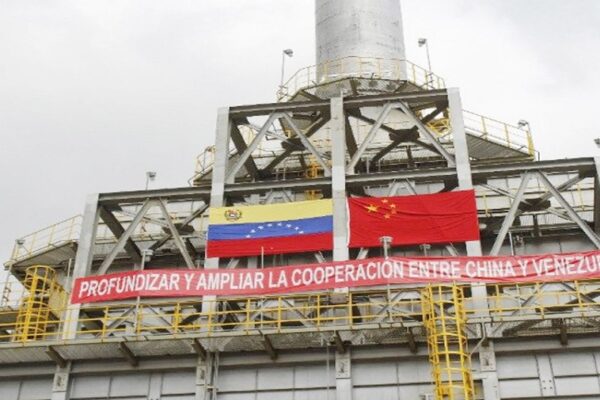
Washington’s decision to take control of Venezuela’s oil exports is already reshaping global crude flows. PetroChina has ordered a halt to all trading of Venezuelan oil, while Indian refineries are receiving only marginal volumes, as most supplies are being diverted to the United States and offered discounts are not competitive with other heavy crudes.
Chinese government officials and representatives of the country’s main state-owned banks have initiated contacts with both Venezuelan authorities and U.S. officials to secure repayment of billions of dollars in loans granted to Caracas, in a context marked by the capture of Nicolás Maduro by U.S. forces and the political reordering underway in Venezuela, according to Bloomberg.
U.S. Secretary of Energy Chris Wright defended Washington’s strategy toward Venezuela: allow trade with Beijing, but prevent China from becoming the dominant player in the South American country’s oil economy. In an interview with Fox Business Network, Wright stated that there is “room to balance” U.S. and Chinese interests in Venezuela, but he made it clear that the United States will not accept China exercising strategic control over the Venezuelan economy.

Venezuelan President Nicolás Maduro received in Caracas Qiu Xiaoqi, special envoy of Chinese President Xi Jinping, in a visit marked by mounting military and economic pressure from the United States on Venezuela and by China’s growing role as the country’s main energy partner.
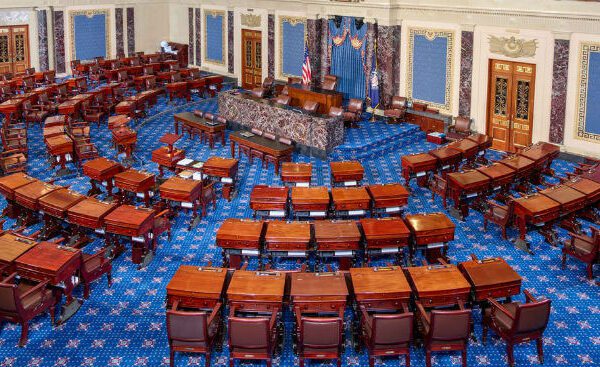
Amid an increasingly intense climate of confrontation between Washington and Caracas, a bipartisan group of U.S. senators has launched a legislative offensive to limit President Donald Trump’s power to order military operations in Venezuela without Congressional authorization. The move comes after the American president confirmed covert CIA operations on Venezuelan soil and the announcement of the withdrawal of the head of the Southern Command, in a context marked by warnings from Beijing and denunciations from Caracas at the UN.
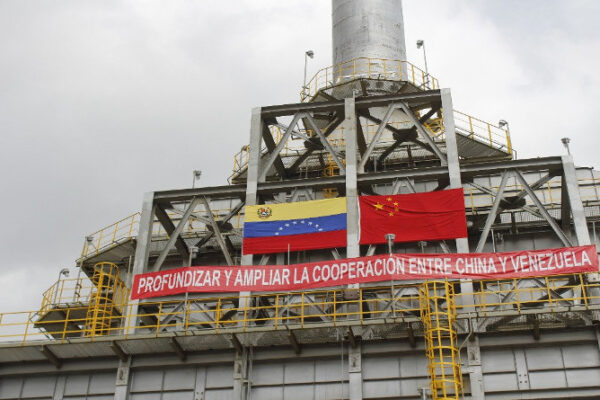
The arrival of the floating platform Alula in Lake Maracaibo marks a new chapter in energy cooperation between China and Venezuela. The project, valued at $1 billion and led by China Concord Resources Corp (CCRC) in partnership with Petróleos de Venezuela (PDVSA), aims to revive production in the Lago Cinco and Lagunillas Lago fields, with a target of 60,000 barrels per day by 2026.