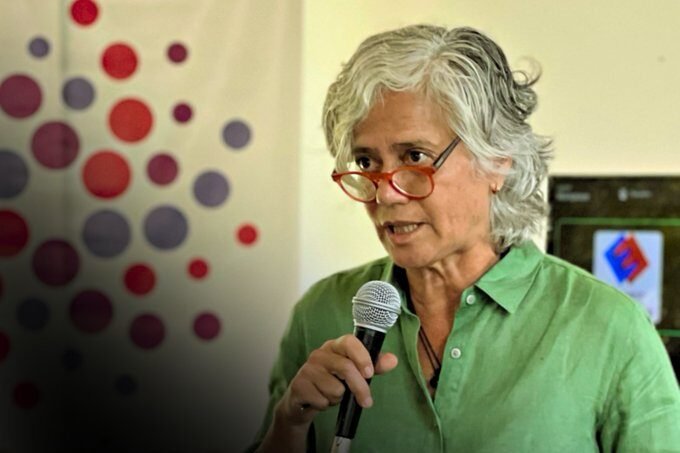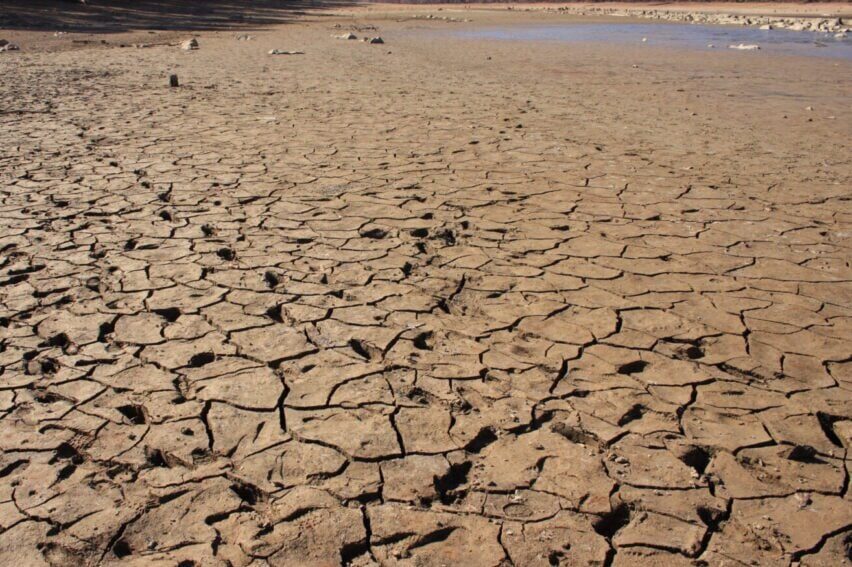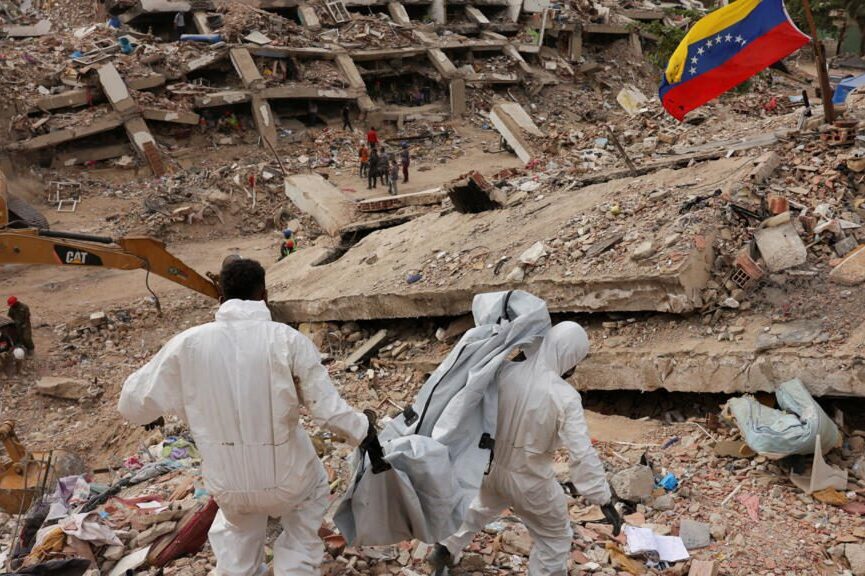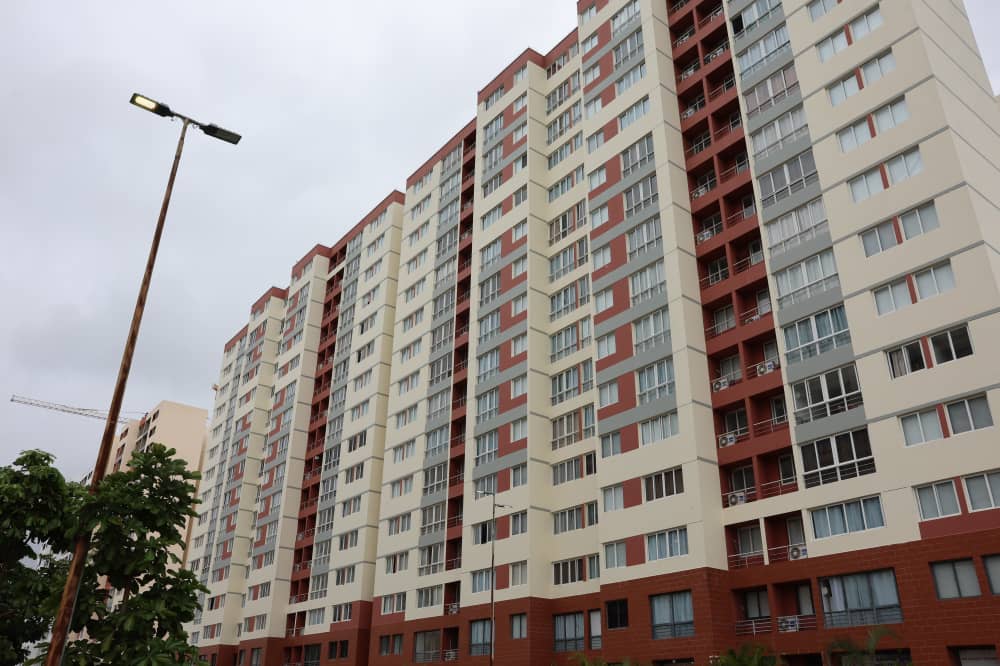
Despite a macroeconomic recovery driven mainly by the oil sector, the vast majority of the population faces frozen wages and an electricity supply crisis in a year also hit by earthquakes. Photograph: Presidential Press.
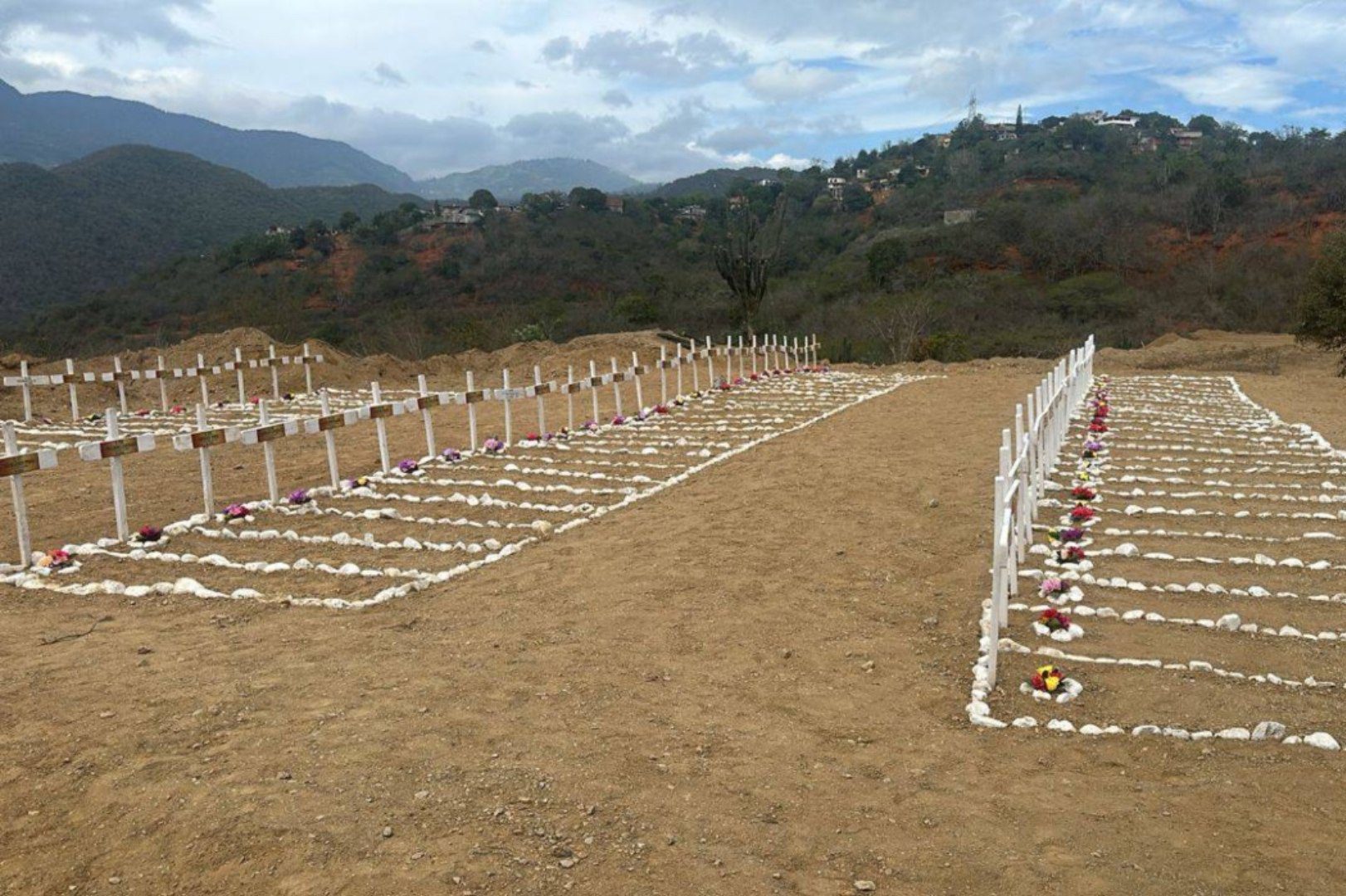
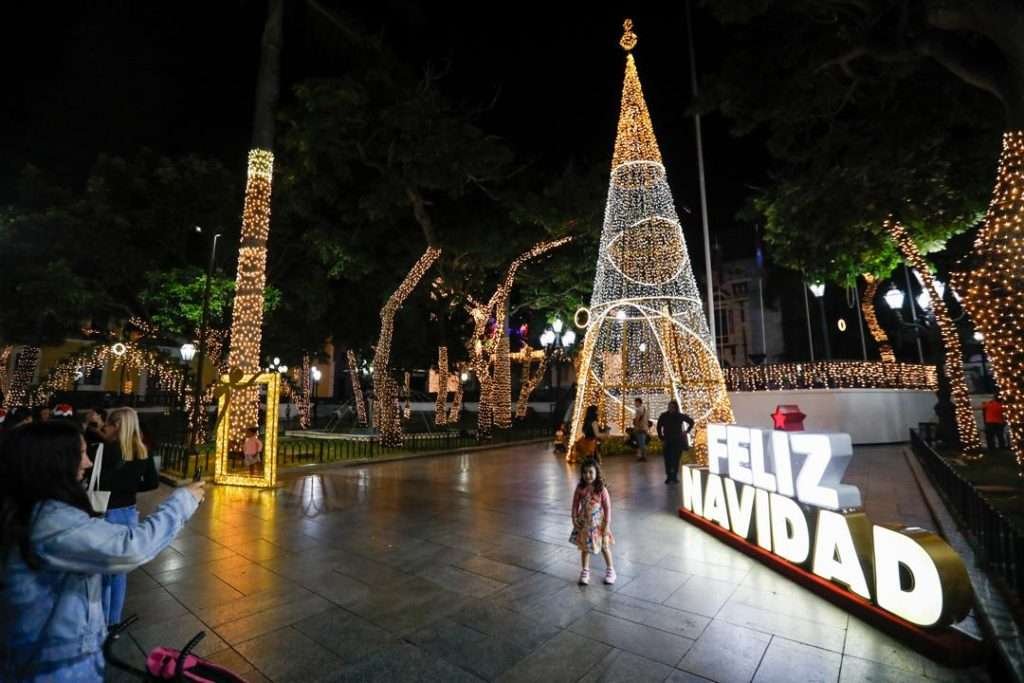
Guacamaya, November 9, 2026. Venezuela began the 2026 Christmas season under an unprecedented and paradoxical panorama. The lighting of plazas and shopping centers coexists with prolonged power outages in the interior of the country, salary discussions postponed until 2027, and the open wound of the double earthquake of June 24, whose final death toll has remained under state opacity for several weeks.
Traditionally, Venezuelan Christmas did not depend on a government decree, but on popular and religious customs. It began in mid-November with the La Chinita Fair in Zulia and, in Caracas, with the lighting of the Cruz del Ávila on December 1. Meanwhile, the aguinaldo masses marked the eve of Christmas Eve, and the festivities closed on January 6 with Three Kings’ Day.
But the early start of Christmas ceased to be a rarity in Venezuelan institutional dynamics and became a recurring mechanism of social containment and communicational stimulus. However, the start of the 2026 season introduces important differences compared with previous years, both in the calendar and in the staging of power.
In 2024 and 2025, then-President Nicolás Maduro set the start of festivities for October 1, leading mass events in Plaza Bolívar in Caracas. Those events, articulated as demonstrations of political control amid situations of high international tension, usually kicked off with the lighting of the Cruz del Ávila from the first days of October.
The 2026 scenario is different. After the capture of Maduro and his wife Cilia Flores earlier this year during U.S. military operations, leadership of the Executive Branch was assumed by the current acting president, Delcy Rodríguez. The interim leader rescheduled the official start date to November 1 and moved the celebration to Paseo Los Próceres.
Precisely, the official discourse changed the traditional emphasis. If in previous years the early Christmas was justified as a boost to the “sacred right to happiness,” the government narrative of 2026 appealed to the need to “heal wounds” and promote a “family reunion” after the traumatic events experienced in the country during recent months.
The Landscape of Tragedy: Earthquakes and Opacity Regarding Victims
The festive atmosphere contrasts sharply with the situation of thousands of families in La Guaira state and surrounding areas. More than four months after the double earthquake of magnitudes 7.2 and 7.5 on June 24, authorities continue to freeze official tolls of victims and missing persons. The last official national report, issued on August 24, 2026, set the number of deaths at 6,509.
However, official figures contradict regional and international estimates. The governor of La Guaira, Alejandro Terán, came to calculate 7,265 deaths and 1,579 missing persons in the entity. Citizen organizations such as Venezuela Te Busca count more than 17,799 people who remain unaccounted for.
NGOs such as Provea and Amnesty International have denounced the lack of transparency in the data, after pointing out that the number of missing persons has not been formally updated since June 25, when it was recognized at 157 people. While fireworks from the official inauguration resounded in the capital, volunteer brigades and relatives continued removing rubble.
Subsistence Economy and Postponed Income Improvements
Economically, the start of festivities arrives without salary improvements for the close of 2026. The official minimum wage has remained stagnant at 130 bolívares per month since March 2022 (equivalent to about 0.14 dollars at the BCV official rate), while the comprehensive minimum income of 240 dollars set in April is granted through bonuses that do not affect labor liabilities or Christmas bonuses.
For 2027, the national Executive has proposed to union confederations a scheme of four quarterly increases of 40 dollars (in January, April, July, and October), to reach an accumulated total of 160 dollars. This proposal was flatly rejected by the Confederation of Workers of Venezuela (CTV), which demands the progressive conversion of bonuses into salary.
These financial limitations severely condition the dynamics of the Venezuelan consumer, where resources are allocated as a priority to food and medicines. According to studies by the firm Datanálisis presented at the Congress of the Venezuelan Chamber of Shopping Centers, 88% of consumers receive their income in bolívares and exhaust their entire balance in less than 48 hours.
Thus, although the Central Bank of Venezuela (BCV) reported a Gross Domestic Product (GDP) expansion of 7.14% in the second quarter of the year and the United Nations Development Programme (UNDP) projects annual growth close to 6.5% driven by oil production, that dynamism does not translate into the purchasing power of the ordinary citizen.
Despite these restrictions, Datanálisis projects that commercial spending in shopping centers will reach 13.04 billion dollars in 2026, nominal growth driven by the transactional dollarization of upper and middle strata, with an estimated average ticket of 71.80 dollars per visit. However, for the vast majority that depends on income set in national currency, year-end consumption will be reduced to the strictly essential.
Festive Lights Against the Collapse of the Energy System
The most visible element of the start of Christmas is the profound contrast in electricity supply. Just hours after the pyrotechnic and LED light display celebrated at Los Próceres and the Cruz del Waraira Repano, a strong voltage drop and service outages affected Greater Caracas and at least seven states of the country (Zulia, Carabobo, Aragua, Miranda, La Guaira, Portuguesa, and Trujillo).
In the interior of the country, states such as Zulia or Sucre record daily rationing ranging from 8 to 12 continuous hours, attributable to the paralysis of more than 80% of the national thermoelectric fleet due to operational failures and accumulated lack of maintenance. Even in the capital, municipalities such as Baruta suffered service suspensions in early November after intense rainfall.
Citizen indignation has manifested both in the streets and on digital platforms. In the town of Tucacas and along the Morón-Coro highway in Falcón state, residents have staged protests with tire burning and barricades in rejection of rationing of more than 15 hours that destroys food and prevents rest.
Faced with this situation, festive activity has concentrated heavily in the private sector and in Caracas’s commercial circuit. El Recreo Shopping Center began its season under the slogan “GrinchmodeOn,” while San Ignacio Center in Chacao lit its Christmas lighting under the concept “El reencuentro.” At Sambil Caracas, the light-lighting event was scheduled for November 12.
A Holiday at Two Speeds
The start of Christmas 2026 exposes the duality of Venezuelan society. On one hand, there is the effort of families and the commercial sector to preserve spaces of recreation, tradition, and consumption in the main cities. On the other, the reality prevails of millions of citizens who calculate their expenses day by day, cope with the darkness of blackouts, deteriorated wages, and unresolved mourning over the aftermath of the seismic tragedy.