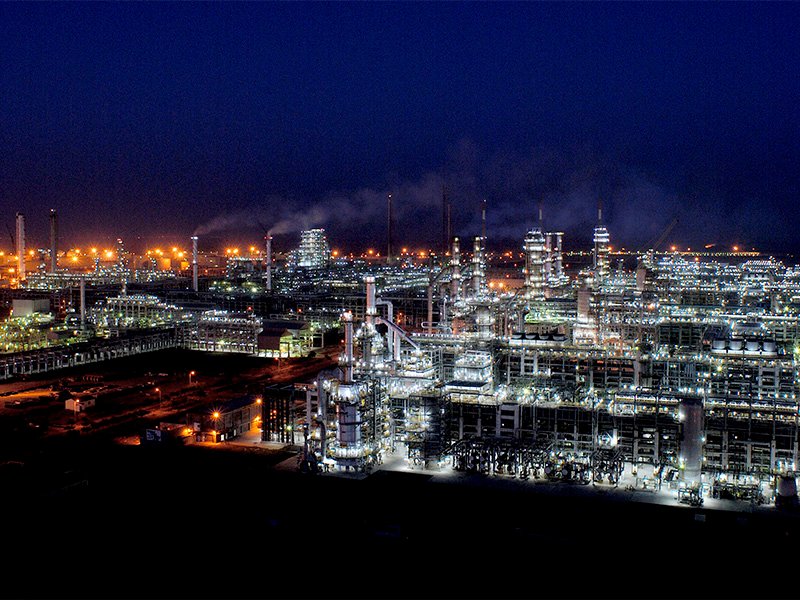
How Trump’s Energy Dominance Doctrine and the quest for heavy crude are redrawing the global energy map from the U.S. Gulf Coast to Mumbai. Photo: Reliance Industries.
Guacamaya, November 11, 2026. For decades, the global energy map was drawn by measuring barrels extracted per day and the volume of proven reserves buried beneath the soil. However, the reshaping of the international order under the “Trump Corollary” to the Monroe Doctrine alongside the Energy Dominance strategy spearheaded by U.S. Secretary of State Marco Rubio forces a shift in analytical lenses: the true geopolitical power of the 21st century lies not only in who extracts the oil, but in who possesses the technological capacity to refine it.
The Secretary of State’s engagement in India featuring strategic stops in Mumbai and massive Jamnagar owned by Reliance Industries exposes the architecture of a New Refining Diplomacy. In this sense, this is where four key actors come in: the Unites States, India, Venezuela and Russia, they intersect across economic, technological and national security interests.
The Trump Corollary and the Monopoly on Deep Conversion
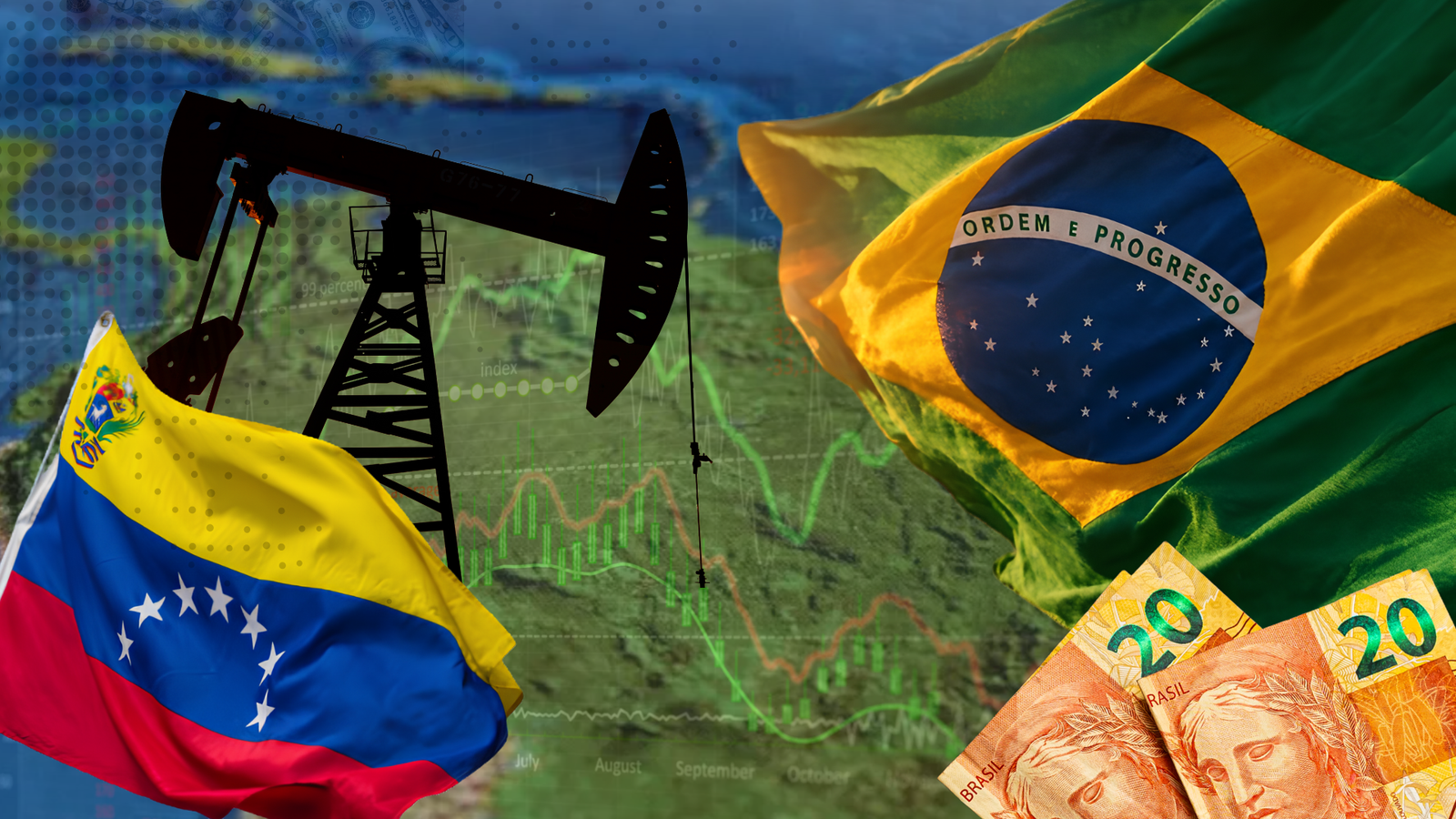
U.S. foreign policy has largely pivoted away from green transition to focus squarely on hard energy security and the maximum utilization of fossil fuels. Under this framework, the heavy and sour crude grades abundant in the Western Hemisphere particularly in Venezuela’s Orinoco Petroleum Belt, are strategic assets. The core technical challenge of Venezuelan heavy crude is that it cannot be marked directly, we know it requires diluents to flow through pipelines and refineries equipped with deep conversion units (coking and hydrocracking) to be processed into high value fuels, like diesel.
The United States holds a virtual technological monopoly over this value chain via the refining complex in the U.S. Gulf Coast, while also controlling the production of the light condensates needed to transport that heavy crude. By turning refining into the industry’s ultimate bottleneck, Washington achieves a dual objective: it anchors the operational reality of producing nations without military deployment while displacing the influence of extracontinental rivals like China and Russia (very close to Venezuela in previous administration).
India: the Refining Superpower as a Geopolitical Pivot
It is within this strategy that India becomes indispensable. U.S. officials have explicitly described India as a refining superpower. India houses colossal facilities like Jamnagar which was specifically engineered to process and “clean” some of the densest, sulfurous crudes on the planet.
For Washington Energy Alignment with New Delhi serves two immediate geopolitical goals. It displaces Russian Crude, and offloads hemispheric processing capacity. Following the Ukraine conflict, Indian refiners have dramatically scaled up purchases of discounted Russian Oil, so the U.S. aims to offer Venezuelan Heavy Crude as a viable alternative, allowing India to diversify its intake and choke off energy revenues to Moscow. Since the U.S. Gulf Coast refining capacity is tremendous, connecting Orinoco Belt production with Indian mega refineries establishes a transoceanic commercial circuit anchored by U.S. State Department oversight and licensing.
The Pressure Triangle: Venezuela, Russia and the U.S.
For Venezuela entering this arrangement presents a geopolitical paradox, because while its vast reserves grant it global relevance, its domestic industry remains entirely dependent on external refining capacity to monetize the resource. Moscow in previous years acted as a financial and commercial lifeline for PDVSA, more specifically through dark fleet intermediation and different trading schemes. Today, U.S. diplomacy leverages access to Indian refineries and the U.S. supply of diluents to squeeze Russian entities out of Venezuelan oil market. Also, there’s the Infrastructure Trap: buying spot crude is a straight forward transaction, but funding the overhaul of Venezuelan energy infrastructure carries significant political and legal considerations, looking at this “Refining Diplomacy” utilizes these export licenses and investment authorizations e.g. Reliance or ONGC Videsh as leverage for political conditioning.
Reshoring and Petrochemical Nearshoring in the Caribbean
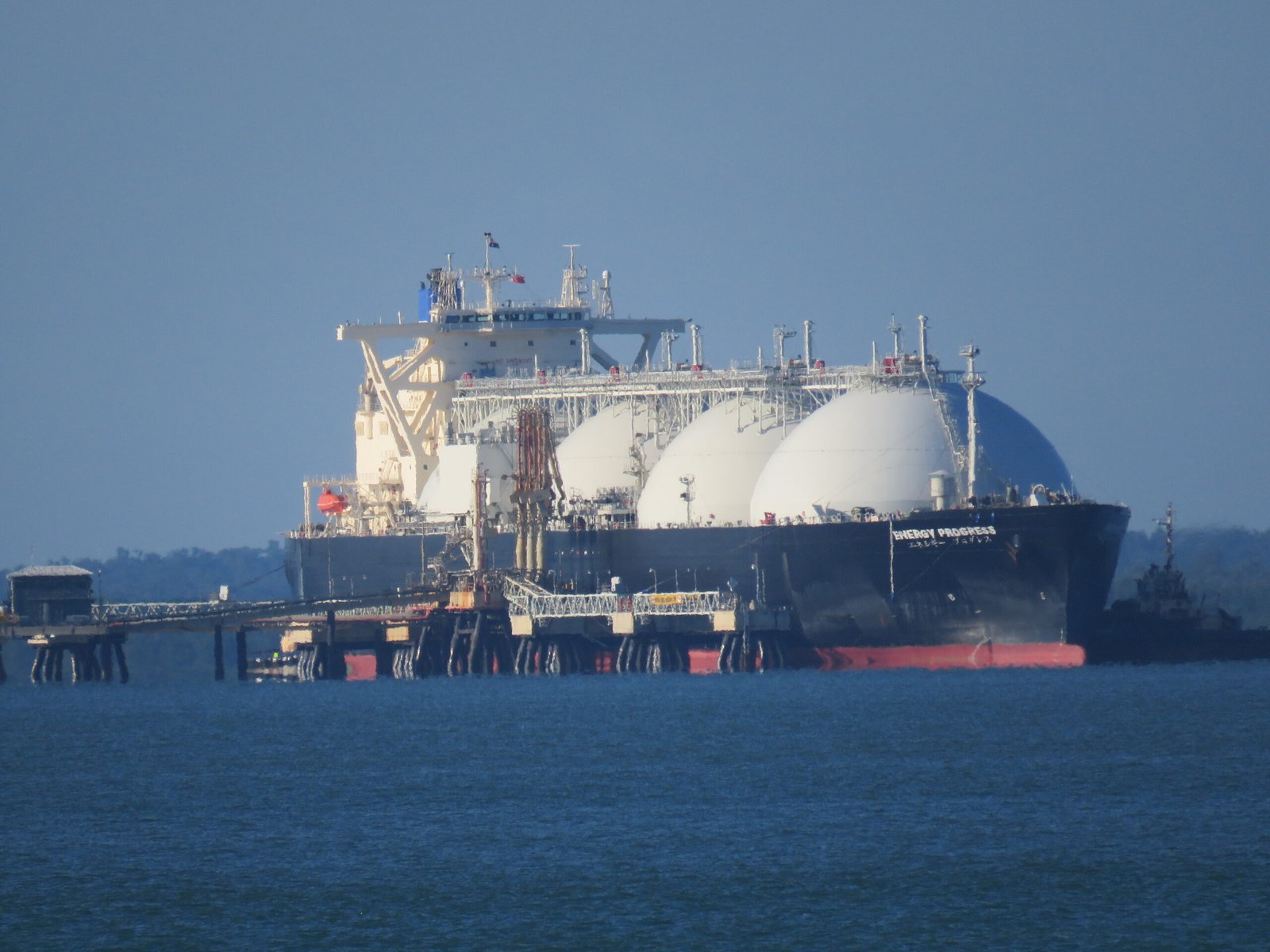
The ultimate dividend for Washington lies in supply chain resilience. The world has seen how recent global disruptions underscored the danger of relying on distant maritime chokepoints such as the Strait of Hormuz, Bab el Mandeb or the Red Sea to ship crude and re import refined products back. The re centering refining and petrochemical processing around the U.S. Gulf Coast and the Caribbean basin axis results in drastically cutting transit times, shifting from trade routes from 40 gay voyages to Asia down to 4-7 day transits across the Atlantic. It also secures Critical Inputs, since processing heavy residues locally guarantees a steady supply of fertilizers (urea, ammonia) within the Western Hemisphere insulating Latin American agriculture from Eurasian supply shocks.
The evolution of U.S. energy diplomacy from the halls of Washington to the deep conversion coking units of Mumbai and Jamnagar proves that energy power is no longer measured at the wellhead. Refining Diplomacy is actively remapping global commerce, turning India into a critical processing hub for the West, displacing Russia as primary supplier, and integrating Venezuela back into regional trade flows, all under the regulatory and technological umbrella of American Energy Dominance.