
Venezuela Reports 1,084,000 bpd Produced in July: How Does It Maintain Output Despite Sanctions?
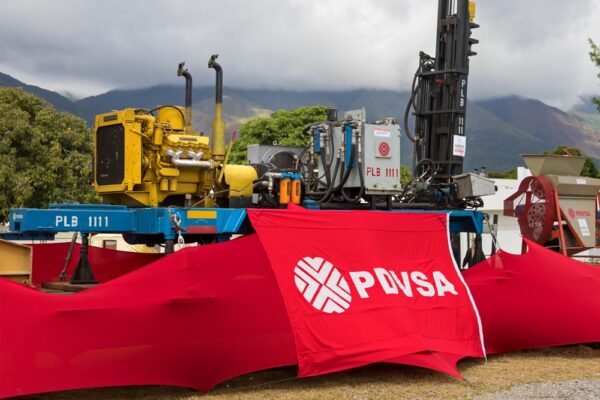
PDVSA sign on a water well drilling platform during FICTEC 2018, an International Science and Technology Fair. Photo: @Testing /…


PDVSA sign on a water well drilling platform during FICTEC 2018, an International Science and Technology Fair. Photo: @Testing /…

At least three oil tankers chartered by Chevron were reportedly sailing toward Venezuela on Thursday, according to Reuters.
The gradual return of Venezuelan crude to the U.S. market will also impact regional fuel prices. Photograph: Robert Way /…
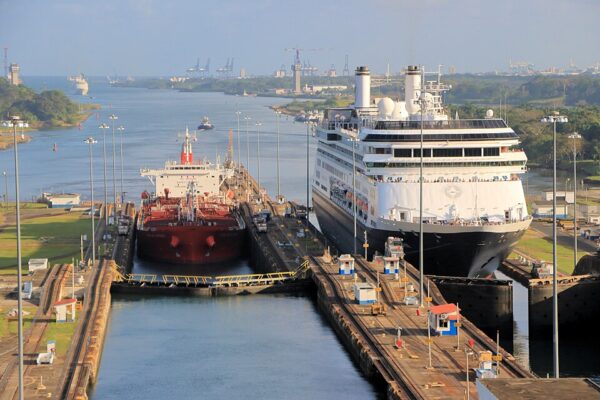
In a coordinated move against the trade of sanctioned crude, Malaysia has imposed strict regulations on illegal oil transfers in its waters, while Panama has closed its doors to high-risk, aging vessels. Although pressure on the so-called “shadow fleet” is increasing, historical experience shows that such measures often face structural limitations and the constant reinvention of evasion networks.
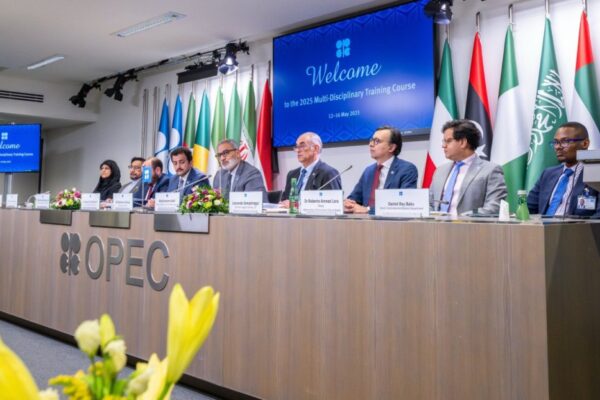
The Organization of the Petroleum Exporting Countries and its allies (OPEC+), headed by Saudi Arabia and Russia, approved a new crude production increase of 547,000 barrels per day (bpd) this Sunday, effective September. With this move, the coalition finalizes the reversal of the voluntary cuts of 2.2 million barrels per day (mbd) implemented in 2023, completing the process in half the time initially planned.
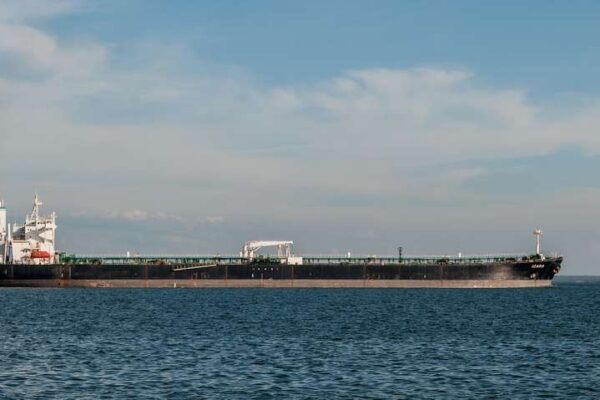
Venezuela’s oil exports in July were 727,000 barrels per day, 10% lower than the to 807,000 bpd in June, according to LSEG shipping data published by Reuters.
According to its CEO, the initial shipments will help settle part of the company’s outstanding debt and gradually restore production….
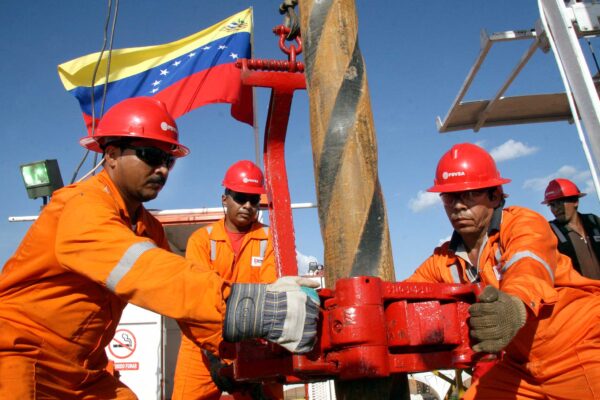
U.S. energy corporation Chevron will pay the Venezuelan government in oil instead of bolivars or other currencies, according to sources consulted by Bloomberg.
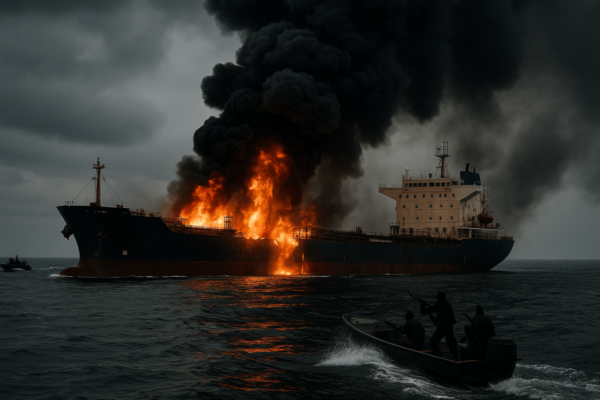
The crisis in the Red Sea has taken a new turn. Yemen’s Houthi rebels announced the expansion of their naval blockade against Israel, declaring that they will attack any vessel with commercial ties to Israeli ports, regardless of its flag or destination. This decision, made after the breakdown of peace talks in Doha, increases the risk to maritime traffic along a route that handles approximately one trillion dollars in goods annually.
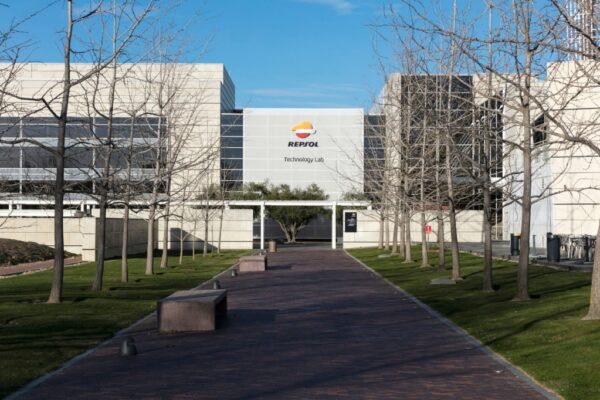
Repsol remains “hopeful of finding some kind of framework” to “monetize” its production in Venezuela amid ongoing discussions with the U.S. government under Donald Trump, as stated by the group’s CEO, Josu Jon Imaz, during the presentation of its first-half earnings.